

Green Job Wave: Universities Rush Environmental Management Degrees
Admission & Info Tools
Need Expert Assistance?
Our counselors can help you with fee structures, eligibility guidelines, and upcoming admission cutoffs instantly.
Direct Application Tools

Green Careers Driving New Degrees
The world faces unprecedented environmental challenges – from climate change and resource scarcity to pollution and biodiversity loss. Yet, amidst these critical issues, a powerful new economic force is emerging: the "green job" wave. This isn't just a fleeting trend; it's a fundamental transformation reshaping global industries and creating an immense demand for professionals equipped to build a sustainable future.
From engineers developing renewable energy solutions and consultants guiding corporations toward eco-friendly practices, to policy analysts shaping environmental regulations, the green economy offers diverse, impactful, and rapidly growing career opportunities. Governments, businesses, and non-profits worldwide are making significant investments in sustainability, driving innovation and expanding the scope of green employment.
Recognizing this pivotal shift, universities globally are responding with remarkable agility. Environmental Management degrees, once specialized programs, are now becoming central to higher education offerings. Institutions are rapidly launching and enhancing comprehensive, interdisciplinary curricula designed to equip the next generation of leaders with the skills to address complex environmental problems while fostering economic growth.
The urgency behind this academic response is clear: the market needs talent. The World Economic Forum highlights green jobs as a leading growth area, with millions of new roles anticipated. Companies actively seek graduates proficient in sustainable practices, environmental compliance, resource efficiency, and corporate social responsibility. Pursuing an Environmental Management degree today means positioning yourself at the forefront of a global movement, ready to make a tangible difference while securing a robust and purpose-driven career path.
For students and parents navigating higher education choices, understanding this transformative career landscape is essential. MatchToCollege, your AI-powered higher education counselling platform, is dedicated to helping you discover top Environmental Management programs that align with your ambitions, connecting you to universities leading the charge in sustainable education. Let's explore why these degrees are indispensable and how you can ride the green job wave to a successful and meaningful future.
The Exponential Growth of the Green Economy & Job Market Demand
The Exploding Green Job Market: A Career Revolution
The shift towards sustainability is no longer merely an ethical consideration; it's a strategic imperative driving unprecedented growth in the green job market. Experts project millions of new roles will emerge in sectors directly addressing environmental protection and resource stewardship over the next decade. This expansion transcends traditional environmental fields, infiltrating nearly every industry and function.
Consider the explosive growth in renewable energy, creating demand for solar technicians, wind engineers, and smart-grid specialists. Beyond energy, environmental consultants guide businesses on sustainable supply chains and waste reduction. Urban planners design resilient, eco-friendly cities, while agricultural scientists innovate sustainable food systems. Even established industries like finance and manufacturing are integrating sustainability specialists to navigate environmental policy and foster greener operations. This diverse landscape ensures that whether your passion lies in science, policy, business, or technology, a vital and impactful role awaits you within the burgeoning green economy. It's a market offering both stability and the profound satisfaction of contributing to a healthier planet.
How Universities Are Adapting Their Curricula for a Sustainable Future
Beyond Tree-Hugging: What an Environmental Management Degree Teaches
Modern Environmental Management degrees are rigorous, interdisciplinary, and highly practical, designed to equip students with sophisticated problem-solving skills for today's environmental challenges. These programs integrate core scientific principles (ecology, chemistry, earth systems) with crucial insights from economics, law, public policy, and ethics. Students delve into topics such as sustainable development, environmental impact assessment, natural resource management, climate change mitigation, and corporate social responsibility (CSR).
Crucially, graduates develop highly sought-after professional competencies: data analysis, project management, stakeholder engagement, risk assessment, policy formulation, and strategic planning. This holistic approach ensures students gain not just theoretical knowledge but the practical ability to lead, innovate, and implement sustainable practices across diverse organizational settings. Whether managing conservation efforts, designing corporate sustainability strategies, or advising on regulatory compliance, these degrees provide a robust foundation for a wide array of impactful careers, preparing you for leadership in the rapidly evolving green landscape and empowering you to drive real change.
Navigating Your Green Career Path with MatchToCollege's AI Power
Finding Your Green Path: How to Choose a Program
With the proliferation of Environmental Management degrees, selecting the right program requires careful consideration. Begin by identifying your specific interests; do you gravitate towards policy, scientific research, or business applications? Evaluate the curriculum to ensure it aligns with your career aspirations, whether that’s renewable energy, urban sustainability, or conservation. Research faculty expertise and current projects, as this often indicates the program's strengths and potential research opportunities for students.
Prioritize practical experience. Look for programs offering internships, field studies, or capstone projects with real-world organizations, which provide invaluable hands-on learning, networking opportunities, and a significant edge in the job market. Also, consider the university's location and its relevance to your preferred career path. To simplify this critical decision, MatchToCollege's AI-powered platform can match your profile, interests, and career goals with leading Environmental Management programs worldwide, helping you confidently choose the ideal path for your impactful future in the green economy.
Share this Article
FAQFrequently Asked Questions
Q: What exactly is a "green job"?
A "green job" is any employment that contributes to preserving or restoring environmental quality. These roles can be found in various sectors like renewable energy, sustainable agriculture, waste management, environmental consulting, and eco-friendly manufacturing, focusing on reducing environmental impact, promoting resource efficiency, or protecting biodiversity.
Q: What kind of skills do Environmental Management degrees develop?
Environmental Management degrees cultivate a blend of scientific, analytical, and managerial skills. Graduates gain expertise in areas like data analysis, project management, environmental policy analysis, risk assessment, sustainable strategy development, and stakeholder engagement, preparing them for complex problem-solving in diverse settings.
Get More Info About Green Job Wave
Recommended Reading
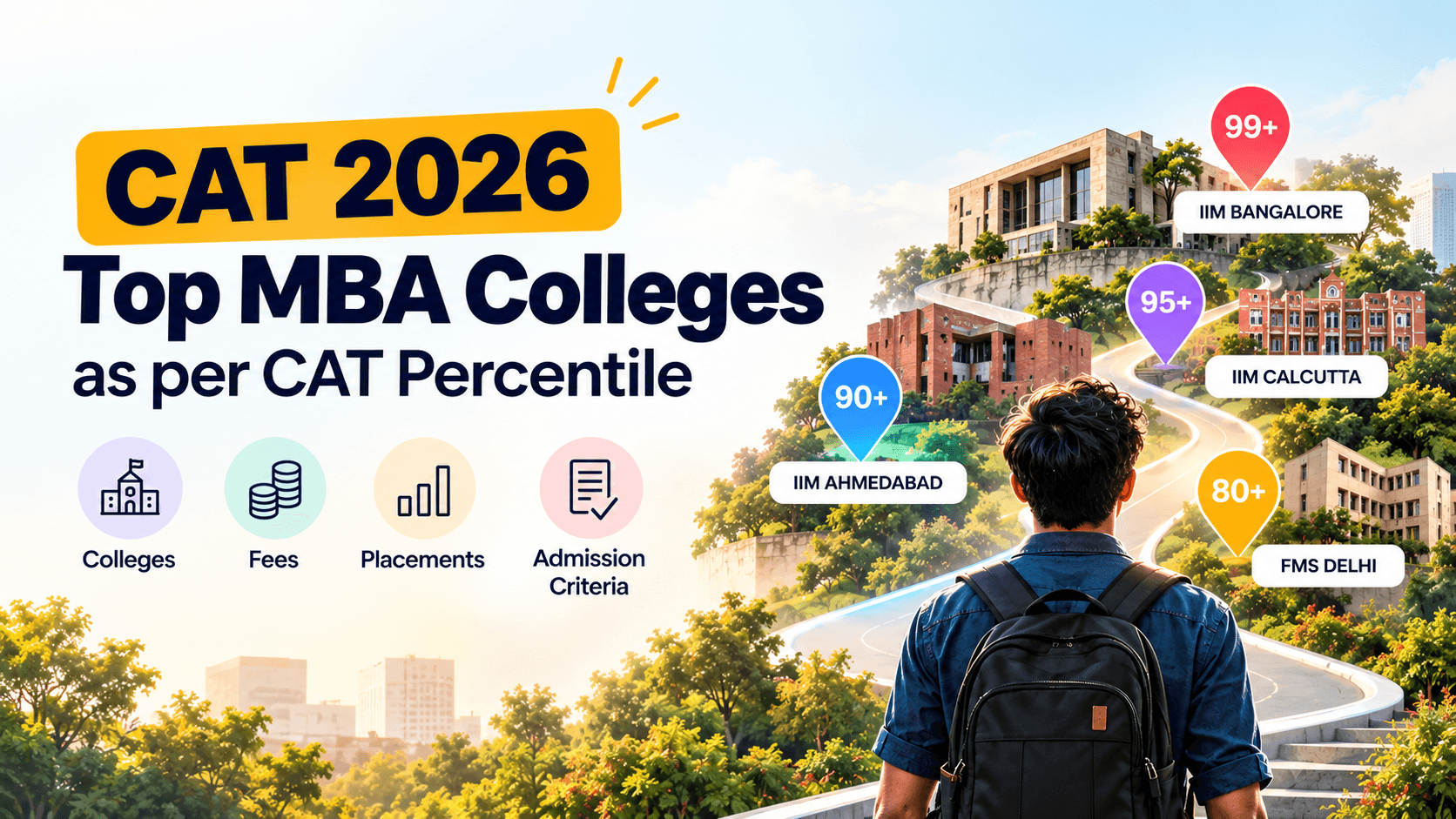
CAT 2026: Top MBA Colleges as per CAT Percentile
Confused about which MBA colleges to target with your CAT 2026 percentile? Explore IIMs and top B-schools by CAT percentile, with fees, average placements, admission criteria and college options from 70 to 99+ percentile.

LBSIM Delhi & GIBS 2027 Admissions Open: Apply Online Now
LBSIM Delhi and GIBS Bangalore open 2027 admissions. Explore PGDM, MBA, and BBA application details, early bird offers, and WBJEE/TNEA 2026 counseling updates.

Best Online MBA Specializations for High-Paying Careers 2026
Discover the most lucrative online MBA specializations for 2026-27. Compare ROI, career growth, and use our AI tools to find your perfect management path.