

Mastering JEE Main: Your Essential Guide to Past Papers & Preparation Strategy
Admission & Info Tools
Need Expert Assistance?
Our counselors can help you with fee structures, eligibility guidelines, and upcoming admission cutoffs instantly.
Direct Application Tools
🎯 MatchToCollege AI Recommendation: Planning your counselling or choice filling? Check your seat allotment probability across premier colleges using the JEE Main College Predictor.
Key Highlights & Program Overview
The Joint Entrance Examination (JEE) Main stands as the primary gateway for admission to undergraduate engineering programs at NITs, IIITs, and other Centrally Funded Technical Institutions (CFTIs) across India. Understanding its structure is the first step towards conquering it. While the specific questions change each year, the fundamental exam pattern remains largely consistent, making past papers an indispensable resource.
For instance, the JEE Main 2019 B.E./B.Tech Paper 1 (April 8, Shift 2) exemplified the standard format. Analyzing such papers provides a clear blueprint of what to expect.
JEE Main B.E./B.Tech Exam Pattern Overview
| Parameter | Details |
| Exam Mode | Online (Computer-Based Test) |
| Paper | B.E./B.Tech (Paper 1) |
| Duration | 3 hours (180 minutes) |
| Type of Questions | Multiple Choice Questions (MCQs) & Numerical Value Questions |
| Subjects | Mathematics, Physics, Chemistry |
| Total Questions | 90 questions (30 from each subject) |
| Total Marks | 300 marks (100 from each subject) |
| Marking Scheme | +4 for correct answer, -1 for incorrect answer, 0 for unattempted |
Note: While the 2019 paper had a total of 360 marks, the current JEE Main B.E./B.Tech paper is typically for 300 marks, with 20 MCQs and 10 Numerical Value Questions (out of which 5 are to be attempted) per subject. The marking scheme (+4/-1) remains consistent.
Eligibility Criteria & Selection Process
To embark on your engineering journey through JEE Main, understanding the eligibility criteria is paramount. These guidelines ensure that every aspiring candidate meets the foundational requirements set by the National Testing Agency (NTA).
Key Eligibility Requirements:
- Age Limit: There is no age limit for appearing in JEE Main. Candidates who have passed the Class 12th/equivalent examination in 2022, 2023, or are appearing in 2024 are eligible.
- Qualifying Examination: Candidates must have passed their 10+2 (or equivalent) examination with Physics, Chemistry, and Mathematics as compulsory subjects.
- Minimum Marks: While there is no minimum percentage required to appear for JEE Main, admission to NITs, IIITs, and CFTIs requires candidates to have secured at least 75% aggregate marks in the Class 12th (or equivalent) examination, or be in the top 20 percentile of their respective board exams. For SC/ST candidates, the minimum aggregate is 65%.
- Number of Attempts: A candidate can attempt JEE Main for three consecutive years.
Reservation Policy:
The Government of India's reservation policies are strictly adhered to for admissions to NITs, IIITs, and CFTIs. This includes reservations for:
- Scheduled Castes (SC)
- Scheduled Tribes (ST)
- Other Backward Classes (OBC-NCL)
- Economically Weaker Sections (EWS)
- Persons with Disabilities (PwD)
Selection Stages:
The selection process for B.E./B.Tech admissions through JEE Main typically involves two main stages:
- JEE Main Examination: Candidates appear for the JEE Main Paper 1 (B.E./B.Tech). Your performance here determines your All India Rank (AIR).
- Counselling Process (JoSAA/CSAB): Based on your JEE Main AIR and eligibility, you participate in the joint seat allocation process conducted by JoSAA (Joint Seat Allocation Authority) or CSAB (Central Seat Allocation Board) for special rounds. Here, you select your preferred colleges and branches, and seats are allocated based on ranks, choices, and availability.
Top Colleges & Fee Comparison
Securing a seat in a top engineering college is the dream of every JEE Main aspirant. India boasts a robust network of premier institutions, primarily the National Institutes of Technology (NITs), Indian Institutes of Information Technology (IIITs), and Government Funded Technical Institutions (GFTIs), that accept JEE Main scores. These institutions offer excellent academic environments, research opportunities, and strong placement records.
Leading Institutions Accepting JEE Main Scores:
- National Institutes of Technology (NITs): NIT Trichy, NIT Warangal, NIT Surathkal, NIT Calicut, NIT Rourkela, NIT Nagpur, etc.
- Indian Institutes of Information Technology (IIITs): IIIT Hyderabad, IIIT Delhi, IIIT Allahabad, IIIT Bangalore, etc.
- Other GFTIs: PEC Chandigarh, Jadavpur University (through WBJEE, but some GFTIs accept JEE Main), Assam University, etc.
Estimated Fee Structure & Return on Investment (ROI):
The fee structure for B.Tech programs in these institutions can vary significantly. Understanding the approximate costs and potential returns is crucial for informed decision-making.
| Institution Type | Estimated Annual Fees (INR) |
| NITs/IIITs/GFTIs (General Category) | ₹1,25,000 - ₹2,50,000 |
| Private Engineering Colleges (Top Tier) | ₹2,50,000 - ₹5,00,000+ |
| ROI Factor | Details |
| Average Placement Package | ₹6 LPA - ₹15 LPA (varies greatly by branch & college) |
| Career Growth Potential | High, especially from top-tier institutions |
| Alumni Network | Strong and beneficial for future career prospects |
To get a personalized estimate of which colleges you might qualify for based on your expected JEE Main score or rank, we highly recommend using the MatchToCollege JEE Main College Predictor. This tool can help you navigate the vast landscape of options and make strategic choices.
Career Scope, Placements & Expected ROI
An engineering degree from a reputable institution opens doors to a multitude of career opportunities across diverse sectors. The skills acquired during your B.Tech program – problem-solving, analytical thinking, and technical proficiency – are highly valued in the global job market.
Diverse Career Avenues:
- Core Engineering Roles: Design, development, manufacturing, research in fields like Mechanical, Civil, Electrical, Chemical Engineering.
- Information Technology & Software Development: Software Engineer, Data Scientist, AI/ML Engineer, Cybersecurity Analyst, Web Developer (especially for Computer Science, IT, ECE graduates).
- Consulting & Management: Technical consultant, project manager, business analyst roles in various industries.
- Entrepreneurship: Many engineers leverage their technical expertise to start their own ventures.
- Higher Education & Research: Pursuing M.Tech, MS, or PhD for academic or R&D careers.
Placement Insights & Average Packages:
Placements are a significant consideration for most students. While packages vary based on the institution, branch, and individual skills, here’s a general overview:
- Top NITs/IIITs: Average packages can range from ₹8 LPA to ₹15 LPA, with top offers often exceeding ₹30-40 LPA, particularly for Computer Science, IT, and ECE branches.
- Other GFTIs: Average packages typically fall between ₹6 LPA and ₹10 LPA.
- Emerging Branches: Data Science, Artificial Intelligence, Machine Learning, Robotics, and Cybersecurity are witnessing exceptionally high demand and lucrative packages.
The Return on Investment (ROI) for an engineering degree from a top-tier institution is generally excellent. Beyond the initial salary, the long-term career growth, networking opportunities, and continuous learning environment contribute significantly to a rewarding professional life.
Admissions Checklist & Important Tips
Effective preparation for JEE Main goes beyond just studying; it involves strategic planning and smart execution. As your mentor, I cannot stress enough the importance of integrating past question papers into your study regimen.
Strategic Use of Past Question Papers:
- Understand the Exam Pattern: As seen with the JEE Main 2019 April 8 Shift 2 paper, each year's exam reinforces the core structure. Solving past papers helps you internalize the format, question types (MCQs, numerical value), and marking scheme.
- Identify High-Weightage Topics: Regular analysis of past papers reveals recurring themes and topics that are frequently tested. Focus your efforts on these areas. For instance, in the 2019 paper, certain concepts in Calculus, Mechanics, and Organic Chemistry were prominent.
- Time Management Practice: The 3-hour duration for 90 questions (or 75 questions in the current pattern) demands efficient time allocation. Practice solving papers under timed conditions to improve your speed and accuracy.
- Gauge Difficulty Level: Each shift of JEE Main has its own difficulty curve. For example, the JEE Main 2019 April 8 Shift 2 was generally considered to be of moderate difficulty, with Physics being slightly tougher than Chemistry and Mathematics. Understanding this helps you prepare for varying challenges.
- Self-Assessment & Error Analysis: After attempting a paper, meticulously review your answers. Understand why you made mistakes – was it a conceptual gap, a silly error, or time pressure? This feedback loop is crucial for improvement.
Comprehensive Preparation Strategy:
- Strong Foundation: Master NCERT textbooks for Physics, Chemistry, and Mathematics. They are the bedrock of JEE Main.
- Conceptual Clarity: Don't just memorize; understand the 'why' behind every concept.
- Regular Practice: Solve a wide variety of problems, from basic to advanced.
- Mock Tests: Take full-length mock tests regularly to simulate exam conditions and build stamina. Analyze your performance to identify weak areas.
- Revision: Consistent revision of formulas, concepts, and important reactions is non-negotiable.
- Maintain Well-being: Ensure adequate sleep, nutrition, and breaks to avoid burnout. A fresh mind performs best.
Remember, every question paper you solve is a step closer to your dream college. Approach it with dedication and a strategic mindset.
🏛️ Looking for Admissions & College Cutoffs? Explore verified fee structures, seat matrices, and real student reviews across top institutions on the MatchToCollege Top Colleges & Universities in India Directory.
Frequently Asked Questions
Q: Why are JEE Main past question papers crucial for preparation?
Past question papers are indispensable because they offer a direct insight into the exam's structure, question patterns, and marking scheme. They help you identify high-weightage topics, practice time management, gauge the difficulty level, and perform self-assessment, ultimately refining your strategy for the actual examination.
Q: How can I effectively use a specific paper like the JEE Main 2019 April 8 Shift 2 for my studies?
Treat it as a full-length mock test under timed conditions. After attempting it, meticulously review your answers, analyze your mistakes, and identify conceptual gaps. Pay attention to the distribution of questions across subjects and topics to understand the exam's focus areas.
Q: What is the typical marking scheme for JEE Main B.E./B.Tech Paper 1?
For every correct answer, you are awarded +4 marks. For each incorrect answer, -1 mark is deducted. Unattempted questions carry 0 marks. This negative marking emphasizes accuracy alongside attempts.
Q: What are the key eligibility criteria to appear for JEE Main?
To be eligible for JEE Main, candidates must have passed their 10+2 (or equivalent) examination with Physics, Chemistry, and Mathematics. There is no age limit, and candidates can attempt the exam for three consecutive years. For admission to NITs/IIITs/CFTIs, a minimum of 75% in 12th board exams (or top 20 percentile) is generally required.
Q: How can MatchToCollege assist me in my JEE Main college admission journey?
MatchToCollege provides comprehensive guidance, expert counselling, and valuable resources like this evergreen guide. We also offer specialized tools such as our JEE Main College Predictor, which helps you estimate your admission chances to top engineering colleges based on your expected scores or ranks, enabling you to make informed decisions.
Q: What kind of career opportunities can I expect after completing a B.Tech degree through JEE Main?
A B.Tech degree opens up diverse career paths in core engineering, IT and software development, consulting, management, and even entrepreneurship. Graduates from top institutions often secure lucrative placements in leading companies, with opportunities for significant career growth and a strong return on investment.
Key Highlights & Program Overview
The Joint Entrance Examination (JEE) Main stands as the primary gateway for admission to undergraduate engineering programs at NITs, IIITs, and other Centrally Funded Technical Institutions (CFTIs) across India. Understanding its structure is the first step towards conquering it. While the specific questions change each year, the fundamental exam pattern remains largely consistent, making past papers an indispensable resource.
For instance, the JEE Main 2019 B.E./B.Tech Paper 1 (April 8, Shift 2) exemplified the standard format. Analyzing such papers provides a clear blueprint of what to expect.
JEE Main B.E./B.Tech Exam Pattern Overview
| Parameter | Details |
| Exam Mode | Online (Computer-Based Test) |
| Paper | B.E./B.Tech (Paper 1) |
| Duration | 3 hours (180 minutes) |
| Type of Questions | Multiple Choice Questions (MCQs) & Numerical Value Questions |
| Subjects | Mathematics, Physics, Chemistry |
| Total Questions | 90 questions (30 from each subject) |
| Total Marks | 300 marks (100 from each subject) |
| Marking Scheme | +4 for correct answer, -1 for incorrect answer, 0 for unattempted |
Note: While the 2019 paper had a total of 360 marks, the current JEE Main B.E./B.Tech paper is typically for 300 marks, with 20 MCQs and 10 Numerical Value Questions (out of which 5 are to be attempted) per subject. The marking scheme (+4/-1) remains consistent.
Eligibility Criteria & Selection Process
To embark on your engineering journey through JEE Main, understanding the eligibility criteria is paramount. These guidelines ensure that every aspiring candidate meets the foundational requirements set by the National Testing Agency (NTA).
Key Eligibility Requirements:
- Age Limit: There is no age limit for appearing in JEE Main. Candidates who have passed the Class 12th/equivalent examination in 2022, 2023, or are appearing in 2024 are eligible.
- Qualifying Examination: Candidates must have passed their 10+2 (or equivalent) examination with Physics, Chemistry, and Mathematics as compulsory subjects.
- Minimum Marks: While there is no minimum percentage required to appear for JEE Main, admission to NITs, IIITs, and CFTIs requires candidates to have secured at least 75% aggregate marks in the Class 12th (or equivalent) examination, or be in the top 20 percentile of their respective board exams. For SC/ST candidates, the minimum aggregate is 65%.
- Number of Attempts: A candidate can attempt JEE Main for three consecutive years.
Reservation Policy:
The Government of India's reservation policies are strictly adhered to for admissions to NITs, IIITs, and CFTIs. This includes reservations for:
- Scheduled Castes (SC)
- Scheduled Tribes (ST)
- Other Backward Classes (OBC-NCL)
- Economically Weaker Sections (EWS)
- Persons with Disabilities (PwD)
Selection Stages:
The selection process for B.E./B.Tech admissions through JEE Main typically involves two main stages:
- JEE Main Examination: Candidates appear for the JEE Main Paper 1 (B.E./B.Tech). Your performance here determines your All India Rank (AIR).
- Counselling Process (JoSAA/CSAB): Based on your JEE Main AIR and eligibility, you participate in the joint seat allocation process conducted by JoSAA (Joint Seat Allocation Authority) or CSAB (Central Seat Allocation Board) for special rounds. Here, you select your preferred colleges and branches, and seats are allocated based on ranks, choices, and availability.
Top Colleges & Fee Comparison
Securing a seat in a top engineering college is the dream of every JEE Main aspirant. India boasts a robust network of premier institutions, primarily the National Institutes of Technology (NITs), Indian Institutes of Information Technology (IIITs), and Government Funded Technical Institutions (GFTIs), that accept JEE Main scores. These institutions offer excellent academic environments, research opportunities, and strong placement records.
Leading Institutions Accepting JEE Main Scores:
- National Institutes of Technology (NITs): NIT Trichy, NIT Warangal, NIT Surathkal, NIT Calicut, NIT Rourkela, NIT Nagpur, etc.
- Indian Institutes of Information Technology (IIITs): IIIT Hyderabad, IIIT Delhi, IIIT Allahabad, IIIT Bangalore, etc.
- Other GFTIs: PEC Chandigarh, Jadavpur University (through WBJEE, but some GFTIs accept JEE Main), Assam University, etc.
Estimated Fee Structure & Return on Investment (ROI):
The fee structure for B.Tech programs in these institutions can vary significantly. Understanding the approximate costs and potential returns is crucial for informed decision-making.
| Institution Type | Estimated Annual Fees (INR) |
| NITs/IIITs/GFTIs (General Category) | ₹1,25,000 - ₹2,50,000 |
| Private Engineering Colleges (Top Tier) | ₹2,50,000 - ₹5,00,000+ |
| ROI Factor | Details |
| Average Placement Package | ₹6 LPA - ₹15 LPA (varies greatly by branch & college) |
| Career Growth Potential | High, especially from top-tier institutions |
| Alumni Network | Strong and beneficial for future career prospects |
To get a personalized estimate of which colleges you might qualify for based on your expected JEE Main score or rank, we highly recommend using the MatchToCollege JEE Main College Predictor. This tool can help you navigate the vast landscape of options and make strategic choices.
Career Scope, Placements & Expected ROI
An engineering degree from a reputable institution opens doors to a multitude of career opportunities across diverse sectors. The skills acquired during your B.Tech program – problem-solving, analytical thinking, and technical proficiency – are highly valued in the global job market.
Diverse Career Avenues:
- Core Engineering Roles: Design, development, manufacturing, research in fields like Mechanical, Civil, Electrical, Chemical Engineering.
- Information Technology & Software Development: Software Engineer, Data Scientist, AI/ML Engineer, Cybersecurity Analyst, Web Developer (especially for Computer Science, IT, ECE graduates).
- Consulting & Management: Technical consultant, project manager, business analyst roles in various industries.
- Entrepreneurship: Many engineers leverage their technical expertise to start their own ventures.
- Higher Education & Research: Pursuing M.Tech, MS, or PhD for academic or R&D careers.
Placement Insights & Average Packages:
Placements are a significant consideration for most students. While packages vary based on the institution, branch, and individual skills, here’s a general overview:
- Top NITs/IIITs: Average packages can range from ₹8 LPA to ₹15 LPA, with top offers often exceeding ₹30-40 LPA, particularly for Computer Science, IT, and ECE branches.
- Other GFTIs: Average packages typically fall between ₹6 LPA and ₹10 LPA.
- Emerging Branches: Data Science, Artificial Intelligence, Machine Learning, Robotics, and Cybersecurity are witnessing exceptionally high demand and lucrative packages.
The Return on Investment (ROI) for an engineering degree from a top-tier institution is generally excellent. Beyond the initial salary, the long-term career growth, networking opportunities, and continuous learning environment contribute significantly to a rewarding professional life.
Admissions Checklist & Important Tips
Effective preparation for JEE Main goes beyond just studying; it involves strategic planning and smart execution. As your mentor, I cannot stress enough the importance of integrating past question papers into your study regimen.
Strategic Use of Past Question Papers:
- Understand the Exam Pattern: As seen with the JEE Main 2019 April 8 Shift 2 paper, each year's exam reinforces the core structure. Solving past papers helps you internalize the format, question types (MCQs, numerical value), and marking scheme.
- Identify High-Weightage Topics: Regular analysis of past papers reveals recurring themes and topics that are frequently tested. Focus your efforts on these areas. For instance, in the 2019 paper, certain concepts in Calculus, Mechanics, and Organic Chemistry were prominent.
- Time Management Practice: The 3-hour duration for 90 questions (or 75 questions in the current pattern) demands efficient time allocation. Practice solving papers under timed conditions to improve your speed and accuracy.
- Gauge Difficulty Level: Each shift of JEE Main has its own difficulty curve. For example, the JEE Main 2019 April 8 Shift 2 was generally considered to be of moderate difficulty, with Physics being slightly tougher than Chemistry and Mathematics. Understanding this helps you prepare for varying challenges.
- Self-Assessment & Error Analysis: After attempting a paper, meticulously review your answers. Understand why you made mistakes – was it a conceptual gap, a silly error, or time pressure? This feedback loop is crucial for improvement.
Comprehensive Preparation Strategy:
- Strong Foundation: Master NCERT textbooks for Physics, Chemistry, and Mathematics. They are the bedrock of JEE Main.
- Conceptual Clarity: Don't just memorize; understand the 'why' behind every concept.
- Regular Practice: Solve a wide variety of problems, from basic to advanced.
- Mock Tests: Take full-length mock tests regularly to simulate exam conditions and build stamina. Analyze your performance to identify weak areas.
- Revision: Consistent revision of formulas, concepts, and important reactions is non-negotiable.
- Maintain Well-being: Ensure adequate sleep, nutrition, and breaks to avoid burnout. A fresh mind performs best.
Remember, every question paper you solve is a step closer to your dream college. Approach it with dedication and a strategic mindset.
🏛️ Looking for Admissions & College Cutoffs? Explore verified fee structures, seat matrices, and real student reviews across top institutions on the MatchToCollege Top Colleges & Universities in India Directory.
Share this Article
FAQFrequently Asked Questions
Q: Why are JEE Main past question papers crucial for preparation?
Past question papers are indispensable because they offer a direct insight into the exam's structure, question patterns, and marking scheme. They help you identify high-weightage topics, practice time management, gauge the difficulty level, and perform self-assessment, ultimately refining your strategy for the actual examination.
Q: How can I effectively use a specific paper like the JEE Main 2019 April 8 Shift 2 for my studies?
Treat it as a full-length mock test under timed conditions. After attempting it, meticulously review your answers, analyze your mistakes, and identify conceptual gaps. Pay attention to the distribution of questions across subjects and topics to understand the exam's focus areas.
Q: What is the typical marking scheme for JEE Main B.E./B.Tech Paper 1?
For every correct answer, you are awarded +4 marks. For each incorrect answer, -1 mark is deducted. Unattempted questions carry 0 marks. This negative marking emphasizes accuracy alongside attempts.
Q: What are the key eligibility criteria to appear for JEE Main?
To be eligible for JEE Main, candidates must have passed their 10+2 (or equivalent) examination with Physics, Chemistry, and Mathematics. There is no age limit, and candidates can attempt the exam for three consecutive years. For admission to NITs/IIITs/CFTIs, a minimum of 75% in 12th board exams (or top 20 percentile) is generally required.
Q: How can MatchToCollege assist me in my JEE Main college admission journey?
MatchToCollege provides comprehensive guidance, expert counselling, and valuable resources like this evergreen guide. We also offer specialized tools such as our <a href="https://matchtocollege.com/tools/jee-college-predictor" target="_blank">JEE Main College Predictor</a>, which helps you estimate your admission chances to top engineering colleges based on your expected scores or ranks, enabling you to make informed decisions.
Q: What kind of career opportunities can I expect after completing a B.Tech degree through JEE Main?
A B.Tech degree opens up diverse career paths in core engineering, IT and software development, consulting, management, and even entrepreneurship. Graduates from top institutions often secure lucrative placements in leading companies, with opportunities for significant career growth and a strong return on investment.
Top Colleges Covered in this Blog
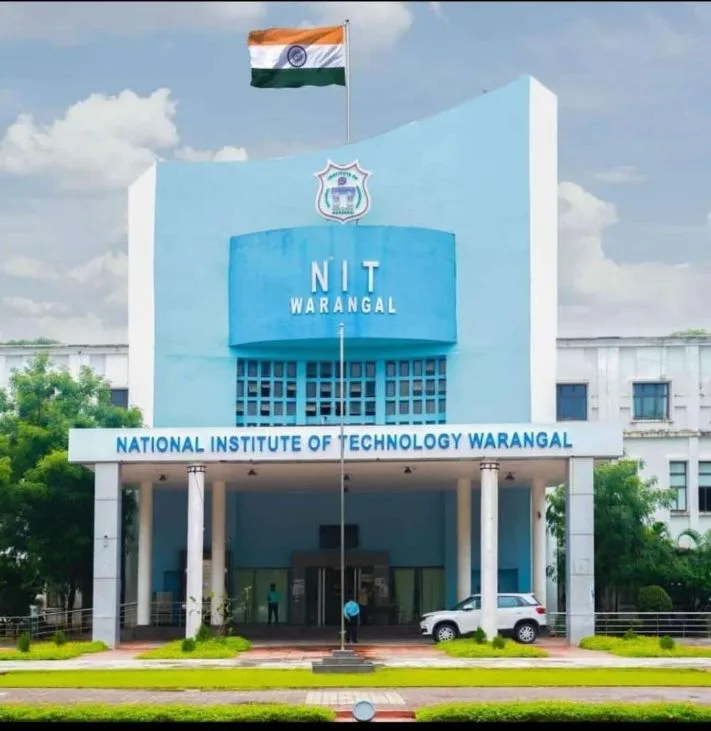

With an educational trajectory spanning 67 years since its inception in 1959, National Institute of Technology, Warangal serves as a prominent seat of learning in Warangal, Telangana. The institution is affiliated with Telangana State University and recognized by All India Council for Technical Education (AICTE), imparting rigorous programs anchored in engineering innovation, applied science, computational systems, and advanced technical research. The campus is equipped with state-of-the-art computational centers, robotics and IoT laboratories, and core engineering workshops, creating an immersive environment for scholarly development and collaborative innovation. Graduates of National Institute of Technology, Warangal emerge as competent, socially conscious professionals poised to assume impactful roles in diverse professional domains.
Total Fees
₹1.4L - ₹21.6L
Total Courses
7
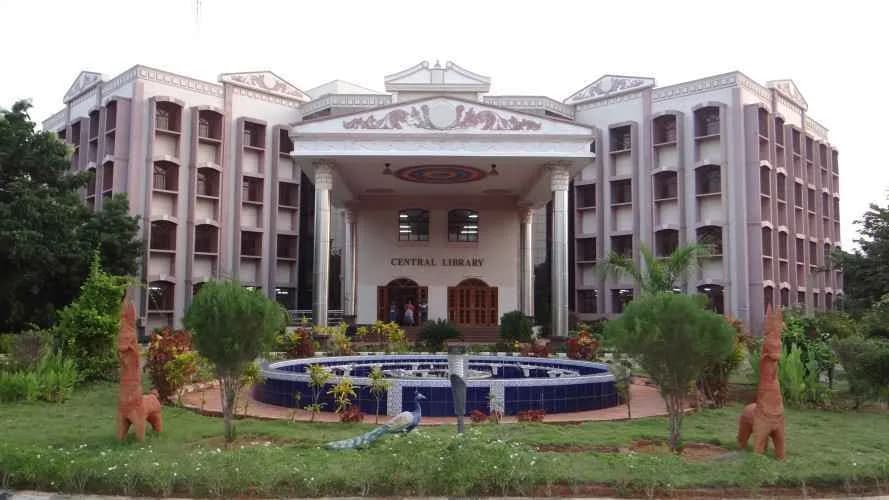

National Institute of Technology Tiruchirappalli (NIT Trichy) is one of India’s premier technical institutions and was established in 1964 as Regional Engineering College, later granted the status of an Institute of National Importance. It offers undergraduate, postgraduate, and doctoral programs in Engineering, Science, Management, and Architecture. The institute is known for academic excellence, strong industry collaborations, and excellent placement records.
Total Fees
₹2.3L - ₹8.1L
Total Courses
9
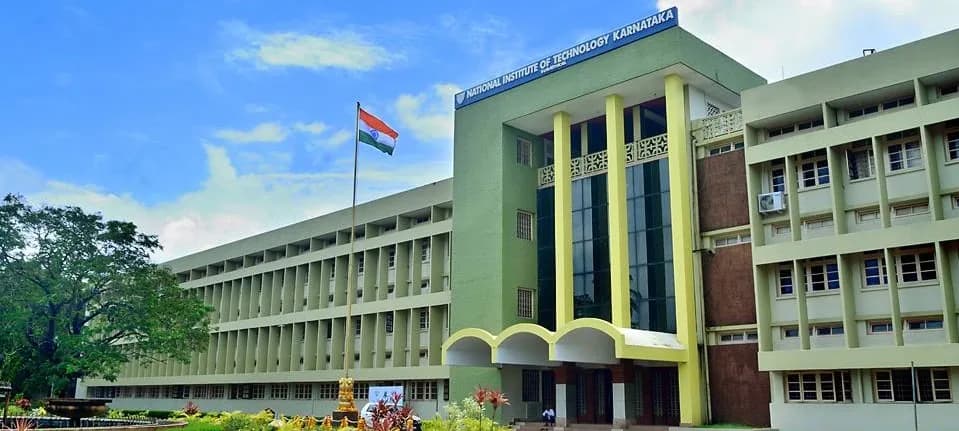
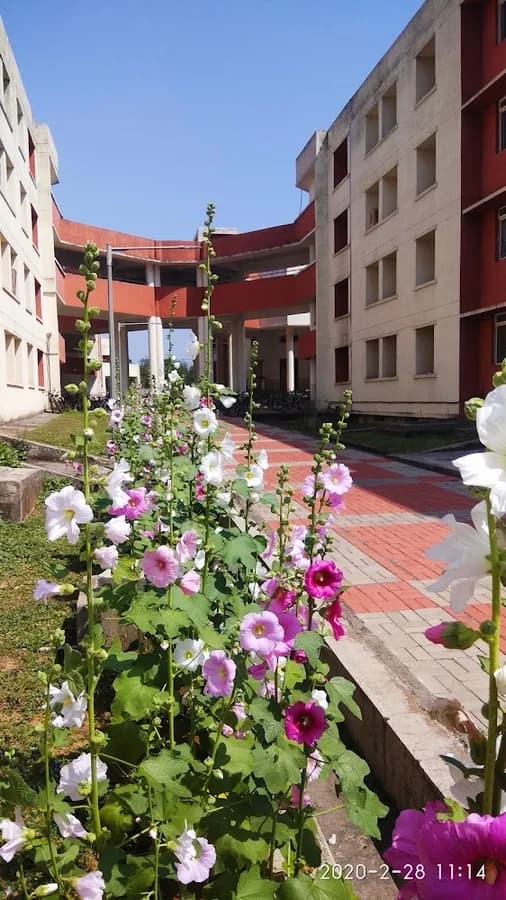
National Institute of Technology Karnataka, Surathkal (NITK) is one of the top engineering institutes in India and an Institute of National Importance. Established in 1960, it is known for its strong academic excellence, research output, and exceptional placement records. Located near the Arabian Sea, NITK offers undergraduate, postgraduate, and doctoral programs in engineering, science, and management.
Total Fees
₹89K - ₹5.7L
Total Courses
6

With an educational trajectory spanning 65 years since its inception in 1961, National Institute of Technology, Rourkela serves as a prominent seat of learning in Sundaragada, Odisha. Conforming to regulatory norms of All India Council for Technical Education (AICTE) through its affiliation with Odisha State University, the institution offers students an integrated foundation across engineering innovation, applied science, computational systems, and advanced technical research. The campus is equipped with state-of-the-art computational centers, robotics and IoT laboratories, and core engineering workshops, creating an immersive environment for scholarly development and collaborative innovation. By combining academic discipline with practical exposure, it equips emerging scholars to meet evolving demands in industry, academia, and public service.
Total Fees
₹2.3L - ₹12.4L
Total Courses
6

The National Institute of Technology Calicut (NITC) is one of the 31 institutions of national importance set up by an Act of Parliament, namely the ‘National Institute of Technology Act 2007,' and is fully funded by the Government of India. The mandate of the institute is to provide higher technical education and conduct research in the various branches of engineering, science, technology, and management. Originally established in 1961 as a Regional Engineering College (REC), it was transformed into a National Institute of Technology in 2002. The institute offers bachelor's, master's, and doctoral degree programs in engineering, science, technology, and management. With its proactive collaborations with a multitude of research organizations, academic institutions and industries, the institute has set a new style for its functioning under the NIT regime.
Total Fees
₹2.1L - ₹8.7L
Total Courses
9
Get More Info About Mastering JEE Main
Recommended Reading

MHT CET 2027: Your Definitive Guide to Important Topics & Weightage
Unlock your MHT CET 2027 success with our comprehensive guide to high-weightage topics across Physics, Chemistry, and Mathematics. Strategize your preparation effectively to secure admission into Maharashtra's premier engineering colleges.

Mastering CAT Mock Tests: Your Ultimate Guide to Top MBA Admissions
Unlock your full potential for CAT and top MBA admissions with this comprehensive guide to strategic mock test preparation. Learn to analyze performance, identify weaknesses, and refine your approach for success.
Mastering JEE Main: Your Evergreen Guide to Strategic Preparation & Past Papers
Unlock your full potential for JEE Main success. This comprehensive guide helps you strategically use past year papers, understand exam patterns, and leverage expert insights for top engineering admissions.