

Your Definitive Guide to MBA Admissions After CAT: Navigating Top B-Schools
Admission & Info Tools
Need Expert Assistance?
Our counselors can help you with fee structures, eligibility guidelines, and upcoming admission cutoffs instantly.
Direct Application Tools

Share this Article
🎯 MatchToCollege AI Recommendation: Planning your counselling or choice filling? Check your seat allotment probability across premier colleges using the CAT College Predictor.
Key Highlights & Program Overview
The CAT exam serves as the primary screening tool for admission to 22 Indian Institutes of Management (IIMs) and over 1500 other esteemed B-schools across India. Your journey doesn't end with a high CAT percentile; it's merely the beginning of a multi-faceted evaluation process. Institutions consider a holistic profile, including your sectional scores, academic background, work experience, and performance in subsequent admission rounds.
| Parameter | Details |
| Primary Entrance Exam | CAT (Common Admission Test) |
| Institutes Accepting CAT | 22 IIMs & 1500+ Non-IIM B-schools |
| Key Admission Factors | CAT Percentile (Overall & Sectional), Academic Profile, Work Experience, Diversity |
| Admission Process Stages | CAT Scorecard, Institute Shortlisting, Written Ability Test (WAT), Group Discussion (GD), Personal Interview (PI), Final Merit List |
| Official CAT Portal | iimcat.ac.in |
Eligibility Criteria & Selection Process
Understanding the nuances of eligibility and the selection process is vital. Most B-schools require a Bachelor's degree with a minimum of 50% marks (45% for reserved categories). However, the real competition begins with your CAT performance and how it aligns with institutional cutoffs.
CAT Percentile vs. CAT Score: What Matters?
Your CAT raw score is converted into a scaled score, which then determines your percentile rank. For shortlisting, colleges primarily look at your overall percentile, but individual sectional percentiles are equally critical. Many top B-schools have specific sectional cutoffs that you must meet, regardless of a high overall percentile.
Qualifying Cutoff vs. Final Admission Cutoff
- Qualifying Cutoff: This is the minimum percentile required to be considered eligible for the next stages of the admission process (WAT/GD/PI). It typically ranges from 80-85 percentile for many institutes, but can be lower for certain categories.
- Final Admission Cutoff: This is the actual percentile of the last candidate offered admission. It is almost always significantly higher than the qualifying cutoff due to intense competition and the composite score calculation.
The Composite Score Model
Post-CAT, institutes evaluate candidates based on a composite score, which includes:
- CAT Percentile: Often carries the highest weightage.
- Academic Profile: Performance in 10th, 12th, and graduation.
- Work Experience: Quality and duration of professional experience.
- Diversity Factors: Academic diversity (non-engineering backgrounds) and gender diversity often receive additional points.
- Performance in WAT/GD/PI: Your communication skills, analytical ability, and personality are assessed in these rounds.
Top Colleges & Fee Comparison
Your CAT percentile largely dictates the tier of colleges you can target. While a 99+ percentile opens doors to the most elite institutions, excellent opportunities exist across all percentile bands. Remember, these are estimated ranges, and actual cutoffs can vary year to year based on applicant pool and difficulty of the exam. We strongly recommend using our CAT College Predictor to get a personalized assessment of your chances.
| College Category / Name (Illustrative) | Estimated CAT Percentile Range & Fees (Approx.) |
| IIMs (A, B, C) & FMS Delhi | 99+ Percentile | Fees: ₹23-30 Lakhs (IIMs), ₹2-4 Lakhs (FMS) |
| IIMs (L, K, I) & XLRI, SPJIMR | 97-99 Percentile | Fees: ₹20-25 Lakhs (IIMs), ₹20-25 Lakhs (XLRI, SPJIMR) |
| New & Baby IIMs (Ranchi, Raipur, Trichy, Udaipur, etc.) | 90-97 Percentile | Fees: ₹15-18 Lakhs |
| IIT B-Schools (DMS IIT Delhi, SJMSOM IIT Bombay) | 90-97 Percentile | Fees: ₹8-12 Lakhs |
| Top Private B-Schools (MDI Gurgaon, IMT Ghaziabad, Symbiosis, Narsee Monjee) | 85-95 Percentile | Fees: ₹15-25 Lakhs |
| Other Reputable B-Schools | 80-85 Percentile | Fees: ₹10-15 Lakhs |
Note: Fees are approximate and subject to change. Always verify the latest fee structure on the official college websites.
Career Scope, Placements & Expected ROI
An MBA from a top-tier institution is a transformative investment, offering significant returns in terms of career growth, leadership opportunities, and earning potential. The placements at premier B-schools are robust, with students securing roles across diverse sectors and functions.
Key Career Opportunities
- Consulting: Management consulting, strategy consulting, IT consulting.
- Finance: Investment banking, corporate finance, private equity, wealth management.
- Marketing & Sales: Brand management, product management, digital marketing, business development.
- Operations & Supply Chain: Logistics, procurement, project management.
- Human Resources: Talent acquisition, HR strategy, organizational development.
- General Management: Leadership roles across various industries.
- Technology: Product management, business analytics, IT consulting in tech firms.
Placement Insights & Average Packages
While specific figures vary annually, top IIMs and premier non-IIMs consistently report average annual packages ranging from ₹25-35+ Lakhs. Newer IIMs and other established B-schools typically see average packages between ₹12-20 Lakhs. The Return on Investment (ROI) is not just financial; it encompasses the invaluable network, leadership skills, and strategic thinking capabilities you develop during your MBA journey.
Admissions Checklist & Important Tips
Your MBA admission journey requires meticulous planning and strategic execution. Here’s a checklist and some crucial tips to guide you:
Your Admissions Checklist:
- CAT Scorecard: Download and keep it safe.
- Academic Transcripts: 10th, 12th, and Graduation mark sheets/certificates.
- Work Experience Certificates: If applicable, ensure all documents are in order.
- Category Certificates: For reserved categories (SC/ST/OBC-NCL/EWS/PwD).
- Statement of Purpose (SOP): Craft a compelling narrative about your aspirations.
- Letters of Recommendation (LORs): Secure these from professors or supervisors.
- Application Forms: Fill out each college application accurately and thoughtfully.
Important Tips for Success:
- Research Thoroughly: Understand each B-school's specific admission criteria, specializations, and culture.
- Profile Building: Highlight your strengths, achievements, and unique experiences in your applications.
- Prepare for WAT/GD/PI: Practice current affairs, case studies, and mock interviews. Your communication and analytical skills are paramount.
- Be Authentic: Let your true personality and aspirations shine through in your essays and interviews.
- Network: Connect with alumni and current students to gain insights.
- Stay Updated: Keep an eye on application deadlines and notification dates from your target colleges.
Your MBA journey is a marathon, not a sprint. With careful preparation, strategic application, and a clear understanding of the process, you can confidently pursue your dream of a top-tier management education. The MatchToCollege team is here to support you every step of the way.
🏛️ Looking for Admissions & College Cutoffs? Explore verified fee structures, seat matrices, and real student reviews across top institutions on the MatchToCollege Top Colleges & Universities in India Directory.
Frequently Asked Questions
Q: What is the difference between CAT qualifying and final admission cutoffs?
The CAT qualifying cutoff is the minimum percentile required to be considered eligible for the subsequent selection rounds (WAT/GD/PI). The final admission cutoff, however, is the actual percentile of the last candidate who was offered a seat, which is typically much higher due to the composite score calculation and intense competition.
Q: How important are sectional percentiles in CAT admissions?
Sectional percentiles are extremely important. Many top B-schools, including IIMs, have specific minimum percentile cutoffs for each section (Verbal Ability & Reading Comprehension, Data Interpretation & Logical Reasoning, Quantitative Ability). Failing to meet even one sectional cutoff can lead to disqualification, regardless of a high overall percentile.
Q: Besides the CAT score, what other factors do B-schools consider for admission?
Beyond your CAT percentile, B-schools evaluate your complete profile. This includes your academic performance (10th, 12th, graduation scores), quality and duration of work experience, academic and gender diversity, and your performance in the Written Ability Test (WAT), Group Discussion (GD), and Personal Interview (PI) rounds. These factors are combined to form a composite score.
Q: Can I get into a good MBA college with an 85-90 CAT percentile?
Absolutely! While the older IIMs and top-tier non-IIMs might be challenging at this range, an 85-90 percentile can open doors to many excellent B-schools. This includes several newer IIMs, IIT management departments, and highly reputed private institutions like MDI Gurgaon, IMT Ghaziabad, Symbiosis institutes, and Narsee Monjee. Your academic profile and interview performance will play a crucial role here. Use our CAT College Predictor to explore your options.
Q: What is a composite score in MBA admissions?
A composite score is a weighted average calculated by B-schools to evaluate candidates holistically. It typically combines your CAT percentile, academic record (10th, 12th, graduation marks), work experience, and performance in the WAT/GD/PI rounds. Some institutes also award points for academic and gender diversity.
Q: How can I estimate my chances for top MBA colleges?
You can estimate your chances by researching the previous year's cutoffs for your target colleges and comparing them with your CAT percentile. However, for a more accurate and personalized assessment, we highly recommend using the MatchToCollege CAT College Predictor. This tool helps you gauge your admission probability into IIMs, FMS Delhi, SPJIMR, and other top B-schools based on your CAT percentile and profile.
Related Topics
Featured Mentioned Colleges
Explore institutions featured and discussed in this article
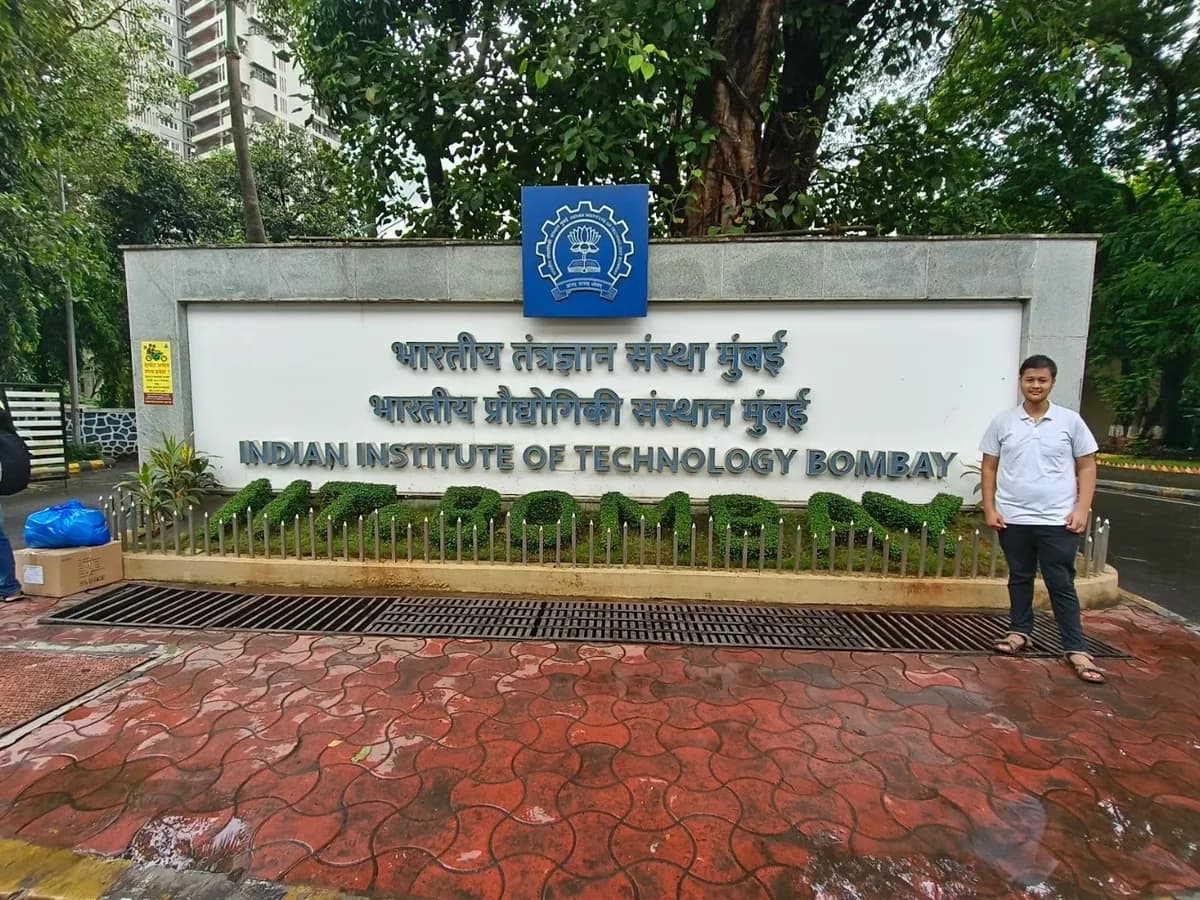

The Indian Institute of Technology Bombay (IIT Bombay or IITB) is a public research university and technical institute located in Mumbai, Maharashtra, India. Established in 1958, it is one of the 23 Indian Institutes of Technology, designated as an Institution of Eminence in 2018. IIT Bombay serves as a Centre of Excellence for India's training, research, and development in science, engineering, and technology. The institute comprises 17 academic departments, 35 additional academic centers, and three schools.
Total Fees
Contact for Fees
Total Courses
9
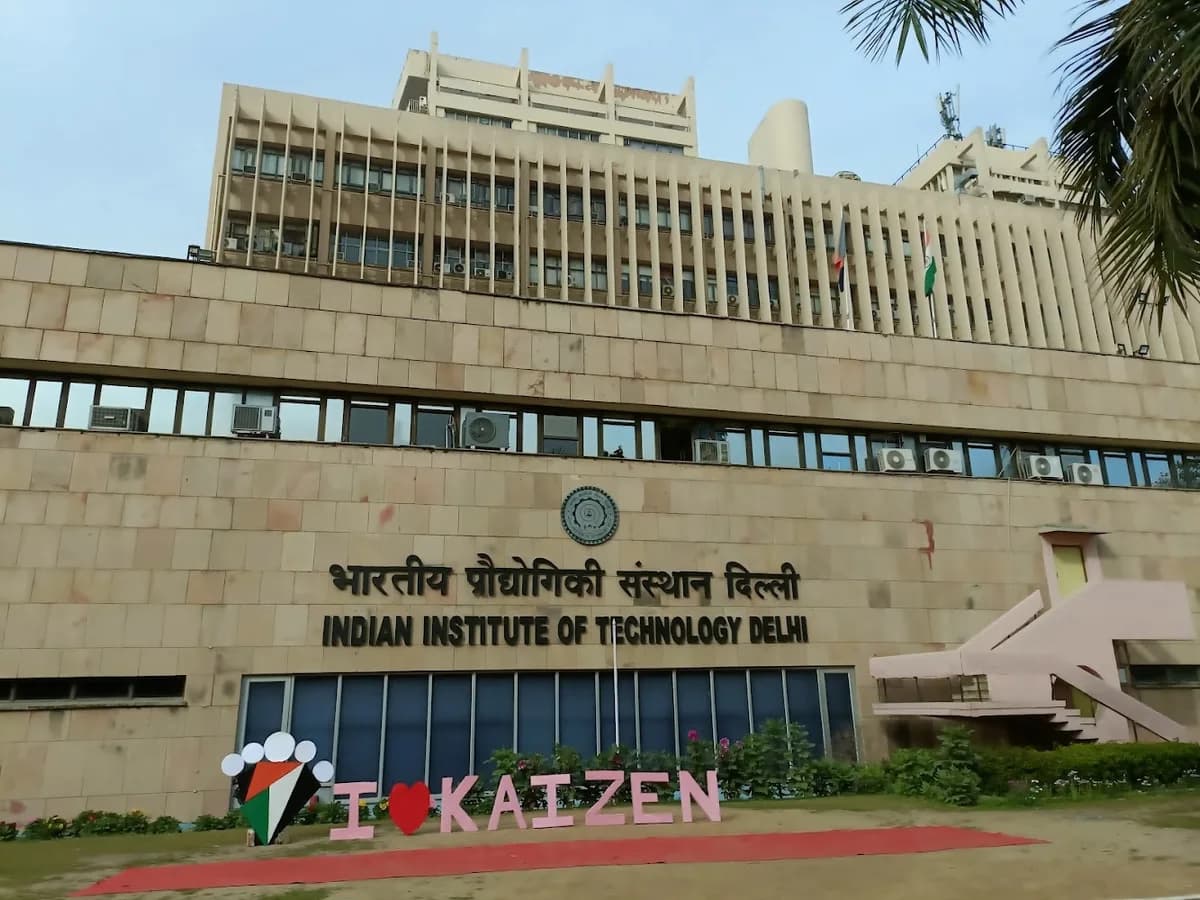
Indian Institute of Technology, Delhi, founded in 1961 in South, Delhi, is a premier academic institution dedicated to higher learning. Conforming to regulatory norms of All India Council for Technical Education (AICTE) through its affiliation with Delhi State University, the institution offers students an integrated foundation across engineering innovation, applied science, computational systems, and advanced technical research. The institution maintains robust academic resources including state-of-the-art computational centers, robotics and IoT laboratories, and core engineering workshops, fostering an active student life and practical competencies. Dedicated to holistic student empowerment, the institution prepares ethical and career-ready professionals who contribute meaningfully to societal and industrial growth.
Total Fees
Contact for Fees
Total Courses
10


With an educational trajectory spanning 11 years since its inception in 2015, FACULTY OF MANAGEMENT STUDIES serves as a prominent seat of learning in Rajkot, Gujarat. Affiliated with Marwadi University and adhering to statutory benchmarks established by All India Council for Technical Education (AICTE) / UGC, the institution delivers specialized academic curricula centered on business strategy, financial analytics, corporate governance, and entrepreneurial leadership. Students benefit from contemporary infrastructure featuring management simulation suites, modern boardroom presentation centers, and incubation hubs, designed to support hands-on learning and comprehensive intellectual growth. By combining academic discipline with practical exposure, it equips emerging scholars to meet evolving demands in industry, academia, and public service.
Total Fees
Contact for Fees
Total Courses
3
Get More Info About Your Definitive Guide to MBA Admissions After CAT
Recommended Articles

IIM Shillong MBA Curriculum: Your Comprehensive Guide to Success
Unlock the intricacies of the IIM Shillong MBA curriculum, from core foundations to specialized electives and unique experiential learning. This guide helps aspiring leaders understand how this premier program shapes future management professionals.

JEE Main 2027 Correction Window: Your Essential Guide to a Flawless Application & Confirmation Page
Navigating the JEE Main 2027 application correction window is crucial for a successful engineering journey. This comprehensive guide from MatchToCollege helps you understand the process, its importance, and how to secure your updated confirmation page, ensuring your application is perfect.
Mastering CAT Quantitative Ability: Your Definitive Guide to QA Success
Unlock your potential in the CAT Quantitative Ability section with this comprehensive guide from MatchToCollege. Learn expert strategies, key topics, and preparation tips to ace one of the most critical MBA entrance exam sections.