

Your Definitive Guide to B.Tech Admissions & Engineering Careers in India
Admission & Info Tools
Need Expert Assistance?
Our counselors can help you with fee structures, eligibility guidelines, and upcoming admission cutoffs instantly.
Direct Application Tools
Share this Article
🎯 MatchToCollege AI Recommendation: Planning your counselling or choice filling? Check your seat allotment probability across premier colleges using the CAT College Predictor.
Key Highlights & Program Overview
The Bachelor of Technology (B.Tech) is an undergraduate academic degree awarded after completion of a three to five-year program in engineering or technology. It is one of the most sought-after courses in India, attracting millions of students annually. A B.Tech degree equips students with theoretical knowledge and practical skills across various engineering disciplines, preparing them for a dynamic professional landscape.
Program Highlights
| Parameter | Details |
| Program Level | Undergraduate Degree |
| Duration | 4 Years (Full-time) |
| Eligibility | 10+2 with Physics, Chemistry, Mathematics (PCM) |
| Primary Entrance Exams | JEE Main, JEE Advanced, State CETs, Private University Exams |
| Common Specializations | Computer Science, Mechanical, Civil, Electrical, Electronics, IT, Chemical, Aerospace, Data Science, AI & ML |
| Career Prospects | Software Engineer, Data Analyst, Core Engineer, Consultant, Researcher, Entrepreneur |
Eligibility Criteria & Selection Process
Securing a seat in a reputable B.Tech program requires meeting specific academic and entrance examination criteria. Understanding these prerequisites is the first step towards a successful application.
Eligibility Criteria
- Academic Qualification: Candidates must have passed 10+2 (or equivalent examination) from a recognized board.
- Subject Combination: A mandatory combination of Physics, Chemistry, and Mathematics (PCM) in 10+2 is required for most engineering programs. Some branches might also consider Biology for specific specializations.
- Minimum Marks: Generally, a minimum aggregate of 45-50% in 10+2 (PCM subjects) is required, though top institutions often have higher expectations.
- Age Limit: While there is no upper age limit for JEE Main, some state-level exams or private universities might have specific age criteria.
Selection Process
The selection process for B.Tech programs in India is primarily entrance exam-based, followed by a centralized counseling procedure:
- Entrance Examinations:
- JEE Main: Conducted by the National Testing Agency (NTA), it is the gateway to NITs, IIITs, GFTIs, and serves as a qualifying exam for JEE Advanced.
- JEE Advanced: The exclusive entrance exam for admission to the prestigious Indian Institutes of Technology (IITs). Only top percentile scorers of JEE Main are eligible.
- State-Level CETs: Various states conduct their own Common Entrance Tests (e.g., MHT CET, KCET, EAMCET, WBJEE) for admission to state-funded and private engineering colleges within their respective states.
- Private University Exams: Many prominent private universities (e.g., VITEEE, SRMJEE, BITSAT, Manipal Entrance Test) conduct their own entrance exams.
- Counseling & Seat Allotment:
- JoSAA/CSAB: For admissions to IITs, NITs, IIITs, and GFTIs, a joint seat allocation process (JoSAA) is conducted based on JEE Advanced and JEE Main ranks. A special round (CSAB) follows for vacant seats.
- State-Level Counseling: State-specific counseling bodies manage admissions to colleges within their jurisdiction based on state CET ranks or JEE Main ranks.
- Direct Admissions/Management Quota: Some private institutions offer direct admissions or management quota seats, often with higher fees.
Top Colleges & Fee Comparison
India boasts a robust ecosystem of engineering institutions, ranging from globally recognized IITs to promising private universities. Choosing the right college is paramount for your academic and career trajectory.
Leading Engineering Institutions
- Indian Institutes of Technology (IITs): The pinnacle of engineering education in India, known for rigorous academics, cutting-edge research, and excellent placements. (e.g., IIT Bombay, IIT Delhi, IIT Madras, IIT Kanpur).
- National Institutes of Technology (NITs): Premier institutions offering quality engineering education across various states. (e.g., NIT Trichy, NIT Warangal, NIT Surathkal).
- Indian Institutes of Information Technology (IIITs): Specializing in Information Technology, Computer Science, and related fields.
- Government Funded Technical Institutes (GFTIs): Other centrally funded institutions offering diverse engineering programs.
- Top Private Universities: Many private universities have established themselves with strong academic programs, infrastructure, and industry connections. (e.g., BITS Pilani, Vellore Institute of Technology (VIT), SRM Institute of Science and Technology, Manipal Academy of Higher Education).
Estimated Annual Fees & ROI
The fee structure varies significantly across different types of institutions. Understanding the financial commitment and potential return on investment (ROI) is crucial.
| College Type/Name | Estimated Annual Fees (INR) |
| IITs | ₹2,00,000 - ₹2,50,000 |
| NITs, IIITs, GFTIs | ₹1,25,000 - ₹1,75,000 |
| Top Private Universities (e.g., BITS Pilani) | ₹4,00,000 - ₹5,50,000 |
| Other Private Universities | ₹1,50,000 - ₹3,50,000 |
| State Government Colleges | ₹50,000 - ₹1,20,000 |
(Note: These are approximate figures and can vary based on specific programs, scholarships, and policy changes.)
Return on Investment (ROI): While IITs and NITs often have lower tuition fees and higher average placements, leading to excellent ROI, many private universities also offer strong placement records, especially in sought-after specializations. Consider factors like faculty expertise, infrastructure, industry collaborations, and alumni network alongside fees and placements.
Career Scope, Placements & Expected ROI
An engineering degree from a reputable institution in India opens up a world of opportunities. The demand for skilled engineers remains consistently high across various sectors, both domestically and internationally.
Diverse Career Paths
- Software & IT: Software Developer, Data Scientist, AI/ML Engineer, Cybersecurity Analyst, Cloud Engineer.
- Core Engineering: Mechanical Engineer, Civil Engineer, Electrical Engineer, Chemical Engineer, Aerospace Engineer in manufacturing, infrastructure, energy, and R&D.
- Consulting: Technical Consultant, Management Consultant in firms advising businesses on technology and strategy.
- Research & Development: Opportunities in academic institutions, government labs, and corporate R&D centers.
- Entrepreneurship: Many engineers leverage their problem-solving skills to start their own ventures.
- Higher Studies: Pursuing M.Tech, MS, MBA, or PhD in India or abroad to specialize further or transition into management roles.
Placement Insights & Average Packages
Placements are a significant indicator of a college's industry relevance and student success. Top-tier institutions consistently attract leading companies with competitive salary packages.
- IITs & Top NITs: Average packages often range from ₹15 LPA to ₹30+ LPA, with some students securing international offers exceeding ₹50 LPA.
- Other NITs & IIITs: Average packages typically fall between ₹8 LPA and ₹15 LPA.
- Leading Private Universities: Many offer average packages from ₹6 LPA to ₹12 LPA, with top performers securing higher.
- State Government & Other Colleges: Average packages can range from ₹3.5 LPA to ₹7 LPA, depending on the specialization and individual skills.
The actual package depends heavily on the student's specialization, skills, internships, projects, and the company hiring. Continuous skill development and practical experience are key to maximizing placement potential.
Admissions Checklist & Important Tips
Navigating the competitive landscape of B.Tech admissions requires meticulous planning and strategic execution. Here’s an admissions checklist and some crucial tips from our experts:
Your Admissions Checklist
- Research Thoroughly: Understand different engineering branches, their scope, and the colleges offering them. Align your interests with potential specializations.
- Understand Eligibility: Confirm you meet the academic criteria for your target exams and institutions.
- Identify Target Exams: Decide which entrance exams (JEE Main, JEE Advanced, State CETs, Private University exams) you will appear for.
- Gather Documents: Keep all academic certificates (10th, 12th mark sheets), identity proofs, and reservation certificates ready.
- Application Deadlines: Mark all important application and examination dates on your calendar.
- Counseling Participation: Be prepared for the online counseling process (JoSAA, CSAB, state-level) and understand the seat allotment rules.
Important Tips for Success
- Start Early: Begin your preparation for entrance exams well in advance, ideally from Class 11. Consistent effort yields the best results.
- Master Fundamentals: A strong grasp of Physics, Chemistry, and Mathematics concepts is non-negotiable. Focus on understanding rather than rote learning.
- Practice Regularly: Solve previous year's papers, mock tests, and sample questions to understand exam patterns, time management, and identify weak areas.
- Seek Guidance: Don't hesitate to consult teachers, mentors, or coaching institutes for clarification and strategic advice.
- Stay Updated: Keep track of official notifications, syllabus changes, and counseling schedules on respective examination and admission portals.
- Balance Board & Entrance Prep: While entrance exams are crucial, maintaining good scores in your 12th board exams is also important for eligibility and overall profile.
- Utilize Predictive Tools: To gain a clearer perspective on your admission chances, especially for competitive programs, leveraging predictive tools can be invaluable. While our CAT College Predictor is specifically designed for MBA aspirants, it exemplifies how MatchToCollege empowers students to assess their profiles against institutional cutoffs, helping you strategize effectively for any higher education pursuit.
- Maintain Well-being: The admission journey can be stressful. Ensure you get adequate rest, maintain a healthy diet, and engage in stress-relieving activities.
🏛️ Looking for Admissions & College Cutoffs? Explore verified fee structures, seat matrices, and real student reviews across top institutions on the MatchToCollege Accredited Online & Distance Colleges Directory.
Frequently Asked Questions
Q: What is the minimum eligibility for B.Tech programs in India?
To be eligible for most B.Tech programs in India, candidates must have passed their 10+2 (or equivalent) examination from a recognized board with Physics, Chemistry, and Mathematics (PCM) as compulsory subjects. A minimum aggregate score, typically ranging from 45% to 50% in the PCM subjects, is generally required, though this can vary by institution and specific program.
Q: Which are the primary entrance exams for engineering admissions?
The primary entrance exams for B.Tech admissions in India are JEE Main (for NITs, IIITs, GFTIs, and as a qualifier for JEE Advanced) and JEE Advanced (for IITs). Additionally, many states conduct their own Common Entrance Tests (CETs) like MHT CET, KCET, EAMCET, and private universities have their specific entrance exams such as VITEEE, SRMJEE, and BITSAT.
Q: How important are board exam marks for B.Tech admissions?
Board exam marks are crucial for B.Tech admissions. While entrance exam scores determine your rank for competitive institutions like IITs and NITs, a minimum percentage in your 10+2 board exams (usually 75% for IITs/NITs or top 20 percentile of your board) is often a mandatory eligibility criterion. For state-level and private colleges, board marks can also play a role in merit lists or tie-breaking situations.
Q: What are some popular engineering specializations?
Some of the most popular engineering specializations in India include Computer Science Engineering (CSE), Mechanical Engineering, Civil Engineering, Electrical Engineering, Electronics & Communication Engineering (ECE), Information Technology (IT), Chemical Engineering, and newer fields like Data Science, Artificial Intelligence & Machine Learning (AI & ML), and Aerospace Engineering. The choice often depends on student interest, industry demand, and career prospects.
Q: How can I prepare effectively for JEE Main and JEE Advanced?
Effective preparation for JEE Main and JEE Advanced involves starting early (ideally from Class 11), building a strong foundation in Physics, Chemistry, and Mathematics, and consistent practice. Focus on understanding concepts deeply, solving a wide variety of problems, regularly taking mock tests to improve time management, and analyzing your performance to identify and work on weak areas. Seeking guidance from experienced mentors can also be highly beneficial.
Q: What is the role of counseling in B.Tech admissions?
Counseling is a critical stage in B.Tech admissions where eligible candidates are allotted seats in various colleges based on their entrance exam ranks and preferences. For IITs, NITs, IIITs, and GFTIs, the Joint Seat Allocation Authority (JoSAA) conducts centralized counseling. State-level counseling bodies manage admissions for colleges within their respective states. During counseling, students fill choices of colleges and branches, and seats are allotted based on merit, category, and availability.
Related Topics
Featured Mentioned Colleges
Explore institutions featured and discussed in this article
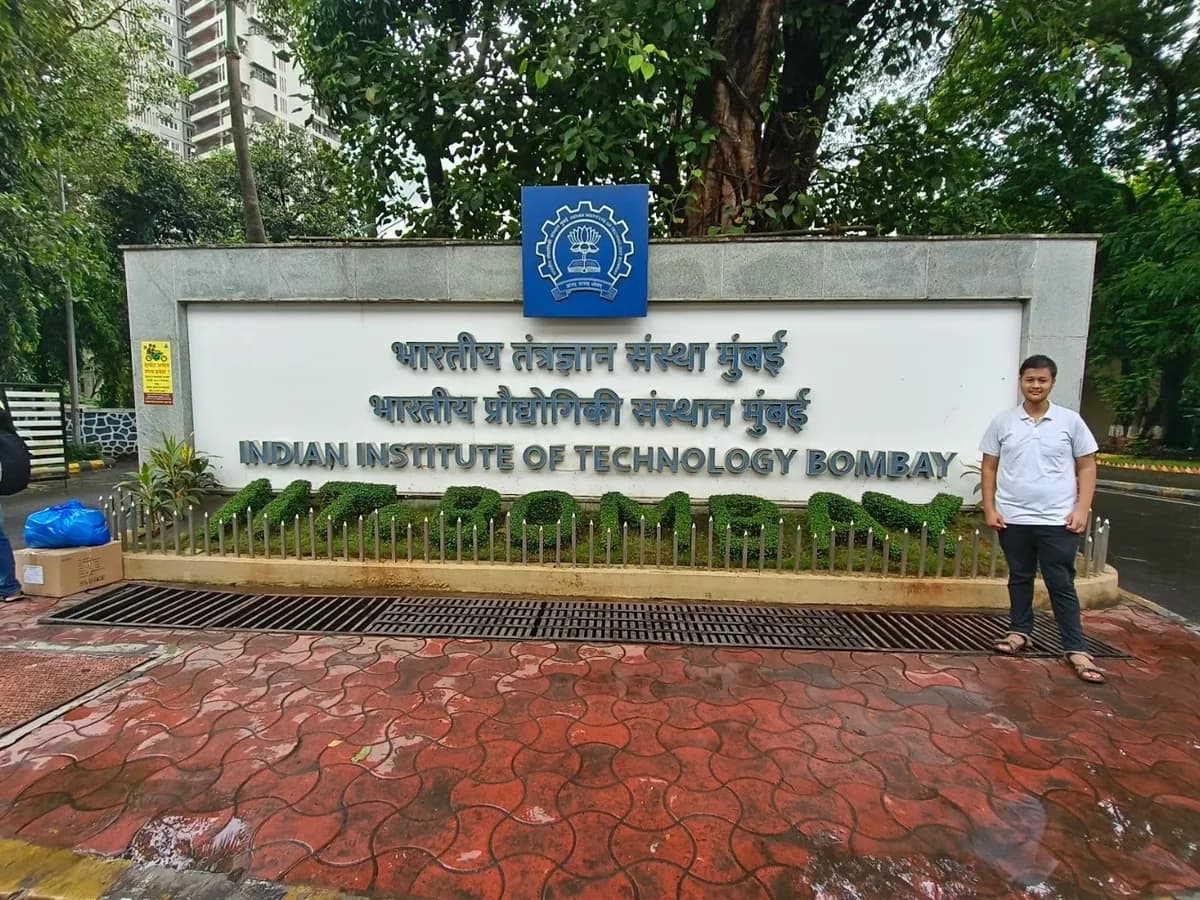

The Indian Institute of Technology Bombay (IIT Bombay or IITB) is a public research university and technical institute located in Mumbai, Maharashtra, India. Established in 1958, it is one of the 23 Indian Institutes of Technology, designated as an Institution of Eminence in 2018. IIT Bombay serves as a Centre of Excellence for India's training, research, and development in science, engineering, and technology. The institute comprises 17 academic departments, 35 additional academic centers, and three schools.
Total Fees
Contact for Fees
Total Courses
9
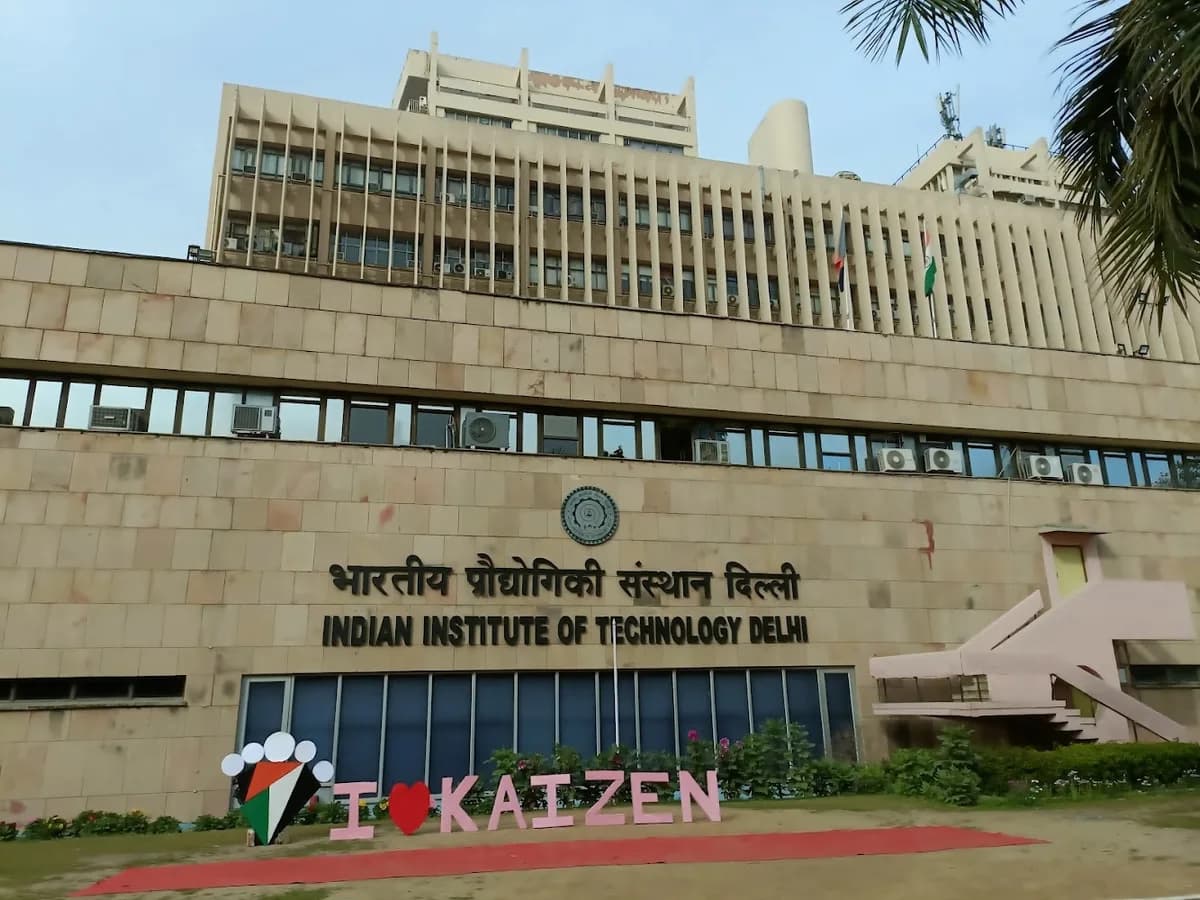
Indian Institute of Technology, Delhi, founded in 1961 in South, Delhi, is a premier academic institution dedicated to higher learning. Conforming to regulatory norms of All India Council for Technical Education (AICTE) through its affiliation with Delhi State University, the institution offers students an integrated foundation across engineering innovation, applied science, computational systems, and advanced technical research. The institution maintains robust academic resources including state-of-the-art computational centers, robotics and IoT laboratories, and core engineering workshops, fostering an active student life and practical competencies. Dedicated to holistic student empowerment, the institution prepares ethical and career-ready professionals who contribute meaningfully to societal and industrial growth.
Total Fees
Contact for Fees
Total Courses
10

Indian Institute of Technology, Madras is a renowned institution of higher learning in Chennai, Tamil Nadu. Equipped with modern research infrastructure, accredited academic schools, and extensive placement partnerships, it prepares students for impactful leadership across global industries.
Total Fees
Contact for Fees
Total Courses
7
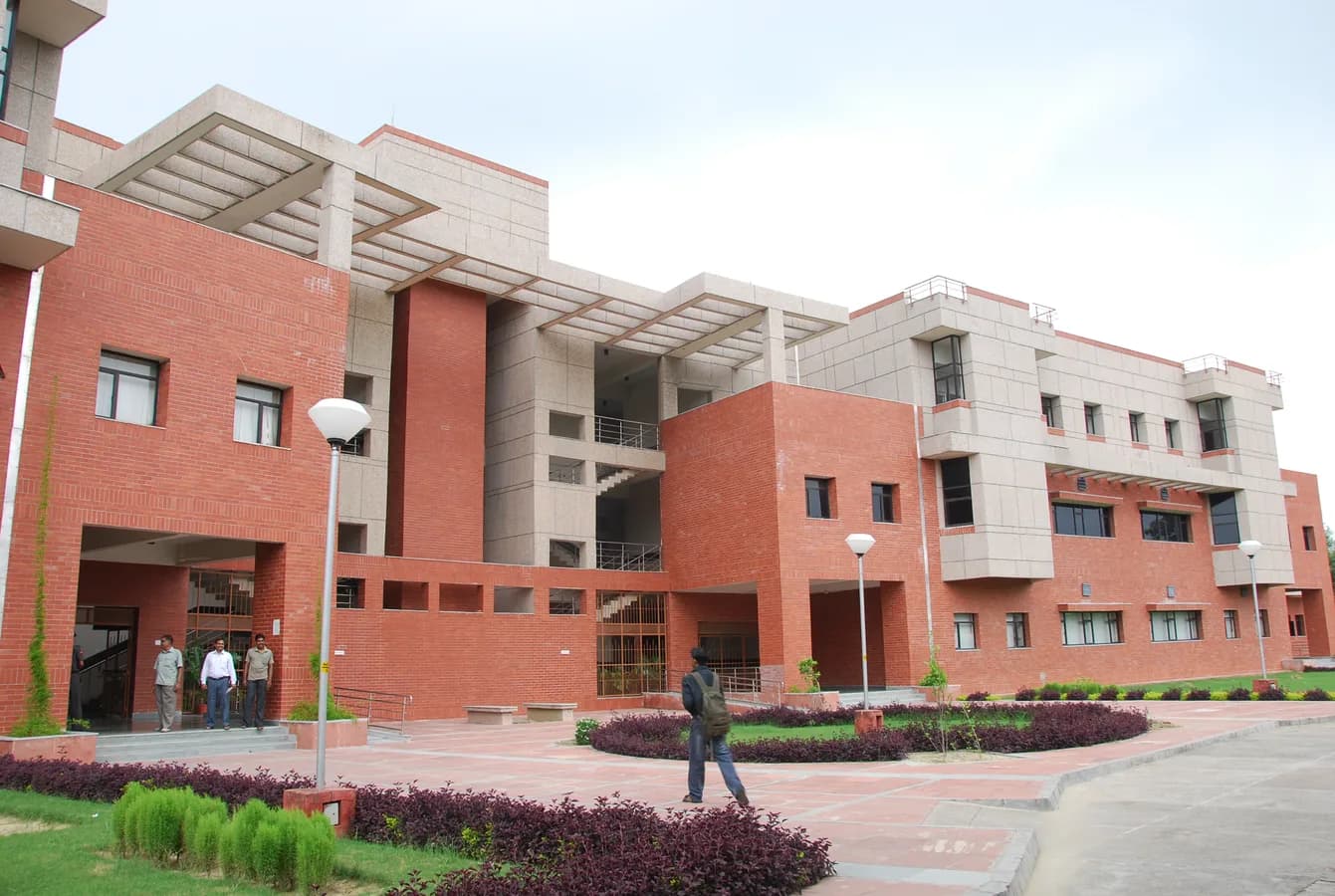
Indian Institute of Technology Kanpur (IITK) is one of the premier engineering institutions in India and was established in 1959 as one of the first IITs. It is recognized as an Institute of National Importance and is known for its excellence in engineering, science, management, and research. IIT Kanpur has consistently ranked among the top technical institutions in India and is known for its strong research culture, innovation, and global collaborations.
Total Fees
Contact for Fees
Total Courses
10
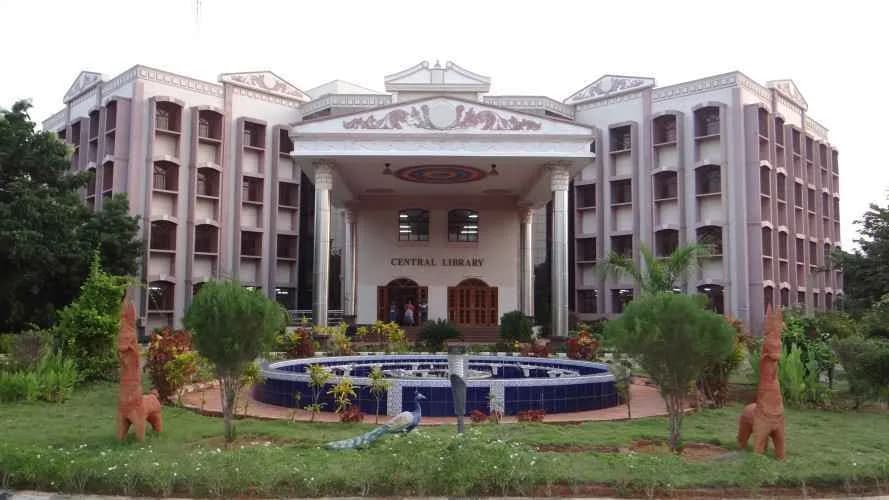

National Institute of Technology Tiruchirappalli (NIT Trichy) is one of India’s premier technical institutions and was established in 1964 as Regional Engineering College, later granted the status of an Institute of National Importance. It offers undergraduate, postgraduate, and doctoral programs in Engineering, Science, Management, and Architecture. The institute is known for academic excellence, strong industry collaborations, and excellent placement records.
Total Fees
Contact for Fees
Total Courses
9
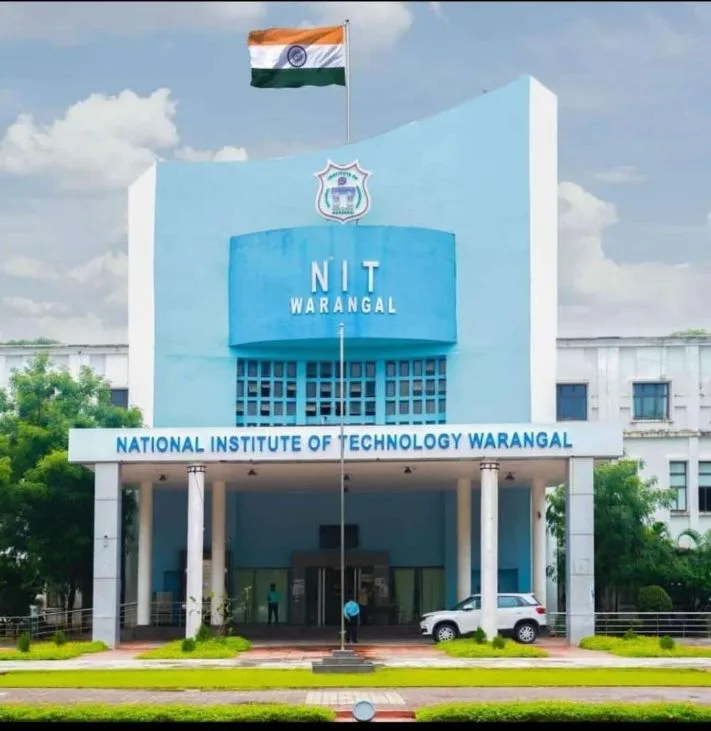

With an educational trajectory spanning 67 years since its inception in 1959, National Institute of Technology, Warangal serves as a prominent seat of learning in Warangal, Telangana. The institution is affiliated with Telangana State University and recognized by All India Council for Technical Education (AICTE), imparting rigorous programs anchored in engineering innovation, applied science, computational systems, and advanced technical research. The campus is equipped with state-of-the-art computational centers, robotics and IoT laboratories, and core engineering workshops, creating an immersive environment for scholarly development and collaborative innovation. Graduates of National Institute of Technology, Warangal emerge as competent, socially conscious professionals poised to assume impactful roles in diverse professional domains.
Total Fees
Contact for Fees
Total Courses
7
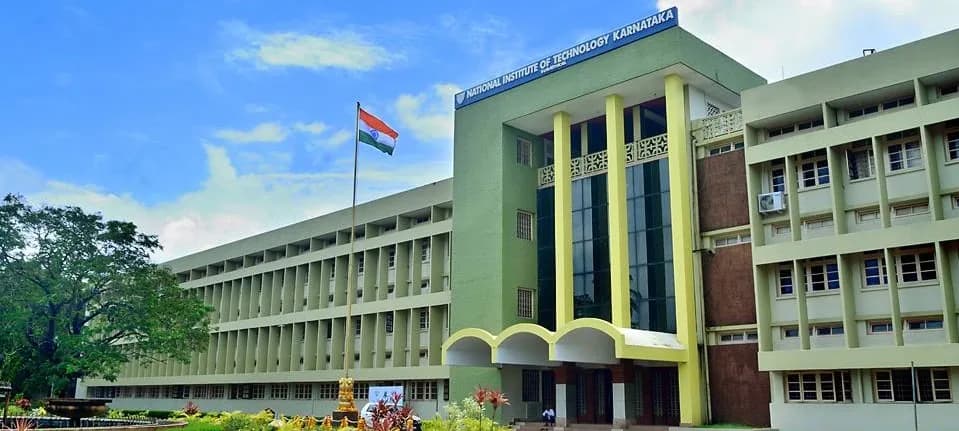
National Institute of Technology Karnataka, Surathkal (NITK) is one of the top engineering institutes in India and an Institute of National Importance. Established in 1960, it is known for its strong academic excellence, research output, and exceptional placement records. Located near the Arabian Sea, NITK offers undergraduate, postgraduate, and doctoral programs in engineering, science, and management.
Total Fees
Contact for Fees
Total Courses
6
Get More Info About Your Definitive Guide to B.Tech Admissions & Engineering Careers in India
Recommended Articles
Unlocking IIIT Admissions: Your Comprehensive Guide to 95+ Percentile in JEE Main
Achieving a 95+ percentile in JEE Main opens doors to numerous IIITs. This guide offers strategic insights into expected ranks, accessible branches, and effective counselling strategies to secure your dream engineering seat.
JEE Main 2027: The Definitive Guide to Registration, Dates & Application
Navigate JEE Main 2027 registration with this comprehensive guide from MatchToCollege. Learn about key dates, eligibility, and the step-by-step application process to secure your engineering future.
IIM Admission with Low Class 10/12 Marks: Your Definitive Guide
Worried about your IIM dream due to past academic scores? This guide from MatchToCollege demystifies how top IIMs evaluate Class 10 and 12 marks, offering a clear roadmap to success. Discover actionable strategies to strengthen your profile and secure your spot.