

Wrong UG Course? Pivot, Thrive & Redefine Your Path
Admission & Info Tools
Need Expert Assistance?
Our counselors can help you with fee structures, eligibility guidelines, and upcoming admission cutoffs instantly.
Direct Application Tools

Wrong UG course? Try redirecting.
Many students believe that choosing a UG course is a one-time decision that decides their entire future. However, the reality is different. Choosing engineering, medicine, arts, business, or any other field at a young age can sometimes feel like the wrong choice due to changing interests, expectations, or a lack of awareness.
If you feel disconnected from your current course, remember that you are not alone, and it is not the end of your career journey. Many students discover their true interests later and successfully change their academic or career direction.
Signs You May Need to Reconsider Your Course
| Signs | What It May Indicate |
| Lack of interest in subjects | Your current field may not match your interests. |
| Constant stress or frustration | The course may not align with your strengths or learning style. |
| Feeling disconnected from career goals | Your chosen path may not support your future aspirations. |
| No motivation to learn or grow | You may need to explore alternative options. |
What You Can Do Next
| Step | Action |
| Understand Yourself | Identify your interests, strengths, values, and career goals. |
| Explore Alternatives | Research other courses, careers, and skill-based opportunities. |
| Talk to Experts | Seek guidance from mentors, counselors, and professionals. |
| Develop New Skills | Learn skills related to your desired career through courses, projects, and internships. |
| Consider a Career Pivot | Explore options like changing majors, pursuing certifications, or choosing a different path after graduation. |
Remember: Your Career Is Flexible
- Your UG course does not define your entire professional life.
- Many professionals work in fields different from their original degree.
- Transferable skills like communication, problem-solving, and adaptability open new opportunities.
- Continuous learning allows you to build a career aligned with your goals.
How MatchToCollege Helps
| Feature | How It Supports Students |
| AI-Based Career Assessment | Helps identify suitable career paths based on interests and strengths. |
| Course & Program Guidance | Suggests education options that match your goals. |
| Career Roadmaps | Provides step-by-step guidance for academic and professional growth. |
| Personalized Support | Helps students make informed decisions about changing or continuing their path. |
Choosing the wrong UG course does not mean your future is limited. Education is a journey, and changes are a natural part of growth. By understanding yourself, exploring options, and making informed decisions, you can create a career path that matches your skills, interests, and aspirations. With the right guidance, it is never too late to redirect your journey toward success.
Recognizing the Signs: Is This Really the "Wrong" Course?
Before deciding to change your course, it is important to understand why you feel disconnected. Sometimes, students experience temporary stress or difficulty, while in other cases, the course may genuinely not match their interests, strengths, or career goals.
Common Signs of a Course Mismatch
| Sign | What It Means |
| Lack of Interest | You consistently feel bored with classes, assignments, and subjects, even when others find them engaging. |
| Academic Struggles Despite Effort | You work hard but find concepts difficult to understand or struggle to perform well. |
| Interest in Other Fields | You feel more excited about other subjects, electives, or different career areas. |
| Feeling Unfulfilled or Drained | Your studies create constant stress and reduce your motivation or energy. |
| No Clear Career Connection | You cannot imagine a future career related to your current degree. |
| Constant Doubts | You frequently question whether the course is truly suitable for you. |
Before Changing Your Course, Ask Yourself:
- Is this just a temporary challenge or a long-term mismatch?
- Do I dislike the subject, or am I struggling with the learning method?
- Does this course match my interests, skills, and career goals?
- What alternative paths would better suit me?
Recommended Steps
| Step | Action |
| Self-Reflection | Understand your interests, strengths, and long-term goals. |
| Talk to Mentors | Discuss your concerns with professors, career counselors, or experienced professionals. |
| Explore Alternatives | Research other courses, careers, and skill-based options. |
| Make an Informed Decision | Consider all factors before changing your academic path. |
Feeling uncertain about your UG course is common, but decisions should be based on careful reflection rather than temporary frustration. Identifying the real reason behind your doubts can help you choose a path that better matches your interests, abilities, and future goals.
Navigating Your Current Institution: Steps You Can Take Now
If you've identified that your current course isn't the right fit, don't despair! There are several proactive steps you can take within your existing institution to explore alternatives and potentially pivot your academic focus. These options often provide a less disruptive path than completely restarting.
| Action | How It Helps |
| Consult Academic Advisors | Learn about major change policies, course requirements, credit transfers, and how a change may affect your graduation timeline. |
| Explore Electives and Minors | Try subjects from other fields and add a minor to explore new interests without completely leaving your current degree. |
| Seek Career Counselling | Understand your strengths, interests, and values; explore career options; and decide whether a course change is needed. |
| Talk to Professors and Students | Gain practical insights about different fields, coursework, career opportunities, and student experiences. |
| Attend Workshops and Information Sessions | Learn about different majors, career paths, academic options, and connect with other students and professionals. |
Taking these internal steps can help you make a more informed decision about whether a subtle adjustment or a more significant change is required. Remember, your institution wants to see you succeed, and they have resources to help you find your footing.
Beyond Your Current Path: Exploring Broader Horizons
Sometimes, the solution lies beyond your current program or even institution. If internal changes don't offer the desired alignment, don't be afraid to consider broader horizons. This requires courage and careful planning, but it can open doors to a more fulfilling academic and professional life.
| Option | How It Helps |
| Consider a University Transfer | Allows you to move to an institution that offers your desired program. Research universities, check transfer credit policies, and prepare a strong application. |
| Take a Gap Year or Semester Break | Provides time for self-reflection, work experience, volunteering, or exploration to better understand your interests before making a decision. |
| Online Courses and Certifications | Helps you explore new fields, gain skills, and validate career interests through platforms like online learning programs without immediately pursuing a new degree. |
| Leverage Expert Guidance | Career platforms and counselors can provide personalized advice on suitable courses, universities, and career paths based on your interests, skills, and goals. |
| Explore Vocational Training or Apprenticeships | Offers practical, hands-on learning and direct career opportunities in skilled trades and specialized industries. |
No matter which path you choose, remember that choosing the "wrong" UG course is a learning experience, not a failure. It's an opportunity to redirect your efforts towards a future that genuinely excites and motivates you. Embrace the journey of discovery and empower yourself with the right information and support.
Share this Article
FAQFrequently Asked Questions
Q: Can I change my major after the first year of my undergraduate course?
Yes, it is often possible to change your major after your first year, or even later. Most universities have a process for internal transfers between departments. It's best to consult with your academic advisor as soon as possible to understand the specific requirements, potential impact on your graduation timeline, and any prerequisite courses you might need to take.
Q: Will changing my undergraduate course affect my graduation timeline?
Changing your course can potentially affect your graduation timeline, depending on when you make the change and how different your new major's requirements are from your current one. If many of your existing credits can transfer to the new program, the impact might be minimal. However, if a significant number of new courses are required, you may need an extra semester or year to complete your degree. Academic advisors can help you plan the most efficient path.
Get More Info About Wrong UG Course? Pivot, Thrive & Redefine Your Path
Recommended Reading

Best Online MBA Specializations for High-Paying Careers 2026
Discover the most lucrative online MBA specializations for 2026-27. Compare ROI, career growth, and use our AI tools to find your perfect management path.

Top Career Opportunities After an Online MBA in 2026-27
Discover high-paying career paths and roles after an online MBA in 2026-27. Explore salary trends, ROI, and tools to navigate your future professional success.
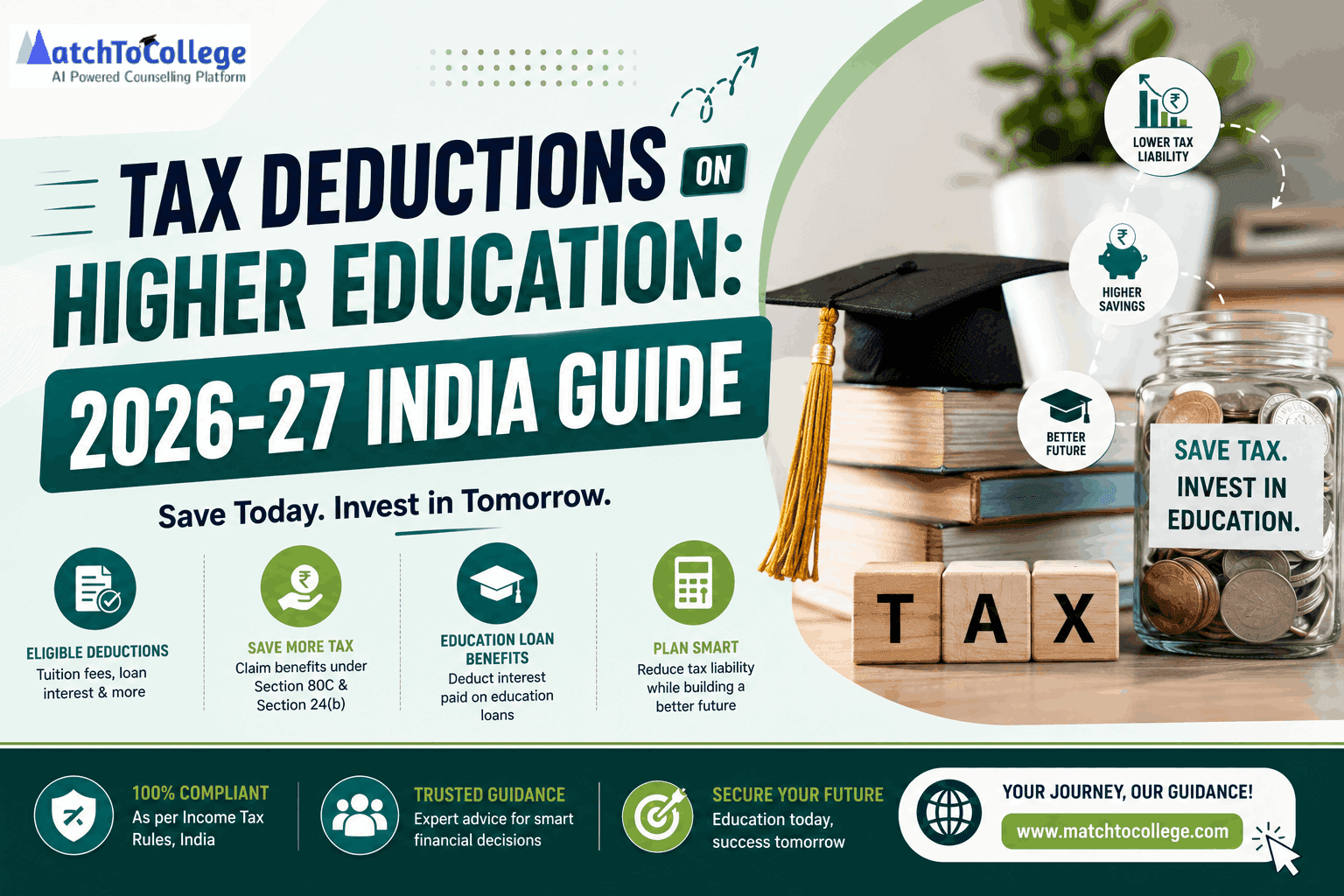
Tax Deductions on Higher Education: 2026-27 India Guide
Maximize your savings with our guide on tax deductions for higher education fees in India for FY 2026-27. Learn about Section 80C, 80E, and upskilling benefits.