

The True Value of Higher Education: Skills, Knowledge, Jobs
Admission & Info Tools
Need Expert Assistance?
Our counselors can help you with fee structures, eligibility guidelines, and upcoming admission cutoffs instantly.
Direct Application Tools
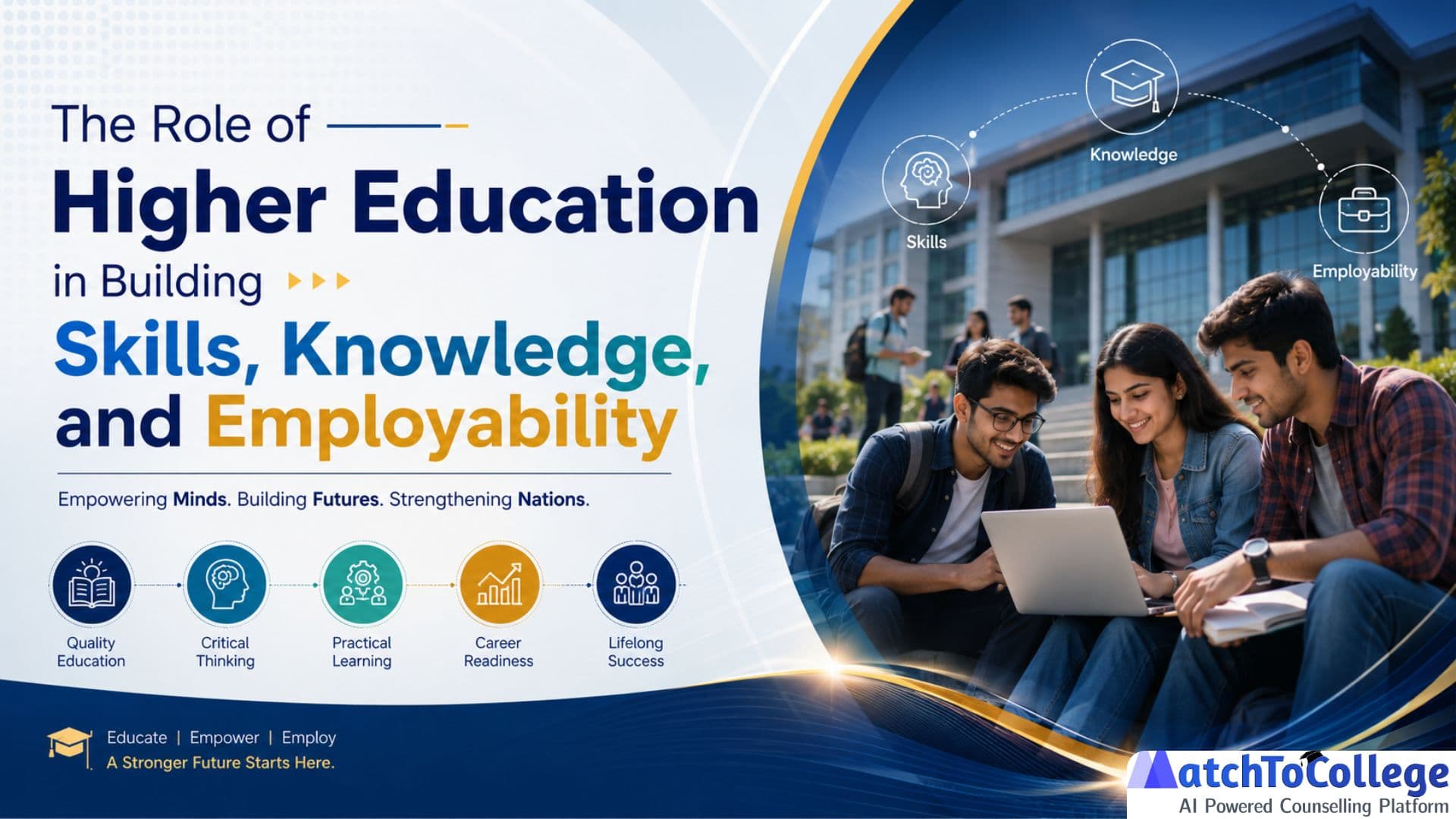
The role of higher education
In today’s fast-changing world, higher education is much more than just a degree or certificate. It is a transformative journey that helps students build essential skills, gain specialized knowledge, and improve their career opportunities.
Universities provide more than classroom learning. They encourage curiosity, critical thinking, problem-solving, teamwork, communication, and innovation. These experiences help students become adaptable and confident professionals ready to face future challenges.
The True Value of Higher Education
| Key Area | How Higher Education Helps |
| Skill Development | Builds critical thinking, communication, leadership, and problem-solving abilities |
| Knowledge & Expertise | Provides in-depth understanding of subjects and encourages innovation |
| Practical Exposure | Offers research, projects, internships, and real-world learning opportunities |
| Career Growth | Improves employability and prepares students for competitive job markets |
| Personal Development | Develops confidence, adaptability, and professional maturity |
Choosing the right college and program is an important decision for students and parents. The value of education depends not only on the curriculum but also on teaching methods, research opportunities, industry exposure, and peer learning.
Higher education acts as a foundation for lifelong growth and career success.
With MatchToCollege’s AI-powered guidance, students can discover programs that match their goals and help unlock their future potential.
Beyond the Classroom: Cultivating Essential Skills for Tomorrow's Workforce
Higher education prepares students for the demands of the modern job market by developing both technical knowledge and essential soft skills. Universities go beyond textbooks by creating opportunities for students to think critically, solve problems, communicate effectively, and work with others.
Skills Developed Through Higher Education
| Skill | How Students Develop It |
| Critical Thinking | Analyze information, evaluate ideas, and make informed decisions |
| Problem-Solving | Work on assignments, case studies, and real-world challenges |
| Communication | Improve writing, presentations, and discussion skills |
| Teamwork | Learn collaboration, conflict management, and working with diverse teams |
| Adaptability & Resilience | Build confidence to handle changes and continue learning |
These skills are practical and valuable across all industries, including engineering, healthcare, business, and creative fields. Higher education helps students become flexible, capable, and career-ready professionals.
The Knowledge Economy: Deepening Understanding and Specialization
Higher education helps students gain deep and specialized knowledge in their chosen fields while encouraging innovation and advanced learning. Universities provide access to expert faculty, research facilities, and valuable academic resources that help students move beyond basic concepts and develop expertise.
Role of Higher Education in Building Knowledge
| Area | Student Benefit |
| Specialized Learning | Gain in-depth knowledge and expertise in specific subjects |
| Research Opportunities | Work with advanced resources to explore new ideas and discoveries |
| Expert Guidance | Learn from experienced faculty and industry professionals |
| Interdisciplinary Learning | Connect different fields to develop broader perspectives |
| Innovation & Leadership | Prepare to solve complex problems and contribute to future developments |
By combining specialized knowledge with interdisciplinary thinking, higher education helps students become innovators, researchers, and future leaders who can create meaningful impact across industries.
Higher Education as a Launchpad for Employability and Career Growth
Higher education plays a major role in improving employability and shaping long-term career growth. Universities connect students with real-world opportunities through career services, internships, placements, and industry exposure, helping them gain practical experience before graduation.
How Higher Education Supports Career Success
| Area | Benefit |
| Career Opportunities | Provides internships, placements, and professional exposure |
| Industry Readiness | Builds practical skills and workplace experience |
| Alumni Network | Offers mentorship, career guidance, and industry connections |
| Employer Value | A degree reflects discipline, knowledge, and commitment |
| Long-Term Growth | Supports better career progression, job satisfaction, and stability |
A strong higher education background can lead to better job opportunities, faster career growth, and the ability to adapt to changing job markets.
MatchToCollege’s AI-powered platform helps students find programs and universities that match their interests, skills, and career goals for a successful future.
Share this Article
FAQFrequently Asked Questions
Q: Is higher education still a worthwhile investment in today's job market?
Absolutely. While the landscape is changing, higher education continues to offer significant returns on investment. It equips individuals with critical thinking, problem-solving, and adaptability skills, alongside specialized knowledge, which are highly valued by employers. Graduates often experience higher earning potential, lower unemployment rates, and greater career mobility throughout their lives. Beyond financial gains, it fosters personal growth, expands worldviews, and builds valuable professional networks.
Q: How does higher education specifically prepare students for real-world job market demands?
Higher education prepares students through a multi-faceted approach. Firstly, it develops essential soft skills like critical thinking, communication, and collaboration. Secondly, it provides deep, specialized knowledge in specific fields, often incorporating practical applications, internships, and research opportunities. Thirdly, universities offer robust career services, networking events, and access to alumni networks, directly connecting students with industry professionals and job opportunities. Many programs are also designed with industry input to ensure curriculum relevance.
Get More Info About The True Value of Higher Education
Recommended Reading
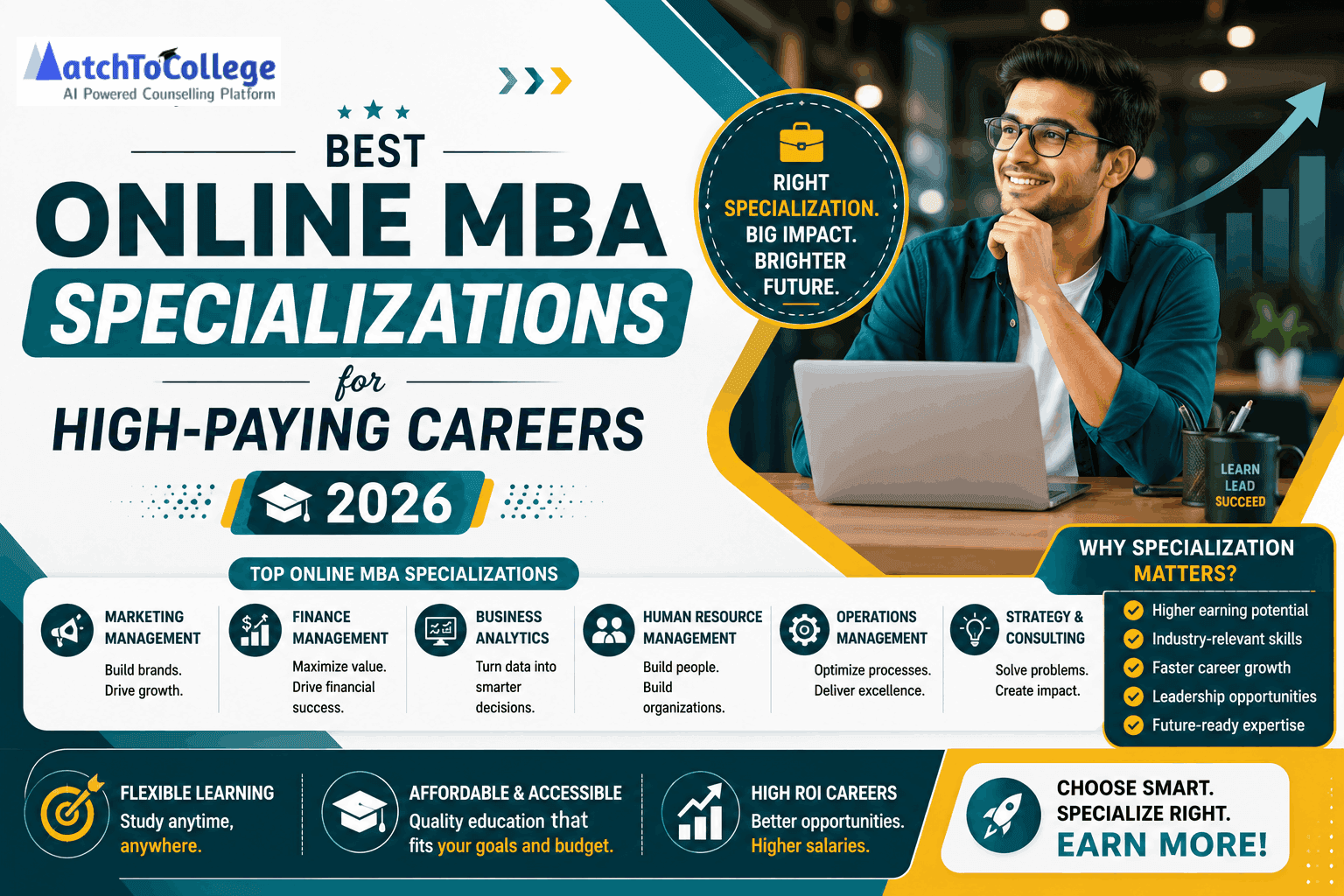
Best Online MBA Specializations for High-Paying Careers 2026
Discover the most lucrative online MBA specializations for 2026-27. Compare ROI, career growth, and use our AI tools to find your perfect management path.
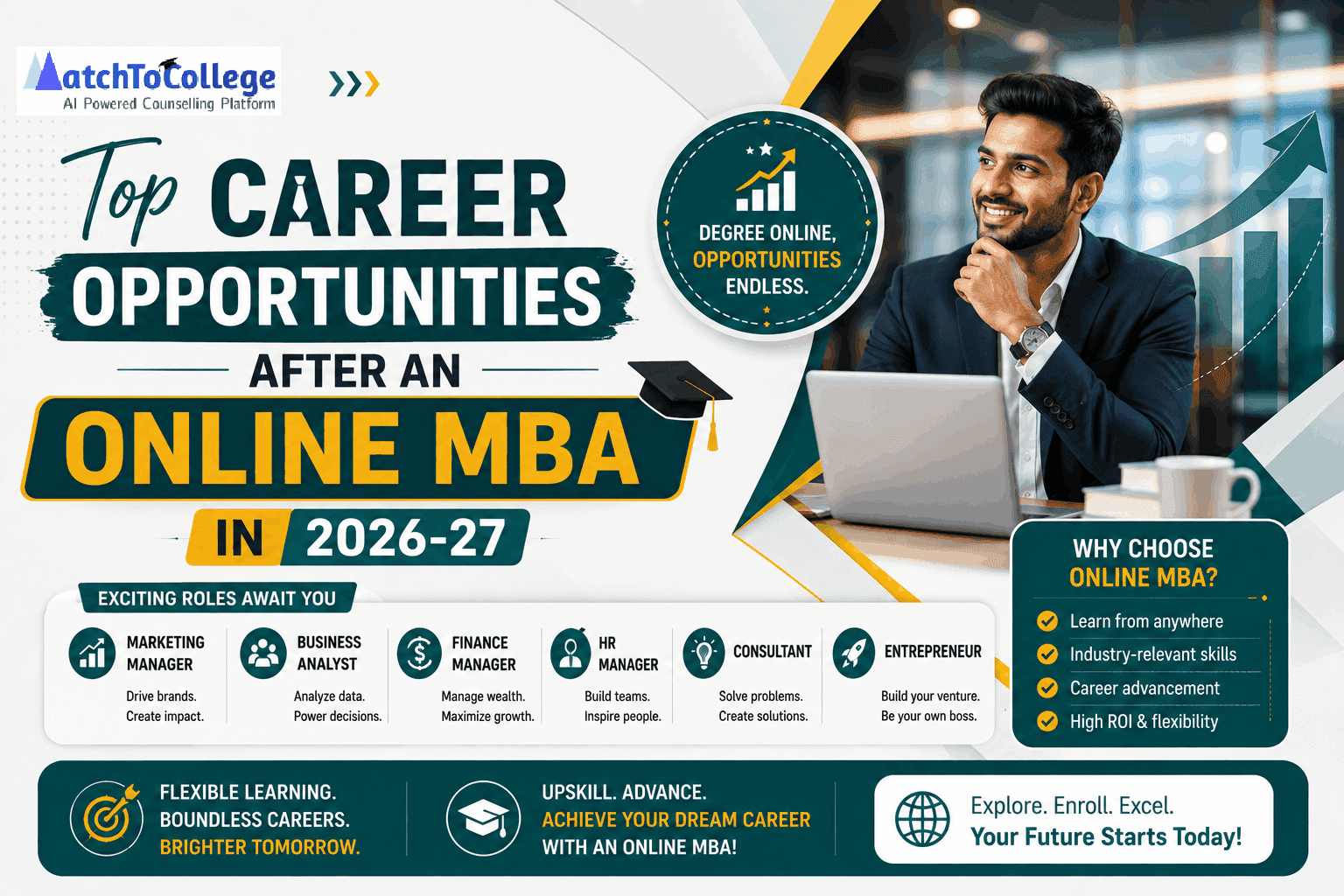
Top Career Opportunities After an Online MBA in 2026-27
Discover high-paying career paths and roles after an online MBA in 2026-27. Explore salary trends, ROI, and tools to navigate your future professional success.
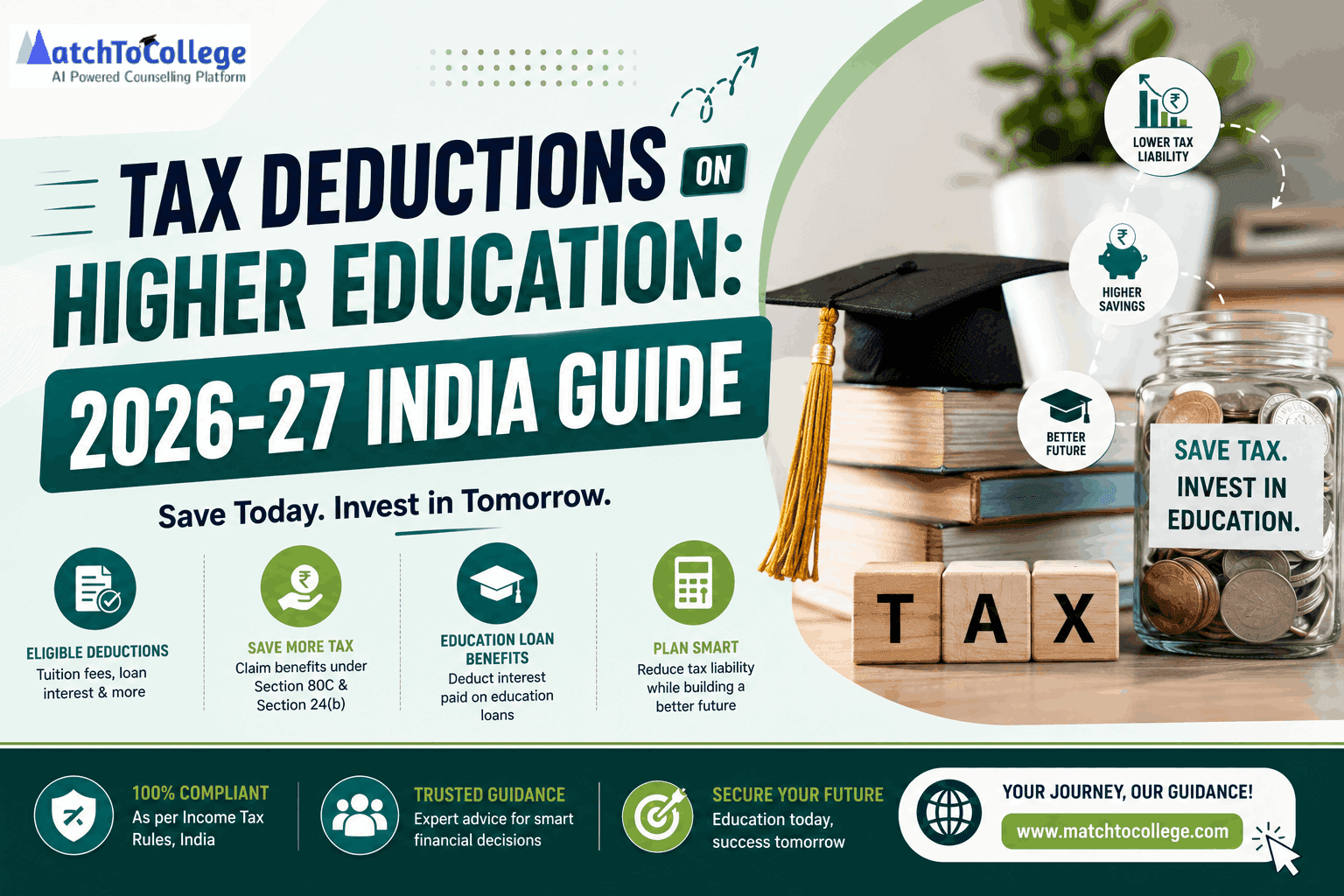
Tax Deductions on Higher Education: 2026-27 India Guide
Maximize your savings with our guide on tax deductions for higher education fees in India for FY 2026-27. Learn about Section 80C, 80E, and upskilling benefits.