

Tech Firms & Online Degrees: HR Views on Remote Learners
Admission & Info Tools
Need Expert Assistance?
Our counselors can help you with fee structures, eligibility guidelines, and upcoming admission cutoffs instantly.
Direct Application Tools

Empowering tech talent through remote learning
The landscape of higher education has undergone a seismic shift, particularly with the proliferation of online learning platforms and remote degree programs. What was once considered an unconventional path is now a mainstream option for millions of students worldwide. But as students increasingly opt for the flexibility and accessibility of virtual classrooms, a crucial question arises: how do top corporate HR policies across major private tech firms view remote online learners? Do these industry giants, often at the forefront of innovation, embrace or scrutinize candidates who have pursued their education primarily online?
For ambitious students and their parents, understanding the nuances of tech company hiring practices is paramount. The perception of an online degree can significantly impact career trajectories, especially in highly competitive sectors like technology. Gone are the days when a traditional campus degree was the sole passport to elite job opportunities.
The digital revolution has not only transformed how we work but also how we learn, leading to an undeniable evolution in talent acquisition strategies.
Major tech players like Google, Microsoft, Amazon, Meta, and Apple are constantly seeking top talent, and their HR departments are adapting to this evolving educational paradigm.
They are not merely looking at where a degree was obtained, but increasingly, at the skills, competencies, and practical experience a candidate brings to the table. This shift towards skill-based hiring is a game-changer for online learners, emphasizing what you know and can do, rather than just the institution you attended or the format of your learning.
This comprehensive guide from MatchToCollege aims to demystify these corporate HR perspectives, providing clarity and actionable insights for students aspiring to join the ranks of leading tech firms. We'll delve into the current trends, reveal the specific attributes tech recruiters value, and offer strategies to position yourself strongly in the job market, irrespective of whether your learning journey was online or on-campus. Understanding these policies is crucial for making informed decisions about your higher education and future career path.
The Evolving Landscape of Higher Education and Tech Hiring
The COVID-19 pandemic accelerated the adoption and acceptance of online learning, pushing it from a niche offering to a global standard. What was once seen as a fallback option is now a preferred mode for many, offering unparalleled flexibility and access to world-class education irrespective of geographical boundaries. Tech companies, inherently digital and often pioneers of remote work, have been particularly responsive to this shift.
Before the pandemic, there was often a subtle bias towards traditional on-campus degrees. However, the mass pivot to remote operations proved that work could be effective outside a physical office, and by extension, learning could be equally effective outside a traditional classroom.
This experience has forced many HR departments to re-evaluate their criteria, moving beyond institutional prestige to focus more intensely on demonstrable skills, problem-solving abilities, and adaptability. Certifications, MOOCs (Massive Open Online Courses), and specialized online programs are increasingly recognized alongside traditional degrees, signaling a more holistic approach to talent evaluation.
Tech giants are leading this charge, understanding that innovation thrives on diverse talent, regardless of how they acquired their knowledge. The emphasis is now firmly on a candidate's portfolio, practical projects, contributions to open-source initiatives, and real-world problem-solving experience, rather than solely on the name of their alma mater or the format of their degree.
Corporate HR Policies: A Closer Look at Tech Giants
While there isn't a blanket policy across all tech firms, a common thread emerges: a growing openness to online degrees coupled with a strong emphasis on practical skills. HR departments in companies like Google, Microsoft, Amazon, and Meta are less concerned with the 'delivery method' of education and more with the 'outcome' – what the candidate has learned and can apply.
Here's a deeper dive into their general stances:
- Skill-Based Assessment: Tech firms prioritize technical proficiency, critical thinking, and problem-solving. Online learners who can demonstrate these through projects, coding challenges, or practical experience are highly valued.
- Accreditation & Reputation: While the online format is accepted, the accreditation of the institution still matters. Degrees from well-regarded, accredited online programs are viewed favorably.
- Demonstrable Experience: A strong portfolio, GitHub contributions, personal projects, internships (even virtual ones), and participation in hackathons can significantly bolster an online learner's application.
- Soft Skills: Remote learning often fosters self-discipline, time management, and independent problem-solving—qualities highly valued in remote or hybrid work environments common in tech.
Here's a simplified overview of how some major tech firms generally perceive online degrees and remote learners:
| Tech Firm | General Stance on Online Degrees | Preferred Attributes for Online Learners | Remote/Hybrid Work Policy (General) |
| Highly open, focus on skills & problem-solving. | Strong analytical skills, proven project experience, ability to learn quickly. | Hybrid (3 days in office), flexible remote options. | |
| Microsoft | Accepting, values continuous learning & practical application. | Demonstrable technical proficiency, collaborative mindset, adaptability. | Hybrid (flexible), some fully remote roles. |
| Amazon | Accepting, emphasizes results & customer obsession. | Bias for action, strong problem-solving, delivery on projects, self-starter. | Hybrid for most roles, some fully remote. |
| Meta (Facebook) | Open, looks for innovation & impact. | Technical depth, impactful project work, communication skills. | Hybrid with significant remote flexibility. |
| Apple | More traditional, but increasing acceptance. Focus on practical skills. | Attention to detail, innovative thinking, hands-on experience, passion for products. | Primarily hybrid, limited fully remote roles. |
It's crucial to note that individual roles and specific departments may have varying preferences, but the overarching trend is clear: meritocracy and skill demonstration are paramount.
Navigating the Tech Job Market as an Online Learner
For online learners aiming for a career in tech, strategically positioning yourself is key. Here's how you can make your application stand out:
- Choose Accredited Programs: Opt for online degrees or certifications from reputable, accredited institutions. Their recognition lends credibility to your learning journey.
- Build a Stellar Portfolio: Your project work is your resume. Create a diverse portfolio showcasing your skills in real-world applications. This could include personal coding projects, open-source contributions, or freelance work.
- Network Actively: Engage with professionals on LinkedIn, attend virtual tech conferences, participate in online communities, and connect with alumni from your program. Networking can open doors to opportunities that might not be publicly advertised.
- Master Interview Skills: Be prepared to articulate your technical skills, problem-solving approaches, and how your online learning experience has equipped you for a tech role. Highlight self-motivation, time management, and adaptability—qualities often honed through remote study.
- Seek Internships & Apprenticeships: Even if remote, internships provide invaluable industry experience and networking opportunities. Many tech firms offer virtual internship programs.
- Focus on In-Demand Skills: Align your learning with current and future tech industry needs, such as AI/ML, cloud computing, cybersecurity, or data science.
The MatchToCollege Advantage: Empowering Your Journey
Understanding the intricacies of tech company HR policies can be overwhelming. This is where MatchToCollege steps in. Our AI-powered platform is designed to provide personalized guidance, helping you navigate the complexities of higher education and career planning. Whether you're considering an online degree, an MBA, or an engineering program, MatchToCollege connects you with institutions and programs that align with your aspirations and the demands of the modern tech industry.
We help you identify programs that offer robust skill development, strong industry connections, and high employability, ensuring your educational investment translates into a successful career. Our insights help you choose wisely, preparing you for the realities of the job market and empowering you to present your unique learning journey effectively to top tech recruiters.
Future Outlook: Online Learning as the New Standard?
The trajectory for online learning is unequivocally upward. As technology continues to evolve and the demand for flexible, accessible education grows, the distinction between 'online' and 'on-campus' degrees will likely diminish further. Top tech firms will continue to prioritize skills, innovation, and a candidate's potential contribution over traditional metrics. Online learners, with their demonstrated adaptability and self-driven approach, are increasingly well-positioned to thrive in this evolving landscape.
The future of work is hybrid, and the future of learning is equally diverse. Embracing lifelong learning and continually upskilling, regardless of the format, will be the cornerstone of a successful career in the dynamic tech industry. The doors are open; it's about walking through them with confidence and the right strategy.
Share this Article
FAQFrequently Asked Questions
Q: Do top tech companies accept online degrees for job applications?
Yes, major tech companies like Google, Microsoft, Amazon, and Meta are increasingly accepting of online degrees. Their primary focus has shifted from the mode of education delivery to the demonstrable skills, practical experience, and problem-solving abilities a candidate possesses.
Q: What matters most to tech HR when hiring remote online learners?
Tech HR departments prioritize skill-based assessments, a strong portfolio of projects, relevant technical proficiency, critical thinking, and soft skills like self-discipline and adaptability. The reputation and accreditation of the online program also play a significant role.
Q: How can I make my online degree stand out to tech employers?
To stand out, build a robust portfolio of personal projects, contribute to open-source initiatives, seek virtual internships, actively network with industry professionals, and highlight soft skills gained through remote learning (e.g., time management, self-motivation). Choosing an accredited program is also crucial.
Q: Is an online degree as valuable as an on-campus degree in the tech industry?
In the modern tech industry, an online degree can be just as valuable as an on-campus degree, provided it comes from an accredited institution and the candidate can demonstrate equivalent (or superior) skills and practical experience. The industry increasingly values what you know and can do over how you learned it.
Get More Info About Tech Firms & Online Degrees
Recommended Reading
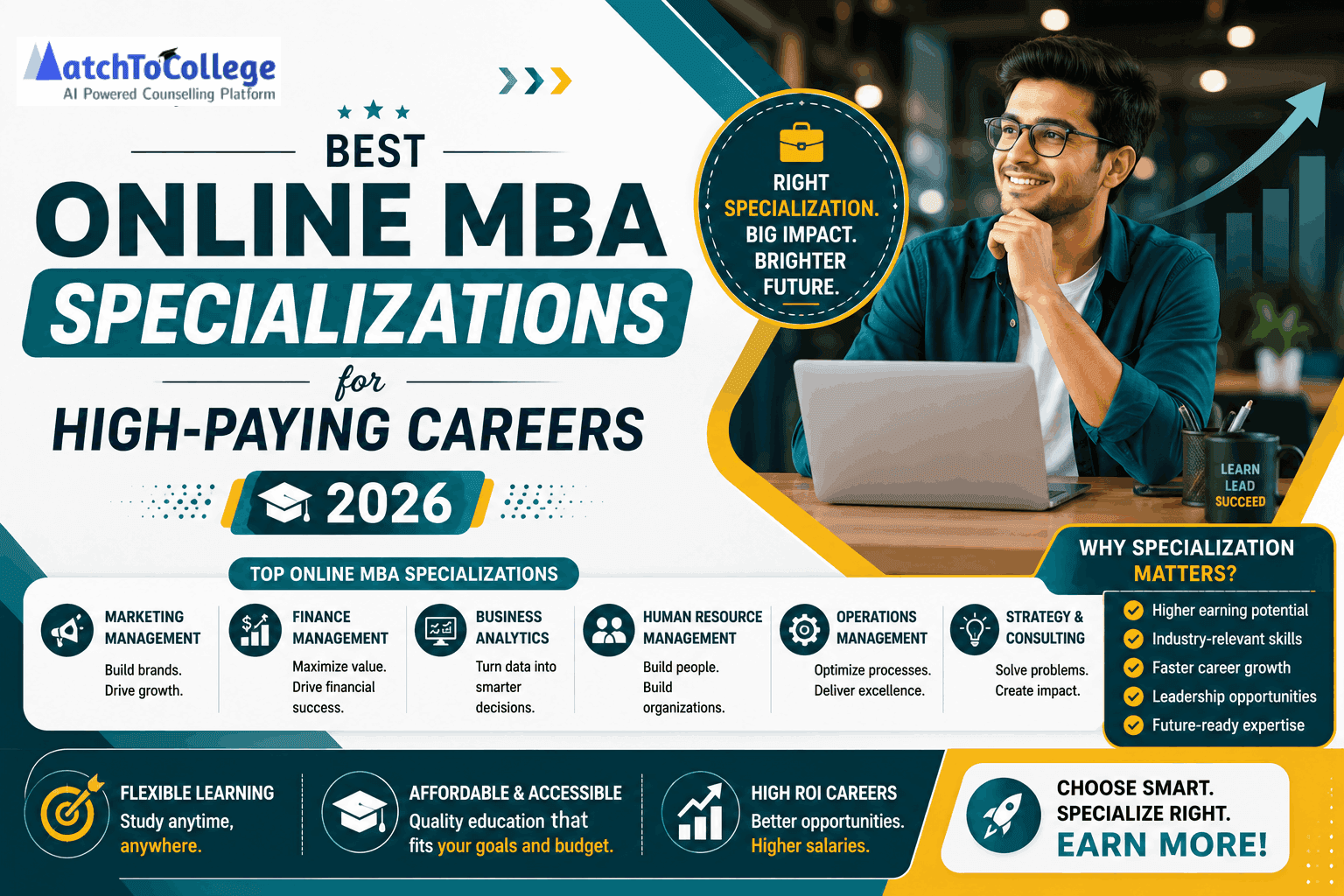
Best Online MBA Specializations for High-Paying Careers 2026
Discover the most lucrative online MBA specializations for 2026-27. Compare ROI, career growth, and use our AI tools to find your perfect management path.
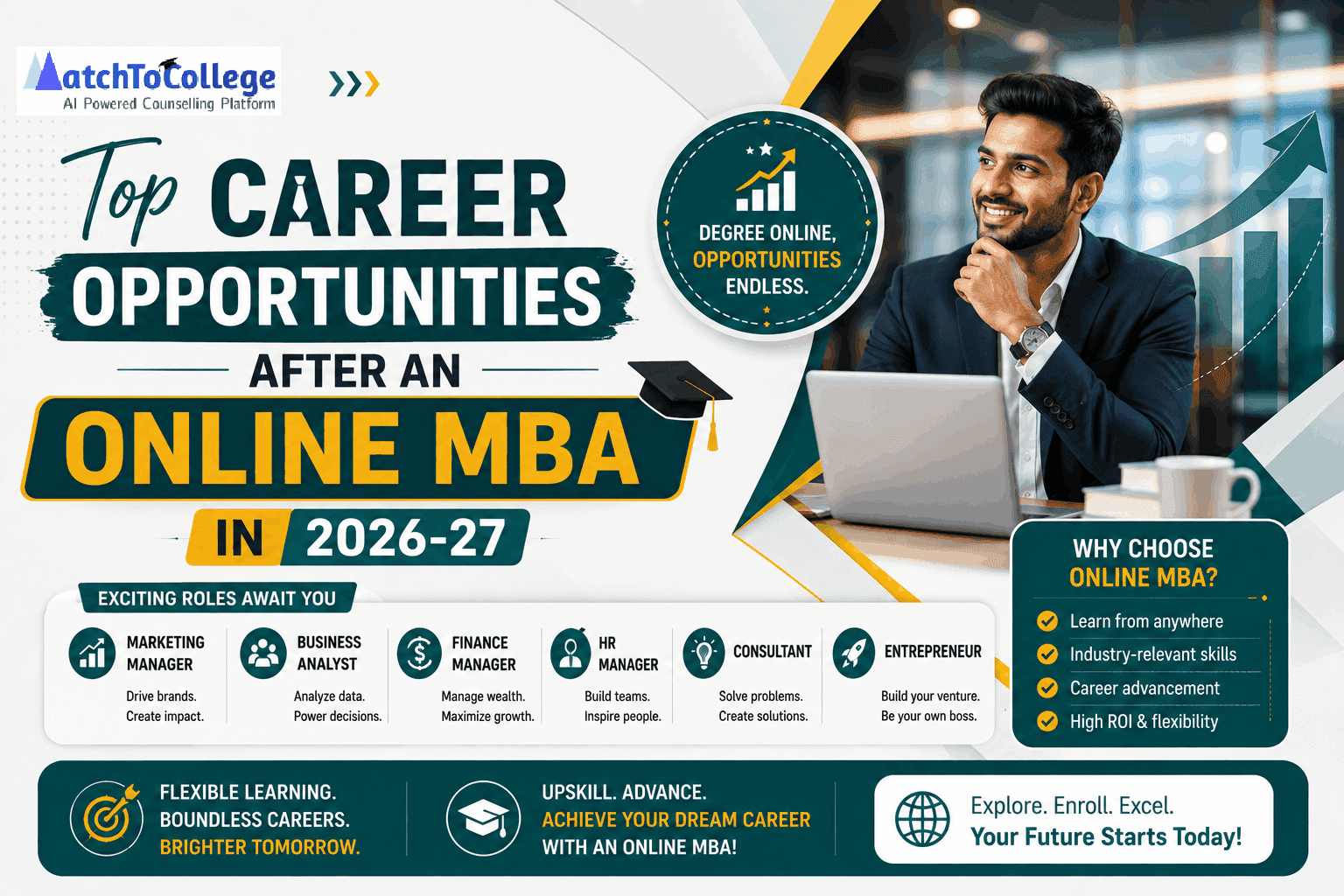
Top Career Opportunities After an Online MBA in 2026-27
Discover high-paying career paths and roles after an online MBA in 2026-27. Explore salary trends, ROI, and tools to navigate your future professional success.
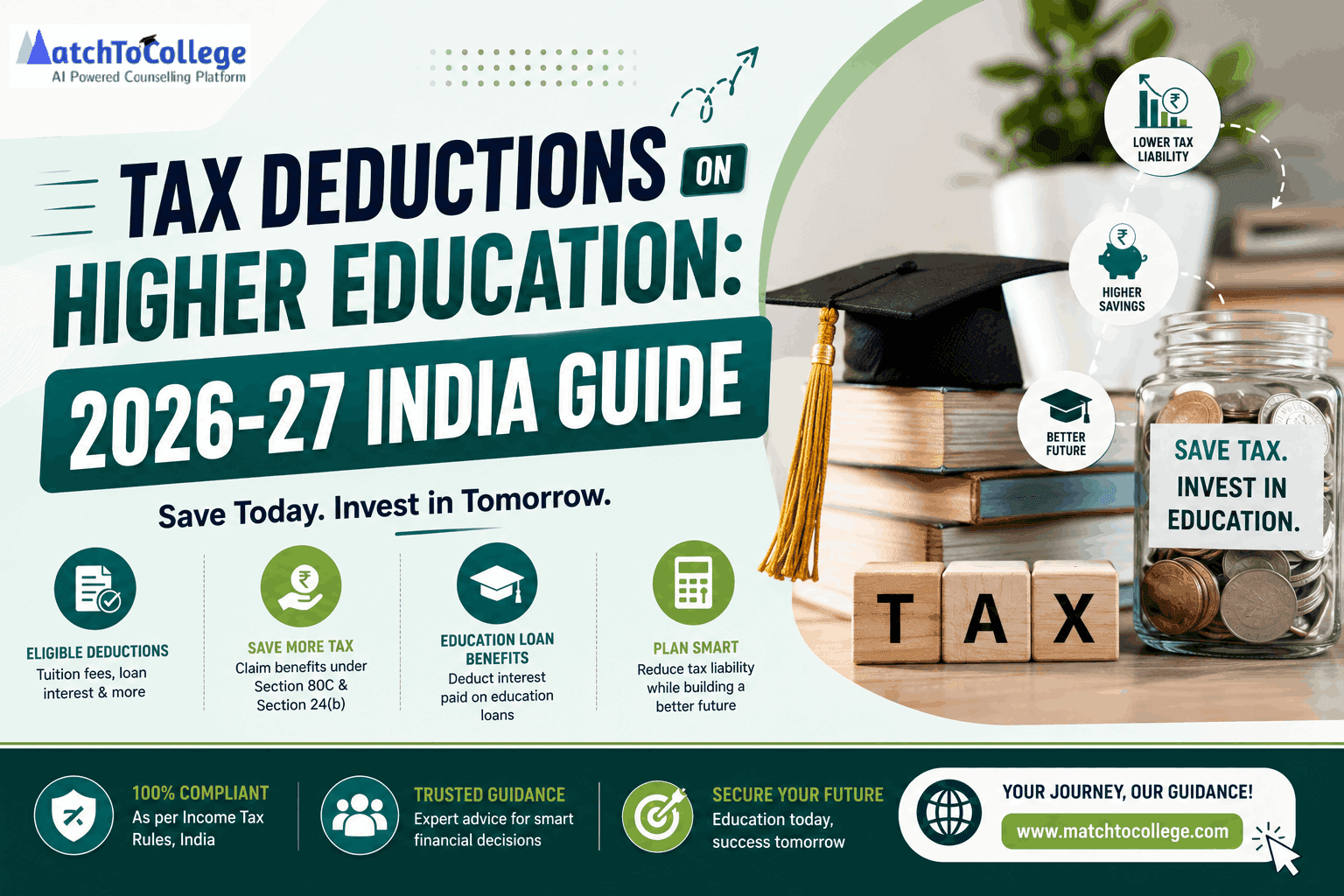
Tax Deductions on Higher Education: 2026-27 India Guide
Maximize your savings with our guide on tax deductions for higher education fees in India for FY 2026-27. Learn about Section 80C, 80E, and upskilling benefits.