

Student Startup Funding: Finance Your Dream While Studying
Admission & Info Tools
Need Expert Assistance?
Our counselors can help you with fee structures, eligibility guidelines, and upcoming admission cutoffs instantly.
Direct Application Tools
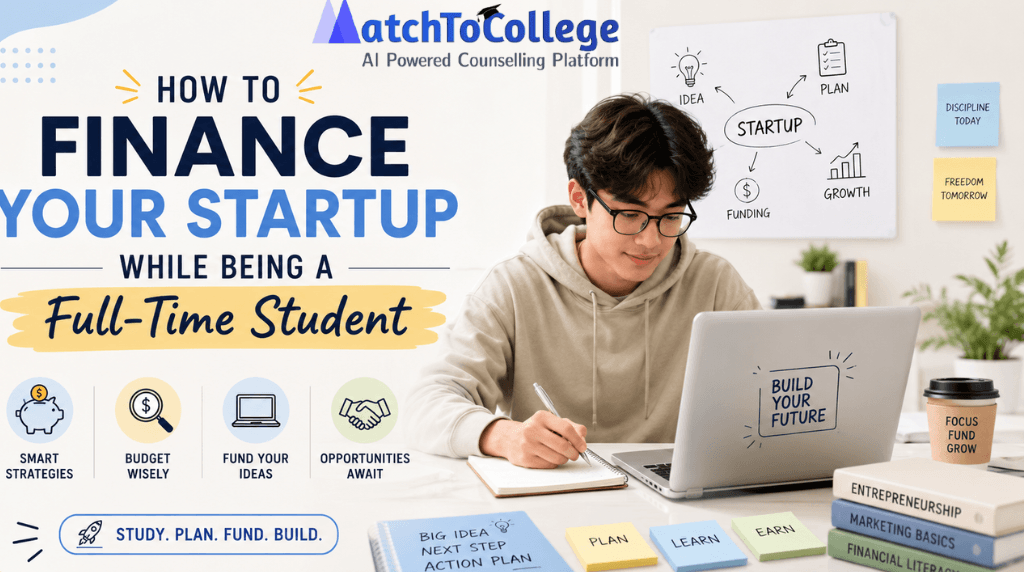
Build Dreams Without Leaving College
The dream of launching a successful startup while pursuing higher education is more attainable than ever before. Today's dynamic academic environments often foster innovation, creating fertile ground for student entrepreneurs. However, a common hurdle for these ambitious individuals is securing adequate funding without compromising their studies or future financial stability. At MatchToCollege, we understand that your academic journey is intertwined with your life goals, including entrepreneurial aspirations. This guide is designed to empower you with practical strategies to finance your startup, helping you transform your innovative ideas into reality while successfully navigating your college years.
Being a student entrepreneur presents unique challenges, particularly when it comes to attracting capital. Traditional investors might view student ventures as higher risk due to time commitments and perceived lack of experience. Yet, universities, governments, and even private organizations are increasingly recognizing the immense potential of student-led innovation. Learning how to access these specialized funding streams, manage your finances shrewdly, and leverage non-dilutive capital can make all the difference. We'll explore various avenues, from tapping into university resources and applying for targeted grants to mastering the art of bootstrapping, ensuring your startup thrives alongside your academic pursuits. Prepare to unlock the financial strategies that will fuel your entrepreneurial journey.
University & Academic Support for Student Startups
Your university can be a goldmine for initial startup funding and critical resources. Many institutions now boast dedicated entrepreneurship centers, incubators, and accelerators specifically designed to nurture student ventures. These programs often provide seed funding, office space, mentorship from experienced entrepreneurs, legal advice, and access to a network of potential investors. Explore your university's business school, engineering department, or innovation hubs for pitch competitions, which frequently offer cash prizes and follow-on investment opportunities. Don't overlook departmental grants or research funding, especially if your startup has a strong technological or research component. Actively engaging with these academic support systems not only provides financial backing but also invaluable guidance and credibility.
Non-Dilutive Funding: Grants, Scholarships & Crowdfunding
One of the most attractive forms of capital for student entrepreneurs is non-dilutive funding, meaning you don't have to give up equity in your company. Grants for student startups are available from government agencies, private foundations, and non-profit organizations, often targeting specific industries, social impact initiatives, or demographic groups. Research organizations like the Small Business Administration (SBA) or local economic development agencies. Similarly, numerous scholarships are now dedicated to students demonstrating entrepreneurial promise, often tied to specific academic programs or innovation challenges. Crowdfunding platforms like Kickstarter, Indiegogo, or GoFundMe can also be powerful tools, allowing you to validate your idea, build a community of early adopters, and raise capital directly from your potential customers or supporters. A compelling story and a clear value proposition are key to successful crowdfunding campaigns.
Smart Bootstrapping and Lean Operations
Bootstrapping – funding your startup from personal savings, minimal external capital, or early customer revenue – is a common and often necessary strategy for student entrepreneurs. This approach forces you to be resourceful, efficient, and deeply focused on generating value quickly. Embrace the lean startup methodology: build a Minimum Viable Product (MVP), gather customer feedback, and iterate rapidly. Look for ways to minimize overhead costs, leverage free or low-cost tools, and barter services. Consider taking on a part-time job or freelance work that aligns with your startup's industry to gain experience and provide a steady income stream. Pre-selling products or services before full launch can also generate vital early capital. By focusing on smart financial management and controlled growth, you can extend your runway and build a sustainable business without immediately needing large external investments.
Share this Article
FAQFrequently Asked Questions
Q: Can I get a student loan for my startup?
Generally, traditional student loans are designed for educational expenses and cannot be directly used to fund a startup. However, securing personal loans or lines of credit might be an option, but it's crucial to understand the terms and risks involved. Exploring specific grants, university funds, or bootstrapping is often a safer initial path for student ventures.
Q: How important is a business plan for student startup funding?
A well-structured business plan is incredibly important, even for student startups. It demonstrates your understanding of the market, your business model, financial projections, and your team's capabilities. While it might evolve, a solid plan is essential for pitching to university programs, grant committees, and potential investors, showing you've thought through your venture thoroughly.
Get More Info About Student Startup Funding
Recommended Reading

Best Online MBA Specializations for High-Paying Careers 2026
Discover the most lucrative online MBA specializations for 2026-27. Compare ROI, career growth, and use our AI tools to find your perfect management path.

Top Career Opportunities After an Online MBA in 2026-27
Discover high-paying career paths and roles after an online MBA in 2026-27. Explore salary trends, ROI, and tools to navigate your future professional success.
Tax Deductions on Higher Education: 2026-27 India Guide
Maximize your savings with our guide on tax deductions for higher education fees in India for FY 2026-27. Learn about Section 80C, 80E, and upskilling benefits.