

How to switch from a Non-Tech background to a Tech role
Admission & Info Tools
Need Expert Assistance?
Our counselors can help you with fee structures, eligibility guidelines, and upcoming admission cutoffs instantly.
Direct Application Tools
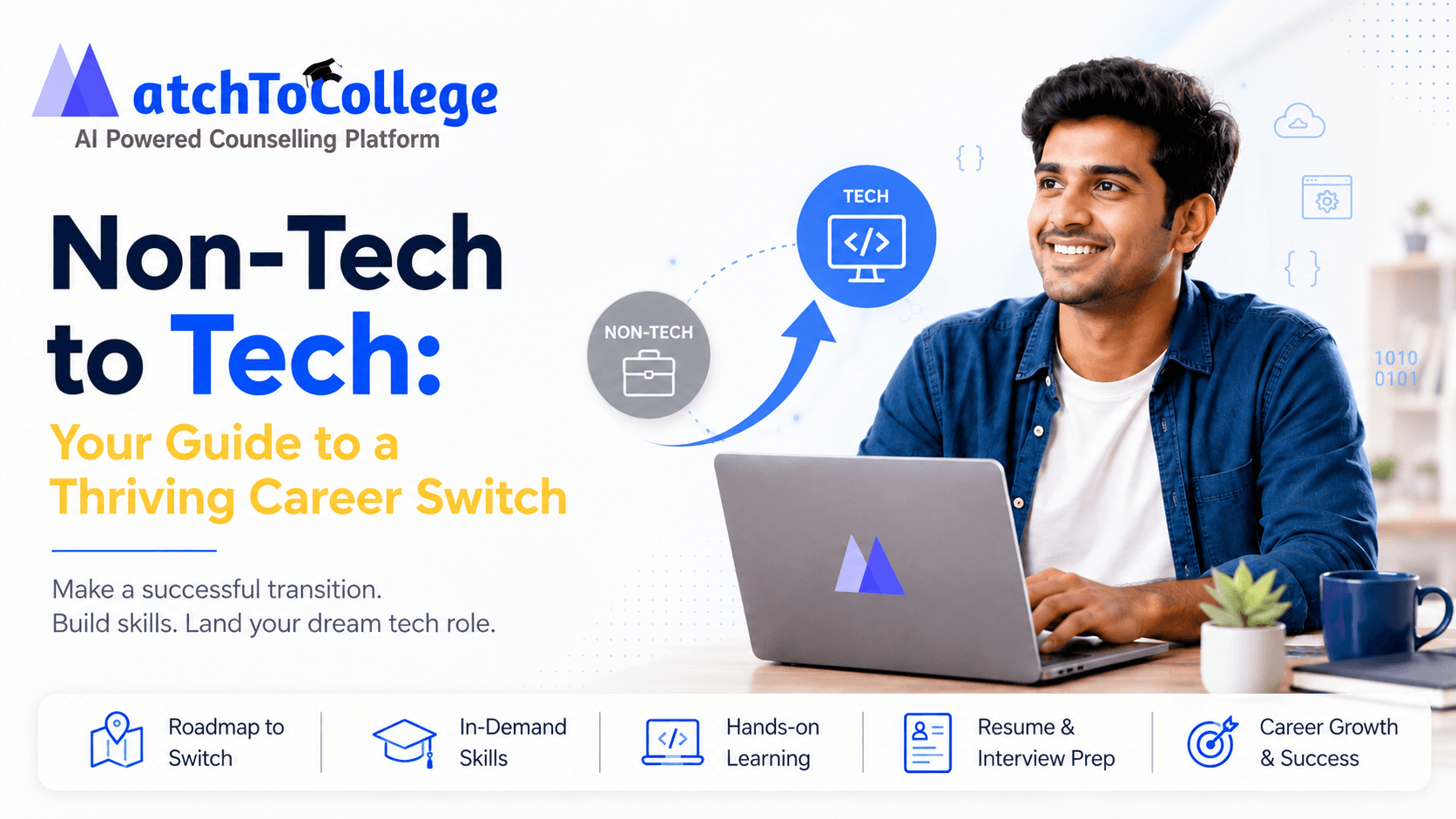
Switch Careers, Build Your Tech Future
In today's rapidly evolving job market, the tech industry stands as a beacon of innovation, growth, and opportunity. It's a field that constantly reshapes our world, offering dynamic roles and competitive salaries. Perhaps you've been working in a non-technical field—marketing, sales, humanities, healthcare, or even finance—and felt the pull towards this exciting sector. You're not alone. Thousands of professionals every year successfully navigate a career change to tech, bringing unique perspectives and valuable transferable skills to the table.
The idea of switching careers can feel daunting, especially when considering a leap into a seemingly complex domain like technology. Questions about necessary skills, educational pathways, and job market entry points often arise. Do you need a computer science degree? Are coding bootcamps effective? How do you build a portfolio from scratch? These are valid concerns, but the good news is that the path from a non-tech background to a tech role is more accessible and multifaceted than ever before.
This comprehensive guide will demystify the process, providing a clear roadmap for your transition. We'll explore why the tech industry is so appealing, the practical steps you can take to acquire in-demand skills, and how strategic educational choices can accelerate your journey. With insights from industry experts and the support of platforms like MatchToCollege, powered by AI, you can identify the perfect educational programs and career trajectories to make your tech dreams a reality. Get ready to unlock your potential and build a future in technology!
Why Now is the Perfect Time to Pivot into Tech
The demand for tech professionals continues to skyrocket across virtually every industry, from healthcare to entertainment. This isn't just about coding; the tech ecosystem is vast, encompassing roles like data science, cybersecurity, product management, UX/UI design, IT project management, and cloud computing. Many of these roles benefit immensely from individuals with diverse backgrounds, as they bring unique problem-solving approaches, strong communication skills, and customer-centric thinking honed in non-technical environments.
Furthermore, the tech industry offers unparalleled opportunities for continuous learning and career advancement. Companies are often at the forefront of innovation, meaning employees are consistently exposed to new technologies and methodologies. A career change to tech isn't just about finding a new job; it's about entering a vibrant community that values growth, creativity, and impact. Your non-tech experience, whether it's in client relations, strategic planning, or creative problem-solving, provides a distinct advantage, equipping you with transferable skills highly valued in collaborative tech teams.
Crafting Your Tech Transition Roadmap: Essential Steps
| Step | Focus Area | Key Actions | Outcome |
| 1 | Identify Your Niche | Research tech roles based on your interests and strengths. | Choose the right career path. |
| 2 | Skill Development | Learn through courses, certifications, bootcamps, or self-study. | Gain industry-ready skills. |
| 3 | Build Experience | Create projects, internships, freelancing, or open-source contributions. | Improve practical knowledge and employability. |
| 4 | Network Strategically | Attend meetups, webinars, and connect on LinkedIn. | Expand opportunities and referrals. |
The Strategic Advantage of Higher Education & Expert Guidance
While self-study and bootcamps are powerful, a targeted higher education program can provide a structured, accelerated, and credentialed pathway into tech. A Master's degree in a field like Computer Science, Data Science, Information Technology, or even an MBA with a tech specialization can significantly boost your credibility and open doors to advanced roles. These programs offer comprehensive curricula, research opportunities, and robust career services.
This is where MatchToCollege shines. Our AI-powered platform is designed specifically to help aspiring students and career changers navigate the complex landscape of higher education. We can assist you by:
- Personalized Program Matching: Identifying graduate programs, certifications, or specialized courses that perfectly align with your non-tech background, current skill set, and target tech role.
- Strategic Pathway Planning: Guiding you through the admission process, from selecting the right colleges and programs to optimizing your application.
- Career Trajectory Insights: Providing data-driven insights into career outcomes for various programs and helping you understand the long-term value of your educational investment.
Leveraging expert guidance and advanced tools ensures that your investment in education is strategic and leads directly to your desired tech career outcome. Whether you're considering a full-time Master's program or an executive certificate, MatchToCollege is your trusted partner in making an informed decision about your future.
Share this Article
FAQFrequently Asked Questions
Q: Is a computer science degree necessary to switch to tech from a non-tech background?
No, a traditional computer science degree is not always necessary, especially for all tech roles. Many roles, such as product management, UX/UI design, data analysis, and IT project management, value diverse backgrounds. While a CS degree provides a strong theoretical foundation, practical skills gained through bootcamps, online courses, certifications, and a strong portfolio are often sufficient. A targeted Master's degree in a specific tech field can also be a highly effective pathway.
Q: How long does it typically take to transition from a non-tech to a tech role?
The timeline can vary significantly based on the target role, your learning intensity, and prior experience. Intensive coding bootcamps might get you job-ready in 3-6 months. Self-study combined with project building could take 6-12 months. Pursuing a Master's degree typically takes 1-2 years. Generally, most successful transitions involve 6 months to 2 years of dedicated learning and active job searching, but with strategic planning and focus, it can be quicker.
Get More Info About How to switch from a Non-Tech background to a Tech role
Recommended Reading
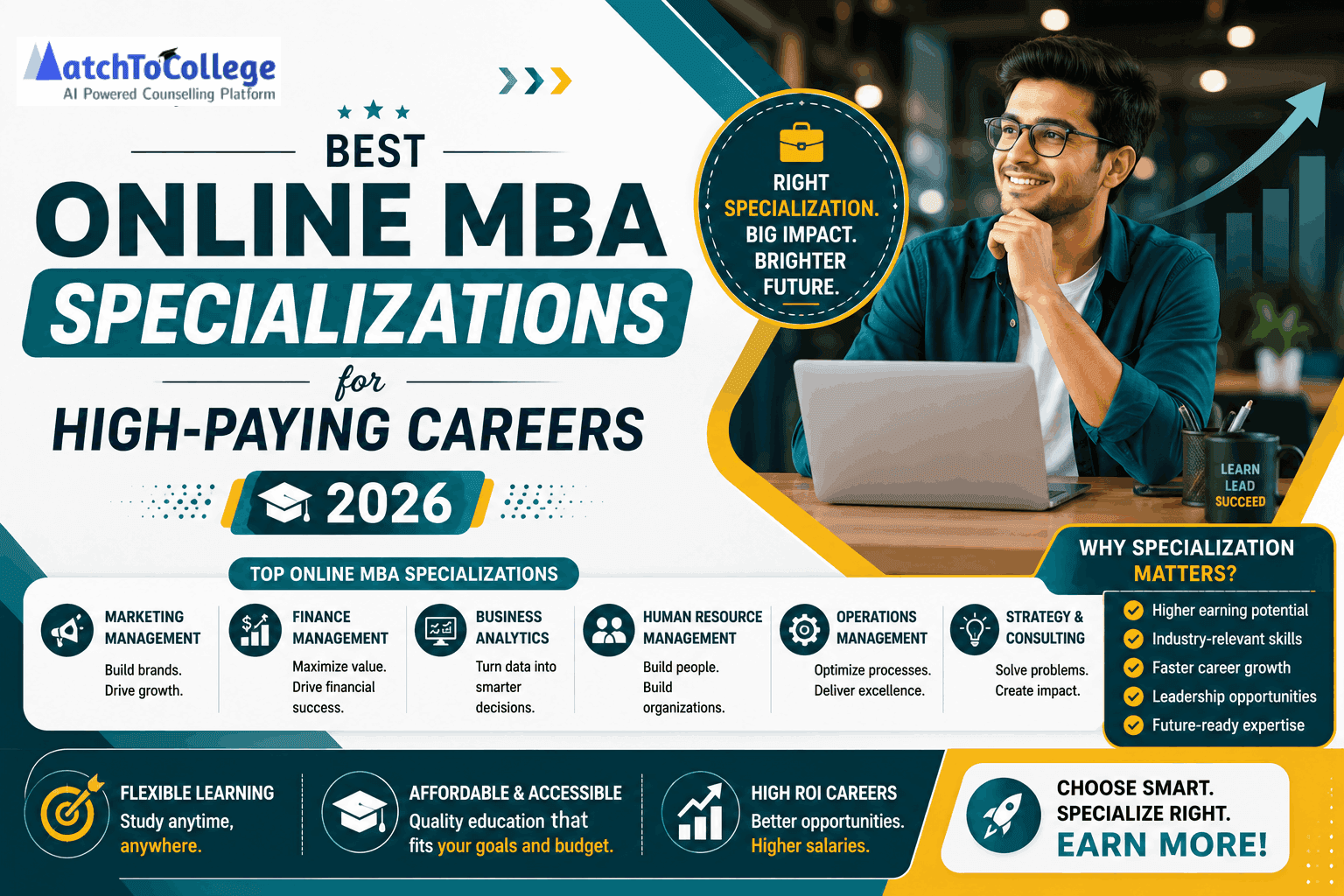
Best Online MBA Specializations for High-Paying Careers 2026
Discover the most lucrative online MBA specializations for 2026-27. Compare ROI, career growth, and use our AI tools to find your perfect management path.
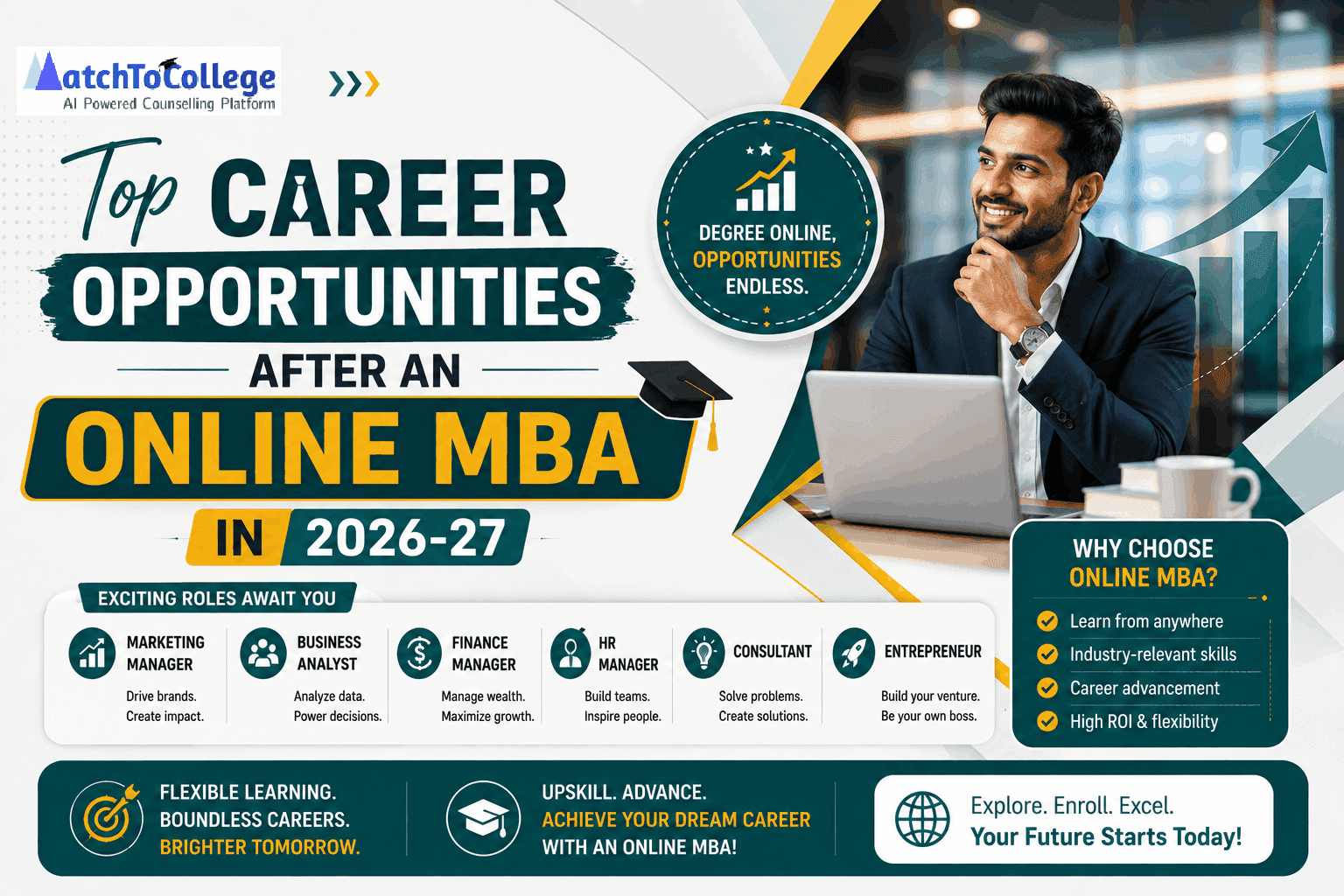
Top Career Opportunities After an Online MBA in 2026-27
Discover high-paying career paths and roles after an online MBA in 2026-27. Explore salary trends, ROI, and tools to navigate your future professional success.

Tax Deductions on Higher Education: 2026-27 India Guide
Maximize your savings with our guide on tax deductions for higher education fees in India for FY 2026-27. Learn about Section 80C, 80E, and upskilling benefits.