

NIT Chemical Engineering: Your Guide to Admission at 85-90 Percentile in JEE Main
Admission & Info Tools
Need Expert Assistance?
Our counselors can help you with fee structures, eligibility guidelines, and upcoming admission cutoffs instantly.
Direct Application Tools

🎯 MatchToCollege AI Recommendation: Planning your counselling or choice filling? Check your seat allotment probability across premier colleges using the JEE Main College Predictor.
Key Highlights & Program Overview
B.Tech Chemical Engineering is a dynamic field that applies principles of chemistry, physics, biology, and mathematics to design, operate, and optimize industrial processes. NITs are among India's premier institutions offering this discipline, known for their rigorous curriculum and industry-relevant training. Understanding the admission process for JEE Main is the first step towards securing a seat.
| Parameter | Details |
| Exam Name | JEE Main |
| Conducting Body | National Testing Agency (NTA) |
| Participating Institutes | 31 NITs, IIITs, GFTIs |
| Target Program | B.Tech Chemical Engineering |
| Admission Mode | JoSAA & CSAB Counselling |
| Official Portal | nta.ac.in |
JEE Main is conducted in two sessions annually, typically in January and April, allowing candidates two attempts to achieve their best possible score. The exam assesses your foundational knowledge in Physics, Chemistry, and Mathematics, crucial for any engineering discipline.
Decoding JEE Main Percentile, Rank & Eligibility
Your JEE Main percentile is a normalized score, indicating the percentage of candidates who scored equal to or less than you in your examination shift. It's not a percentage of marks, but a relative performance indicator. The National Testing Agency (NTA) employs a robust normalization process to ensure fairness across different shifts and difficulty levels.
Expected Marks & Rank for 85-90 Percentile
Based on recent trends, achieving an 85-90 percentile in JEE Main typically corresponds to a specific range of raw marks and subsequently, a Common Rank List (CRL) position. While exact figures fluctuate each year due to varying candidate numbers and paper difficulty, here's an estimate:
| Parameter | Details |
| Estimated Raw Marks (85-90 Percentile) | ~90-120 marks (out of 300) |
| Estimated CRL Rank (85-90 Percentile) | ~1,50,000 to 2,40,000 |
Please note: These are estimates based on previous years' trends. The final 2027 ranks will depend on the NTA's official results and the total number of candidates.
Eligibility Criteria for B.Tech at NITs
- Educational Qualification: Candidates must have passed 10+2 (or equivalent) with Physics, Chemistry, and Mathematics as compulsory subjects.
- Minimum Marks: A minimum of 75% aggregate marks in the 10+2 examination (or be in the top 20 percentile of their respective board) is required for General/EWS/OBC-NCL candidates. For SC/ST/PwD candidates, the minimum aggregate is 65%.
- Age Limit: There is no age limit for appearing in JEE Main.
The Power of Quotas: Home State vs. Other State
NIT admissions operate on a dual quota system, significantly impacting your chances:
- Home State (HS) Quota: 50% of seats in an NIT are reserved for candidates who have passed their 10+2 examination from the state where the NIT is located. This quota offers a substantial advantage, as competition is limited to candidates from that specific state.
- Other State (OS) Quota: The remaining 50% of seats are open to candidates from all other states and Union Territories. Competition under this quota is generally much higher.
For example, a student from Tripura applying to NIT Agartala benefits from the Home State quota, while a student from West Bengal applying to the same NIT would fall under the Other State quota.
Reservation Categories
Beyond the Home State quota, various reservation categories further enhance admission prospects for eligible candidates:
- OBC-NCL (Other Backward Classes - Non-Creamy Layer)
- EWS (Economically Weaker Section)
- SC (Scheduled Castes)
- ST (Scheduled Tribes)
- PwD (Persons with Disabilities)
These categories have specific seat reservations and often entail significantly lower cutoff ranks compared to the General (OPEN) category, making admission at an 85-90 percentile much more feasible.
Navigating NIT Admissions for Chemical Engineering at 85-90 Percentile
Yes, securing a B.Tech Chemical Engineering seat in an NIT with an 85-90 percentile is indeed possible, but it requires a strategic approach and an understanding of which NITs might be within reach. While premier NITs like NIT Trichy, NIT Warangal, or NIT Surathkal typically demand much higher percentiles for Chemical Engineering, several other NITs offer viable options, especially under the Home State quota or for reserved categories.
Factors Influencing Your Admission Chances:
- Your JEE Main Percentile: The higher, the better, but 85-90 is a starting point.
- Your Home State: This is arguably the most critical factor for candidates in this percentile range.
- Your Category: OBC-NCL, EWS, SC, ST, and PwD candidates have significantly better chances due to reservation benefits.
- Counselling Rounds: Cutoffs often drop in later rounds of JoSAA and CSAB special rounds.
NITs for Chemical Engineering at 85-90 Percentile (Home State OPEN Category - Estimated)
For Home State OPEN candidates, options at 85-90 percentile for Chemical Engineering are limited but exist, primarily in newer or geographically specific NITs. These institutes often have higher closing ranks compared to their established counterparts. One such example from previous years' trends includes:
| NIT Name | Program Offered |
| NIT Mizoram | Chemical Science & Technology |
Note: This table provides an illustrative example. Actual cutoffs vary annually. It is crucial to check the latest JoSAA closing ranks for your specific state and category.
Enhanced Opportunities for Reserved Categories
Candidates belonging to OBC-NCL, EWS, SC, and ST categories will find a broader range of NITs offering Chemical Engineering at an 85-90 percentile. The reservation benefits significantly lower the required rank, making even some mid-tier NITs accessible. It is essential to have valid category certificates ready for counselling.
To get a precise understanding of your admission chances based on your JEE Main score, rank, home state, and category, we strongly recommend using the MatchToCollege JEE Main College Predictor. This tool will help you predict the best B.Tech colleges for your JEE Main 2026 score or rank, giving you a clear picture of your options.
Strategic Preparation & Counselling Approach
While this guide focuses on admissions, a strong foundation in JEE Main preparation is paramount. Focus on conceptual clarity in Physics, Chemistry, and Mathematics, consistent practice, and regular mock tests to improve speed and accuracy. However, even with a good percentile, a strategic approach to counselling is equally vital.
Your Admissions Checklist:
- Understand Your Percentile & Rank: Know where you stand in the overall merit list.
- Research NITs & Branches: Identify all NITs offering Chemical Engineering and related programs. Look into their faculty, infrastructure, and placement records.
- Leverage the Home State Advantage: Prioritize NITs in your home state if they offer Chemical Engineering.
- Verify Category Benefits: Ensure you have all necessary and valid reservation certificates.
- Utilize College Predictor Tools: Use the MatchToCollege JEE Main College Predictor to identify potential colleges and branches based on your specific profile.
- Strategic Choice Filling (JoSAA/CSAB): During JoSAA (Joint Seat Allocation Authority) and subsequent CSAB (Central Seat Allocation Board) special rounds, fill your choices wisely. Prioritize branches and colleges based on your preference, but also include realistic options where your rank aligns with previous year's cutoffs. Don't hesitate to include a mix of aspirational and safe choices.
- Participate in All Rounds: Cutoffs can fluctuate, and seats often open up in later counselling rounds. Remain patient and participate actively until the final rounds.
Career Scope, Placements & Expected ROI in Chemical Engineering
A B.Tech in Chemical Engineering from an NIT opens doors to a vast array of career opportunities across diverse industries. Chemical engineers are crucial in transforming raw materials into valuable products, designing sustainable processes, and innovating new technologies.
Key Career Opportunities:
- Process Industries: Oil & Gas, Petrochemicals, Fertilizers, Cement, Power Generation.
- Manufacturing: Pharmaceuticals, Food & Beverages, Textiles, Plastics, Polymers.
- Research & Development: Developing new materials, catalysts, and processes.
- Environmental Engineering: Pollution control, waste management, sustainable energy solutions.
- Consulting: Providing expertise in process optimization, safety, and regulatory compliance.
- Data Science & AI: Applying analytical skills to optimize chemical processes.
Placement Insights & Average Packages
NITs generally boast strong placement records, and Chemical Engineering graduates are highly sought after. While specific figures vary by NIT and year, average packages for Chemical Engineering graduates from NITs typically range from INR 6 LPA to INR 12 LPA, with top performers securing even higher offers. Recruiters include major players in the chemical, pharmaceutical, energy, and IT sectors.
Return on Investment (ROI)
An NIT education, being largely government-funded, offers an excellent return on investment. The relatively moderate fee structure combined with strong placement opportunities ensures that graduates can recover their educational expenses and start building a successful career within a few years of graduation. The robust alumni networks and academic rigor further enhance long-term career growth and opportunities.
🏛️ Looking for Admissions & College Cutoffs? Explore verified fee structures, seat matrices, and real student reviews across top institutions on the MatchToCollege Top Colleges & Universities in India Directory.
Frequently Asked Questions
Q: Is 85-90 percentile in JEE Main good enough for NIT Chemical Engineering?
Yes, an 85-90 percentile can be sufficient for securing a B.Tech Chemical Engineering seat in certain NITs, especially if you qualify under the Home State quota or belong to a reserved category (OBC-NCL, EWS, SC, ST). Options are more limited for Other State OPEN candidates, but strategic choice filling during JoSAA counselling can still yield results.
Q: How does the Home State quota benefit me for NIT admissions?
The Home State quota reserves 50% of seats in an NIT for candidates who have completed their 10+2 from the state where the NIT is located. This significantly reduces competition compared to the Other State quota, making it easier to secure a seat, even with a moderate percentile like 85-90, for branches like Chemical Engineering.
Q: What rank can I expect with an 85-90 percentile in JEE Main?
While exact ranks vary annually, an 85-90 percentile in JEE Main typically corresponds to a Common Rank List (CRL) position ranging from approximately 1,50,000 to 2,40,000. This rank is a crucial factor in determining your eligibility for various NITs and branches.
Q: Which NITs offer Chemical Engineering at this percentile range?
For candidates with an 85-90 percentile, particularly under the Home State quota or reserved categories, newer NITs or those in specific regions might offer Chemical Engineering. Examples from past trends include NIT Mizoram (for Chemical Science & Technology). It's essential to check the latest JoSAA closing ranks and use tools like the MatchToCollege JEE Main College Predictor for personalized insights.
Q: What should be my strategy during JoSAA counselling for Chemical Engineering?
Your counselling strategy should involve thorough research of all NITs offering Chemical Engineering, understanding previous year's cutoffs for your specific category and home state, and filling choices strategically. Prioritize your preferred colleges and branches, but also include realistic options to maximize your chances. Participate in all rounds, including CSAB special rounds, as cutoffs can drop.
Q: What are the career prospects after B.Tech Chemical Engineering from an NIT?
A B.Tech in Chemical Engineering from an NIT offers excellent career prospects across diverse sectors such as oil & gas, pharmaceuticals, food processing, environmental management, manufacturing, and research & development. Graduates are highly sought after for roles in process design, optimization, quality control, and product development, with competitive average salary packages.
Key Highlights & Program Overview
B.Tech Chemical Engineering is a dynamic field that applies principles of chemistry, physics, biology, and mathematics to design, operate, and optimize industrial processes. NITs are among India's premier institutions offering this discipline, known for their rigorous curriculum and industry-relevant training. Understanding the admission process for JEE Main is the first step towards securing a seat.
| Parameter | Details |
| Exam Name | JEE Main |
| Conducting Body | National Testing Agency (NTA) |
| Participating Institutes | 31 NITs, IIITs, GFTIs |
| Target Program | B.Tech Chemical Engineering |
| Admission Mode | JoSAA & CSAB Counselling |
| Official Portal | nta.ac.in |
JEE Main is conducted in two sessions annually, typically in January and April, allowing candidates two attempts to achieve their best possible score. The exam assesses your foundational knowledge in Physics, Chemistry, and Mathematics, crucial for any engineering discipline.
Decoding JEE Main Percentile, Rank & Eligibility
Your JEE Main percentile is a normalized score, indicating the percentage of candidates who scored equal to or less than you in your examination shift. It's not a percentage of marks, but a relative performance indicator. The National Testing Agency (NTA) employs a robust normalization process to ensure fairness across different shifts and difficulty levels.
Expected Marks & Rank for 85-90 Percentile
Based on recent trends, achieving an 85-90 percentile in JEE Main typically corresponds to a specific range of raw marks and subsequently, a Common Rank List (CRL) position. While exact figures fluctuate each year due to varying candidate numbers and paper difficulty, here's an estimate:
| Parameter | Details |
| Estimated Raw Marks (85-90 Percentile) | ~90-120 marks (out of 300) |
| Estimated CRL Rank (85-90 Percentile) | ~1,50,000 to 2,40,000 |
Please note: These are estimates based on previous years' trends. The final 2027 ranks will depend on the NTA's official results and the total number of candidates.
Eligibility Criteria for B.Tech at NITs
- Educational Qualification: Candidates must have passed 10+2 (or equivalent) with Physics, Chemistry, and Mathematics as compulsory subjects.
- Minimum Marks: A minimum of 75% aggregate marks in the 10+2 examination (or be in the top 20 percentile of their respective board) is required for General/EWS/OBC-NCL candidates. For SC/ST/PwD candidates, the minimum aggregate is 65%.
- Age Limit: There is no age limit for appearing in JEE Main.
The Power of Quotas: Home State vs. Other State
NIT admissions operate on a dual quota system, significantly impacting your chances:
- Home State (HS) Quota: 50% of seats in an NIT are reserved for candidates who have passed their 10+2 examination from the state where the NIT is located. This quota offers a substantial advantage, as competition is limited to candidates from that specific state.
- Other State (OS) Quota: The remaining 50% of seats are open to candidates from all other states and Union Territories. Competition under this quota is generally much higher.
For example, a student from Tripura applying to NIT Agartala benefits from the Home State quota, while a student from West Bengal applying to the same NIT would fall under the Other State quota.
Reservation Categories
Beyond the Home State quota, various reservation categories further enhance admission prospects for eligible candidates:
- OBC-NCL (Other Backward Classes - Non-Creamy Layer)
- EWS (Economically Weaker Section)
- SC (Scheduled Castes)
- ST (Scheduled Tribes)
- PwD (Persons with Disabilities)
These categories have specific seat reservations and often entail significantly lower cutoff ranks compared to the General (OPEN) category, making admission at an 85-90 percentile much more feasible.
Navigating NIT Admissions for Chemical Engineering at 85-90 Percentile
Yes, securing a B.Tech Chemical Engineering seat in an NIT with an 85-90 percentile is indeed possible, but it requires a strategic approach and an understanding of which NITs might be within reach. While premier NITs like NIT Trichy, NIT Warangal, or NIT Surathkal typically demand much higher percentiles for Chemical Engineering, several other NITs offer viable options, especially under the Home State quota or for reserved categories.
Factors Influencing Your Admission Chances:
- Your JEE Main Percentile: The higher, the better, but 85-90 is a starting point.
- Your Home State: This is arguably the most critical factor for candidates in this percentile range.
- Your Category: OBC-NCL, EWS, SC, ST, and PwD candidates have significantly better chances due to reservation benefits.
- Counselling Rounds: Cutoffs often drop in later rounds of JoSAA and CSAB special rounds.
NITs for Chemical Engineering at 85-90 Percentile (Home State OPEN Category - Estimated)
For Home State OPEN candidates, options at 85-90 percentile for Chemical Engineering are limited but exist, primarily in newer or geographically specific NITs. These institutes often have higher closing ranks compared to their established counterparts. One such example from previous years' trends includes:
| NIT Name | Program Offered |
| NIT Mizoram | Chemical Science & Technology |
Note: This table provides an illustrative example. Actual cutoffs vary annually. It is crucial to check the latest JoSAA closing ranks for your specific state and category.
Enhanced Opportunities for Reserved Categories
Candidates belonging to OBC-NCL, EWS, SC, and ST categories will find a broader range of NITs offering Chemical Engineering at an 85-90 percentile. The reservation benefits significantly lower the required rank, making even some mid-tier NITs accessible. It is essential to have valid category certificates ready for counselling.
To get a precise understanding of your admission chances based on your JEE Main score, rank, home state, and category, we strongly recommend using the MatchToCollege JEE Main College Predictor. This tool will help you predict the best B.Tech colleges for your JEE Main 2026 score or rank, giving you a clear picture of your options.
Strategic Preparation & Counselling Approach
While this guide focuses on admissions, a strong foundation in JEE Main preparation is paramount. Focus on conceptual clarity in Physics, Chemistry, and Mathematics, consistent practice, and regular mock tests to improve speed and accuracy. However, even with a good percentile, a strategic approach to counselling is equally vital.
Your Admissions Checklist:
- Understand Your Percentile & Rank: Know where you stand in the overall merit list.
- Research NITs & Branches: Identify all NITs offering Chemical Engineering and related programs. Look into their faculty, infrastructure, and placement records.
- Leverage the Home State Advantage: Prioritize NITs in your home state if they offer Chemical Engineering.
- Verify Category Benefits: Ensure you have all necessary and valid reservation certificates.
- Utilize College Predictor Tools: Use the MatchToCollege JEE Main College Predictor to identify potential colleges and branches based on your specific profile.
- Strategic Choice Filling (JoSAA/CSAB): During JoSAA (Joint Seat Allocation Authority) and subsequent CSAB (Central Seat Allocation Board) special rounds, fill your choices wisely. Prioritize branches and colleges based on your preference, but also include realistic options where your rank aligns with previous year's cutoffs. Don't hesitate to include a mix of aspirational and safe choices.
- Participate in All Rounds: Cutoffs can fluctuate, and seats often open up in later counselling rounds. Remain patient and participate actively until the final rounds.
Career Scope, Placements & Expected ROI in Chemical Engineering
A B.Tech in Chemical Engineering from an NIT opens doors to a vast array of career opportunities across diverse industries. Chemical engineers are crucial in transforming raw materials into valuable products, designing sustainable processes, and innovating new technologies.
Key Career Opportunities:
- Process Industries: Oil & Gas, Petrochemicals, Fertilizers, Cement, Power Generation.
- Manufacturing: Pharmaceuticals, Food & Beverages, Textiles, Plastics, Polymers.
- Research & Development: Developing new materials, catalysts, and processes.
- Environmental Engineering: Pollution control, waste management, sustainable energy solutions.
- Consulting: Providing expertise in process optimization, safety, and regulatory compliance.
- Data Science & AI: Applying analytical skills to optimize chemical processes.
Placement Insights & Average Packages
NITs generally boast strong placement records, and Chemical Engineering graduates are highly sought after. While specific figures vary by NIT and year, average packages for Chemical Engineering graduates from NITs typically range from INR 6 LPA to INR 12 LPA, with top performers securing even higher offers. Recruiters include major players in the chemical, pharmaceutical, energy, and IT sectors.
Return on Investment (ROI)
An NIT education, being largely government-funded, offers an excellent return on investment. The relatively moderate fee structure combined with strong placement opportunities ensures that graduates can recover their educational expenses and start building a successful career within a few years of graduation. The robust alumni networks and academic rigor further enhance long-term career growth and opportunities.
🏛️ Looking for Admissions & College Cutoffs? Explore verified fee structures, seat matrices, and real student reviews across top institutions on the MatchToCollege Top Colleges & Universities in India Directory.
Share this Article
FAQFrequently Asked Questions
Q: Is 85-90 percentile in JEE Main good enough for NIT Chemical Engineering?
Yes, an 85-90 percentile can be sufficient for securing a B.Tech Chemical Engineering seat in certain NITs, especially if you qualify under the Home State quota or belong to a reserved category (OBC-NCL, EWS, SC, ST). Options are more limited for Other State OPEN candidates, but strategic choice filling during JoSAA counselling can still yield results.
Q: How does the Home State quota benefit me for NIT admissions?
The Home State quota reserves 50% of seats in an NIT for candidates who have completed their 10+2 from the state where the NIT is located. This significantly reduces competition compared to the Other State quota, making it easier to secure a seat, even with a moderate percentile like 85-90, for branches like Chemical Engineering.
Q: What rank can I expect with an 85-90 percentile in JEE Main?
While exact ranks vary annually, an 85-90 percentile in JEE Main typically corresponds to a Common Rank List (CRL) position ranging from approximately 1,50,000 to 2,40,000. This rank is a crucial factor in determining your eligibility for various NITs and branches.
Q: Which NITs offer Chemical Engineering at this percentile range?
For candidates with an 85-90 percentile, particularly under the Home State quota or reserved categories, newer NITs or those in specific regions might offer Chemical Engineering. Examples from past trends include NIT Mizoram (for Chemical Science & Technology). It's essential to check the latest JoSAA closing ranks and use tools like the MatchToCollege JEE Main College Predictor for personalized insights.
Q: What should be my strategy during JoSAA counselling for Chemical Engineering?
Your counselling strategy should involve thorough research of all NITs offering Chemical Engineering, understanding previous year's cutoffs for your specific category and home state, and filling choices strategically. Prioritize your preferred colleges and branches, but also include realistic options to maximize your chances. Participate in all rounds, including CSAB special rounds, as cutoffs can drop.
Q: What are the career prospects after B.Tech Chemical Engineering from an NIT?
A B.Tech in Chemical Engineering from an NIT offers excellent career prospects across diverse sectors such as oil & gas, pharmaceuticals, food processing, environmental management, manufacturing, and research & development. Graduates are highly sought after for roles in process design, optimization, quality control, and product development, with competitive average salary packages.
Top Colleges Covered in this Blog
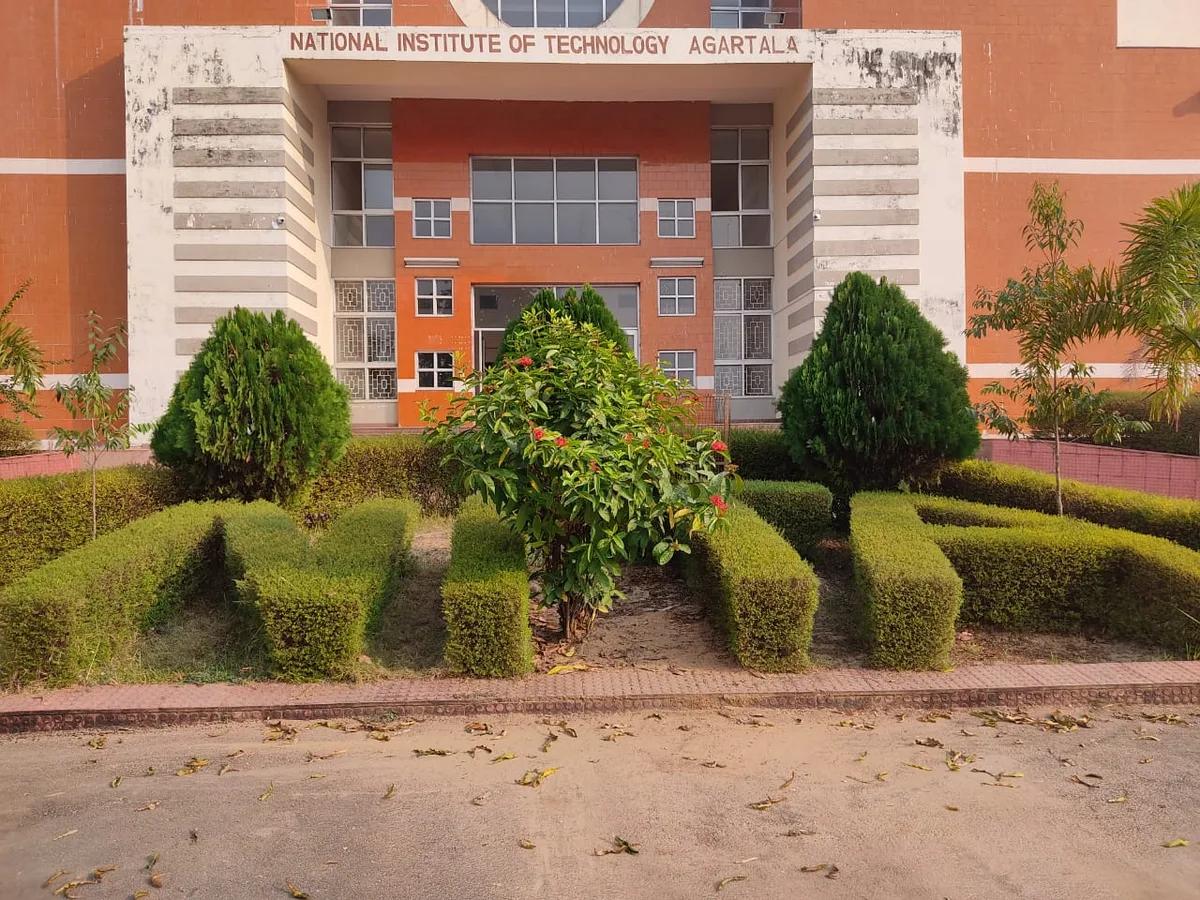

Located in the educational landscape of West Tripura, Tripura, National Institute of Technology, Agartala was established in 1965 to deliver transformative education. Affiliated with Tripura State University and adhering to statutory benchmarks established by All India Council for Technical Education (AICTE), the institution delivers specialized academic curricula centered on engineering innovation, applied science, computational systems, and advanced technical research. With modern campus amenities encompassing state-of-the-art computational centers, robotics and IoT laboratories, and core engineering workshops, the institution actively bridges conceptual instruction with empirical application. Through structured career placement cells and community outreach, National Institute of Technology, Agartala continues to prepare graduates for impactful careers across regional and global sectors.
Total Fees
₹75K - ₹6.4L
Total Courses
7
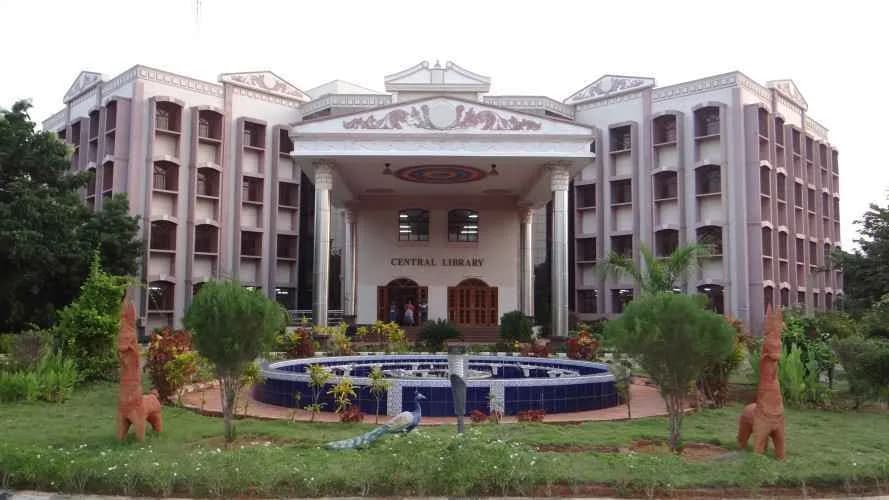

National Institute of Technology Tiruchirappalli (NIT Trichy) is one of India’s premier technical institutions and was established in 1964 as Regional Engineering College, later granted the status of an Institute of National Importance. It offers undergraduate, postgraduate, and doctoral programs in Engineering, Science, Management, and Architecture. The institute is known for academic excellence, strong industry collaborations, and excellent placement records.
Total Fees
₹2.3L - ₹8.1L
Total Courses
9
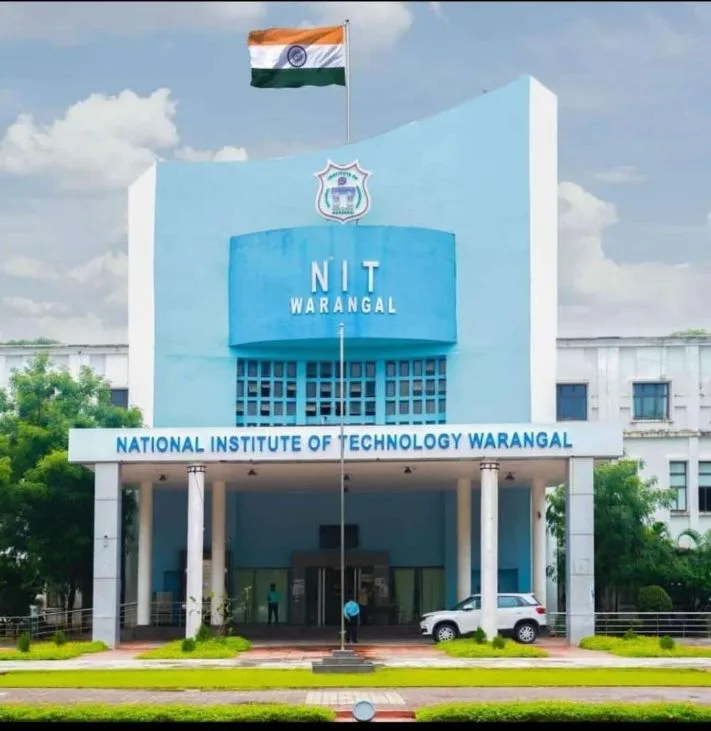

With an educational trajectory spanning 67 years since its inception in 1959, National Institute of Technology, Warangal serves as a prominent seat of learning in Warangal, Telangana. The institution is affiliated with Telangana State University and recognized by All India Council for Technical Education (AICTE), imparting rigorous programs anchored in engineering innovation, applied science, computational systems, and advanced technical research. The campus is equipped with state-of-the-art computational centers, robotics and IoT laboratories, and core engineering workshops, creating an immersive environment for scholarly development and collaborative innovation. Graduates of National Institute of Technology, Warangal emerge as competent, socially conscious professionals poised to assume impactful roles in diverse professional domains.
Total Fees
₹1.4L - ₹21.6L
Total Courses
7
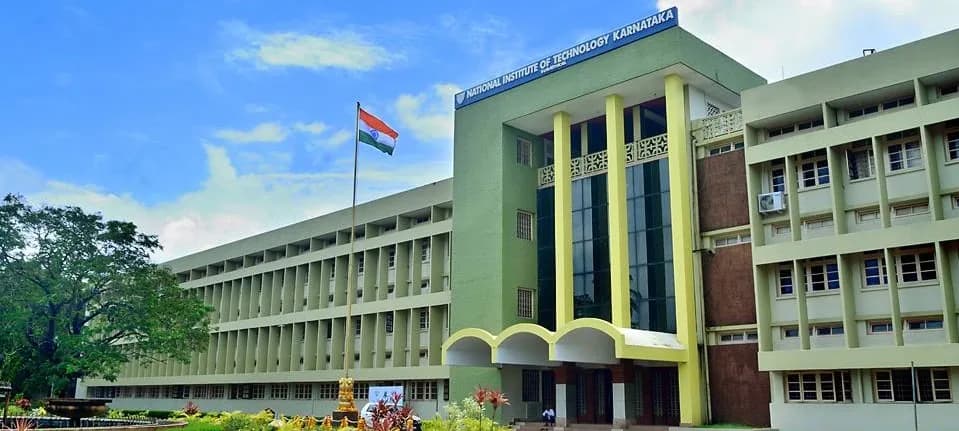

National Institute of Technology Karnataka, Surathkal (NITK) is one of the top engineering institutes in India and an Institute of National Importance. Established in 1960, it is known for its strong academic excellence, research output, and exceptional placement records. Located near the Arabian Sea, NITK offers undergraduate, postgraduate, and doctoral programs in engineering, science, and management.
Total Fees
₹89K - ₹5.7L
Total Courses
6
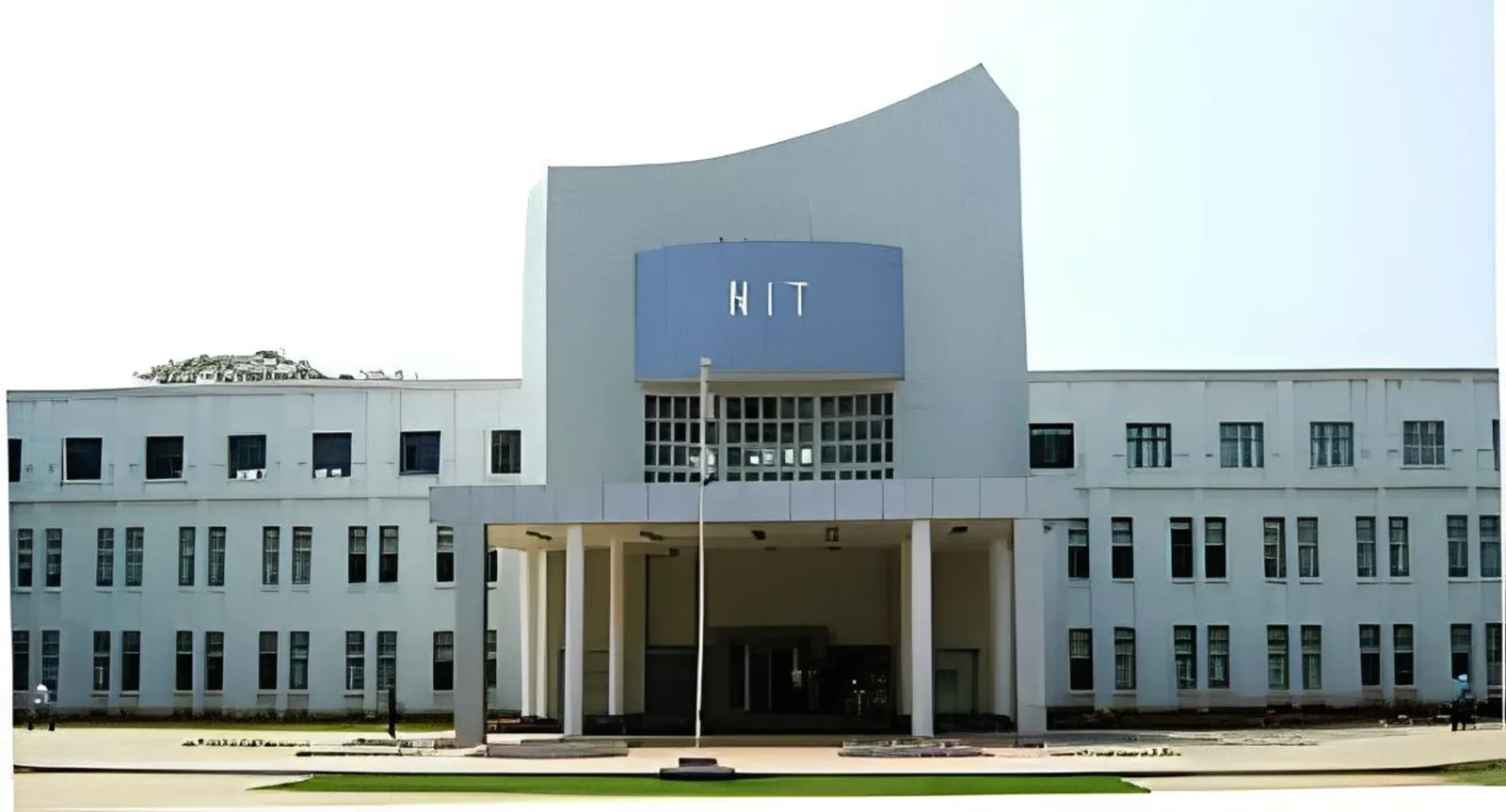

National Institute of Technology Mizoram (NIT Mizoram) is one of the 31 NITs in India, established in 2010. It is an Institute of National Importance under the Ministry of Education, Government of India. The institute offers undergraduate, postgraduate, and doctoral programs in engineering, science, and technology, and is known for its growing academic excellence and research initiatives.
Total Fees
₹2L - ₹6.1L
Total Courses
3
Get More Info About NIT Chemical Engineering
Recommended Reading

BITSAT 2024-25: Your Definitive Guide to Exam Pattern, Syllabus & Preparation
Navigate the BITSAT with confidence using this comprehensive guide. Understand the exam pattern, crucial syllabus topics, and effective preparation strategies to secure your dream engineering seat at BITS Pilani, Goa, or Hyderabad.

LPU MBA Admission 2027: Fees, LPUNEST and Placements
Planning to pursue an MBA at Lovely Professional University? Explore the admission process, LPUNEST, eligibility, fees, scholarships, specialisations and career opportunities for the 2027 intake.

CUET 2027 Science Syllabus: Your Definitive Guide to UG Admissions
Prepare effectively for CUET 2027 Science with our comprehensive guide. Understand the detailed syllabus for Physics, Chemistry, Biology, and Mathematics to secure your dream university admission.