

Multimodal Learning: The Future of Higher Ed with VR/AR
Admission & Info Tools
Need Expert Assistance?
Our counselors can help you with fee structures, eligibility guidelines, and upcoming admission cutoffs instantly.
Direct Application Tools
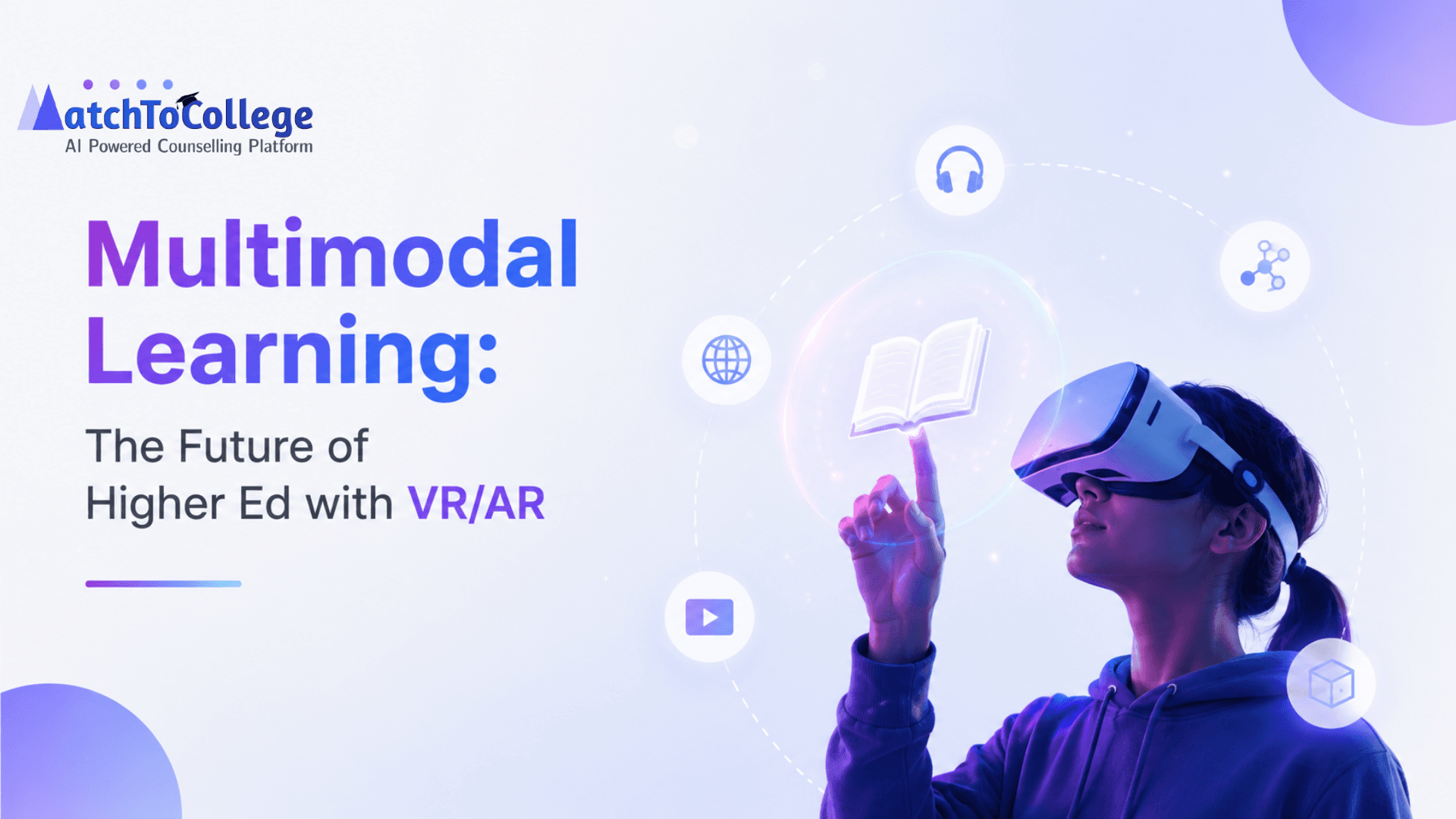
The Future of Higher Ed with VR/AR
The landscape of higher education is undergoing a seismic shift, moving beyond traditional chalkboards and passive lecture halls into an era of dynamic, immersive learning. For students aiming for the best courses in 2026, understanding this evolution is not just an advantage—it's a necessity. We're talking about the rise of multimodal learning, a powerful approach that integrates various sensory experiences to create a richer, more effective educational journey. Imagine not just watching a lecture on quantum physics, but stepping into a virtual laboratory to manipulate subatomic particles; not just reading about ancient Rome, but walking through its digital streets. This isn't science fiction; it's the present and future of advanced pedagogy, powered significantly by the synergy of Virtual Reality (VR) and Augmented Reality (AR) alongside traditional video lectures.
For too long, education has been largely unidirectional. While video lectures revolutionized accessibility, they often fall short in fostering deeper engagement and practical application. Enter VR and AR, technologies poised to bridge this gap, transforming learning from passive reception into active, experiential exploration. Leading institutions are rapidly adopting these tools, recognizing their potential to unlock unprecedented levels of understanding and skill development.
At MatchToCollege, an AI-powered higher education counseling platform, we understand that navigating this rapidly evolving environment can be daunting. Our mission is to connect ambitious students with institutions setting trends in innovative learning. This blog post will delve into why multimodal learning, particularly VR/AR with video lectures, is becoming the gold standard for higher education, preparing you for academic excellence in 2026 and beyond. We’ll explore how these technologies enhance comprehension, boost retention, and foster critical thinking, shaping a new generation of future-ready graduates.
The Power of Multimodal Learning: Engaging Every Sense
Multimodal learning is an educational strategy that integrates multiple sensory input channels and learning styles. Instead of relying solely on auditory or visual stimuli, it combines various modes like visual (videos, diagrams), auditory (lectures, podcasts), kinesthetic (simulations, VR/AR experiences), and even textual (readings, interactive exercises). The fundamental principle is rooted in cognitive science: the more ways a learner engages with content, the stronger and more diverse the neural pathways formed, leading to enhanced comprehension and long-term retention.
This method acknowledges that learners are not monolithic. By offering content through diverse modalities, educators can cater to a broader spectrum of learning preferences, ensuring complex ideas are accessible and digestible for everyone. For instance, a student struggling with a theoretical concept in a video lecture might find clarity interacting with a virtual representation of that concept. This holistic engagement transforms learning from a one-size-fits-all model into a rich, adaptive experience that maximizes individual potential.
VR/AR: Beyond Passive Viewing to Immersive Engagement
While video lectures significantly improved access, their primary limitation often lies in their passive nature. Students watch, listen, and absorb, but rarely interact with the material in a meaningful way. This is where Virtual Reality (VR) and Augmented Reality (AR) step in, ushering in an era of immersive and experiential learning. VR transports learners into entirely simulated environments, allowing them to explore, experiment, and interact with digital objects. Imagine medical students practicing complex surgeries in a risk-free virtual operating room, or engineering students dismantling and reassembling virtual engines.
Augmented Reality, conversely, overlays digital information onto the real world. Picture biology students dissecting a virtual frog on a real lab table, or architecture students visualizing a 3D building model projected onto their desk. These technologies transform abstract concepts into tangible, interactive experiences, dramatically improving engagement and understanding. They shift learning from "knowing about" to "knowing by doing," fostering critical thinking and problem-solving skills that passive consumption cannot achieve.
The Synergy: VR/AR + Video Lectures for Deeper Learning
The true power of next-generation education doesn't lie in replacing one modality with another, but in seamlessly integrating them. The most effective courses in 2026 will master the synergy between traditional video lectures and immersive VR/AR experiences. Video lectures excel at delivering foundational knowledge, introducing complex theories, and providing structured explanations from expert faculty. They are accessible, flexible, and repeatable, serving as an excellent baseline for initial understanding.
However, when those foundational concepts need to be applied, explored, or experienced in context, VR/AR becomes indispensable. Students can watch a video explaining fluid dynamics, then step into a VR simulation to design and test different hydraulic systems. They can learn about historical events through documented lectures, then walk through a reconstructed ancient city in AR to truly feel the context. This blended approach creates a comprehensive and profoundly effective learning cycle: absorb knowledge, then apply and experience it. This dramatically enhances information retention, problem-solving abilities, and the development of practical, real-world skills.
Preparing for the 2026 Educational Landscape: Your Competitive Edge
As we look towards 2026, institutions embracing multimodal learning through VR/AR integration will lead higher education. Students choosing these programs won't just earn a degree; they will gain an unparalleled competitive edge, equipped with future-proof skills and a deeper understanding of their field. Preparing for this evolving landscape means looking beyond traditional course descriptions and asking critical questions about how colleges leverage technology to enhance learning outcomes.
This shift emphasizes selecting a university that aligns with these progressive methodologies. Graduates from programs integrating immersive technologies will possess superior analytical skills, practical experience, and comfort with cutting-edge tools that employers increasingly demand. They will be innovators, problem-solvers, and leaders, ready for tomorrow's complex challenges. Understanding this trajectory early is key to making informed decisions about your academic future.
Navigate Your Future with MatchToCollege
Discovering colleges and programs pioneering multimodal learning, including advanced VR/AR integration, can be complex. This is where MatchToCollege provides invaluable assistance. Our AI-powered platform is designed to connect you with institutions that not only match your academic aspirations but also offer the innovative learning environments defining the future of education. We analyze your profile, preferences, and career goals to recommend programs utilizing cutting-edge technologies, ensuring you're prepared for the demands of 2026 and beyond.
Don't just choose a college; choose a future. Let MatchToCollege be your guide to unlocking truly revolutionary educational opportunities, equipping you with the immersive, practical experience needed to excel. Begin your journey toward a brighter academic and professional future today.
Share this Article
FAQFrequently Asked Questions
Q: What is multimodal learning in higher education?
Multimodal learning in higher education is an approach that integrates various sensory inputs and learning styles, such as visual (video, diagrams), auditory (lectures), and kinesthetic (VR/AR simulations), to enhance comprehension, engagement, and long-term retention of complex information. It caters to diverse learning preferences by delivering content through multiple channels.
Q: How do VR and AR enhance traditional video lectures in 2026 courses?
VR and AR transform passive video lecture content into active, experiential learning. While video lectures provide foundational knowledge, VR/AR allows students to apply concepts in immersive, interactive environments. This synergy enables virtual labs, historical simulations, and practical skill development, leading to deeper understanding, better retention, and real-world competency beyond what traditional viewing alone can offer.
Get More Info About Multimodal Learning
Recommended Reading
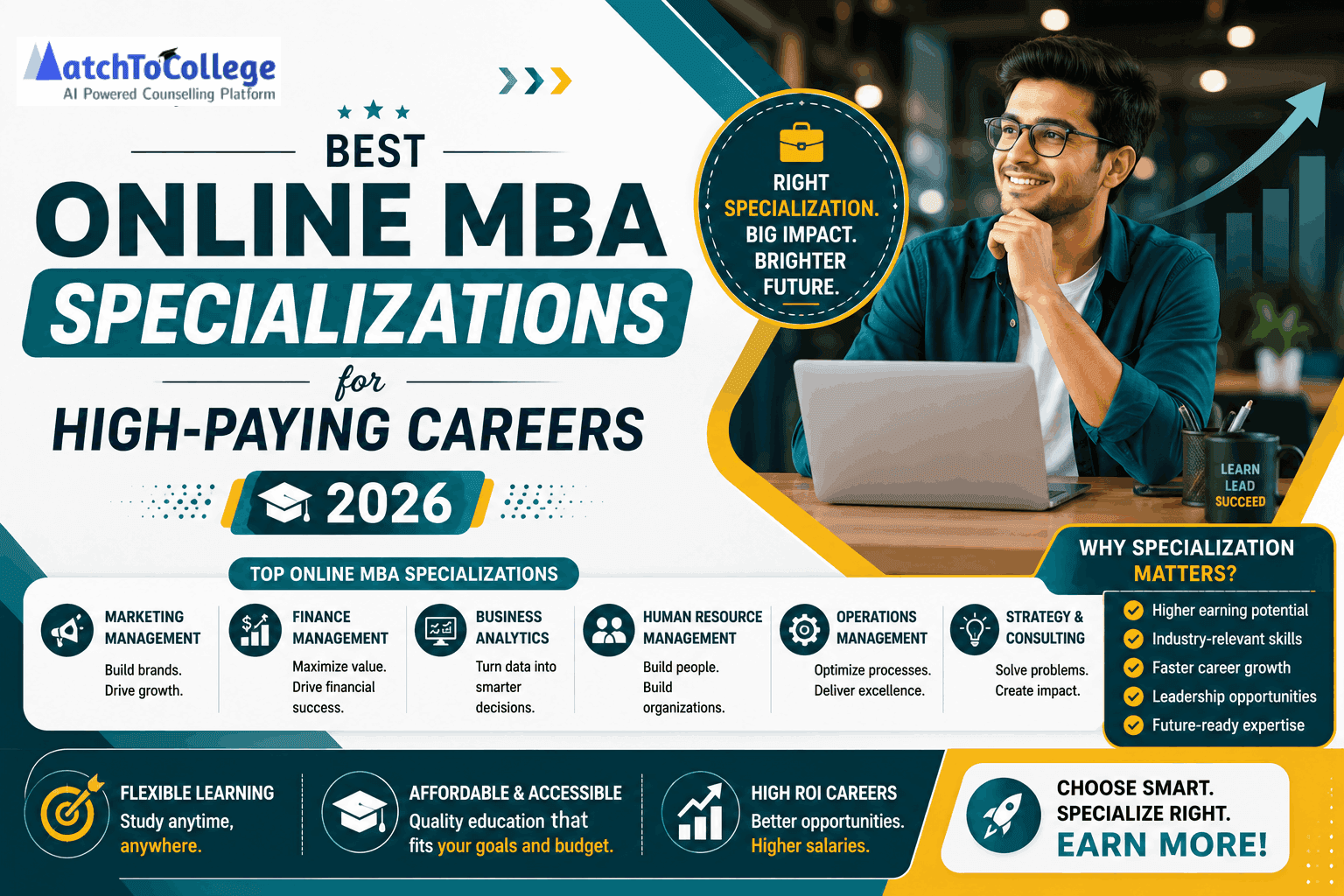
Best Online MBA Specializations for High-Paying Careers 2026
Discover the most lucrative online MBA specializations for 2026-27. Compare ROI, career growth, and use our AI tools to find your perfect management path.
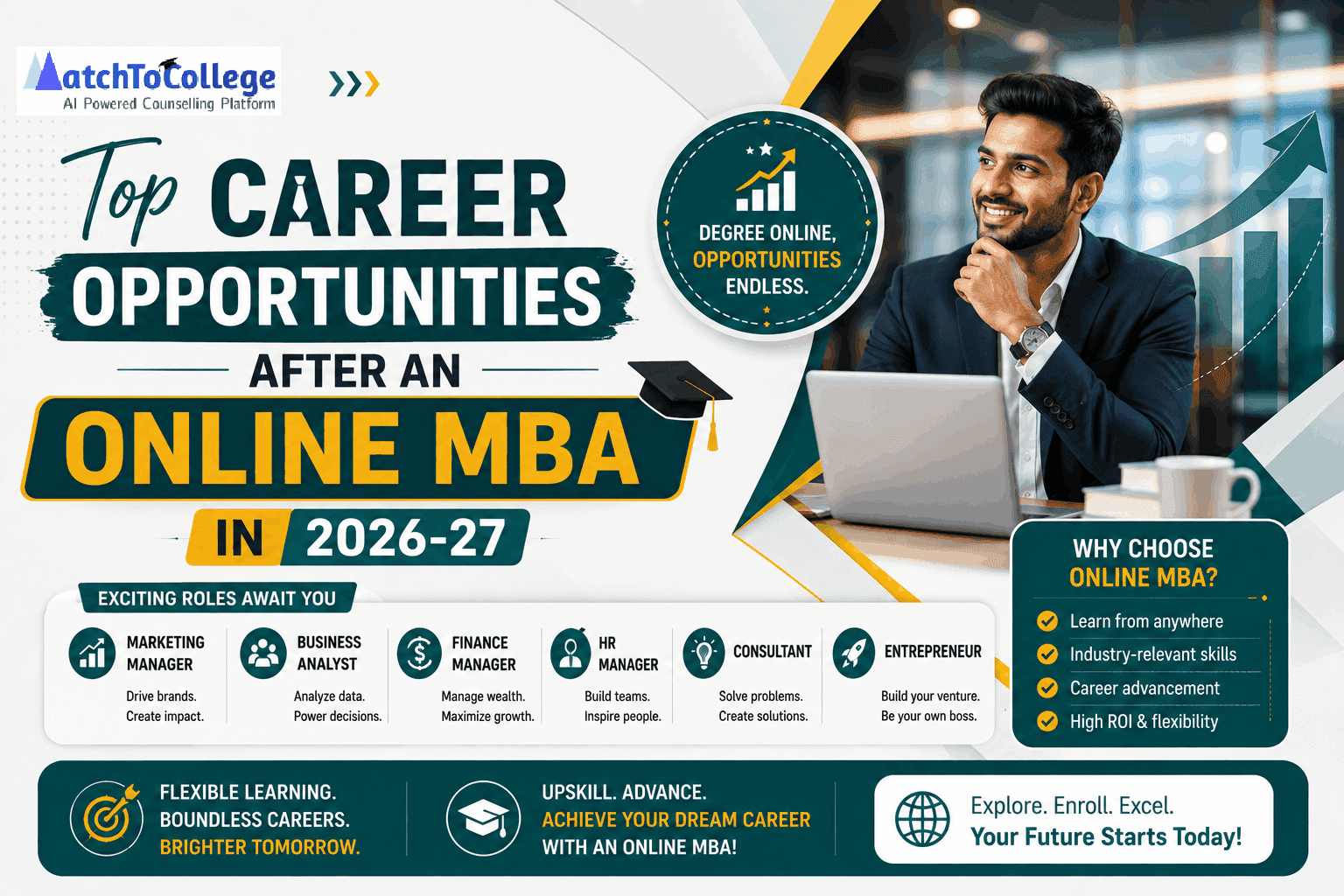
Top Career Opportunities After an Online MBA in 2026-27
Discover high-paying career paths and roles after an online MBA in 2026-27. Explore salary trends, ROI, and tools to navigate your future professional success.
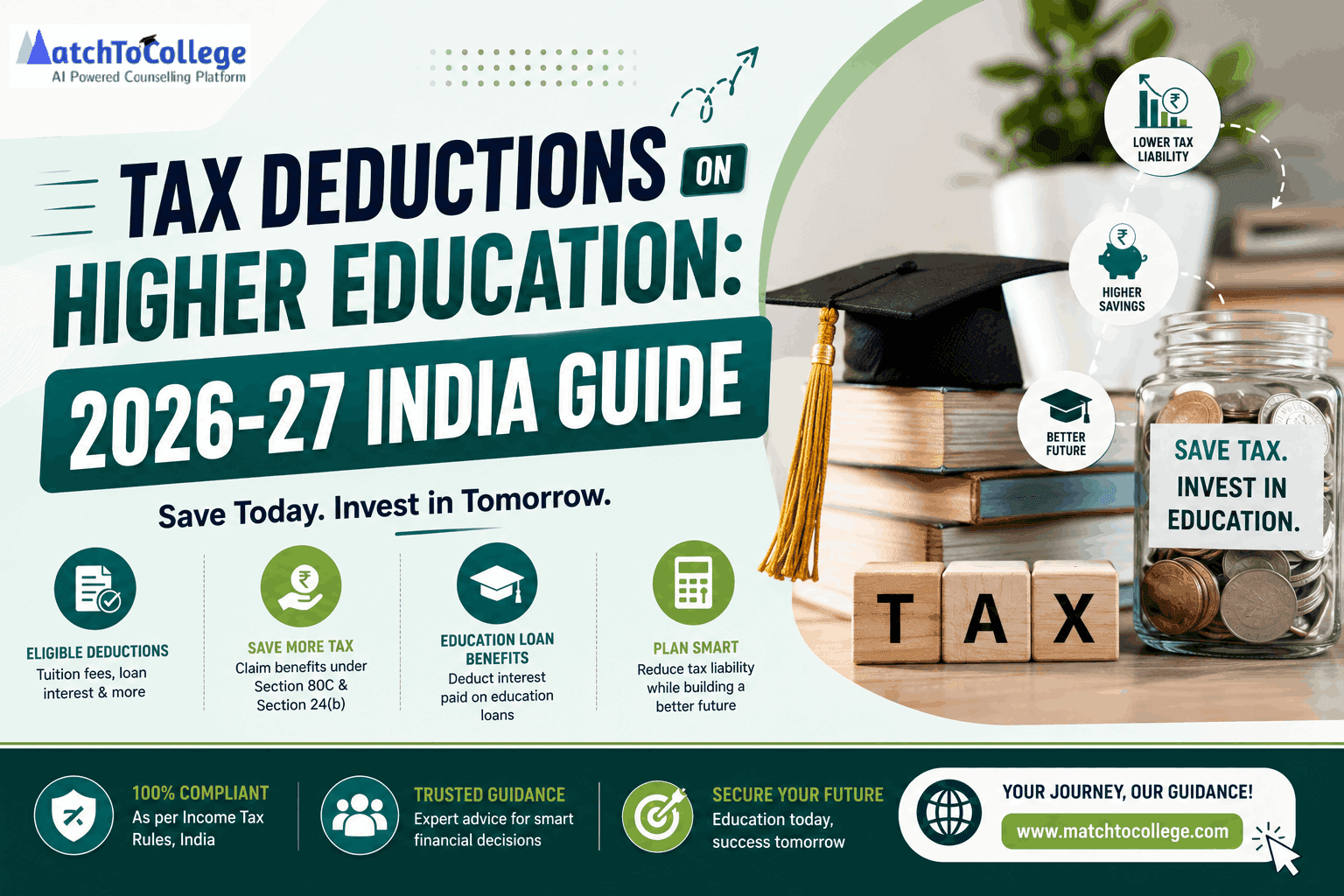
Tax Deductions on Higher Education: 2026-27 India Guide
Maximize your savings with our guide on tax deductions for higher education fees in India for FY 2026-27. Learn about Section 80C, 80E, and upskilling benefits.