

Journalism & Mass Comm Admissions 2026: Your Guide
Admission & Info Tools
Need Expert Assistance?
Our counselors can help you with fee structures, eligibility guidelines, and upcoming admission cutoffs instantly.
Direct Application Tools
Journalism & Mass Comm Admissions 2026
The world of media is a vibrant, ever-evolving landscape, profoundly impacting global narratives and public discourse. From the frontline reporting of breaking news and in-depth investigative journalism to the strategic crafting of compelling marketing campaigns and the subtle art of shaping public opinion, a career in Journalism & Mass Communication offers unparalleled opportunities to inform, influence, and innovate. As we set our sights on the 2026 academic year, countless aspiring media professionals are beginning to meticulously explore their options, seeking the very best programs that will equip them with the advanced skills and profound knowledge needed to not just survive but thrive in this exciting and competitive field. This dynamic environment demands more than just raw passion; it requires strategic planning, astute decision-making, and precise execution throughout your college application journey. Navigating the myriad of reputable universities, deciphering their often-unique eligibility criteria, and rigorously preparing for stringent entrance examinations can feel like an overwhelming task, a complex maze for many students and their parents. That’s precisely where MatchToCollege steps in as your invaluable partner.
At MatchToCollege, our cutting-edge, AI-powered higher education counselling platform is meticulously designed to simplify this intricate process, offering personalized, data-driven guidance every step of the way. We deeply understand that choosing the right Journalism or Mass Communication program is not merely an academic decision but a pivotal life choice that will significantly shape your future career trajectory. Whether your ultimate dream is to become an acclaimed investigative journalist, a savvy public relations specialist, a creative advertising guru, a digital media innovator, or a compelling content creator, securing admission to a top-tier institution is the first, most crucial step towards realizing those ambitions. This comprehensive guide will illuminate the clearest path to 2026 admissions, delving into key eligibility requirements, highlighting internationally and nationally renowned colleges, and providing actionable insights to help you craft an application that truly stands out from the crowd. Prepare to embark on a transformative journey that will convert your academic aspirations into a successful academic and professional reality. Let MatchToCollege be your trusted, intelligent partner in achieving your media career ambitions. We are here to ensure your application shines and opens doors to your dream media school.
The Evolving Landscape: Why New Programs are Essential for 2026
The path to a successful career in journalism and mass communication begins with a strong educational foundation. For the 2026 admission cycle, prospective students need to understand the nuances of various programs, from traditional journalism degrees to modern digital media and communication studies. Many universities offer specialized tracks like broadcast journalism, print media, public relations, advertising, corporate communication, and film studies. When researching programs, consider the curriculum, faculty expertise, internship opportunities, and industry connections. A program strong in media ethics and practical skills will provide a significant advantage. It's crucial to identify institutions that align with your specific career interests and offer a robust learning environment for developing critical thinking, research, writing, and communication skills. MatchToCollege's AI can help you filter through hundreds of programs to find your perfect match, ensuring you focus on institutions that truly prepare you for the future of media.
Future-Ready Courses: What to Expect from Indian Universities
Eligibility criteria for Journalism & Mass Communication programs in 2026 will vary significantly between institutions, but several common requirements typically apply. Most undergraduate programs require a high school diploma or equivalent, with a strong academic record, particularly in subjects like English, History, and Social Sciences. Some prestigious media schools might require a minimum aggregate percentage, often ranging from 50% to 60% in your qualifying examinations.
Entrance examinations are a common hurdle for many top colleges. These tests often assess general awareness, current affairs, English language proficiency, logical reasoning, and sometimes creative writing skills. Examples include the Common University Entrance Test (CUET) for many Indian universities, Christ University Entrance Test (CUET - different from the national one), Symbiosis Entrance Test (SET), and specific university-administered tests. For international programs, standardized tests like the SAT or ACT, along with English proficiency tests such as TOEFL or IELTS, are mandatory.
Beyond academic scores and test results, many programs emphasize portfolios, essays, and interviews. A strong portfolio might include samples of your writing (articles, blog posts), photography, video projects, or any other creative work demonstrating your communication abilities and passion for media studies. An impactful essay can articulate your motivations and career aspirations, while an interview provides an opportunity to showcase your personality, critical thinking, and communication prowess. MatchToCollege provides resources and guidance on preparing for these crucial components, helping you build a compelling application.
How MatchToCollege Guides You to Your Perfect New Program
Choosing the right institution is paramount. While rankings fluctuate, certain universities consistently stand out for their exceptional Journalism & Mass Communication programs. Here's a glimpse at some highly regarded institutions globally and within India, known for their academic rigor, industry connections, and state-of-the-art facilities:
| Institution | Details |
| Indian Institute of Mass Communication (IIMC), Delhi | One of India’s premier institutions for media studies, renowned for its postgraduate diploma programs in journalism, advertising, public relations, and digital media. |
| Christ University, Bengaluru | Offers diverse undergraduate and postgraduate journalism and mass communication programs with strong practical training and excellent placement opportunities. |
| Symbiosis Institute of Media and Communication (SIMC), Pune | Known for its industry-oriented curriculum in media, public relations, advertising, and communication studies with strong corporate exposure. |
| Delhi University (LSR, IP College, etc.) | Colleges like Lady Shri Ram College for Women and Indraprastha College for Women offer popular BA (Hons.) Journalism programs with a strong academic base and excellent reputation. |
| Manipal Institute of Communication (MIC), Manipal | A reputed private institution offering a wide range of media and communication courses with international exposure and practical learning opportunities. |
| Northwestern University (Medill School of Journalism), USA | Globally recognized as one of the best journalism schools, offering advanced programs in digital, broadcast, and investigative journalism. |
| University of Missouri (Missouri School of Journalism), USA | One of the oldest journalism schools in the world, famous for its hands-on “Missouri Method” approach to journalism education. |
| London School of Economics and Political Science (LSE), UK | Offers highly respected media and communication programs with a strong emphasis on theory, policy, and research in global media studies. |
When shortlisting colleges, consider factors like faculty-to-student ratio, alumni network, campus culture, and post-graduation career support. MatchToCollege can help you explore these institutions in detail, providing insights into their admission statistics and program specifics, ensuring you make an informed decision for your media career.
Share this Article
FAQFrequently Asked Questions
Q: What are the key skills required for a Journalism & Mass Communication degree?
Essential skills include strong writing and verbal communication, critical thinking, research abilities, creativity, adaptability to new technologies, ethical awareness, and curiosity about current affairs and public discourse. Developing a strong portfolio of practical work is also highly beneficial.
Q: Is a portfolio mandatory for all Journalism & Mass Communication admissions in 2026?
While not always explicitly mandatory for every program, a compelling portfolio significantly boosts your application, especially for top-tier institutions. It demonstrates practical skills, initiative, and passion for media studies. Even if not required, submitting one is highly recommended to showcase your abilities.
Top Colleges Covered in this Blog
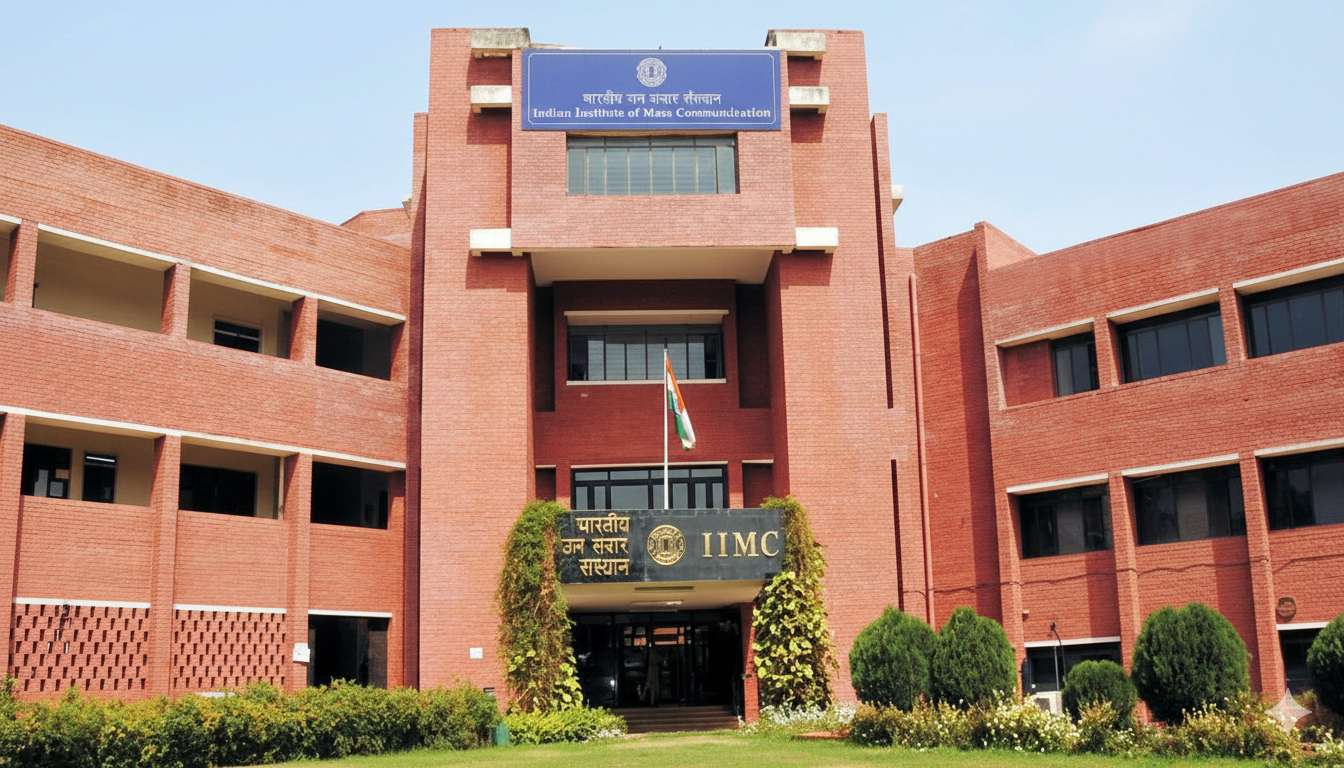
Indian Institute of Mass Communication
Indian Institute of Mass Communication
The Indian Institute of Mass Communication considers communication as an imperative for development and is committed to serving society by providing world class teaching, training, and research, thus preparing students, officers, and practitioners to take on the challenges of an ever-evolving world. IIMC’s training programs have been tailored to meet the needs of developing countries, and this makes IIMC different and places it in a unique position. This also gives a unique identity and character to IIMC alumni, who hold positions of responsibility and repute all across the world. IIMC enjoys a pride of place in mass communication education, training, and research. This is also reflected in its top position among the various evaluation studies undertaken by media and professional bodies year after year. Inaugurated on August 17, 1965, by the then Minister for Information and Broadcasting, Smt. Indira Gandhi, the Institute started with a small staff, including two consultants from UNESCO.
Total Fees
₹62K - ₹3.4L
Total Courses
4
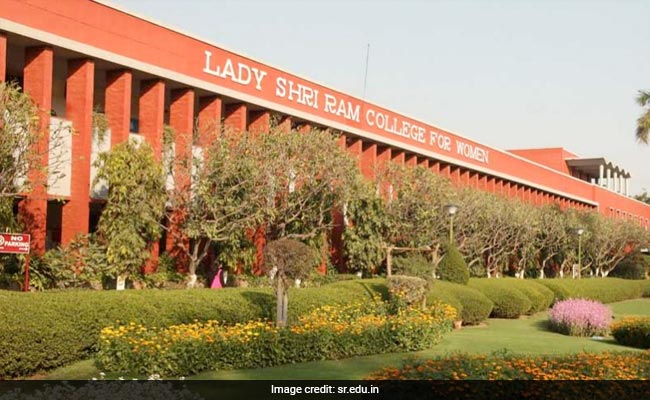
Lady Shri Ram College for Women
Lady Shri Ram College for Women
Lady Shri Ram College for Women is one of India’s premier institutions for higher education in humanities, social sciences, commerce, and sciences. Established in 1956, the college is known for academic excellence, strong research culture, outstanding faculty, and exceptional student outcomes. It consistently ranks among the top colleges in India.
Total Fees
₹36K - ₹1L
Total Courses
7
Indraprastha College for Women
Indraprastha College for Women
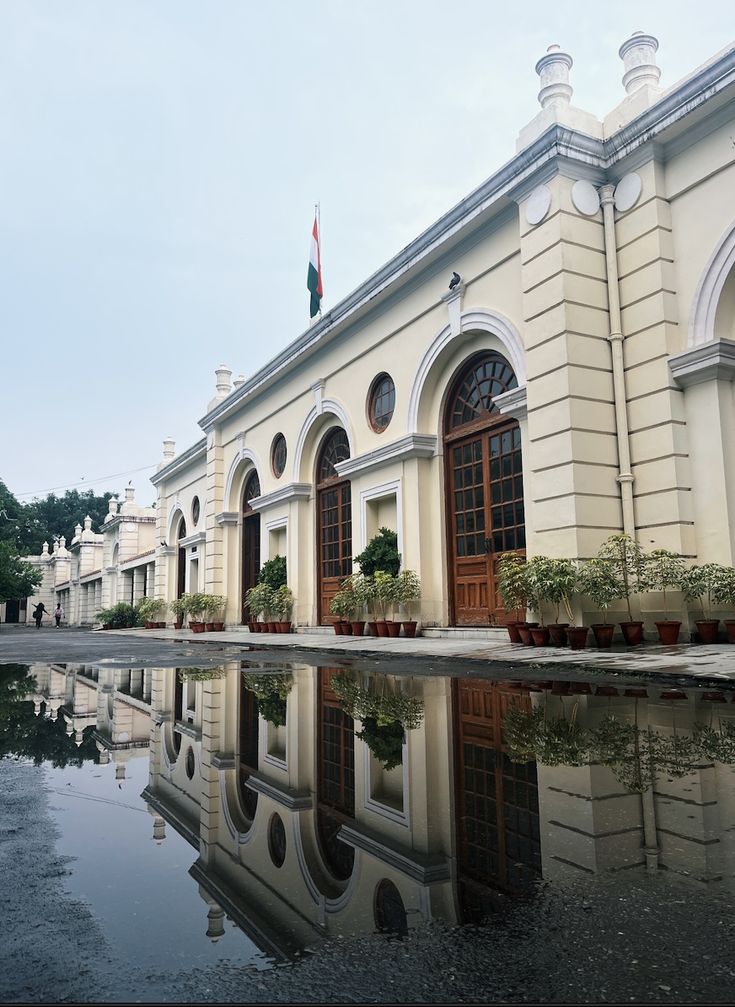
Indraprastha College for Women (estd. 1924) is a constituent college of the University of Delhi and its oldest women’s college. Founded to promote women’s education and empowerment, it is located on a heritage campus and is a landmark of Delhi. The College has around 3500 UG and PG students and offers interdisciplinary programmes in Humanities, Mathematical Sciences, and Commerce. It is NAAC accredited with Grade A+ and has an active IQAC. The College follows a Need-Blind Admission Policy, is 100% barrier-free, and supports diversity through its Enabling Unit, Equal Opportunity Cell, financial aid, research grants, mentorship, career guidance, medical and counselling services, and skill development initiatives. It has nine Research and Learning Resource Centres, two hostels with 450 seats, a well-equipped library, auditorium, community radio, modern labs, and strong sports infrastructure including a swimming pool and gym. Environmental sustainability and an animal-friendly campus are integral to its ethos.
Total Fees
₹29K - ₹1.5L
Total Courses
5

Manipal University
Manipal University
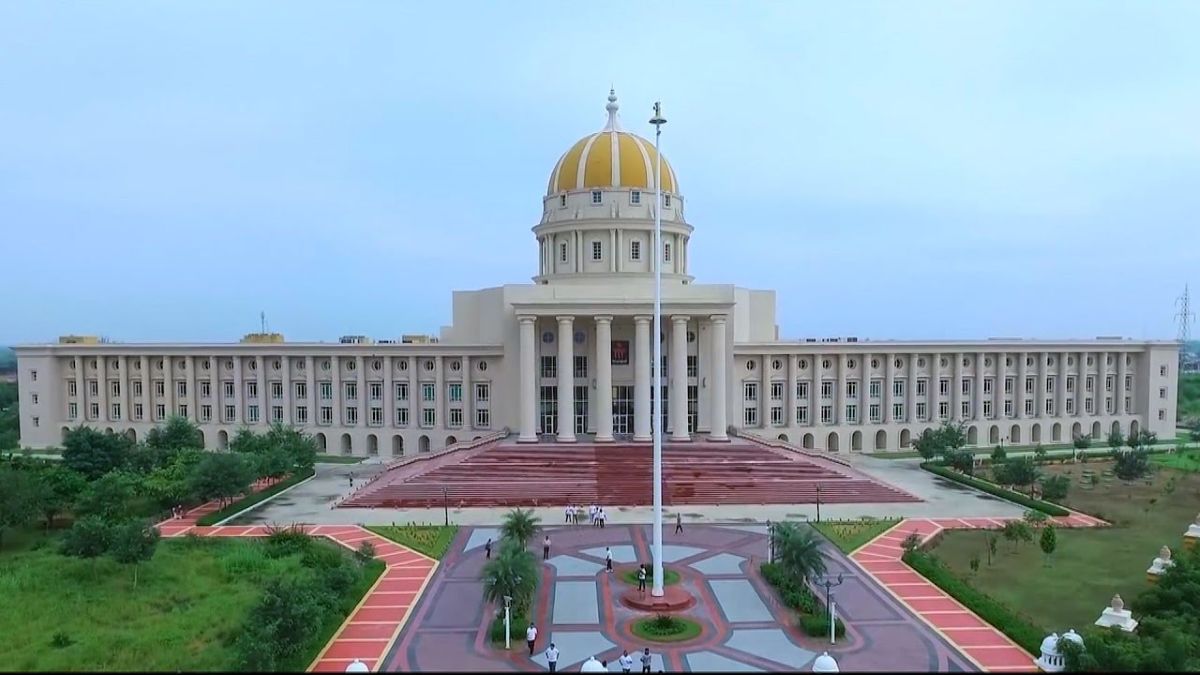
Online Manipal Jaipur offers UGC-entitled degrees fully online, combining academic rigour, flexible delivery, and a robust LMS, with programs designed to meet industry standards through skilled faculty and global mentors
Total Fees
₹80K - ₹1.8L
Total Courses
5
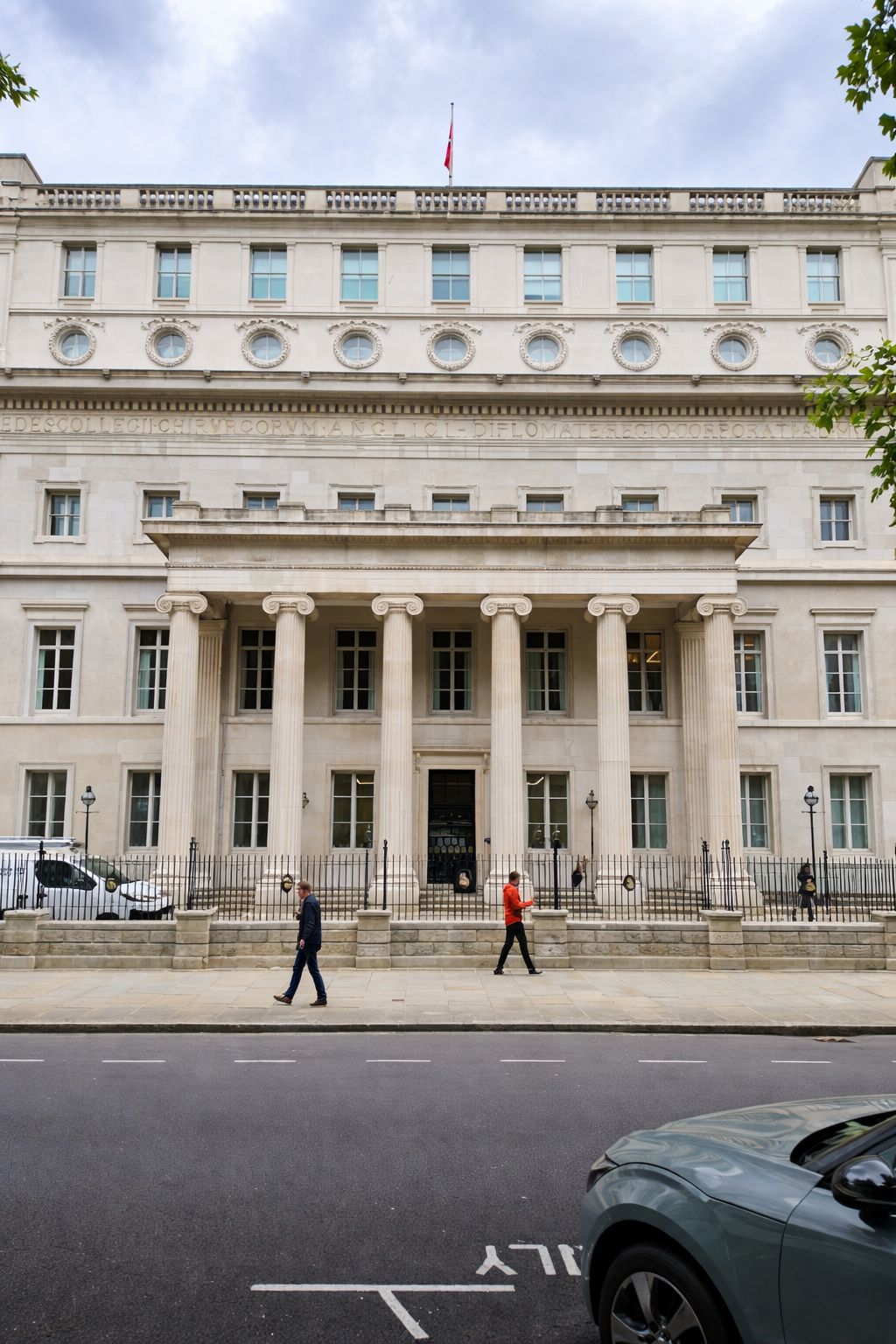
London School of Economics and Political Science
London School of Economics and Political Science
The London School of Economics and Political Science (LSE) is one of the world’s leading universities for the study of social sciences. Located in London, the institution is known for its excellence in subjects such as economics, politics, sociology, law, and international relations. Established in 1895, LSE has built a strong global reputation for academic research, innovative teaching, and policy influence. The school attracts students from more than 130 countries, creating a diverse and international learning environment. Its graduates include world leaders, Nobel Prize winners, economists, and policymakers who contribute significantly to global development and decision-making.
Total Fees
£27K - £1.1L (₹33.9L - ₹132L)
Total Courses
9
Get More Info About Journalism & Mass Comm Admissions 2026
Recommended Reading

Best Online MBA Specializations for High-Paying Careers 2026
Discover the most lucrative online MBA specializations for 2026-27. Compare ROI, career growth, and use our AI tools to find your perfect management path.

Top Career Opportunities After an Online MBA in 2026-27
Discover high-paying career paths and roles after an online MBA in 2026-27. Explore salary trends, ROI, and tools to navigate your future professional success.
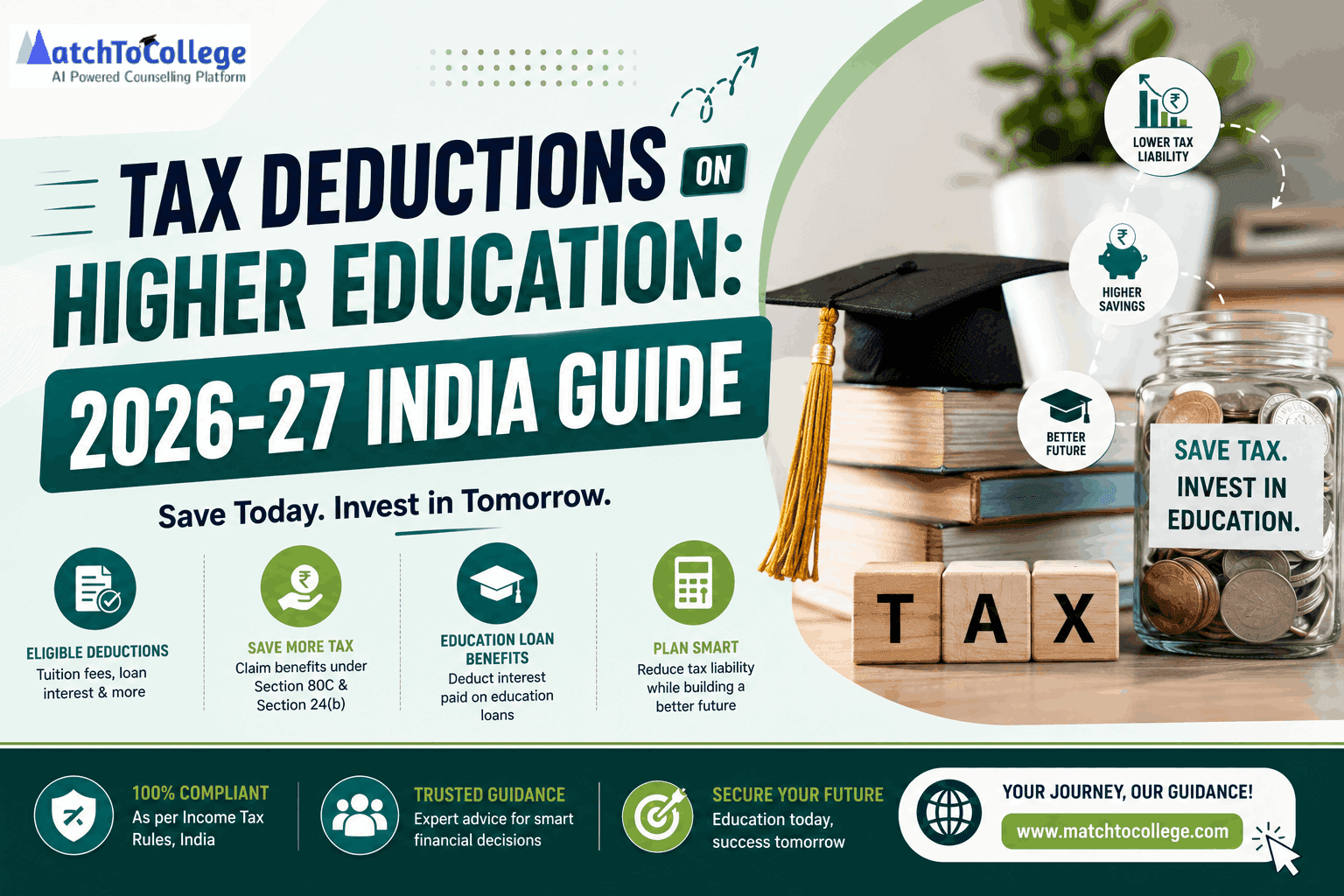
Tax Deductions on Higher Education: 2026-27 India Guide
Maximize your savings with our guide on tax deductions for higher education fees in India for FY 2026-27. Learn about Section 80C, 80E, and upskilling benefits.