

JEE Main B.Arch & B.Planning: Your Definitive Guide to Paper 2 Success
Admission & Info Tools
Need Expert Assistance?
Our counselors can help you with fee structures, eligibility guidelines, and upcoming admission cutoffs instantly.
Direct Application Tools

🎯 MatchToCollege AI Recommendation: Planning your counselling or choice filling? Check your seat allotment probability across premier colleges using the JEE Main College Predictor.
Key Highlights & Program Overview
JEE Main Paper 2 is specifically designed for admission to Bachelor of Architecture (B.Arch) and Bachelor of Planning (B.Planning) courses. It's a distinct paper from the B.Tech examination (Paper 1), focusing on different skill sets. Understanding its structure and demands is the first step towards effective preparation. For instance, the JEE Main 2020 Paper 2 (September 1, afternoon session) was generally considered to be of moderate to difficult difficulty, comprising 102 questions across its sections.
| Parameter | Details |
| Exam Name | JEE Main Paper 2 (B.Arch & B.Planning) |
| Conducting Body | National Testing Agency (NTA) |
| Courses Offered | B.Arch (Bachelor of Architecture), B.Planning (Bachelor of Planning) |
| Exam Frequency | Twice a year (January & April sessions) |
| Exam Mode | Online (Mathematics & Aptitude), Offline (Drawing Test for B.Arch) |
| Total Questions (Example) | 102 (as in JEE Main 2020 Paper 2) |
| Difficulty Level (Example) | Moderate to Difficult (as in JEE Main 2020 Paper 2) |
Eligibility Criteria & Selection Process
To be eligible for JEE Main Paper 2, candidates must meet specific academic requirements. It's crucial to review the official NTA information for the most current criteria each year.
- Educational Qualification: Candidates must have passed 10+2 or an equivalent examination with Physics, Chemistry, and Mathematics as compulsory subjects. For B.Arch, a minimum aggregate percentage (often 50%) in these subjects is typically required.
- Age Limit: There is no age limit for appearing in JEE Main.
- Number of Attempts: Candidates can appear for JEE Main for three consecutive years.
The selection process for B.Arch and B.Planning programs primarily relies on your JEE Main Paper 2 score. Post-examination, qualified candidates participate in centralized counselling conducted by the Joint Seat Allocation Authority (JoSAA) or Central Seat Allocation Board (CSAB) for admission to IITs, NITs, SPAs, and other GFTIs. Individual state-level counselling bodies also utilize JEE Main scores for admissions to their respective colleges.
Top Colleges & Fee Comparison
Securing a high rank in JEE Main Paper 2 opens doors to some of the most esteemed institutions for Architecture and Planning in India. These colleges offer robust curricula, excellent faculty, and strong industry connections. While fees vary significantly, the return on investment (ROI) from a degree from these institutions is generally high due to strong placement records and career growth opportunities.
| Institute Type | Prominent Colleges (Examples) |
| IITs (B.Arch) | IIT Kharagpur, IIT Roorkee |
| NITs (B.Arch & B.Planning) | NIT Calicut, NIT Trichy, NIT Hamirpur, NIT Bhopal |
| SPAs (B.Arch & B.Planning) | SPA Delhi, SPA Bhopal, SPA Vijayawada |
| Other GFTIs | CEPT University (Ahmedabad), School of Planning and Architecture (JNTU Hyderabad) |
| Estimated Annual Fees (INR) | ₹1,00,000 - ₹3,00,000 (for Government/Aided Institutions) |
| Estimated Annual Fees (Private) | ₹2,00,000 - ₹5,00,000+ |
Career Scope, Placements & Expected ROI
A degree in Architecture or Planning from a reputable institution offers diverse and rewarding career paths. Both fields are dynamic, constantly evolving with technological advancements and societal needs.
- B.Arch Career Paths: Graduates can work as licensed architects, urban designers, landscape architects, interior designers, conservation architects, or even pursue roles in project management and construction. Opportunities exist in architectural firms, real estate development companies, government agencies, and as independent consultants.
- B.Planning Career Paths: Planners are crucial for sustainable urban development. Roles include urban planner, regional planner, transport planner, environmental planner, housing planner, and GIS specialist. Employers range from municipal corporations, urban development authorities, government planning departments, NGOs, and private consulting firms.
Placement Insights & Average Packages:
Placements for B.Arch and B.Planning graduates are generally strong, especially from top-tier institutions. Entry-level salaries can range from ₹3.5 LPA to ₹6 LPA, with significant growth potential based on experience, specialization, and portfolio development. Graduates from premier institutes often secure packages upwards of ₹7-8 LPA. The ROI is excellent, considering the long-term career stability and impact these professions offer.
Admissions Checklist & Important Tips
Navigating the JEE Main Paper 2 admission process requires meticulous planning and strategic preparation. Here’s a checklist and some essential tips from our experts:
- Understand the Syllabus: Familiarize yourself thoroughly with the Mathematics, Aptitude Test, and Drawing Test syllabi. The Aptitude section tests spatial reasoning, visual memory, and architectural awareness.
- Practice Previous Year Papers: Solving past question papers is non-negotiable. It helps you understand the exam pattern, question types, time management, and identify your strengths and weaknesses. For instance, analyzing papers like the JEE Main 2020 B.Arch & B.Planning (September 1, afternoon session) can provide valuable insights into difficulty trends and common themes.
- Focus on Drawing Skills: For B.Arch, the Drawing Test is critical. Practice freehand sketching, perspective drawing, composition, and understanding of scale and proportion.
- Enhance General Aptitude: Work on logical reasoning, mental ability, and general awareness related to architecture and planning.
- Time Management: Practice solving papers within the stipulated time to build speed and accuracy.
- Stay Updated: Keep an eye on official NTA notifications for application deadlines, exam dates, and syllabus changes.
- Utilize Prediction Tools: To gauge your admission chances based on your expected JEE Main score or rank, leverage reliable resources. You can predict the best B.Tech colleges for your JEE Main 2026 score or rank using our JEE Main College Predictor. This tool can provide valuable insights into potential college matches.
- Build a Strong Portfolio (if applicable): While not directly for JEE Main, a strong portfolio can be beneficial for subsequent interviews or direct admissions to some private institutions.
🏛️ Looking for Admissions & College Cutoffs? Explore verified fee structures, seat matrices, and real student reviews across top institutions on the MatchToCollege Top Colleges & Universities in India Directory.
Frequently Asked Questions
Q: Why are previous year papers crucial for JEE Main B.Arch/B.Planning preparation?
Previous year papers are indispensable for JEE Main Paper 2. They help you understand the exact exam pattern, question distribution across sections (Mathematics, Aptitude, Drawing), typical difficulty levels, and time management strategies. Practicing with them allows you to identify recurring themes, improve speed, and assess your preparation level effectively.
Q: What is the typical difficulty level of JEE Main Paper 2 for B.Arch and B.Planning?
The difficulty level of JEE Main Paper 2 generally ranges from moderate to difficult. While the Mathematics section can be challenging, the Aptitude Test requires strong visual and spatial reasoning, and the Drawing Test demands creative and technical sketching skills. Consistent practice across all sections is key to mastering the exam.
Q: How many questions are usually asked in JEE Main B.Arch/B.Planning Paper 2?
Historically, JEE Main Paper 2 for B.Arch and B.Planning has comprised around 102 questions. This includes questions from Mathematics, the Aptitude Test, and the Drawing Test. It's always advisable to refer to the latest official information bulletin from NTA for the most accurate and updated exam pattern and question count.
Q: Which top colleges accept JEE Main B.Arch/B.Planning scores for admission?
Several premier institutions accept JEE Main Paper 2 scores. These include the Indian Institutes of Technology (IITs) offering B.Arch (e.g., IIT Kharagpur, IIT Roorkee), National Institutes of Technology (NITs), Schools of Planning and Architecture (SPAs) like SPA Delhi, Bhopal, and Vijayawada, and various other Government Funded Technical Institutes (GFTIs) and state-level engineering colleges.
Q: Is there an age limit for appearing in JEE Main Paper 2 for B.Arch/B.Planning?
No, as per the current NTA guidelines, there is no age limit for candidates appearing for JEE Main Paper 2 (B.Arch/B.Planning). However, candidates must meet the specified educational qualification criteria, which typically involves passing the 10+2 examination with specific subjects.
Q: How can I assess my chances of admission to a B.Arch or B.Planning college?
To assess your admission chances, you can use your expected JEE Main Paper 2 score or rank and compare it with previous years' cutoffs for your desired colleges. MatchToCollege offers a specialized JEE Main College Predictor tool that can help you estimate your admission probability to various B.Tech colleges based on your performance, providing valuable guidance for your counselling choices.
Key Highlights & Program Overview
JEE Main Paper 2 is specifically designed for admission to Bachelor of Architecture (B.Arch) and Bachelor of Planning (B.Planning) courses. It's a distinct paper from the B.Tech examination (Paper 1), focusing on different skill sets. Understanding its structure and demands is the first step towards effective preparation. For instance, the JEE Main 2020 Paper 2 (September 1, afternoon session) was generally considered to be of moderate to difficult difficulty, comprising 102 questions across its sections.
| Parameter | Details |
| Exam Name | JEE Main Paper 2 (B.Arch & B.Planning) |
| Conducting Body | National Testing Agency (NTA) |
| Courses Offered | B.Arch (Bachelor of Architecture), B.Planning (Bachelor of Planning) |
| Exam Frequency | Twice a year (January & April sessions) |
| Exam Mode | Online (Mathematics & Aptitude), Offline (Drawing Test for B.Arch) |
| Total Questions (Example) | 102 (as in JEE Main 2020 Paper 2) |
| Difficulty Level (Example) | Moderate to Difficult (as in JEE Main 2020 Paper 2) |
Eligibility Criteria & Selection Process
To be eligible for JEE Main Paper 2, candidates must meet specific academic requirements. It's crucial to review the official NTA information for the most current criteria each year.
- Educational Qualification: Candidates must have passed 10+2 or an equivalent examination with Physics, Chemistry, and Mathematics as compulsory subjects. For B.Arch, a minimum aggregate percentage (often 50%) in these subjects is typically required.
- Age Limit: There is no age limit for appearing in JEE Main.
- Number of Attempts: Candidates can appear for JEE Main for three consecutive years.
The selection process for B.Arch and B.Planning programs primarily relies on your JEE Main Paper 2 score. Post-examination, qualified candidates participate in centralized counselling conducted by the Joint Seat Allocation Authority (JoSAA) or Central Seat Allocation Board (CSAB) for admission to IITs, NITs, SPAs, and other GFTIs. Individual state-level counselling bodies also utilize JEE Main scores for admissions to their respective colleges.
Top Colleges & Fee Comparison
Securing a high rank in JEE Main Paper 2 opens doors to some of the most esteemed institutions for Architecture and Planning in India. These colleges offer robust curricula, excellent faculty, and strong industry connections. While fees vary significantly, the return on investment (ROI) from a degree from these institutions is generally high due to strong placement records and career growth opportunities.
| Institute Type | Prominent Colleges (Examples) |
| IITs (B.Arch) | IIT Kharagpur, IIT Roorkee |
| NITs (B.Arch & B.Planning) | NIT Calicut, NIT Trichy, NIT Hamirpur, NIT Bhopal |
| SPAs (B.Arch & B.Planning) | SPA Delhi, SPA Bhopal, SPA Vijayawada |
| Other GFTIs | CEPT University (Ahmedabad), School of Planning and Architecture (JNTU Hyderabad) |
| Estimated Annual Fees (INR) | ₹1,00,000 - ₹3,00,000 (for Government/Aided Institutions) |
| Estimated Annual Fees (Private) | ₹2,00,000 - ₹5,00,000+ |
Career Scope, Placements & Expected ROI
A degree in Architecture or Planning from a reputable institution offers diverse and rewarding career paths. Both fields are dynamic, constantly evolving with technological advancements and societal needs.
- B.Arch Career Paths: Graduates can work as licensed architects, urban designers, landscape architects, interior designers, conservation architects, or even pursue roles in project management and construction. Opportunities exist in architectural firms, real estate development companies, government agencies, and as independent consultants.
- B.Planning Career Paths: Planners are crucial for sustainable urban development. Roles include urban planner, regional planner, transport planner, environmental planner, housing planner, and GIS specialist. Employers range from municipal corporations, urban development authorities, government planning departments, NGOs, and private consulting firms.
Placement Insights & Average Packages:
Placements for B.Arch and B.Planning graduates are generally strong, especially from top-tier institutions. Entry-level salaries can range from ₹3.5 LPA to ₹6 LPA, with significant growth potential based on experience, specialization, and portfolio development. Graduates from premier institutes often secure packages upwards of ₹7-8 LPA. The ROI is excellent, considering the long-term career stability and impact these professions offer.
Admissions Checklist & Important Tips
Navigating the JEE Main Paper 2 admission process requires meticulous planning and strategic preparation. Here’s a checklist and some essential tips from our experts:
- Understand the Syllabus: Familiarize yourself thoroughly with the Mathematics, Aptitude Test, and Drawing Test syllabi. The Aptitude section tests spatial reasoning, visual memory, and architectural awareness.
- Practice Previous Year Papers: Solving past question papers is non-negotiable. It helps you understand the exam pattern, question types, time management, and identify your strengths and weaknesses. For instance, analyzing papers like the JEE Main 2020 B.Arch & B.Planning (September 1, afternoon session) can provide valuable insights into difficulty trends and common themes.
- Focus on Drawing Skills: For B.Arch, the Drawing Test is critical. Practice freehand sketching, perspective drawing, composition, and understanding of scale and proportion.
- Enhance General Aptitude: Work on logical reasoning, mental ability, and general awareness related to architecture and planning.
- Time Management: Practice solving papers within the stipulated time to build speed and accuracy.
- Stay Updated: Keep an eye on official NTA notifications for application deadlines, exam dates, and syllabus changes.
- Utilize Prediction Tools: To gauge your admission chances based on your expected JEE Main score or rank, leverage reliable resources. You can predict the best B.Tech colleges for your JEE Main 2026 score or rank using our JEE Main College Predictor. This tool can provide valuable insights into potential college matches.
- Build a Strong Portfolio (if applicable): While not directly for JEE Main, a strong portfolio can be beneficial for subsequent interviews or direct admissions to some private institutions.
🏛️ Looking for Admissions & College Cutoffs? Explore verified fee structures, seat matrices, and real student reviews across top institutions on the MatchToCollege Top Colleges & Universities in India Directory.
Share this Article
FAQFrequently Asked Questions
Q: Why are previous year papers crucial for JEE Main B.Arch/B.Planning preparation?
Previous year papers are indispensable for JEE Main Paper 2. They help you understand the exact exam pattern, question distribution across sections (Mathematics, Aptitude, Drawing), typical difficulty levels, and time management strategies. Practicing with them allows you to identify recurring themes, improve speed, and assess your preparation level effectively.
Q: What is the typical difficulty level of JEE Main Paper 2 for B.Arch and B.Planning?
The difficulty level of JEE Main Paper 2 generally ranges from moderate to difficult. While the Mathematics section can be challenging, the Aptitude Test requires strong visual and spatial reasoning, and the Drawing Test demands creative and technical sketching skills. Consistent practice across all sections is key to mastering the exam.
Q: How many questions are usually asked in JEE Main B.Arch/B.Planning Paper 2?
Historically, JEE Main Paper 2 for B.Arch and B.Planning has comprised around 102 questions. This includes questions from Mathematics, the Aptitude Test, and the Drawing Test. It's always advisable to refer to the latest official information bulletin from NTA for the most accurate and updated exam pattern and question count.
Q: Which top colleges accept JEE Main B.Arch/B.Planning scores for admission?
Several premier institutions accept JEE Main Paper 2 scores. These include the Indian Institutes of Technology (IITs) offering B.Arch (e.g., IIT Kharagpur, IIT Roorkee), National Institutes of Technology (NITs), Schools of Planning and Architecture (SPAs) like SPA Delhi, Bhopal, and Vijayawada, and various other Government Funded Technical Institutes (GFTIs) and state-level engineering colleges.
Q: Is there an age limit for appearing in JEE Main Paper 2 for B.Arch/B.Planning?
No, as per the current NTA guidelines, there is no age limit for candidates appearing for JEE Main Paper 2 (B.Arch/B.Planning). However, candidates must meet the specified educational qualification criteria, which typically involves passing the 10+2 examination with specific subjects.
Q: How can I assess my chances of admission to a B.Arch or B.Planning college?
To assess your admission chances, you can use your expected JEE Main Paper 2 score or rank and compare it with previous years' cutoffs for your desired colleges. MatchToCollege offers a specialized <a href="https://matchtocollege.com/tools/jee-college-predictor" target="_blank">JEE Main College Predictor</a> tool that can help you estimate your admission probability to various B.Tech colleges based on your performance, providing valuable guidance for your counselling choices.
Top Colleges Covered in this Blog
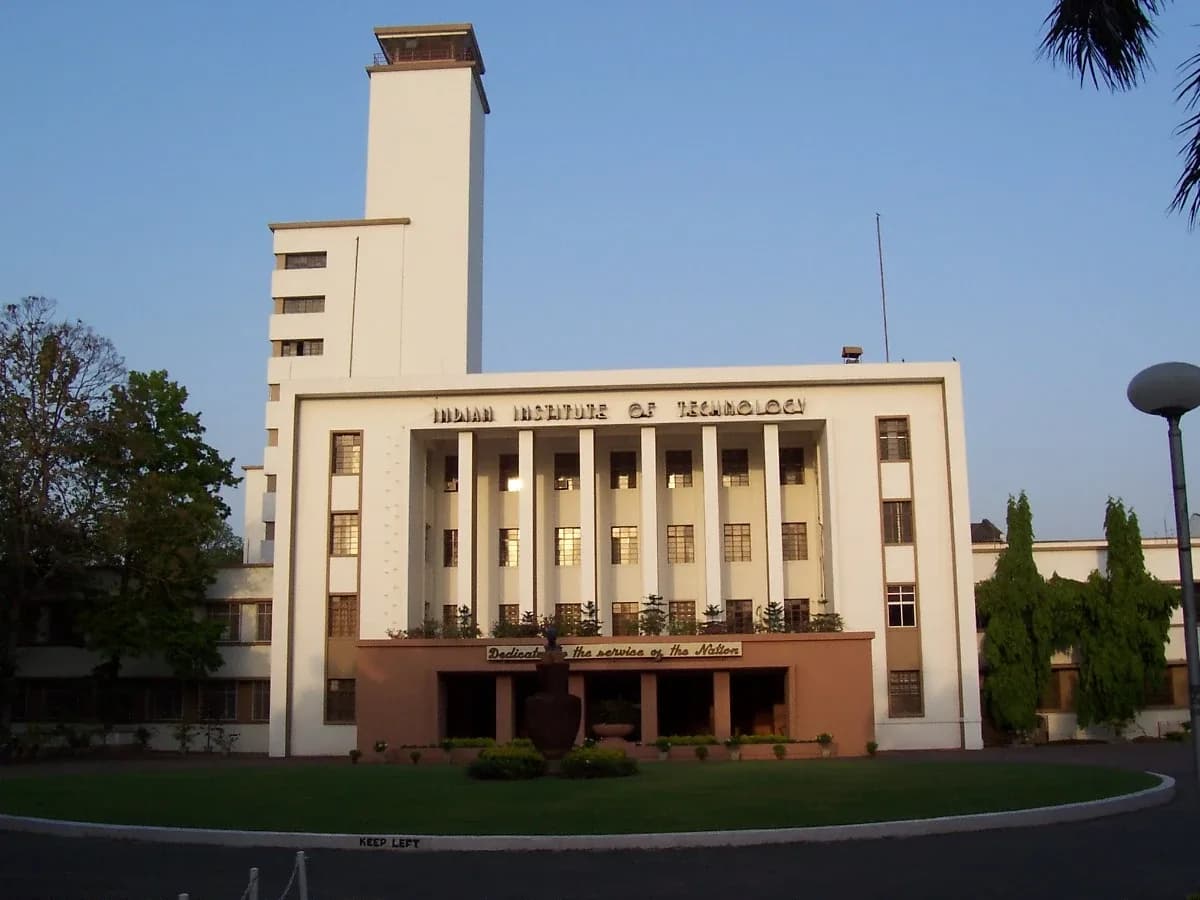

Indian Institute of Technology Kharagpur (IIT KGP), established in 1951, is the first IIT in India and one of the most prestigious engineering institutions globally. It offers undergraduate, postgraduate, and doctoral programs in engineering, sciences, management, law, and humanities. Known for its world-class faculty, research output, and innovation ecosystem, IIT Kharagpur consistently ranks among the top institutes in India.
Total Fees
₹33K - ₹11.2L
Total Courses
9
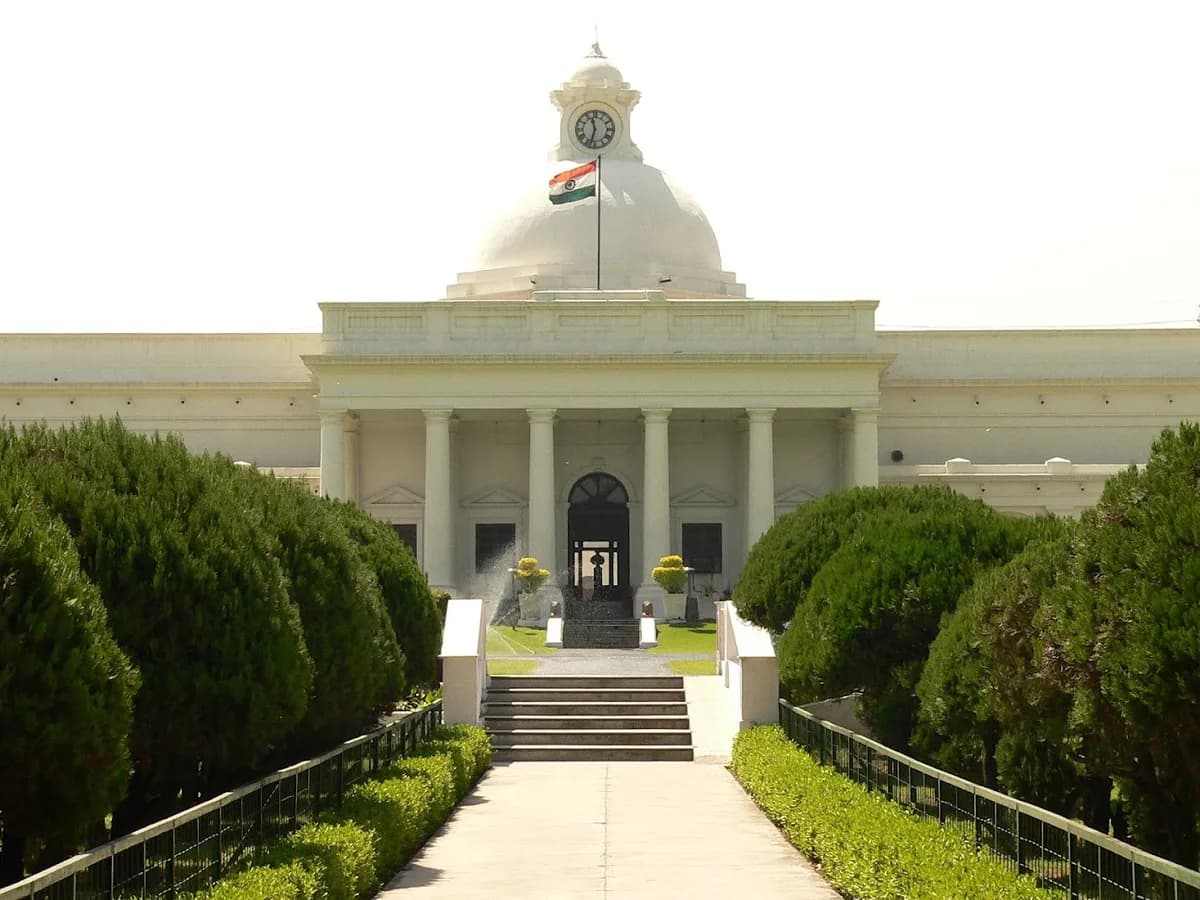

With an educational trajectory spanning 179 years since its inception in 1847, Indian Institute of Technology, Roorkee serves as a prominent seat of learning in Haridwar, Uttarakhand. Conforming to regulatory norms of All India Council for Technical Education (AICTE) through its affiliation with Uttarakhand State University, the institution offers students an integrated foundation across engineering innovation, applied science, computational systems, and advanced technical research. The institution maintains robust academic resources including state-of-the-art computational centers, robotics and IoT laboratories, and core engineering workshops, fostering an active student life and practical competencies. Graduates of Indian Institute of Technology, Roorkee emerge as competent, socially conscious professionals poised to assume impactful roles in diverse professional domains.
Total Fees
₹1.9L - ₹14.8L
Total Courses
7
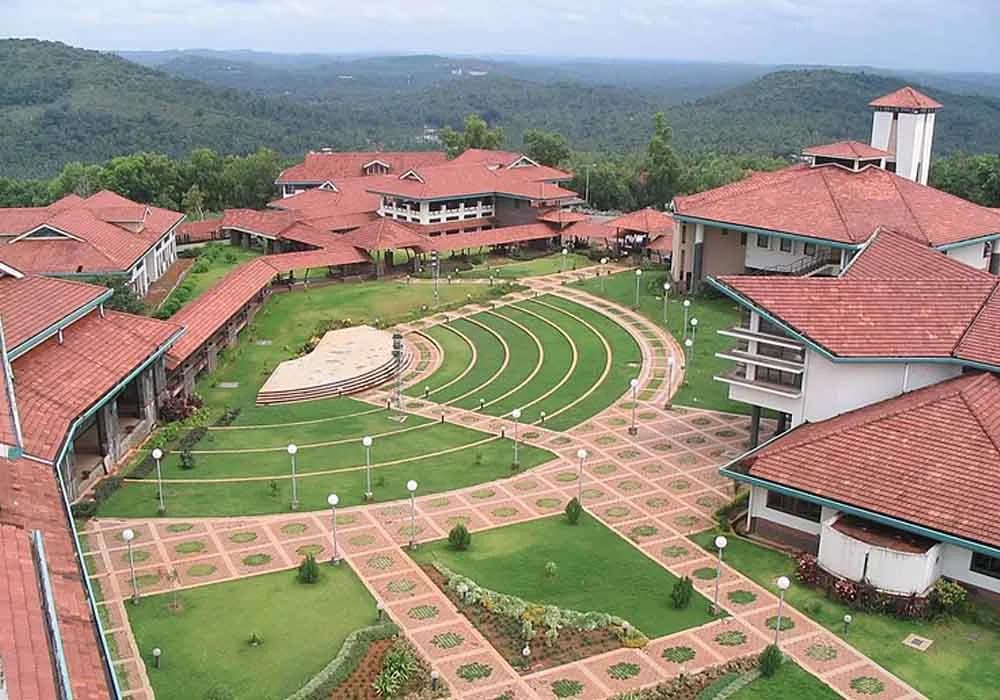

The National Institute of Technology Calicut (NITC) is one of the 31 institutions of national importance set up by an Act of Parliament, namely the ‘National Institute of Technology Act 2007,' and is fully funded by the Government of India. The mandate of the institute is to provide higher technical education and conduct research in the various branches of engineering, science, technology, and management. Originally established in 1961 as a Regional Engineering College (REC), it was transformed into a National Institute of Technology in 2002. The institute offers bachelor's, master's, and doctoral degree programs in engineering, science, technology, and management. With its proactive collaborations with a multitude of research organizations, academic institutions and industries, the institute has set a new style for its functioning under the NIT regime.
Total Fees
₹2.1L - ₹8.7L
Total Courses
9
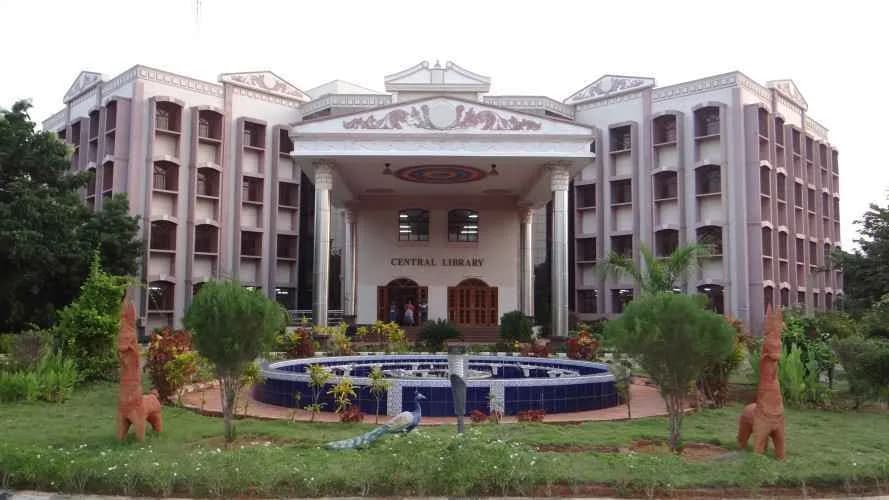

National Institute of Technology Tiruchirappalli (NIT Trichy) is one of India’s premier technical institutions and was established in 1964 as Regional Engineering College, later granted the status of an Institute of National Importance. It offers undergraduate, postgraduate, and doctoral programs in Engineering, Science, Management, and Architecture. The institute is known for academic excellence, strong industry collaborations, and excellent placement records.
Total Fees
₹2.3L - ₹8.1L
Total Courses
9
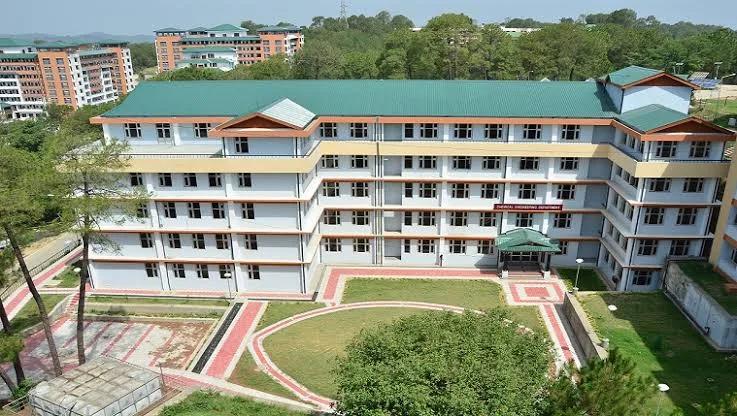

Established in 1986, National Institute of Technology, Hamirpur is a distinguished institution situated in Hamirpur, Uttar Pradesh. Conforming to regulatory norms of All India Council for Technical Education (AICTE) through its affiliation with Uttar Pradesh State University, the institution offers students an integrated foundation across engineering innovation, applied science, computational systems, and advanced technical research. The institution maintains robust academic resources including state-of-the-art computational centers, robotics and IoT laboratories, and core engineering workshops, fostering an active student life and practical competencies. Through structured career placement cells and community outreach, National Institute of Technology, Hamirpur continues to prepare graduates for impactful careers across regional and global sectors.
Total Fees
₹1.3L - ₹9.6L
Total Courses
7
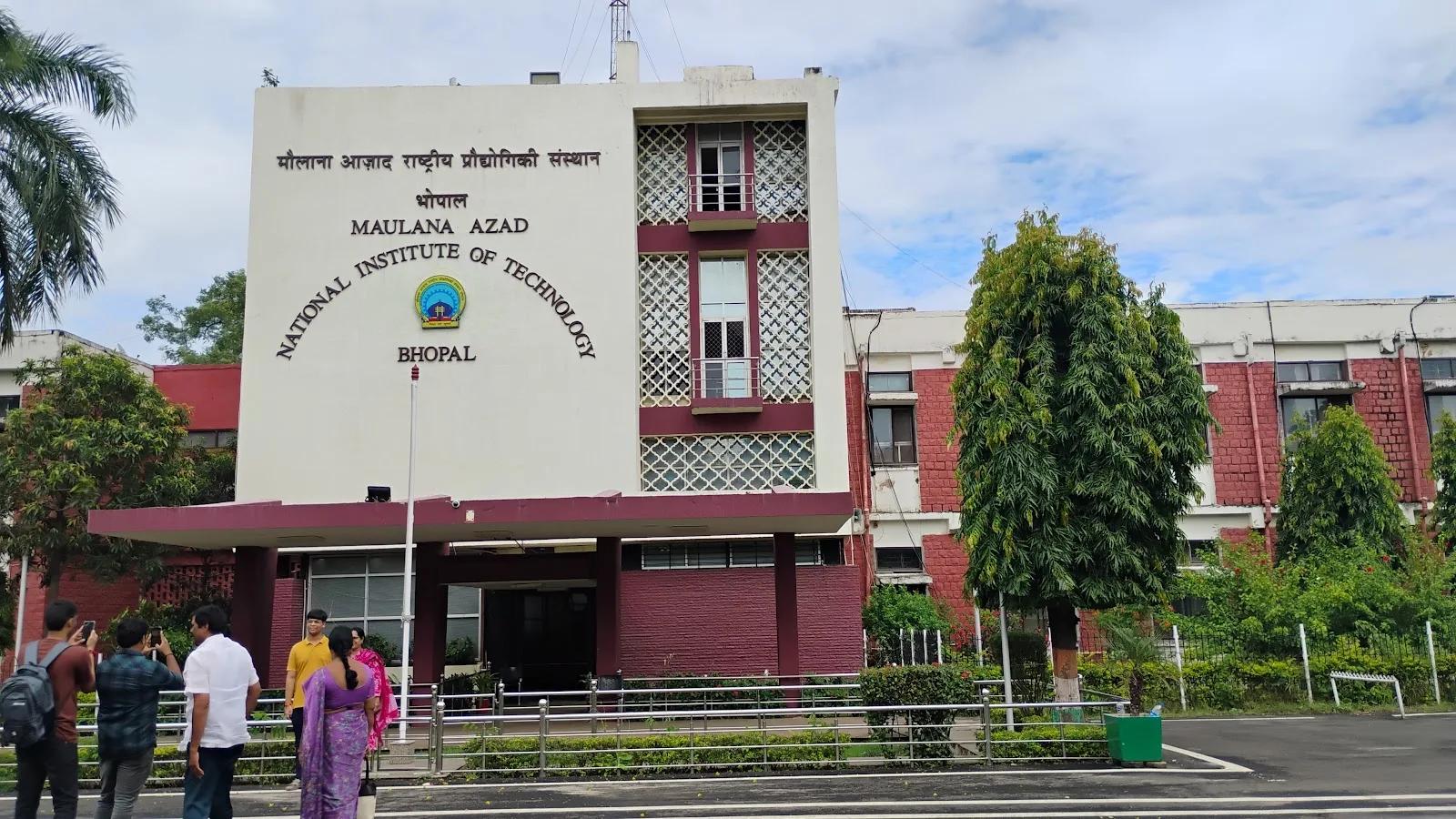

Established in 1960, Maulana Azad National Institute of Technology, Bhopal is a distinguished institution situated in Bhopal, Madhya Pradesh. The institution is affiliated with Madhya Pradesh State University and recognized by All India Council for Technical Education (AICTE), imparting rigorous programs anchored in engineering innovation, applied science, computational systems, and advanced technical research. The campus is equipped with state-of-the-art computational centers, robotics and IoT laboratories, and core engineering workshops, creating an immersive environment for scholarly development and collaborative innovation. By combining academic discipline with practical exposure, it equips emerging scholars to meet evolving demands in industry, academia, and public service.
Total Fees
₹3K - ₹7.7L
Total Courses
9
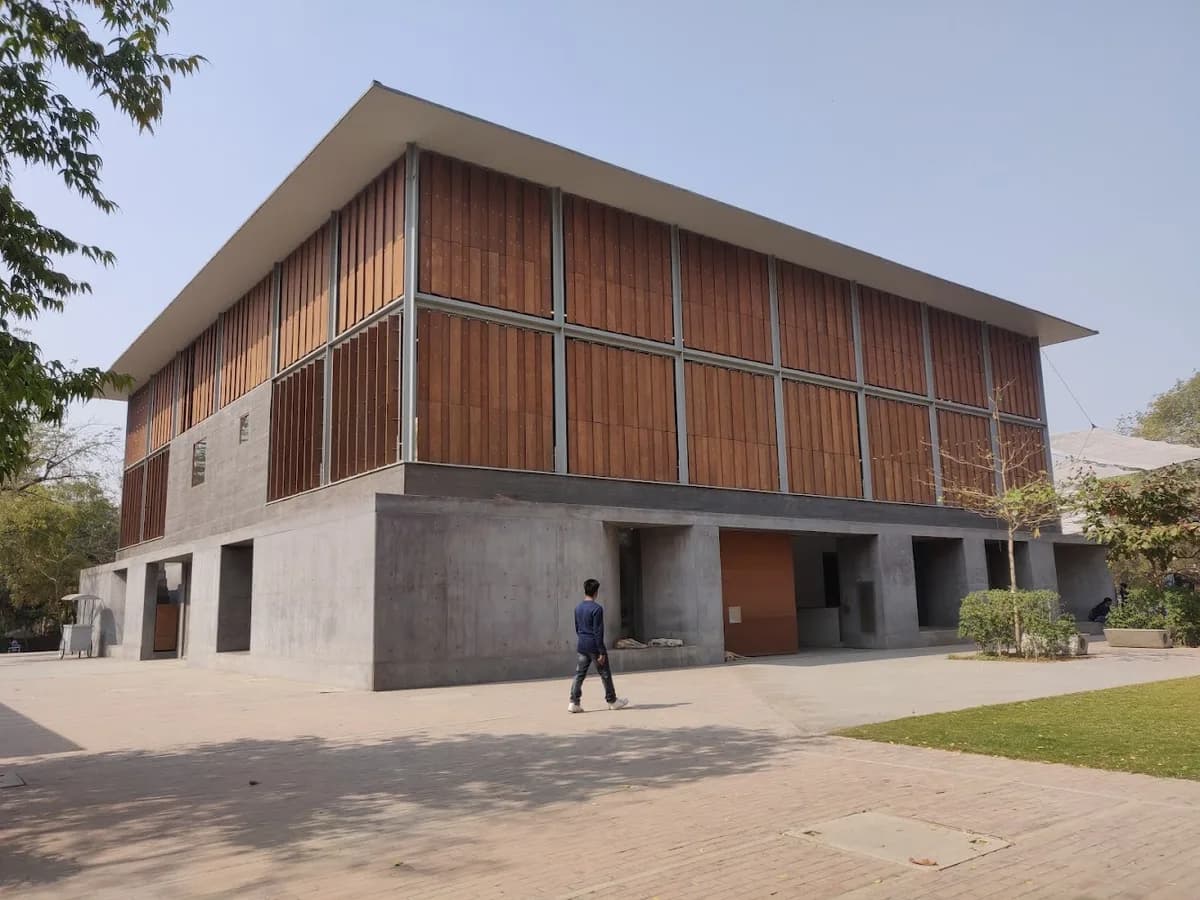

Established in 1962, CEPT UNIVERSITY is a distinguished university situated in Ahmedabad, Gujarat. Affiliated with CEPT UNIVERSITY and adhering to statutory benchmarks established by University Grants Commission (UGC), the institution delivers specialized academic curricula centered on holistic multidisciplinary education, applied research, and professional competence. Students benefit from contemporary infrastructure featuring digital lecture rooms, departmental resource centers, and central library, designed to support hands-on learning and comprehensive intellectual growth. Through structured career placement cells and community outreach, CEPT UNIVERSITY continues to prepare graduates for impactful careers across regional and global sectors.
Total Fees
₹1.8L - ₹22.8L
Total Courses
8
Get More Info About JEE Main B.Arch & B.Planning
Recommended Reading

JEE Main 2027 Registration: Your Definitive Guide to Application Deadlines & Process
Navigate the JEE Main 2027 registration process with confidence. This comprehensive guide covers crucial deadlines, eligibility, step-by-step application, and essential tips for aspiring engineers.

MHT CET: Your Definitive Guide to Maharashtra Engineering Admissions
Navigate the MHT CET exam with confidence. This comprehensive guide from MatchToCollege covers eligibility, exam pattern, top colleges, and expert preparation strategies for aspiring engineers in Maharashtra.

JEE Main Without Calculator: Your Ultimate Guide to Mastering Calculations & Securing Top Ranks
Navigating JEE Main without a calculator demands sharp mental acuity and strategic preparation. This comprehensive guide from MatchToCollege empowers you with proven techniques to ace complex calculations and secure your dream engineering seat.