

JEE Main 95 Percentile: Your Definitive Guide to Top NITs & Engineering Branches
Admission & Info Tools
Need Expert Assistance?
Our counselors can help you with fee structures, eligibility guidelines, and upcoming admission cutoffs instantly.
Direct Application Tools

🎯 MatchToCollege AI Recommendation: Planning your counselling or choice filling? Check your seat allotment probability across premier colleges using the JEE Main College Predictor.
Key Highlights & Program Overview
Understanding your position relative to the overall applicant pool is crucial. A 95 percentile in JEE Main signifies a strong performance, but admission to NITs is highly dependent on your Common Rank List (CRL) rank, category, and the specific institute and branch you target. Here’s a quick overview:
| Parameter | Details |
| Target JEE Main Percentile | 95 Percentile |
| Approximate CRL Rank Range | 75,000 - 83,000 (Indicative for 2027) |
| Admission Possibility | Moderate to High (Highly dependent on category, Home State quota, and branch choice) |
| Key Factors for Admission | Home State Quota, Category (OBC-NCL, SC, ST, EWS, PwD), Branch Preference |
| Counselling Authority | JoSAA (Joint Seat Allocation Authority) |
| Goal | Strategic admission to a reputable NIT and a suitable engineering branch |
Eligibility Criteria & Selection Process
Admission to NITs through JEE Main requires candidates to meet specific eligibility criteria and navigate a structured selection process. While the primary eligibility for JEE Main involves passing 10+2 with Physics, Chemistry, and Mathematics, the real challenge lies in securing a competitive rank and strategically utilizing the JoSAA counselling process.
Understanding Your Percentile and Rank
A 95 percentile means you have performed better than 95% of the candidates in that particular JEE Main session. However, NIT admissions are based on your Common Rank List (CRL), which is derived from your best percentile score across all sessions. For a 95 percentile, your expected CRL rank for JEE Main 2027 could be in the range of 75,000 to 83,000. This rank is a critical determinant for your admission chances.
The Role of Quotas and Categories
Your admission prospects are significantly influenced by various quotas and reservations:
- Home State (HS) Quota: Candidates applying to an NIT located in their home state (where they completed their 10+2) benefit from a substantial reservation (typically 50% of seats). This significantly lowers the cutoff ranks required.
- Other State (OS) Quota: For candidates applying to NITs outside their home state, the competition is generally higher, and cutoff ranks are more stringent.
- Category Reservations: The Indian government mandates reservations for specific categories:
- OBC-NCL (Other Backward Classes - Non-Creamy Layer): Significant reservation.
- SC (Scheduled Castes) & ST (Scheduled Tribes): Substantial reservations with considerably lower cutoffs.
- EWS (Economically Weaker Sections): 10% reservation for general category candidates meeting economic criteria.
- PwD (Persons with Disabilities): Horizontal reservation across all categories, often leading to the lowest cutoffs.
The selection process primarily involves:
- JEE Main Examination: Achieving a competitive percentile.
- JoSAA Counselling: After JEE Main results, eligible candidates participate in Joint Seat Allocation Authority (JoSAA) counselling. This involves registering, filling choices of institutes and branches based on preference, and participating in multiple rounds of seat allocation.
- Document Verification & Admission: Once a seat is allocated, candidates must verify documents and complete the admission formalities at the respective NIT.
Top Colleges & Fee Comparison
While a 95 percentile might not secure Computer Science Engineering (CSE) at the top-tier NITs under the General-Other State quota, it certainly opens doors to a range of excellent engineering programs in many reputable NITs. The key is to be strategic with your choices, considering your category and home state advantage.
Based on previous year trends and analysis by the MatchToCollege Research & Academic Guidance Desk, here are some NITs and branches where candidates with a 95 percentile (and corresponding CRL rank of 75,000-83,000) should explore opportunities:
| NIT Name (Indicative) | Details & Schedule |
| NIT Agartala | Civil, Mechanical, Electrical, Chemical, Production, Biotechnology |
| NIT Arunachal Pradesh | Civil, Mechanical, Electrical, Computer Science (Home State) |
| NIT Jalandhar | Civil, Chemical, Industrial & Production, Textile Technology |
| NIT Jamshedpur | Civil, Metallurgical & Materials, Production & Industrial |
| NIT Manipur | Civil, Mechanical, Electrical, Computer Science (Home State) |
| NIT Meghalaya | Civil, Mechanical, Electrical, Computer Science (Home State) |
| NIT Mizoram | Civil, Mechanical, Electrical, Computer Science (Home State) |
| NIT Nagaland | Civil, Mechanical, Electrical, Computer Science (Home State) |
| NIT Puducherry | Civil, Mechanical, Electrical, Electronics & Communication (Home State) |
| NIT Raipur | Civil, Chemical, Mining, Bio-Medical |
| NIT Sikkim | Civil, Mechanical, Electrical, Computer Science (Home State) |
| NIT Silchar | Civil, Mechanical, Electrical, Production |
| NIT Srinagar | Civil, Mechanical, Electrical, Chemical, Metallurgical |
| NIT Uttarakhand | Civil, Mechanical, Electrical, Production & Industrial |
| NIT Warangal | Biotechnology, Civil, Chemical (Higher end of 95 percentile, Home State) |
| MNNIT Allahabad | Biotechnology, Civil, Chemical (Higher end of 95 percentile, Home State) |
| MNIT Jaipur | Civil, Metallurgical & Materials (Higher end of 95 percentile, Home State) |
Note: The above table provides indicative branches and NITs. Actual cutoffs vary each year based on factors like exam difficulty, number of applicants, and seat matrix. For precise predictions based on your specific rank and category, we highly recommend using the JEE Main College Predictor.
Estimated Fees & Return on Investment (ROI)
NITs are centrally funded technical institutions, offering quality education at a relatively affordable cost compared to many private universities. Annual tuition fees typically range from INR 1.25 Lakhs to INR 1.5 Lakhs, excluding hostel and mess charges. The Return on Investment (ROI) from an NIT degree is generally excellent, given their strong academic reputation and robust placement records.
Career Scope, Placements & Expected ROI
An engineering degree from an NIT carries significant weight in the job market, irrespective of the specific branch. While Computer Science Engineering often grabs headlines, other core branches like Civil, Mechanical, Electrical, Chemical, and Production Engineering offer diverse and stable career paths with excellent growth potential.
Diverse Career Opportunities
- Core Engineering Roles: Graduates from branches like Mechanical, Electrical, and Civil Engineering find opportunities in manufacturing, infrastructure development, power generation, automotive, and construction sectors.
- Interdisciplinary Fields: Branches like Chemical Engineering lead to careers in petrochemicals, pharmaceuticals, and environmental engineering. Biotechnology graduates can explore roles in R&D, healthcare, and food processing.
- IT & Software Roles: Many core engineering graduates, with additional skill development in coding and data analytics, successfully transition into IT and software development roles, especially in companies that value analytical problem-solving skills.
- Public Sector & Government Jobs: NIT graduates are highly sought after in Public Sector Undertakings (PSUs) and various government departments through competitive exams like ESE (Engineering Services Examination).
- Higher Education & Research: An NIT degree provides a strong foundation for pursuing M.Tech, MS, or PhD programs in India and abroad, leading to careers in academia or research.
Placement Insights & Average Packages
NITs consistently boast strong placement records. While specific figures vary by institute and branch, the average package for NIT graduates typically ranges from INR 6 LPA to INR 12 LPA. Top branches like CSE, ECE, and IT often see higher packages, but core branches also attract reputable companies offering competitive salaries. Many NITs have dedicated placement cells that facilitate internships and final placements, inviting a wide array of companies from various sectors.
The long-term career growth and stability offered by an NIT education ensure a strong Return on Investment, making it a highly desirable choice for aspiring engineers.
Admissions Checklist & Important Tips
To maximize your chances of securing a seat in an NIT with a 95 percentile, a meticulous approach to the admission process is essential. Here’s a checklist and some crucial tips:
Your Admissions Checklist:
- Understand Your Rank: Convert your 95 percentile into an estimated CRL rank. Be aware of your category rank as well.
- Research NITs & Branches: Explore various NITs and the specific branches they offer. Look at previous year's cutoffs for your category and home/other state quota.
- Identify Accessible Branches: Focus on branches where your rank is competitive. Don't solely chase CSE if your rank doesn't support it; explore other valuable engineering disciplines.
- Prepare Documents: Keep all necessary documents (JEE Main scorecard, 10th & 12th mark sheets, category certificates, domicile certificate, etc.) ready for JoSAA counselling.
- Stay Updated: Regularly check the official JoSAA and NTA websites for counselling schedules, seat matrix, and important announcements.
Important Tips for Success:
- Strategic Choice Filling: During JoSAA counselling, fill your choices wisely. Prioritize branches and NITs based on your interest, rank, and previous year's cutoffs. Always include a mix of aspirational, realistic, and safe options.
- Leverage Home State Quota: If you have a Home State advantage, utilize it fully. Research the specific cutoffs for your home state NITs.
- Consider Emerging NITs: Don't overlook newer or less-ranked NITs. They often offer excellent faculty and infrastructure, with slightly more accessible cutoffs for popular branches.
- Explore Core Branches: A strong foundation in a core engineering branch from an NIT is highly valued. Don't underestimate the career potential of Civil, Mechanical, Electrical, or Chemical Engineering.
- Utilize Prediction Tools: Use reliable tools like the JEE Main College Predictor to get an estimate of colleges and branches you might qualify for based on your rank. This can significantly aid your choice-filling strategy.
- Be Patient with Counselling: JoSAA counselling involves multiple rounds. If you don't get your desired seat in the initial rounds, don't lose hope. Seats often open up in subsequent rounds.
- Have Backup Plans: While aiming for NITs, also research other reputable government or private engineering colleges that accept JEE Main scores or state-level entrance exam scores as backup options.
🏛️ Looking for Admissions & College Cutoffs? Explore verified fee structures, seat matrices, and real student reviews across top institutions on the MatchToCollege Top Colleges & Universities in India Directory.
Frequently Asked Questions
Q: Is a 95 percentile in JEE Main sufficient for NIT admission?
Yes, a 95 percentile in JEE Main is a strong score and can open doors to several National Institutes of Technology (NITs). However, admission depends heavily on your Common Rank List (CRL), your category (General, OBC-NCL, SC, ST, EWS, PwD), and whether you qualify under the Home State or Other State quota. While top branches like CSE at premier NITs might be challenging for General-Other State candidates, many other excellent engineering branches and NITs become accessible.
Q: What is the expected JEE Main rank for a 95 percentile?
For a 95 percentile in JEE Main, the expected Common Rank List (CRL) rank typically falls in the range of 75,000 to 83,000. This is an indicative range, and the exact rank can vary slightly based on the total number of candidates appearing and the overall performance distribution in a particular year.
Q: Which engineering branches are generally accessible at NITs with a 95 percentile?
With a 95 percentile, candidates can typically explore branches like Civil Engineering, Mechanical Engineering, Electrical Engineering, Chemical Engineering, Production Engineering, Biotechnology, Metallurgical & Materials Engineering, and Mining Engineering in various NITs. For Home State candidates or those in reserved categories, even branches like Electronics & Communication Engineering or Computer Science Engineering might be accessible in some NITs.
Q: How does the Home State quota affect NIT admissions at 95 percentile?
The Home State (HS) quota significantly improves admission chances for candidates. NITs reserve approximately 50% of their seats for students who have completed their 10+2 from the state where the NIT is located. This means that for a 95 percentile, a Home State candidate will generally find it much easier to secure a seat, often in more competitive branches, compared to an Other State candidate with the same percentile.
Q: What is JoSAA counselling, and how important is it for NIT admissions?
JoSAA (Joint Seat Allocation Authority) counselling is the centralized process through which admissions to 118 institutes, including 31 NITs, 26 IIITs, 38 GFTIs, and 23 IITs, are conducted based on JEE Main and JEE Advanced ranks. It is extremely important as it's the sole gateway for admission to these institutions. Candidates must register, fill their preferred choices of institutes and branches, and participate in the allocation rounds to secure a seat.
Q: Can I get CSE at a top NIT with a 95 percentile?
For a General category candidate under the Other State quota, securing Computer Science Engineering (CSE) at a top-tier NIT (like Trichy, Warangal, Surathkal, Allahabad, Jaipur) with a 95 percentile is highly challenging, as CSE cutoffs for these NITs are typically much higher. However, for Home State candidates or those belonging to reserved categories (OBC-NCL, SC, ST, EWS, PwD), CSE might be accessible in some of these top NITs or in other reputable NITs.
Key Highlights & Program Overview
Understanding your position relative to the overall applicant pool is crucial. A 95 percentile in JEE Main signifies a strong performance, but admission to NITs is highly dependent on your Common Rank List (CRL) rank, category, and the specific institute and branch you target. Here’s a quick overview:
| Parameter | Details |
| Target JEE Main Percentile | 95 Percentile |
| Approximate CRL Rank Range | 75,000 - 83,000 (Indicative for 2027) |
| Admission Possibility | Moderate to High (Highly dependent on category, Home State quota, and branch choice) |
| Key Factors for Admission | Home State Quota, Category (OBC-NCL, SC, ST, EWS, PwD), Branch Preference |
| Counselling Authority | JoSAA (Joint Seat Allocation Authority) |
| Goal | Strategic admission to a reputable NIT and a suitable engineering branch |
Eligibility Criteria & Selection Process
Admission to NITs through JEE Main requires candidates to meet specific eligibility criteria and navigate a structured selection process. While the primary eligibility for JEE Main involves passing 10+2 with Physics, Chemistry, and Mathematics, the real challenge lies in securing a competitive rank and strategically utilizing the JoSAA counselling process.
Understanding Your Percentile and Rank
A 95 percentile means you have performed better than 95% of the candidates in that particular JEE Main session. However, NIT admissions are based on your Common Rank List (CRL), which is derived from your best percentile score across all sessions. For a 95 percentile, your expected CRL rank for JEE Main 2027 could be in the range of 75,000 to 83,000. This rank is a critical determinant for your admission chances.
The Role of Quotas and Categories
Your admission prospects are significantly influenced by various quotas and reservations:
- Home State (HS) Quota: Candidates applying to an NIT located in their home state (where they completed their 10+2) benefit from a substantial reservation (typically 50% of seats). This significantly lowers the cutoff ranks required.
- Other State (OS) Quota: For candidates applying to NITs outside their home state, the competition is generally higher, and cutoff ranks are more stringent.
- Category Reservations: The Indian government mandates reservations for specific categories:
- OBC-NCL (Other Backward Classes - Non-Creamy Layer): Significant reservation.
- SC (Scheduled Castes) & ST (Scheduled Tribes): Substantial reservations with considerably lower cutoffs.
- EWS (Economically Weaker Sections): 10% reservation for general category candidates meeting economic criteria.
- PwD (Persons with Disabilities): Horizontal reservation across all categories, often leading to the lowest cutoffs.
The selection process primarily involves:
- JEE Main Examination: Achieving a competitive percentile.
- JoSAA Counselling: After JEE Main results, eligible candidates participate in Joint Seat Allocation Authority (JoSAA) counselling. This involves registering, filling choices of institutes and branches based on preference, and participating in multiple rounds of seat allocation.
- Document Verification & Admission: Once a seat is allocated, candidates must verify documents and complete the admission formalities at the respective NIT.
Top Colleges & Fee Comparison
While a 95 percentile might not secure Computer Science Engineering (CSE) at the top-tier NITs under the General-Other State quota, it certainly opens doors to a range of excellent engineering programs in many reputable NITs. The key is to be strategic with your choices, considering your category and home state advantage.
Based on previous year trends and analysis by the MatchToCollege Research & Academic Guidance Desk, here are some NITs and branches where candidates with a 95 percentile (and corresponding CRL rank of 75,000-83,000) should explore opportunities:
| NIT Name (Indicative) | Details & Schedule |
| NIT Agartala | Civil, Mechanical, Electrical, Chemical, Production, Biotechnology |
| NIT Arunachal Pradesh | Civil, Mechanical, Electrical, Computer Science (Home State) |
| NIT Jalandhar | Civil, Chemical, Industrial & Production, Textile Technology |
| NIT Jamshedpur | Civil, Metallurgical & Materials, Production & Industrial |
| NIT Manipur | Civil, Mechanical, Electrical, Computer Science (Home State) |
| NIT Meghalaya | Civil, Mechanical, Electrical, Computer Science (Home State) |
| NIT Mizoram | Civil, Mechanical, Electrical, Computer Science (Home State) |
| NIT Nagaland | Civil, Mechanical, Electrical, Computer Science (Home State) |
| NIT Puducherry | Civil, Mechanical, Electrical, Electronics & Communication (Home State) |
| NIT Raipur | Civil, Chemical, Mining, Bio-Medical |
| NIT Sikkim | Civil, Mechanical, Electrical, Computer Science (Home State) |
| NIT Silchar | Civil, Mechanical, Electrical, Production |
| NIT Srinagar | Civil, Mechanical, Electrical, Chemical, Metallurgical |
| NIT Uttarakhand | Civil, Mechanical, Electrical, Production & Industrial |
| NIT Warangal | Biotechnology, Civil, Chemical (Higher end of 95 percentile, Home State) |
| MNNIT Allahabad | Biotechnology, Civil, Chemical (Higher end of 95 percentile, Home State) |
| MNIT Jaipur | Civil, Metallurgical & Materials (Higher end of 95 percentile, Home State) |
Note: The above table provides indicative branches and NITs. Actual cutoffs vary each year based on factors like exam difficulty, number of applicants, and seat matrix. For precise predictions based on your specific rank and category, we highly recommend using the JEE Main College Predictor.
Estimated Fees & Return on Investment (ROI)
NITs are centrally funded technical institutions, offering quality education at a relatively affordable cost compared to many private universities. Annual tuition fees typically range from INR 1.25 Lakhs to INR 1.5 Lakhs, excluding hostel and mess charges. The Return on Investment (ROI) from an NIT degree is generally excellent, given their strong academic reputation and robust placement records.
Career Scope, Placements & Expected ROI
An engineering degree from an NIT carries significant weight in the job market, irrespective of the specific branch. While Computer Science Engineering often grabs headlines, other core branches like Civil, Mechanical, Electrical, Chemical, and Production Engineering offer diverse and stable career paths with excellent growth potential.
Diverse Career Opportunities
- Core Engineering Roles: Graduates from branches like Mechanical, Electrical, and Civil Engineering find opportunities in manufacturing, infrastructure development, power generation, automotive, and construction sectors.
- Interdisciplinary Fields: Branches like Chemical Engineering lead to careers in petrochemicals, pharmaceuticals, and environmental engineering. Biotechnology graduates can explore roles in R&D, healthcare, and food processing.
- IT & Software Roles: Many core engineering graduates, with additional skill development in coding and data analytics, successfully transition into IT and software development roles, especially in companies that value analytical problem-solving skills.
- Public Sector & Government Jobs: NIT graduates are highly sought after in Public Sector Undertakings (PSUs) and various government departments through competitive exams like ESE (Engineering Services Examination).
- Higher Education & Research: An NIT degree provides a strong foundation for pursuing M.Tech, MS, or PhD programs in India and abroad, leading to careers in academia or research.
Placement Insights & Average Packages
NITs consistently boast strong placement records. While specific figures vary by institute and branch, the average package for NIT graduates typically ranges from INR 6 LPA to INR 12 LPA. Top branches like CSE, ECE, and IT often see higher packages, but core branches also attract reputable companies offering competitive salaries. Many NITs have dedicated placement cells that facilitate internships and final placements, inviting a wide array of companies from various sectors.
The long-term career growth and stability offered by an NIT education ensure a strong Return on Investment, making it a highly desirable choice for aspiring engineers.
Admissions Checklist & Important Tips
To maximize your chances of securing a seat in an NIT with a 95 percentile, a meticulous approach to the admission process is essential. Here’s a checklist and some crucial tips:
Your Admissions Checklist:
- Understand Your Rank: Convert your 95 percentile into an estimated CRL rank. Be aware of your category rank as well.
- Research NITs & Branches: Explore various NITs and the specific branches they offer. Look at previous year's cutoffs for your category and home/other state quota.
- Identify Accessible Branches: Focus on branches where your rank is competitive. Don't solely chase CSE if your rank doesn't support it; explore other valuable engineering disciplines.
- Prepare Documents: Keep all necessary documents (JEE Main scorecard, 10th & 12th mark sheets, category certificates, domicile certificate, etc.) ready for JoSAA counselling.
- Stay Updated: Regularly check the official JoSAA and NTA websites for counselling schedules, seat matrix, and important announcements.
Important Tips for Success:
- Strategic Choice Filling: During JoSAA counselling, fill your choices wisely. Prioritize branches and NITs based on your interest, rank, and previous year's cutoffs. Always include a mix of aspirational, realistic, and safe options.
- Leverage Home State Quota: If you have a Home State advantage, utilize it fully. Research the specific cutoffs for your home state NITs.
- Consider Emerging NITs: Don't overlook newer or less-ranked NITs. They often offer excellent faculty and infrastructure, with slightly more accessible cutoffs for popular branches.
- Explore Core Branches: A strong foundation in a core engineering branch from an NIT is highly valued. Don't underestimate the career potential of Civil, Mechanical, Electrical, or Chemical Engineering.
- Utilize Prediction Tools: Use reliable tools like the JEE Main College Predictor to get an estimate of colleges and branches you might qualify for based on your rank. This can significantly aid your choice-filling strategy.
- Be Patient with Counselling: JoSAA counselling involves multiple rounds. If you don't get your desired seat in the initial rounds, don't lose hope. Seats often open up in subsequent rounds.
- Have Backup Plans: While aiming for NITs, also research other reputable government or private engineering colleges that accept JEE Main scores or state-level entrance exam scores as backup options.
🏛️ Looking for Admissions & College Cutoffs? Explore verified fee structures, seat matrices, and real student reviews across top institutions on the MatchToCollege Top Colleges & Universities in India Directory.
Share this Article
FAQFrequently Asked Questions
Q: Is a 95 percentile in JEE Main sufficient for NIT admission?
Yes, a 95 percentile in JEE Main is a strong score and can open doors to several National Institutes of Technology (NITs). However, admission depends heavily on your Common Rank List (CRL), your category (General, OBC-NCL, SC, ST, EWS, PwD), and whether you qualify under the Home State or Other State quota. While top branches like CSE at premier NITs might be challenging for General-Other State candidates, many other excellent engineering branches and NITs become accessible.
Q: What is the expected JEE Main rank for a 95 percentile?
For a 95 percentile in JEE Main, the expected Common Rank List (CRL) rank typically falls in the range of 75,000 to 83,000. This is an indicative range, and the exact rank can vary slightly based on the total number of candidates appearing and the overall performance distribution in a particular year.
Q: Which engineering branches are generally accessible at NITs with a 95 percentile?
With a 95 percentile, candidates can typically explore branches like Civil Engineering, Mechanical Engineering, Electrical Engineering, Chemical Engineering, Production Engineering, Biotechnology, Metallurgical & Materials Engineering, and Mining Engineering in various NITs. For Home State candidates or those in reserved categories, even branches like Electronics & Communication Engineering or Computer Science Engineering might be accessible in some NITs.
Q: How does the Home State quota affect NIT admissions at 95 percentile?
The Home State (HS) quota significantly improves admission chances for candidates. NITs reserve approximately 50% of their seats for students who have completed their 10+2 from the state where the NIT is located. This means that for a 95 percentile, a Home State candidate will generally find it much easier to secure a seat, often in more competitive branches, compared to an Other State candidate with the same percentile.
Q: What is JoSAA counselling, and how important is it for NIT admissions?
JoSAA (Joint Seat Allocation Authority) counselling is the centralized process through which admissions to 118 institutes, including 31 NITs, 26 IIITs, 38 GFTIs, and 23 IITs, are conducted based on JEE Main and JEE Advanced ranks. It is extremely important as it's the sole gateway for admission to these institutions. Candidates must register, fill their preferred choices of institutes and branches, and participate in the allocation rounds to secure a seat.
Q: Can I get CSE at a top NIT with a 95 percentile?
For a General category candidate under the Other State quota, securing Computer Science Engineering (CSE) at a top-tier NIT (like Trichy, Warangal, Surathkal, Allahabad, Jaipur) with a 95 percentile is highly challenging, as CSE cutoffs for these NITs are typically much higher. However, for Home State candidates or those belonging to reserved categories (OBC-NCL, SC, ST, EWS, PwD), CSE might be accessible in some of these top NITs or in other reputable NITs.
Top Colleges Covered in this Blog
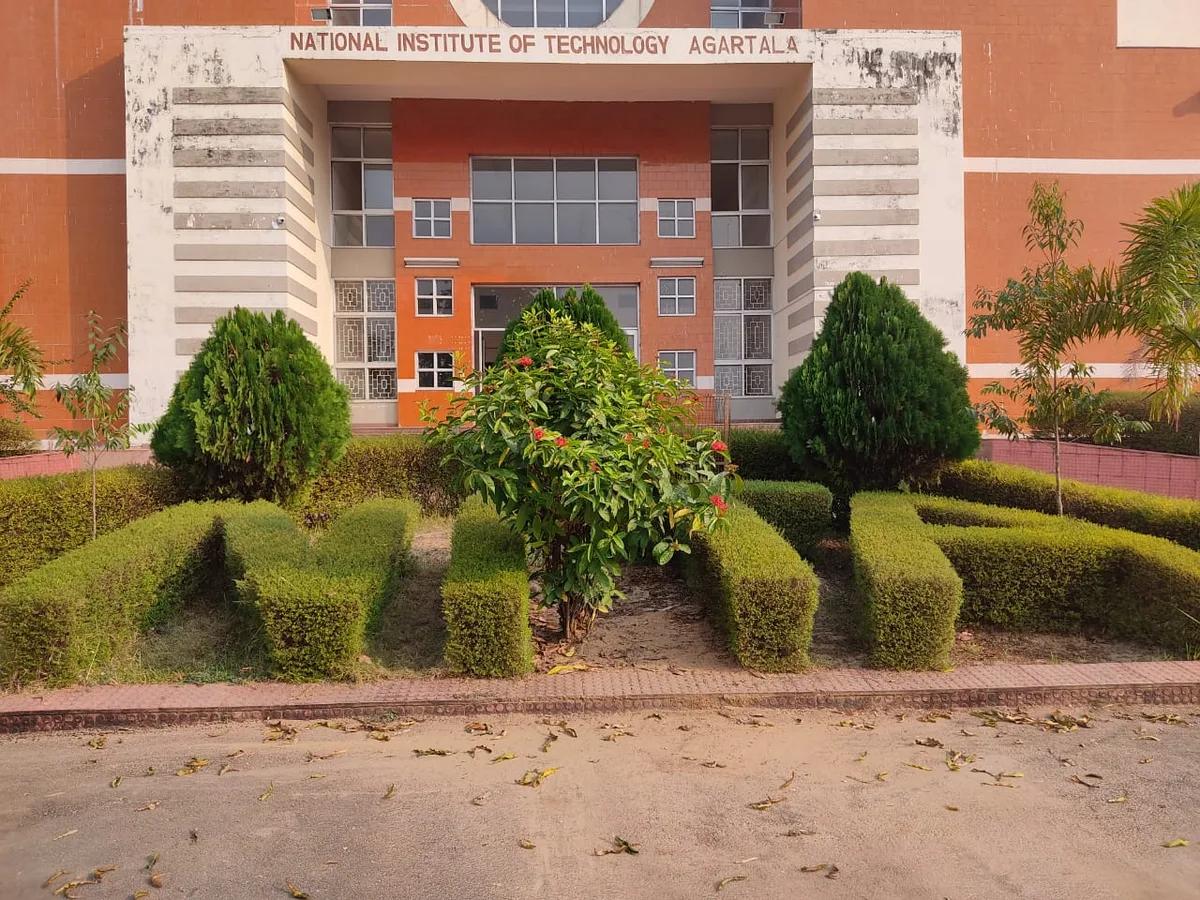

Located in the educational landscape of West Tripura, Tripura, National Institute of Technology, Agartala was established in 1965 to deliver transformative education. Affiliated with Tripura State University and adhering to statutory benchmarks established by All India Council for Technical Education (AICTE), the institution delivers specialized academic curricula centered on engineering innovation, applied science, computational systems, and advanced technical research. With modern campus amenities encompassing state-of-the-art computational centers, robotics and IoT laboratories, and core engineering workshops, the institution actively bridges conceptual instruction with empirical application. Through structured career placement cells and community outreach, National Institute of Technology, Agartala continues to prepare graduates for impactful careers across regional and global sectors.
Total Fees
₹75K - ₹6.4L
Total Courses
7
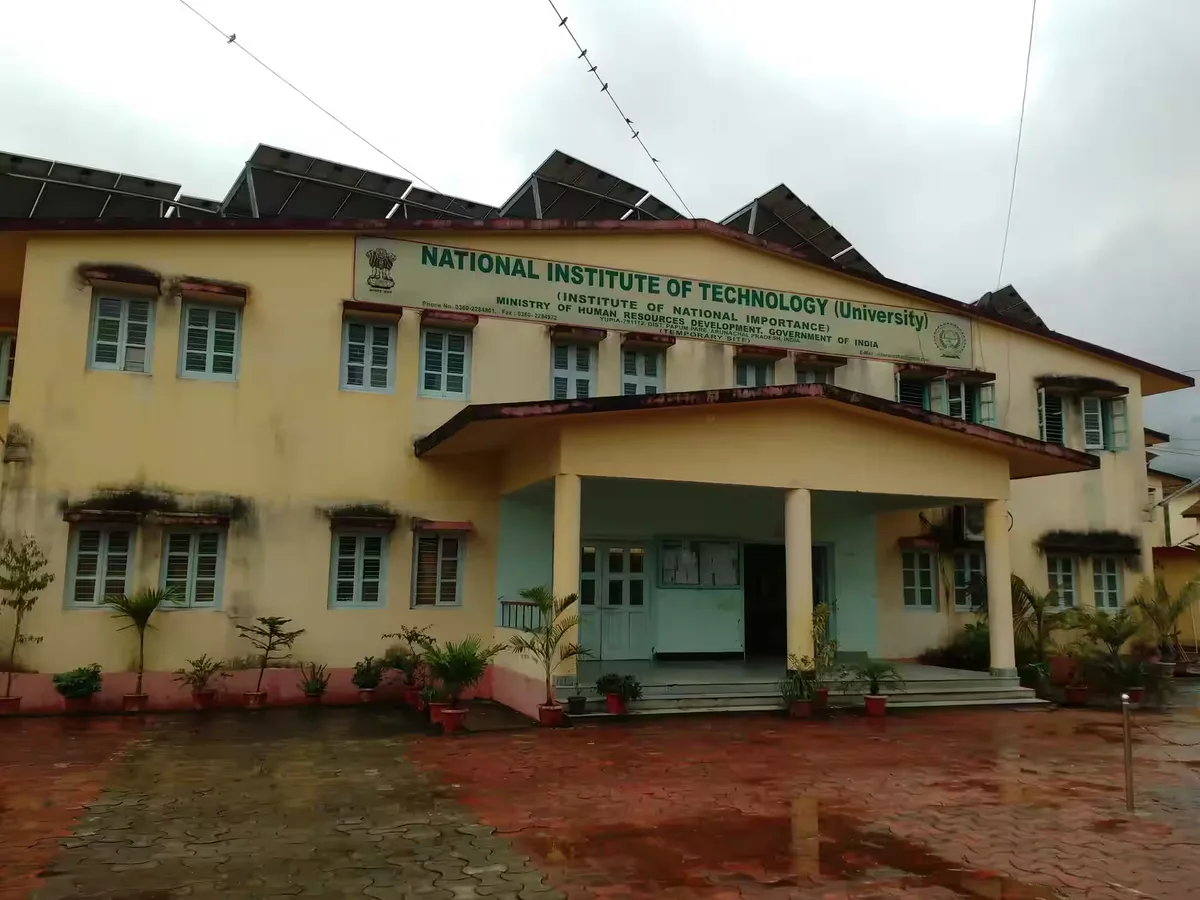

National Institute of Technology Arunachal Pradesh (NITAP) is a publicly funded “Institute of National Importance” under the NIT system, located near Itanagar in the Papum Pare district of Arunachal Pradesh.
Total Fees
₹34K - ₹5.6L
Total Courses
5
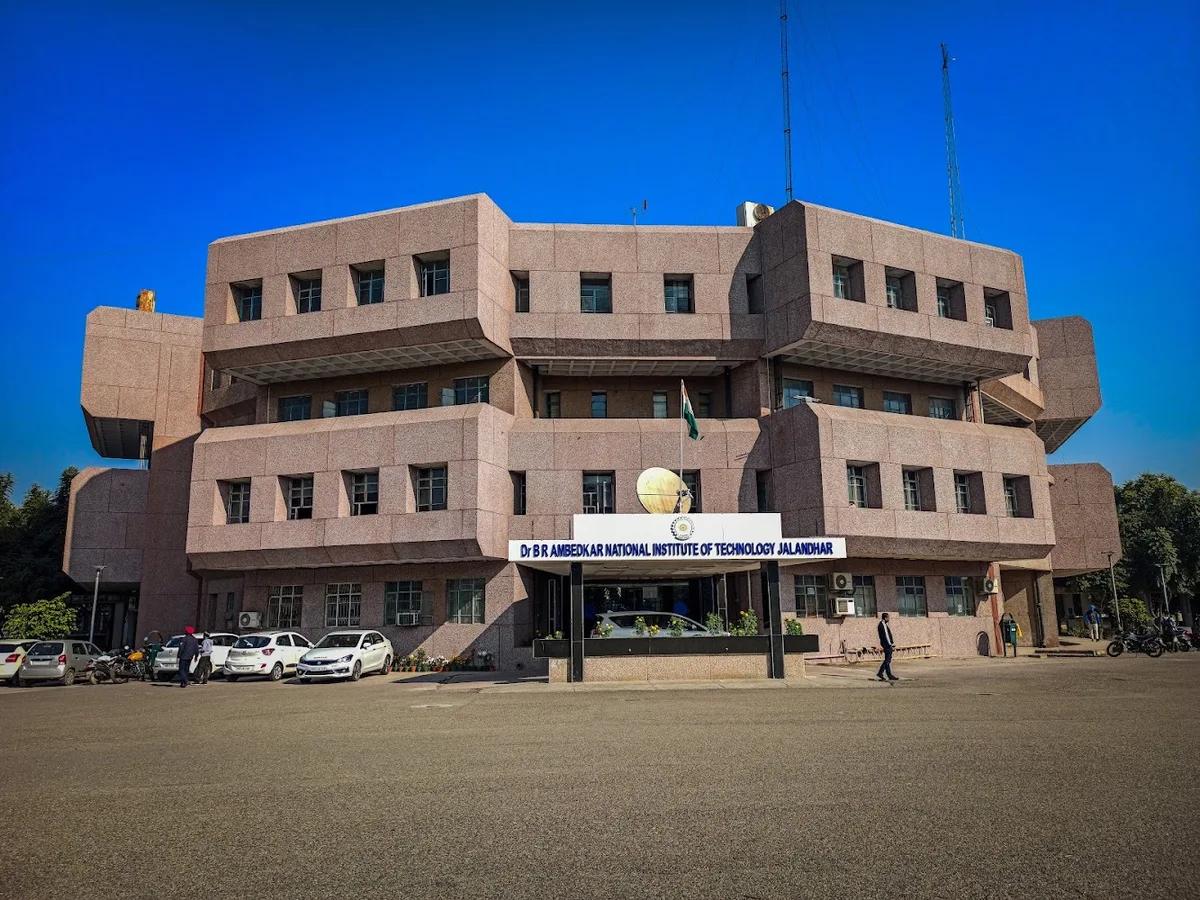

Located in the educational landscape of Jalandhar, Punjab, Dr. B. R. Ambedkar National Institute of Technology, Jalandhar was established in 1987 to deliver transformative education. Affiliated with Punjab State University and adhering to statutory benchmarks established by All India Council for Technical Education (AICTE), the institution delivers specialized academic curricula centered on engineering innovation, applied science, computational systems, and advanced technical research. Students benefit from contemporary infrastructure featuring state-of-the-art computational centers, robotics and IoT laboratories, and core engineering workshops, designed to support hands-on learning and comprehensive intellectual growth. By combining academic discipline with practical exposure, it equips emerging scholars to meet evolving demands in industry, academia, and public service.
Total Fees
₹1.1L - ₹7.2L
Total Courses
6
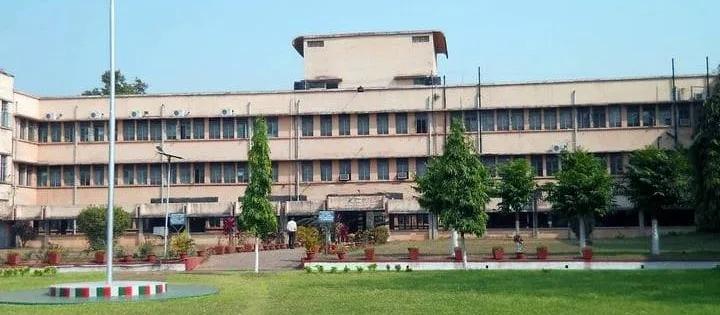

The National Institute of Technology Jamshedpur, earlier known as the Regional Institute of Technology, was established on 15th August 1960 as a joint venture of the Government of India and the Government of Bihar in the chain of RECs (Regional Engineering Colleges) in India with the aim to generate technical graduates of the highest standards who could provide technological leadership to the region. It was among the first eight Regional Engineering Colleges (RECs) established as part of the Second Five-Year Plan (1956-1961). This was the only REC in the country, which was named RIT (Regional Institute of Technology). Therefore, RIT Jamshedpur was actually the REC of undivided Bihar & Jharkhand. The foundation stone of RIT (REC) Jamshedpur was laid by Dr. Srikrishna Sinha, the then chief minister of Bihar, with the aim of nurturing talent and setting high standards of education and excellence. On 27th December 2002, in the line of all other RECs of India, RIT Jamshedpur (which may be read as REC Jamshedpur too) was converted to National Institute of Technology Jamshedpur with the status of a deemed university as per the decision of the Govt. of India. The institute has been fully funded and governed by the Ministry of Education (MoE), Government of India, since 1st April, 2003. On 15 August 2007, NIT Jamshedpur was given the status of the Institute of National Importance through an Act of the Parliament known as the NIT Act. The institute has 11 departments, including engineering, science, and humanities. The Institute, with 200 faculty, 4000 students, and 150 administrative and supporting staff, is a self-contained campus. It is located on the outskirts of Jamshedpur on 341.3 acres of sprawling, rolling, hilly, wooded land. It combines the natural beauty of the countryside with the urban glamour of an industrial area. The flowing river and picturesque backdrop of low hills on one side and large tracks of forest on the other make the campus an ideal place for higher learning and research. It has been growing from strength to strength ever since it was established in 1960. Situated in the heart of the rich mineral and industrial belt of Jharkhand State, the campus encompasses the Main building, the Library, the Computer Center, 13 hostels (7 boys' hostels and 6 girls' hostels), 2 hostels under construction, staff quarters, a Guest House, a Students Gymkhana, a Post-office, a branch of the State Bank of India, two ATMs, a central store, and a dispensary. The hostels and departments are connected with high-speed wireless LAN. The institute maintains courts for basketball, volleyball, badminton, and tennis. Apart from this, it also has cricket, hockey, and football grounds. The institute is poised for a bright and promising future. The courses have been completely restructured and prepared as per the needs of society and industries. There is refreshing development on every front. The institute has achieved impressive placement for its students, with top industrial houses and software companies recruiting the students in large numbers.
Total Fees
₹1.1L - ₹12.6L
Total Courses
8
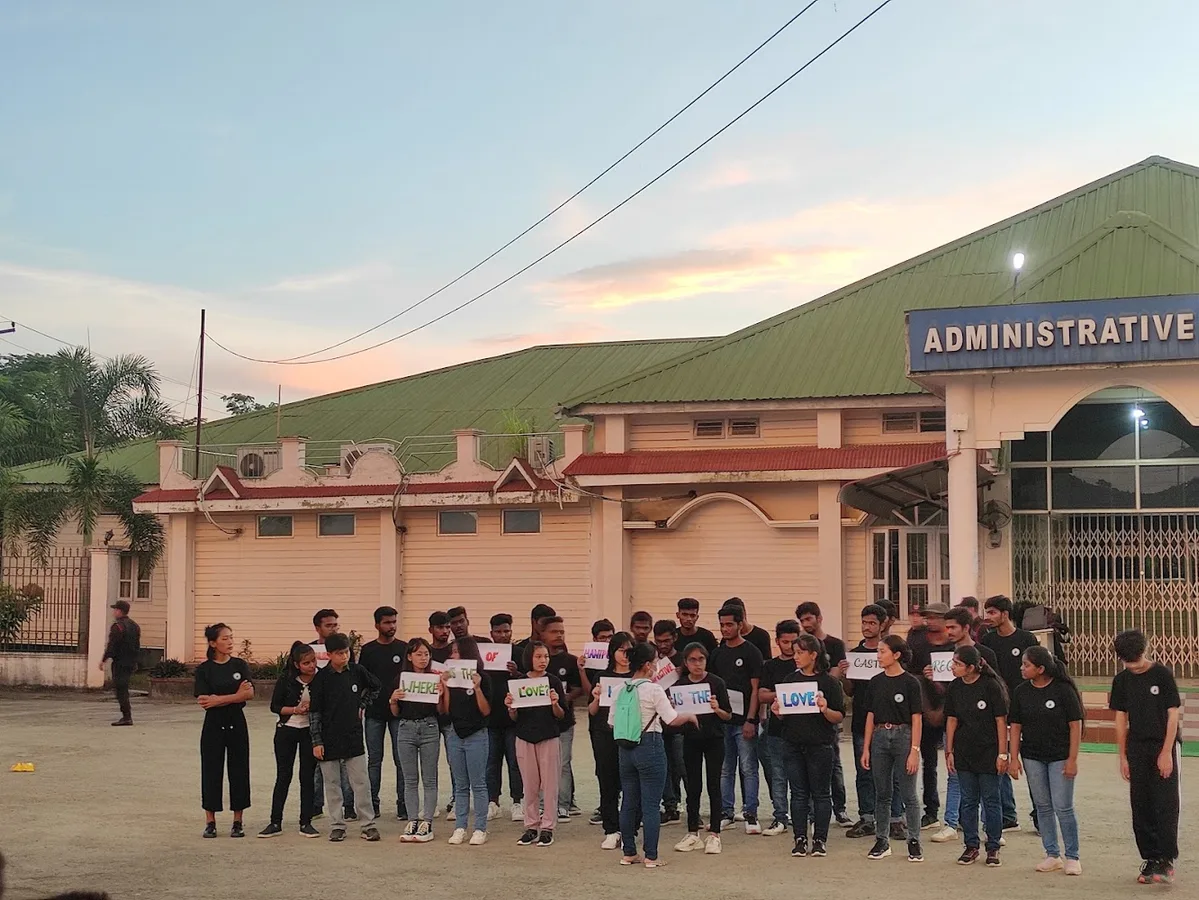

National Institute of Technology Manipur, founded in 2010 in Imphal West, Manipur, is a premier academic institution dedicated to higher learning. Affiliated with Manipur State University and adhering to statutory benchmarks established by All India Council for Technical Education (AICTE), the institution delivers specialized academic curricula centered on engineering innovation, applied science, computational systems, and advanced technical research. Students benefit from contemporary infrastructure featuring state-of-the-art computational centers, robotics and IoT laboratories, and core engineering workshops, designed to support hands-on learning and comprehensive intellectual growth. Dedicated to holistic student empowerment, the institution prepares ethical and career-ready professionals who contribute meaningfully to societal and industrial growth.
Total Fees
₹69K - ₹12.2L
Total Courses
4
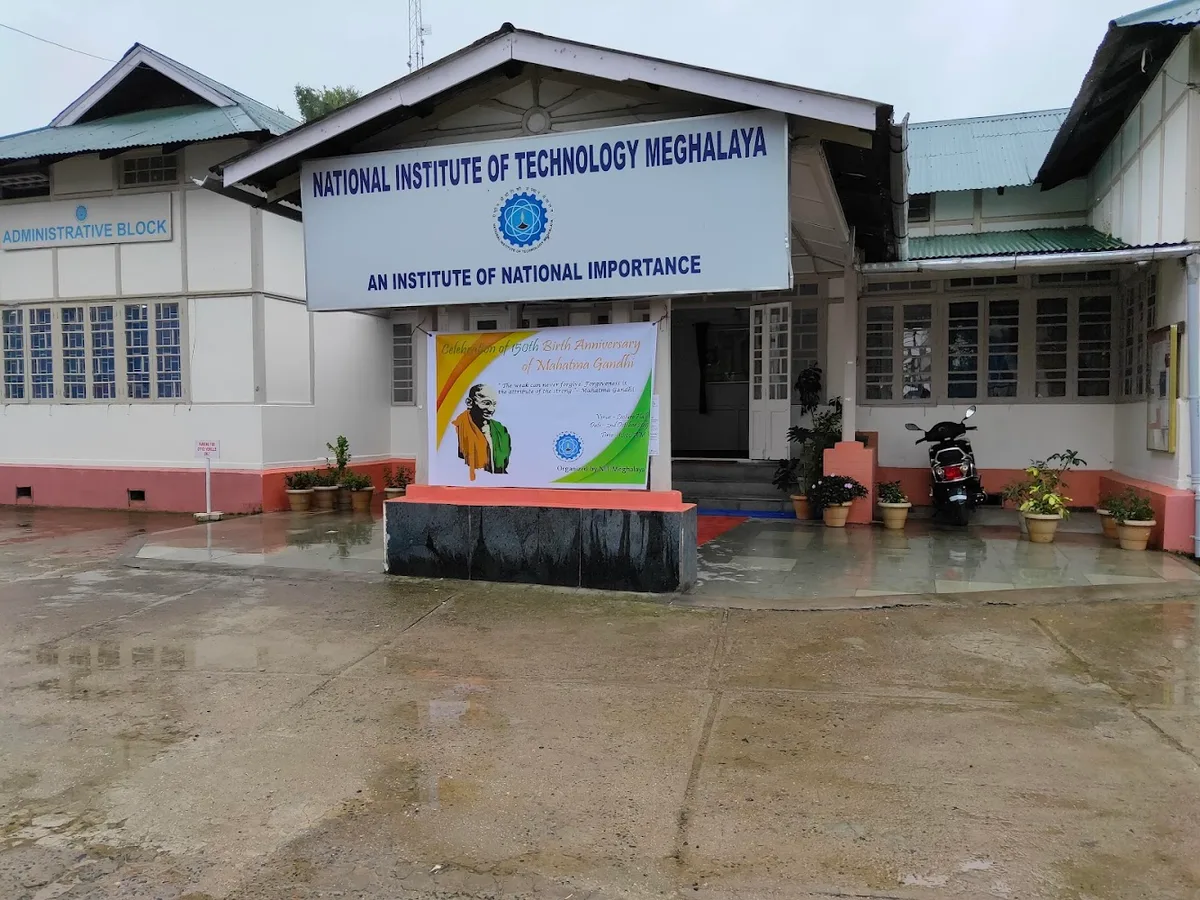

National Institute of Technology Meghalaya, founded in 2010 in East Khasi Hills, Meghalaya, is a premier academic institution dedicated to higher learning. Conforming to regulatory norms of All India Council for Technical Education (AICTE) through its affiliation with Meghalaya State University, the institution offers students an integrated foundation across engineering innovation, applied science, computational systems, and advanced technical research. With modern campus amenities encompassing state-of-the-art computational centers, robotics and IoT laboratories, and core engineering workshops, the institution actively bridges conceptual instruction with empirical application. Through structured career placement cells and community outreach, National Institute of Technology Meghalaya continues to prepare graduates for impactful careers across regional and global sectors.
Total Fees
₹64K - ₹5.7L
Total Courses
4
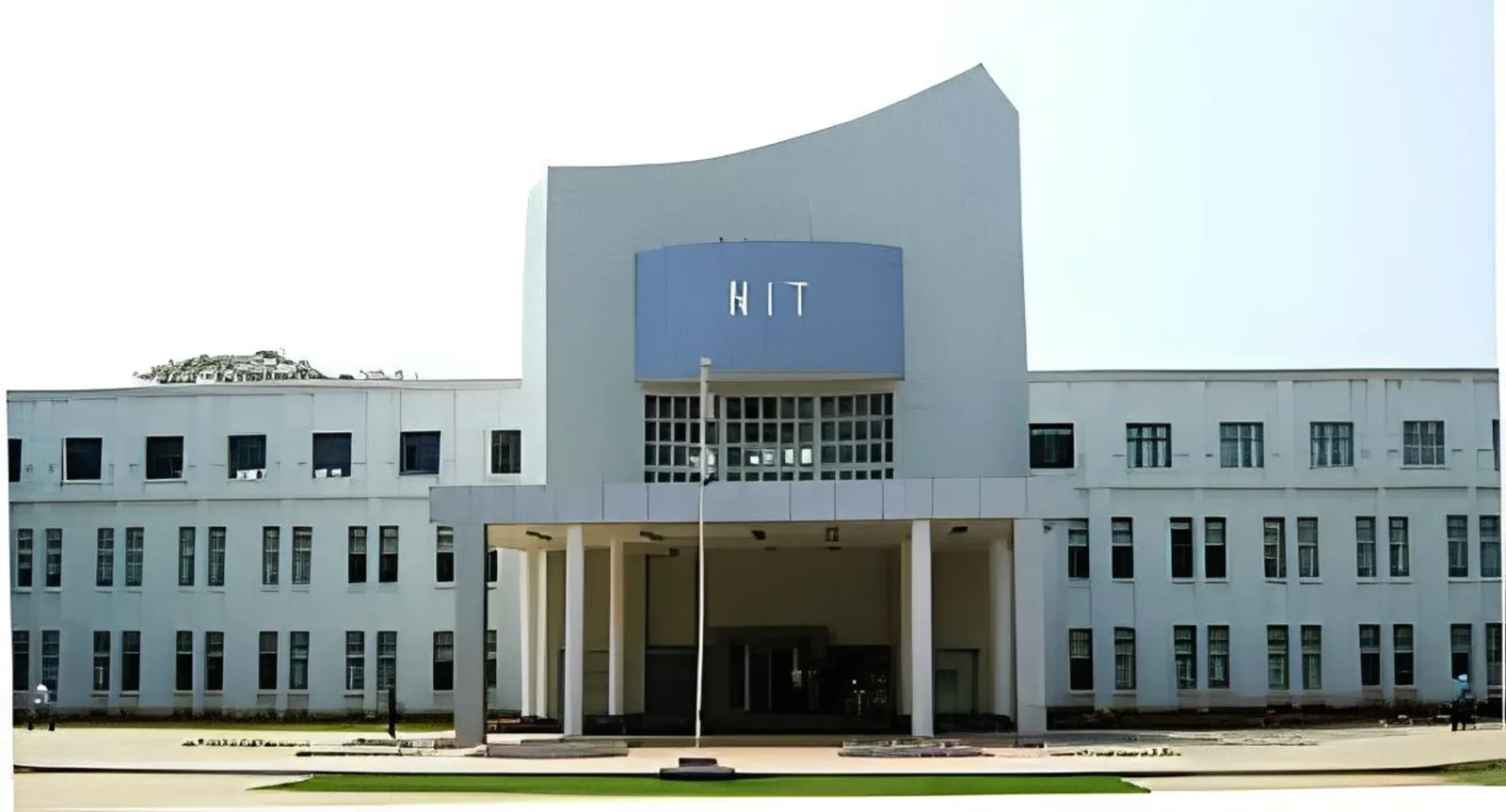

National Institute of Technology Mizoram (NIT Mizoram) is one of the 31 NITs in India, established in 2010. It is an Institute of National Importance under the Ministry of Education, Government of India. The institute offers undergraduate, postgraduate, and doctoral programs in engineering, science, and technology, and is known for its growing academic excellence and research initiatives.
Total Fees
₹2L - ₹6.1L
Total Courses
3


National Institute of Technology Nagaland, an institute of national importance, is a higher education technical institute located at Chumukedima (Dimapur), Nagaland. It is one among the ten newly approved NITs by the Government of India in 2009 under the 11th Five-Year Plan, and it started functioning from the academic year 2010. Initially, this institute started its journey under the mentorship of the National Institute of Technology Silchar in Assam. It functioned on the campus of NIT Silchar for two years. Land for a permanent campus was identified for the institute during January 2012, and it is located in a hilly terrain area at Chumukedima near Dimapur, Nagaland. The first academic session of the institute on its permanent campus started on 20th September 2012. The land of 291 acres (which had originally been allotted for the Office of the Deputy Commissioner) was handed over by the Government of Nagaland with a few buildings to NIT Nagaland for the establishment of its permanent campus. The infrastructure for classrooms, hostels, and dining blocks for boys and girls has been created with the refurbishment of the existing RCC buildings and construction of a few prefabricated buildings. Prefabricated structures for new classroom blocks, laboratories (physics, chemistry, electrical machines, power systems, etc.), and hostels have been constructed.
Total Fees
₹43K - ₹6L
Total Courses
5

National Institute of Technology Puducherry (NITPY), nestled in the scenes of Karaikal, a coastal enclave in the basin of river Kaveri, is one among the ten new NITs in the Union Territory of Puducherry. Notwithstanding the tender age, NIT-Py is committed to producing effective and responsible technocrats who have the ability to serve the nation on its journey to growth and prosperity. In this process, students have been admitted from the academic year 2010-11 onwards through JEE Mains with 50% of seats reserved for the candidates having residence/native at Puducherry, Karaikal, Mahe, and Yanam, and the remaining 50% of seats are filled on an all-India basis. The institute provides keen guidance in terms of experienced and expert faculties as well as facilities to sculpt the bright minds into professionally balanced individuals, capable enough to take up challenges of nature, of society, and of the marketplace. Presently, 69 faculty members along with 84 non-teaching staff are employed for an overall strength of 1534 students. Students are exposed to the most modern and up-to-date curriculum and contemporary developments in various disciplines of engineering. In addition to scientific and engineering skills, the institute provides scope for our upcoming graduates to get exposure to teamwork on experimental projects, presentations, communication skills, and active participation in all extracurricular activities. Since necessity is the mother of inventions, our students have participated in every corner of need and took the chaos of early years as an opportunity to grow with self-determination and innovation. To mention, the institute website and many laboratory experiments were designed and fabricated by them. The institution is at a constant attempt of making endeavours to scale new heights by developing a synergy between studies, research, and consulting/training activities
Total Fees
₹84K - ₹5.9L
Total Courses
5
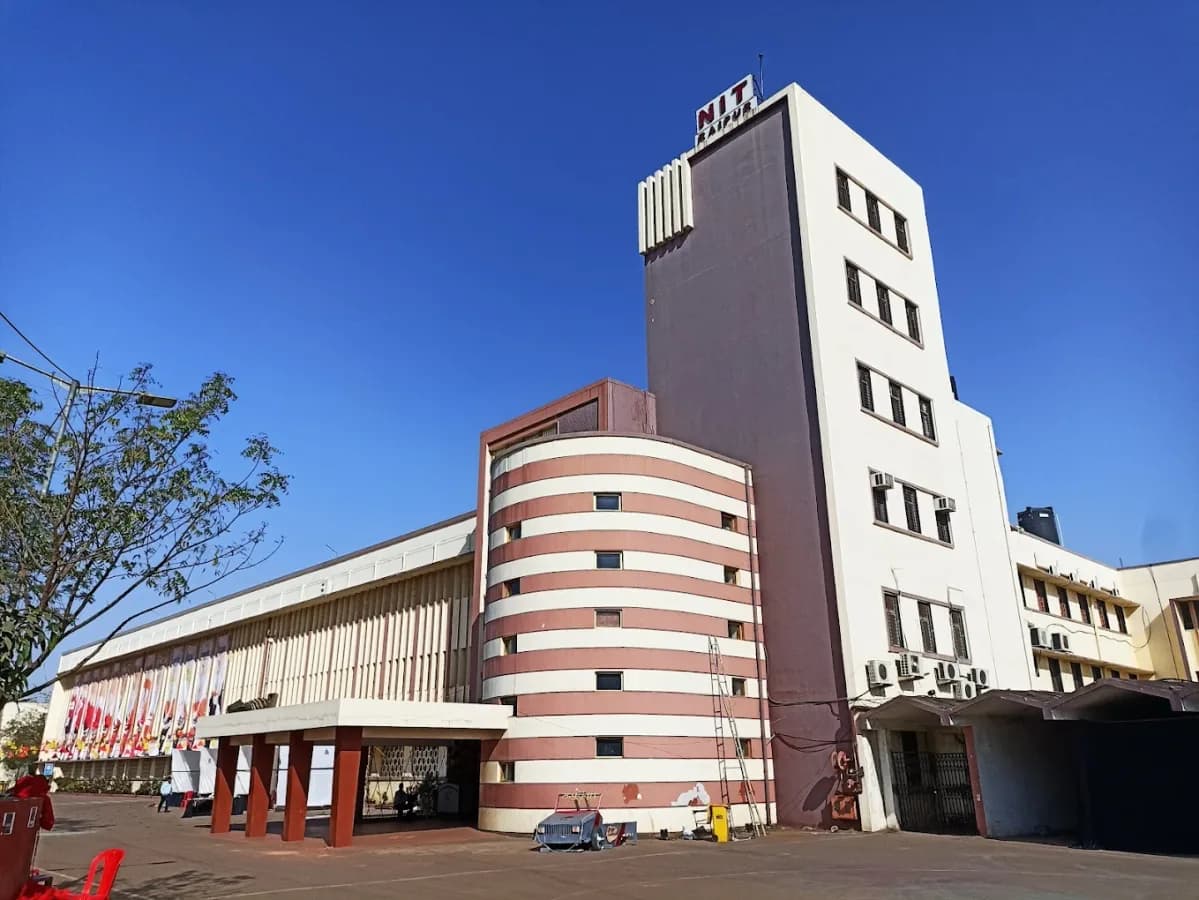
The Institute, located in Raipur, the capital city of Chhattisgarh State, is spread over an area of 100 acres. Raipur city is well connected with Mumbai, Delhi, Chennai, Visakhapatnam, Nagpur & Bhubaneshwar by regular flights and is on the main Howrah-Mumbai railway line route. The institute is 5 km from Raipur railway station and 14 km from the airport on NH-6, the Great Eastern Road. The state of Chhattisgarh is a mineral-rich state having enormous potential for development with seemingly inexhaustible natural resources of coal, iron ore, limestone, dolomite, tin, gemstones, and other minerals. Many industries, such as those of cement, steel, steel alloy, mines, etc., are located in the vicinity of the institute, giving it a unique advantage for industry-institute interaction in various disciplines of engineering.
Total Fees
₹99K - ₹7.4L
Total Courses
7
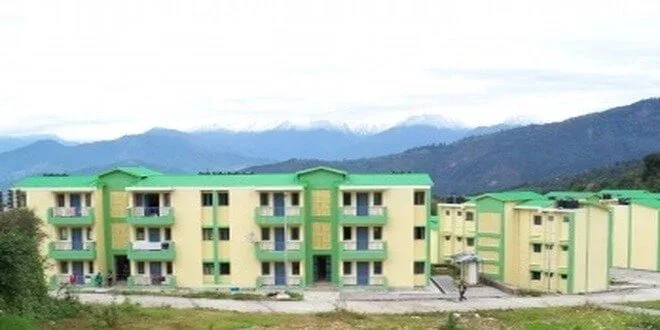

National Institute of Technology Sikkim (NIT Sikkim) is one of the 31 NITs in India, established in 2010 under the Ministry of Education. The institute offers undergraduate, postgraduate, and doctoral programs in engineering, sciences, and humanities. Known for its scenic campus and growing academic environment, NIT Sikkim focuses on technical education, research, and innovation.
Total Fees
₹74K - ₹5.8L
Total Courses
4
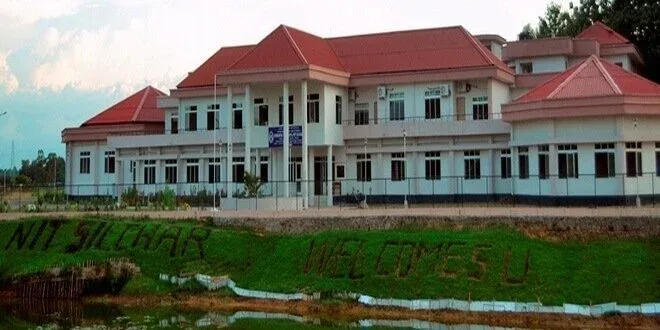
National Institute of Technology Silchar (NIT Silchar) is one of the premier engineering institutes in India and is recognized as an Institute of National Importance under the Ministry of Education, Government of India. Established in 1967 as Regional Engineering College Silchar, it was later upgraded to NIT status in 2002. The institute offers undergraduate, postgraduate, and doctoral programs in engineering, science, management, and humanities. NIT Silchar is known for its strong academic curriculum, modern infrastructure, research facilities, and excellent placement records with top recruiters visiting the campus each year.
Total Fees
₹59K - ₹6.1L
Total Courses
6
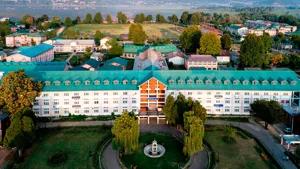

The National Institute of Technology, Srinagar, is one of the premier educational institutes in the northern regions of the country. It was established in 1960 and has been one of the eighteen regional engineering colleges sponsored by the Govt. of India during the 2nd Plan. The institute acquired the status of National Institute of Technology with deemed-to-be-university status during August 2003 and attained full autonomy in its academics. The institute is situated on the banks of world-famous Dal Lake, with the far-famed Hazratbal Shrine on the other side of the campus. NIT Srinagar is a residential institute with accommodation facilities in hostels and staff quarters. There are four boys' hostels and one girls' hostel, which accommodate about 1500 boys and 200 girls. Besides running the B.Tech program, the institute also offers an M.Tech program in many streams. In addition to that, a large number of students are registered for M.Phil. and Ph.D. programs.
Total Fees
₹86K - ₹6L
Total Courses
6
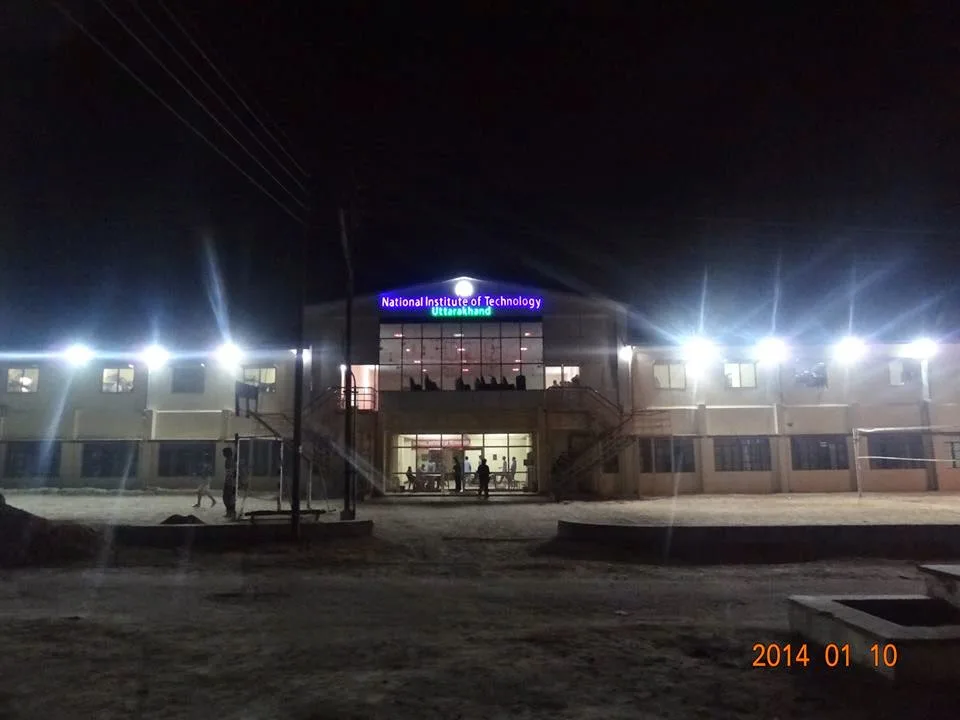

National Institute of Technology Uttarakhand, founded in 2009 in Pauri Garhwal, Uttarakhand, is a premier academic institution dedicated to higher learning. Affiliated with Uttarakhand State University and adhering to statutory benchmarks established by All India Council for Technical Education (AICTE), the institution delivers specialized academic curricula centered on engineering innovation, applied science, computational systems, and advanced technical research. With modern campus amenities encompassing state-of-the-art computational centers, robotics and IoT laboratories, and core engineering workshops, the institution actively bridges conceptual instruction with empirical application. Graduates of National Institute of Technology Uttarakhand emerge as competent, socially conscious professionals poised to assume impactful roles in diverse professional domains.
Total Fees
₹80K - ₹5L
Total Courses
4
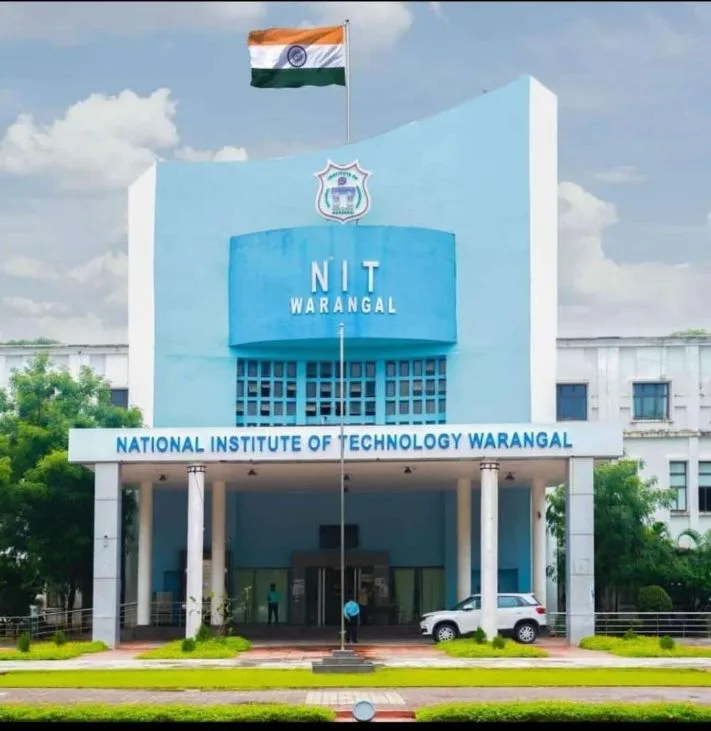

With an educational trajectory spanning 67 years since its inception in 1959, National Institute of Technology, Warangal serves as a prominent seat of learning in Warangal, Telangana. The institution is affiliated with Telangana State University and recognized by All India Council for Technical Education (AICTE), imparting rigorous programs anchored in engineering innovation, applied science, computational systems, and advanced technical research. The campus is equipped with state-of-the-art computational centers, robotics and IoT laboratories, and core engineering workshops, creating an immersive environment for scholarly development and collaborative innovation. Graduates of National Institute of Technology, Warangal emerge as competent, socially conscious professionals poised to assume impactful roles in diverse professional domains.
Total Fees
₹1.4L - ₹21.6L
Total Courses
7
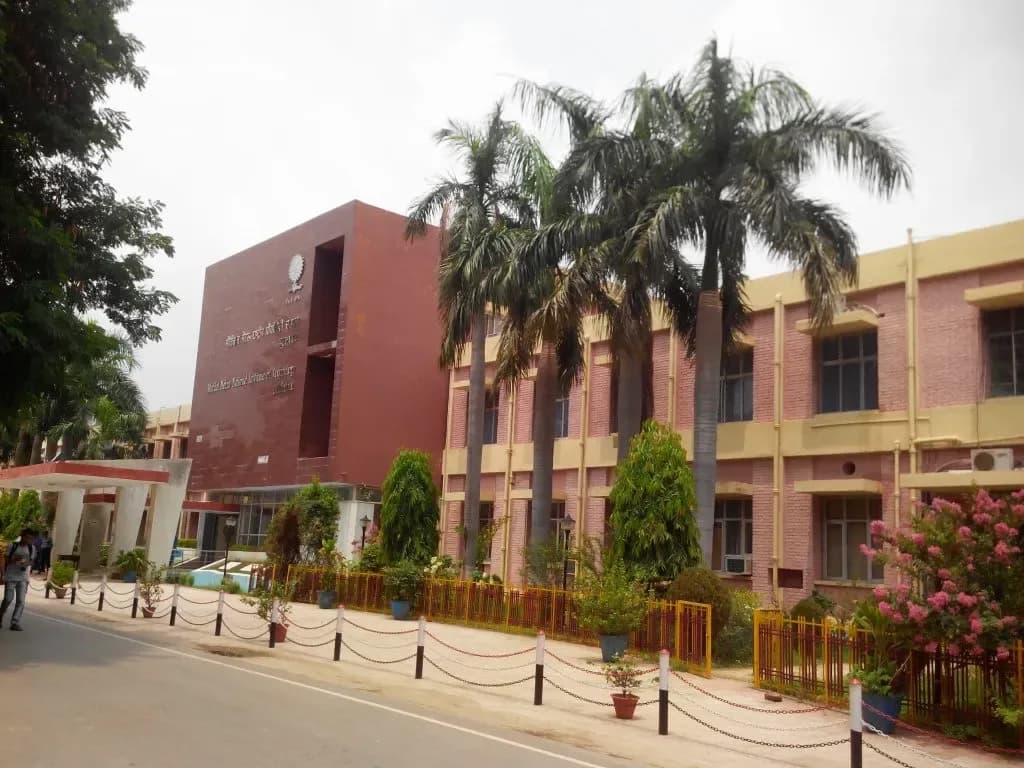

Motilal Nehru National Institute of Technology (MNNIT), Allahabad is one of the top National Institutes of Technology in India and is recognized as an Institute of National Importance. Established in 1961, the institute offers undergraduate, postgraduate, and doctoral programs in engineering, management, sciences, and applied disciplines.
Total Fees
₹1.3L - ₹6.6L
Total Courses
5
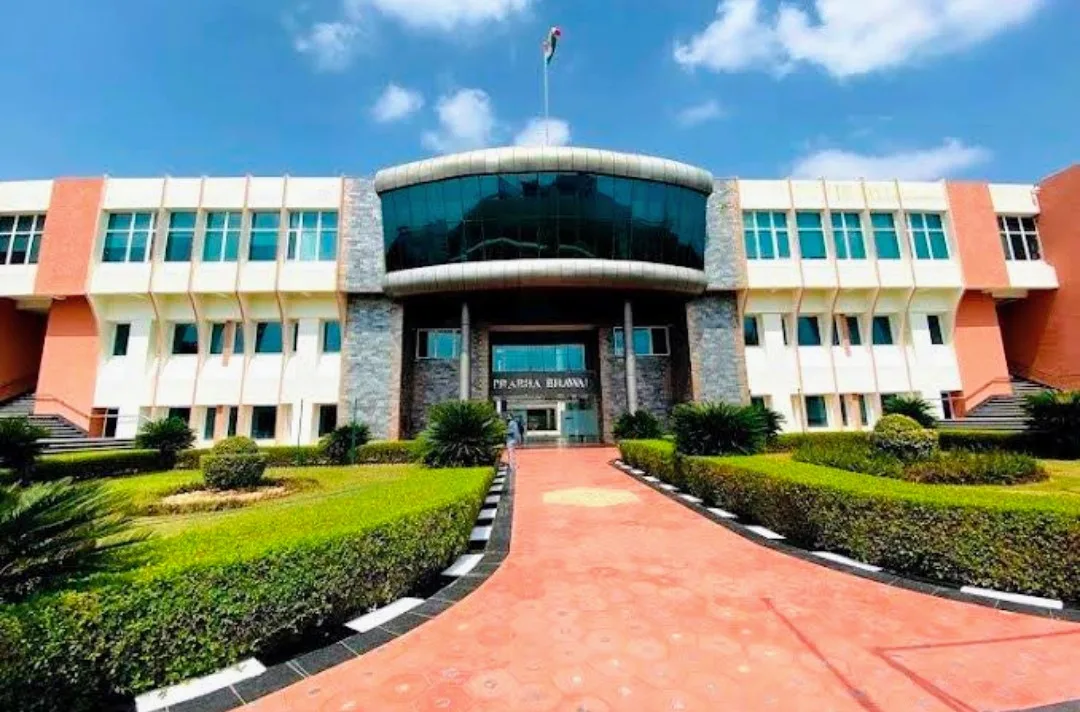

Established in 1963, Malviya National Institute of Technology, Jaipur is a distinguished institution situated in Jaipur, West Bengal. Operating under the academic aegis of West Bengal State University and recognized by All India Council for Technical Education (AICTE), it provides structured degree programs emphasizing engineering innovation, applied science, computational systems, and advanced technical research. With modern campus amenities encompassing state-of-the-art computational centers, robotics and IoT laboratories, and core engineering workshops, the institution actively bridges conceptual instruction with empirical application. Graduates of Malviya National Institute of Technology, Jaipur emerge as competent, socially conscious professionals poised to assume impactful roles in diverse professional domains.
Total Fees
₹96K - ₹9.4L
Total Courses
8
Get More Info About JEE Main 95 Percentile
Recommended Reading

APAAR ID for CUET UG 2027: Your Essential Guide to Seamless Admissions
Navigate CUET UG 2027 registration with our comprehensive guide on APAAR ID. Understand its importance, generation process, and how it streamlines your academic journey for central university admissions.

JEE Main 85 Percentile: Your Guide to NITs & Top Engineering Colleges
Securing an 85 percentile in JEE Main opens doors to a unique set of engineering opportunities. This guide from MatchToCollege helps you navigate NIT admissions and explore other top colleges, ensuring you make informed decisions for your future.

IIFT MBA Admission 2027: Your Definitive Guide to International Business & Analytics
Navigate the IIFT MBA Admission 2027 process for International Business (IB) and Business Analytics (BA) with this comprehensive guide. Understand eligibility, CAT cutoffs, and the detailed selection stages to secure your spot at a premier institution.