

Is Graduation Enough for Corporate Jobs in 2026?
Admission & Info Tools
Need Expert Assistance?
Our counselors can help you with fee structures, eligibility guidelines, and upcoming admission cutoffs instantly.
Direct Application Tools

Graduation versus corporate jobs in 2026
In an ever-accelerating world, the question on many students' and parents' minds is profound and urgent: Is a bachelor's degree enough for corporate jobs in 2026? The traditional pathway – graduate, then secure a job – is undergoing a monumental transformation. While a university degree undeniably provides a foundational education and critical thinking skills, the landscape of corporate employment is rapidly shifting, driven by technological advancements, globalization, and evolving employer expectations.
Just a few years ago, a degree was often the golden ticket. Today, as we approach 2026, the answer is more nuanced. The future job market demands more than just a certificate; it requires a dynamic blend of specialized skills, practical experience, continuous learning, and adaptability. Automation and Artificial Intelligence (AI) are not just buzzwords; they are reshaping industries, creating new roles, and making others obsolete. This creates a significant skills gap that traditional education models sometimes struggle to fill.
For ambitious students eyeing top corporate roles in sectors like technology, finance, marketing, or healthcare, merely graduating might no longer be the sole determinant of success. Employers are increasingly seeking candidates who can demonstrate immediate value, possess a diverse skill set beyond their major, and show a proactive approach to professional development. The competition for high-value corporate jobs in 2026 will be fierce, making it imperative for students to strategize their higher education and career readiness with foresight.
This comprehensive guide from MatchToCollege will delve into what the future job market truly expects. We'll explore the critical skills and experiences necessary to thrive, dissect the evolving demands of various industries, and reveal how you can position yourself for a successful career in a world where continuous learning is paramount. We understand the anxieties around securing a rewarding career post-graduation, and our mission is to empower you with the insights and tools to navigate this complex journey. Let's explore how to turn your higher education into a powerful launchpad for future success.
The Evolving Landscape: More Than Just a Degree
The notion that a degree alone guarantees a successful career is fast becoming a relic of the past. By 2026, the corporate world will have further embraced a skill-centric hiring philosophy. Companies are less concerned with where you learned, and more with what you can do. The rapid pace of technological advancements, particularly in AI, machine learning, and data science, means that curriculum learned in the first year of college might be partially outdated by graduation.
Global competition further complicates the picture. Graduates are not just competing with peers from their own country but with a worldwide talent pool. This intensifies the pressure to stand out, not just with academic credentials, but with a demonstrable portfolio of skills and experiences. While a degree remains a vital foundation, signaling commitment, discipline, and a baseline of knowledge, it now serves as a prerequisite rather than a differentiator. The focus has shifted from merely having a degree to what you did with your degree, and what additional capabilities you've cultivated alongside it. This paradigm shift requires a strategic approach to higher education, one that MatchToCollege excels at guiding.
Essential Skills Beyond the Transcript for 2026 Corporate Jobs
To secure and excel in corporate jobs in 2026, graduates must cultivate a robust blend of both soft and hard skills that complement their academic knowledge. Employers are actively seeking individuals who are not just knowledgeable, but also adaptable, innovative, and capable of collaborative problem-solving. Here are the paramount skills:
- Critical Thinking & Problem-Solving: The ability to analyze complex situations, identify core issues, and devise effective solutions is invaluable. This goes beyond rote memorization to true application.
- Adaptability & Resilience: The business environment changes constantly. Graduates must be able to learn new tools, processes, and even entire job functions quickly and thrive amidst uncertainty.
- Digital Literacy & Data Analysis: A fundamental understanding of digital tools, platforms, and the ability to interpret data are non-negotiable across almost all sectors. Basic proficiency in data visualization and analysis software is a huge advantage.
- AI & Automation Awareness: While not everyone needs to be an AI developer, understanding how AI impacts industries, workflows, and job roles is crucial. Familiarity with AI tools and their ethical implications will set candidates apart.
- Effective Communication & Collaboration: Strong verbal and written communication, coupled with the ability to work effectively in diverse teams, is consistently ranked as a top employer demand.
- Emotional Intelligence (EQ): Understanding and managing one's own emotions, and accurately perceiving and influencing the emotions of others, is key for leadership and team dynamics.
- Specialized Technical Skills: Depending on the field (e.g., coding languages for tech, financial modeling for finance, specific software for design), in-depth technical expertise remains highly valued.
Developing these skills requires intentional effort, often extending beyond typical classroom learning, underscoring the need for a holistic approach to higher education planning.
The Power of Practical Experience & Continuous Learning
Beyond formal qualifications and a robust skill set, two other pillars are indispensable for success in the 2026 corporate landscape: practical experience and a commitment to lifelong learning.
Bridging Theory with Practice: Internships and Co-ops
Practical experience is no longer a 'nice-to-have' but a 'must-have'. Internships, co-operative education programs, part-time jobs, and even significant volunteer roles provide invaluable real-world exposure. They allow students to apply theoretical knowledge, understand industry dynamics, build a professional network, and develop critical workplace etiquette. Employers often prioritize candidates who have already demonstrated their ability to function effectively in a professional setting, minimizing the 'training curve' upon hiring. These experiences can also lead directly to job offers, as companies often use internships as extended interviews.
The Imperative of Lifelong Learning
The pace of change means that what is relevant today might not be tomorrow. Therefore, a mindset of continuous learning is crucial. Graduates must be prepared to constantly upskill and reskill throughout their careers. This includes pursuing certifications (e.g., in project management, cybersecurity, digital marketing), taking online courses, attending workshops, and staying updated on industry trends. Demonstrating this commitment to personal and professional development signals adaptability and ambition, qualities highly sought after in the dynamic corporate environment of 2026 and beyond.
How MatchToCollege Equips You for Tomorrow's Job Market
Navigating the complexities of higher education and career preparation can feel overwhelming. This is where MatchToCollege steps in as your indispensable partner. Our AI-powered platform and expert counselors are specifically designed to help students and parents make informed decisions that lead to career success in the evolving job market.
- Personalized Career Pathing: We don't just find you a college; we help you identify majors and programs that align with future job market trends and your unique strengths, ensuring your education is a strategic investment.
- Skill-Centric Program Recommendations: MatchToCollege helps you discover universities and programs renowned for integrating practical experience, robust career services, and opportunities to develop the critical hard and soft skills employers demand.
- Guidance on Supplementary Learning: Beyond your degree, we advise on valuable certifications, internships, and extracurricular activities that will enhance your profile and fill potential skill gaps.
- Data-Driven Insights: Leveraging cutting-edge AI, we provide insights into employment outlooks for various fields, helping you understand the real-world value of your educational choices.
Don't leave your future to chance. With MatchToCollege, you gain the strategic advantage needed to transform your higher education into a powerful launchpad for a thriving career in 2026 and beyond. Prepare for success with precision and foresight.
Share this Article
FAQFrequently Asked Questions
Q: Will a bachelor's degree be useless by 2026?
No, a bachelor's degree remains a vital foundation for most corporate jobs. However, it's increasingly not sufficient on its own. Employers in 2026 will look for a blend of academic knowledge, practical skills, continuous learning, and adaptability to thrive in a rapidly changing job market.
Q: What are the most important skills for corporate jobs in 2026?
Key skills for corporate jobs in 2026 include critical thinking, problem-solving, adaptability, digital literacy, data analysis, effective communication, and basic AI proficiency. Soft skills like emotional intelligence and collaboration are also highly valued across industries.
Q: How can MatchToCollege help me prepare for the 2026 job market?
MatchToCollege provides AI-powered personalized guidance, helping you identify majors and programs aligned with future job trends. We assist in finding colleges that offer robust practical experience, strong career services, and opportunities to develop essential skills, ensuring you're future-ready.
Q: How important is practical experience for corporate jobs in 2026?
Practical experience, such as internships, co-ops, and significant projects, is extremely important for corporate jobs in 2026. It allows you to apply theoretical knowledge, build a professional network, and demonstrate your ability to contribute immediately to a company, giving you a significant edge over candidates with only academic qualifications.
Get More Info About Is Graduation Enough for Corporate Jobs in 2026?
Recommended Reading
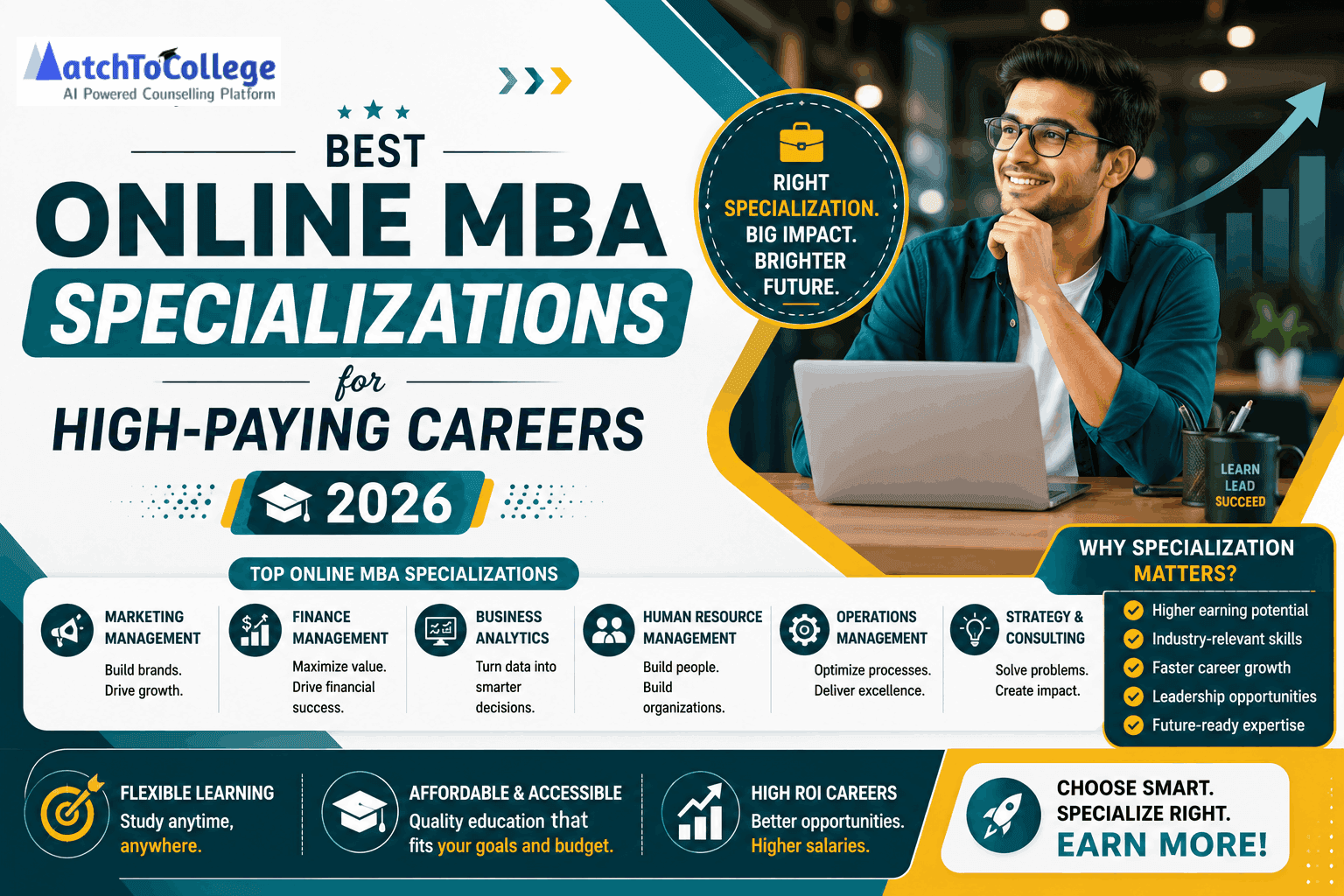
Best Online MBA Specializations for High-Paying Careers 2026
Discover the most lucrative online MBA specializations for 2026-27. Compare ROI, career growth, and use our AI tools to find your perfect management path.
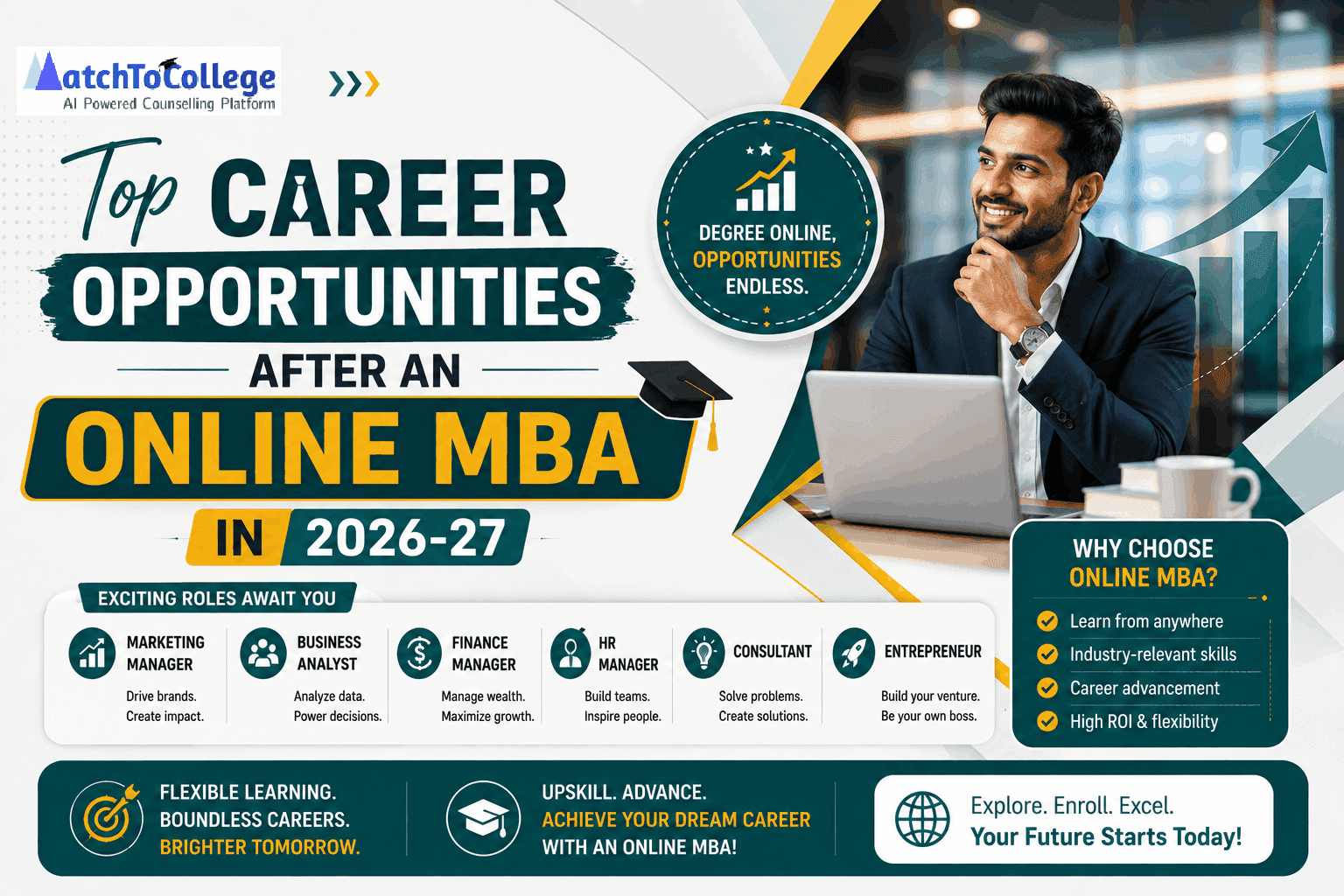
Top Career Opportunities After an Online MBA in 2026-27
Discover high-paying career paths and roles after an online MBA in 2026-27. Explore salary trends, ROI, and tools to navigate your future professional success.
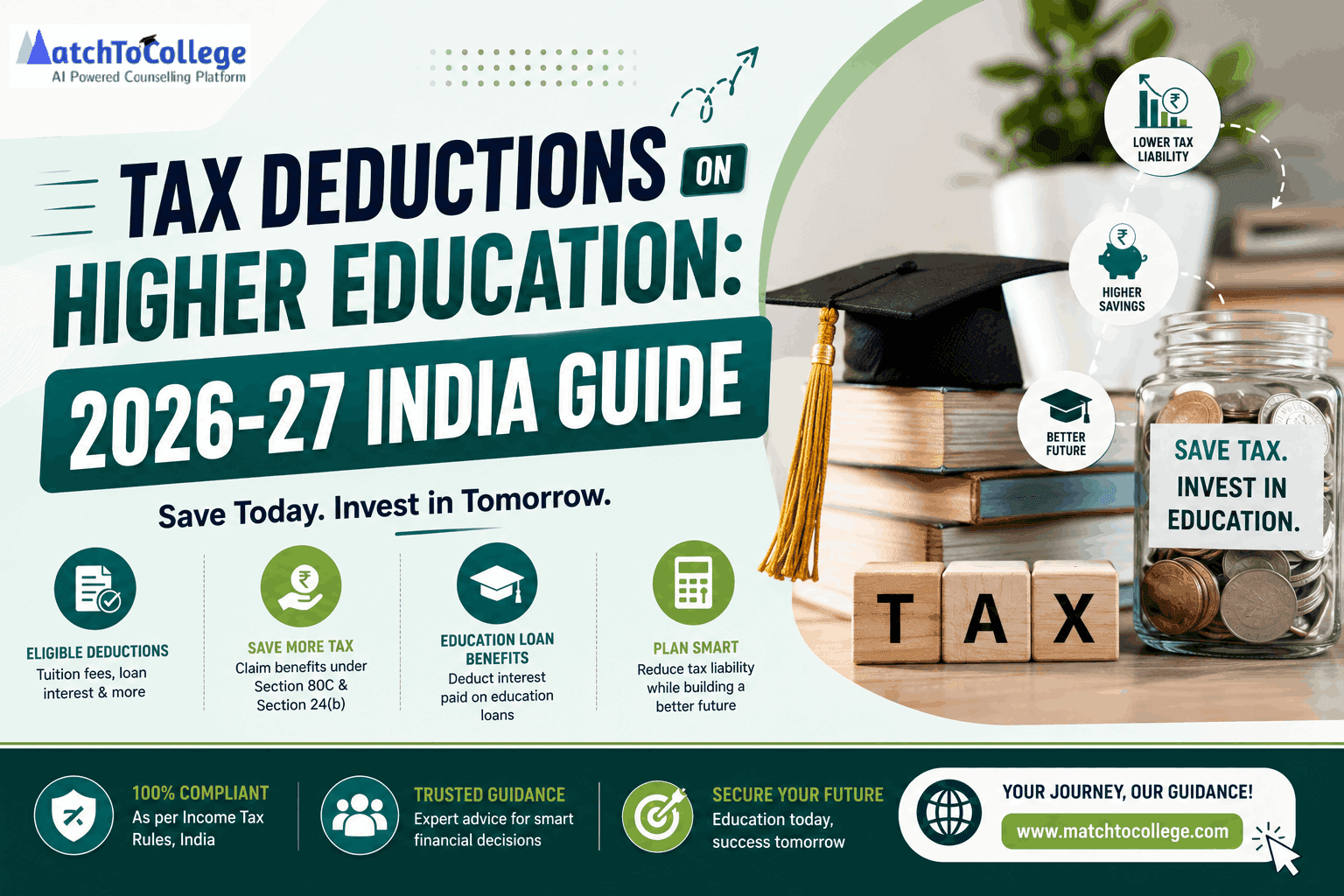
Tax Deductions on Higher Education: 2026-27 India Guide
Maximize your savings with our guide on tax deductions for higher education fees in India for FY 2026-27. Learn about Section 80C, 80E, and upskilling benefits.