

Global rankings: Why Indian Universities are climbing the charts.
Admission & Info Tools
Need Expert Assistance?
Our counselors can help you with fee structures, eligibility guidelines, and upcoming admission cutoffs instantly.
Direct Application Tools

Indian universities rise in rankings
In recent years, a remarkable trend has captured the attention of students, parents, and educators worldwide: Indian universities are consistently climbing global rankings. For decades, the aspiration for world-class higher education often led Indian students abroad. While international study remains a valuable path, the landscape within India is undergoing a significant transformation. Premier institutions are not just improving; they are making a decisive mark on prestigious lists like the QS World University Rankings and Times Higher Education (THE) World University Rankings.
This ascent is more than just a matter of prestige; it signifies a monumental shift in the quality, infrastructure, and research output of India's higher education system. It means that an increasingly diverse range of world-class educational opportunities are now available right here at home. For students and parents navigating the complex world of college admissions, this trend offers exciting new possibilities and choices.
The improved standing reflects a concentrated effort towards academic excellence, enhanced research capabilities, and a greater focus on global benchmarks. From engineering marvels at the Indian Institutes of Technology (IITs) to cutting-edge research at institutions like the Indian Institute of Science (IISc), and the comprehensive programs offered by universities like JNU and Delhi University, Indian academia is increasingly being recognized for its contributions. This blog post will delve into the key drivers behind this impressive surge, explore what it means for prospective students, and how platforms like MatchToCollege can empower you to make informed decisions and find your perfect academic fit within this evolving landscape.
The Driving Forces Behind India's Academic Ascent
The impressive rise of Indian universities in global rankings is not accidental; it's the result of concerted efforts and strategic initiatives across multiple fronts. Key among these is the increased government funding and the implementation of transformative policies like the National Education Policy (NEP 2020). These policies emphasize research and innovation, interdisciplinary studies, and internationalization, providing a strong framework for institutional growth.
A significant factor contributing to this surge is the substantial improvement in research output and citations. Indian academics are publishing more frequently in high-impact international journals and engaging in impactful international collaborations. Institutions are investing heavily in state-of-the-art infrastructure, advanced laboratories, and digital resources, creating environments conducive to cutting-edge research and learning.
Furthermore, there's a growing focus on enhancing faculty quality, attracting top talent, and improving student-faculty ratios. Programs for faculty development, coupled with an emphasis on hiring globally experienced educators, are elevating teaching standards. This holistic approach, combining governmental support, research prowess, and a commitment to academic excellence, underpins the remarkable ascent of Indian universities on the global stage, making them attractive options for students seeking quality higher education.
Impact on Students: Why This Matters for Your Future
For students and parents, the improved global recognition of Indian universities carries profound implications for future career paths and overall educational experience. Firstly, graduating from a globally ranked Indian institution significantly enhances your employability. Employers, both domestic and international, increasingly value degrees from universities with strong global standing, recognizing the high standards of education and research they represent. This translates into better job opportunities and higher starting salaries.
Secondly, it means access to a superior quality of education. As universities improve their rankings, they also tend to upgrade their curriculum, introduce more industry-relevant programs, and offer better resources such as advanced libraries, research facilities, and innovative learning methodologies. Students gain exposure to world-class faculty, diverse peer groups, and an environment that fosters critical thinking and innovation.
Finally, the rise of Indian universities provides a compelling alternative to studying abroad. While international exposure is valuable, pursuing higher education in India now offers comparable academic rigor and global exposure through collaborations and exchange programs, often at a fraction of the cost. This makes world-class education more accessible, allowing students to achieve academic excellence without necessarily leaving their home country.
Navigating Your Options with MatchToCollege: Your AI-Powered Guide
With Indian universities increasingly making their mark on global rankings, the array of options for higher education can feel overwhelming. How do you identify the best fit universities that align with your academic profile, career aspirations, and personal preferences? Platform specializes in providing personalized guidance, leveraging artificial intelligence to analyze your strengths, interests, and goals against a vast database of colleges and universities, including those rapidly climbing the global charts. Whether you're aspiring for an MBA, engineering, medical, or arts degree, MatchToCollege offers tailored recommendations, helping you cut through the noise and focus on institutions where you are most likely to thrive.
Beyond just rankings, we consider factors like program specifics, faculty expertise, campus culture, and career outcomes to ensure a truly holistic match. From understanding complex admission requirements to exploring scholarship opportunities, MatchToCollege empowers you with the insights needed to make informed decisions about your higher education journey in India and beyond. Discover your potential with MatchToCollege – your partner in academic success.
India’s Rise in Global University Rankings (2026)
| Topic | Key Details |
| Overall Growth | India increased from 11 ranked institutions in 2015 to 54 in 2026  |
| Global Position | India is now the 4th most represented country in the QS World University Rankings |
| Countries Ahead | United States, United Kingdom, and China |
Main Reasons Behind the Rise
| Driver | Impact |
| National Education Policy 2020 | Improved autonomy, funding, and internationalization |
| National Research Foundation | Increased focus on research and innovation |
| Institutions of Eminence | Gave select universities global competitiveness |
| Research Output | Improved publication and citation performance |
| Global Partnerships | Boosted international visibility |

Top Institutional Gains
| Institution | Progress |
| Indian Institute of Technology Delhi | Jumped from 197 (2024) to 123 (2026) |
| Indian Institute of Technology Madras | Rose 47 places to 180 |
| Indian Institutes of Technology | Strong global visibility in STEM |
Where India Still Lags
| Challenge | Current Situation |
| Research Impact | Lower citation influence globally |
| International Outlook | Fewer foreign faculty/students |
| R&D Spending | Around 0.7% of GDP |
| Global Comparison | US at 3.5%, China at 2.4% |
QS vs THE Comparison
| Ranking System | India’s Position |
| QS World University Rankings | 11 universities in top 500 |
| Times Higher Education World University Rankings | 4 universities in top 500 |
What This Means
| Insight | Explanation |
| Growth is real | Driven by policy + investment |
| IITs are leading | Strong research and reputation gains |
| Funding matters | More R&D needed for top-tier status |
| Future outlook | India can move much higher with sustained investment |
India’s higher education system is moving from regional strength to global relevance, and institutions like the Indian Institutes of Technology are setting the pace.
Share this Article
FAQFrequently Asked Questions
Q: Which Indian universities are performing well in global rankings?
Leading Indian institutions like the Indian Institutes of Technology (IITs), Indian Institute of Science (IISc) Bangalore, Jawaharlal Nehru University (JNU), Delhi University, and Anna University are consistently featured and improving their positions in prestigious global rankings such as QS World University Rankings and Times Higher Education (THE) World University Rankings. Many other private and public universities are also gaining international recognition.
Q: How do global rankings impact a student's career prospects and admission chances?
Global university rankings significantly enhance a student's career prospects by boosting the institution's reputation and making graduates more attractive to employers worldwide. A higher-ranked university often signifies better academic quality, research opportunities, and resources, which can lead to better job offers and networking opportunities. For admissions, a university's strong ranking can make it more competitive, requiring applicants to have strong academic records and profiles. MatchToCollege helps students identify institutions where they are a strong fit, considering both rankings and personal attributes.
Top Colleges Covered in this Blog
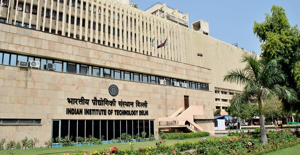
Indian Institute of Technology Delhi
Indian Institute of Technology Delhi
The Indian Institute of Technology Delhi is one of the 23 IITs created to be centers of excellence for training, research, and development in science, engineering, and technology in India. Established as the College of Engineering in 1961, the institute was later declared an Institution of National Importance under the “Institutes of Technology (Amendment) Act, 1963” and was renamed the “Indian Institute of Technology Delhi." It was then accorded the status of a deemed university with powers to decide its own academic policy, to conduct its own examinations, and to award its own degrees. Since its inception, over 60000 have graduated from IIT Delhi in various disciplines, including engineering, physical sciences, management, and humanities & social sciences. Of these, nearly 5070 received Ph.D. degrees. The number of students who graduated with a B.Tech. degree is over 15738. The rest obtained master's degrees in engineering, sciences, and business administration. These alumni today work as scientists, technologists, business managers, and entrepreneurs. There are several alumni who have moved away from their original disciplines and have taken to administrative services, active politics, or are with NGOs. In doing so, they have contributed significantly to building this nation and to industrialization around the world.
Total Fees
₹1.2L - ₹18L
Total Courses
17
Get More Info About Global rankings
Recommended Reading

Best Online MBA Specializations for High-Paying Careers 2026
Discover the most lucrative online MBA specializations for 2026-27. Compare ROI, career growth, and use our AI tools to find your perfect management path.

Top Career Opportunities After an Online MBA in 2026-27
Discover high-paying career paths and roles after an online MBA in 2026-27. Explore salary trends, ROI, and tools to navigate your future professional success.

Tax Deductions on Higher Education: 2026-27 India Guide
Maximize your savings with our guide on tax deductions for higher education fees in India for FY 2026-27. Learn about Section 80C, 80E, and upskilling benefits.