

Evaluate Online Program Industry Tie-Ups for Success
Admission & Info Tools
Need Expert Assistance?
Our counselors can help you with fee structures, eligibility guidelines, and upcoming admission cutoffs instantly.
Direct Application Tools

Evaluating Online Program Industry Partnerships
Choosing an online higher education program is a significant decision, and for many, the ultimate goal is a successful career. In today's competitive job market, a degree alone often isn't enough; employers seek graduates with practical, current skills and real-world experience. This is where the strength of an online program's industry tie-ups becomes a crucial factor. These connections bridge the gap between academic theory and professional practice, ensuring your education is not just theoretical but deeply rooted in the demands of your chosen field.
For prospective students and their parents, assessing the genuine value of an online program extends beyond its curriculum or faculty list. You need to scrutinize how effectively the program integrates with the professional world. Are there robust online program industry connections that lead to internships, mentorship, and tangible career opportunities? Are industry leaders involved in shaping the curriculum to ensure it remains relevant and forward-thinking?
Understanding how to evaluate these partnerships is paramount. Vague claims of "industry relevance" won't suffice. You need concrete evidence of how an online institution actively collaborates with businesses and organizations to enhance student learning and post-graduation success. This comprehensive guide from MatchToCollege will arm you with the critical questions and verification strategies to discern truly valuable programs. We’ll delve into key indicators of strong career relevance online degree programs, ensuring your online learning journey leads to a rewarding professional destination.
Why Industry Tie-Ups Matter for Online Programs
Industry tie-ups refer to formal and informal collaborations between academic institutions and external organizations within a specific industry. For online programs, these connections are particularly vital as they compensate for the potential lack of traditional on-campus proximity to professional networks. They serve several critical functions:
- Ensuring Curriculum Relevance: Industry input keeps course content aligned with current market needs and future trends.
- Facilitating Experiential Learning: They open doors to internships, capstone projects, and real-world problem-solving opportunities.
- Boosting Employability: Graduates benefit from networking, mentorship, and direct recruitment pathways, enhancing their job prospects.
These partnerships ensure your online education is not just theoretical, but a direct pathway to practical skills and career readiness.
Key Indicators of Strong Industry Connections
Curriculum Development & Advisory Boards
A primary sign of genuine industry engagement is the active involvement of professionals in shaping what you learn. Look for mentions of a curriculum advisory board comprising leaders from relevant industries. These boards provide crucial feedback, ensuring course materials and learning outcomes are current and aligned with employer expectations. Inquire about the board members' affiliations and how frequently the curriculum is updated based on their expert insights. This involvement guarantees the program delivers in-demand skills.
Internships & Experiential Learning
Practical experience is a game-changer. Investigate whether the online program facilitates robust internship opportunities online courses or project-based learning. While virtual, these should offer meaningful exposure to industry practices. Ask about dedicated internship coordinators, the percentage of students securing placements through the program’s network, and whether these experiences can earn academic credit. Tangible experiential learning is a direct link to workforce preparation.
Career Services & Employer Partnerships
A strong career services department with verifiable employer partnerships is crucial. This department should actively connect students with job opportunities, provide resume and interview preparation, and track graduate outcomes. Look for published data on graduate employment rates, typical job roles, and specific companies that regularly recruit from the program. Transparent job placement online programs statistics and active career support are clear indicators of valuable industry integration.
Mentorship & Networking Opportunities
Access to industry professionals for mentorship and networking can be invaluable. Evaluate if the program offers structured mentorship programs, regular guest lectures from industry leaders, or virtual networking events that connect students with potential employers. These opportunities provide real-world insights, guidance, and the chance to build a professional network even before graduation.
Research & Project Collaborations
For specialized fields, collaborations on research projects or industry-sponsored capstone projects demonstrate deep ties. Ask if students can participate in initiatives funded by external companies or work on applied problems that directly benefit an industry partner. Such experiences offer unique hands-on practice and often serve as direct pathways to employment.
Internships, Placements, and Co-ops
Don’t rely solely on marketing claims. Proactive research is essential to authenticate an online program’s industry tie-ups:
- Scrutinize Program Websites: Look for dedicated sections detailing "Industry Partnerships," "Career Outcomes," or "Advisory Boards." Seek specific company names, testimonials, and detailed descriptions of collaborations.
- Review LinkedIn: Search for program alumni to see their current employers and career trajectories. Check faculty profiles for their industry experience and connections.
- Engage Admissions/Program Coordinators: Ask direct questions. Request examples of successful partnerships, statistics on career placements, and potentially connect with alumni or current students.
- Attend Virtual Information Sessions: Use these platforms to pose specific questions to faculty and administrative staff about industry engagement.
- Check News and Publications: Major collaborations are often reported in university news, industry journals, or business publications.
Your goal is to find concrete, verifiable evidence of active and beneficial relationships.
Guest Lecturers and Adjunct Faculty
Navigating the complexities of evaluating online programs and their industry connections can be overwhelming. MatchToCollege simplifies this crucial process. Our AI-powered platform provides data-driven insights to help you identify programs that offer genuine career readiness:
- Verified Industry Links: We analyze curriculum, faculty experience, career services data, and alumni networks to highlight programs with strong, proven industry tie-ups.
- Personalized Matches: Based on your career goals and desired industry, we connect you with programs explicitly designed to equip you with in-demand skills through relevant partnerships.
- Objective Data: Access comprehensive data on graduate outcomes, employer collaborations, and the real-world impact of various online degrees.
With MatchToCollege, you gain the clarity and confidence to choose an online education that truly prepares you for a successful and fulfilling career.
Curriculum Development and Advisory Boards
Seek regular guest lectures from industry leaders sharing trends. Availability of mentorship programs pairing students with veterans offers invaluable guidance and networking opportunities. Such interactions provide critical industry insights, enhancing professional development.
Research Collaborations and Project-Based Learning
Does the program offer student engagement in industry-sponsored research and project collaboration? This provides hands-on experience, builds a professional portfolio, and demonstrates practical application of knowledge, enhancing marketability and fostering innovation.
How to Thoroughly Research a Program's Industry Ties
Assess the strength and reach of the alumni network. Where are graduates working? An active alumni community offers unparalleled networking opportunities, mentorship, and job leads. These professional connections are powerful for long-term career advancement; check LinkedIn.
Dive Deep into Program Websites and Brochures
Consider if the program offers industry-recognized certifications alongside your degree. Many fields value specific professional body certifications. Check for endorsements or accreditation by relevant industry associations. This external validation ensures quality and boosts graduate skill validation and marketability.
Leverage LinkedIn and Professional Networks
LinkedIn is an invaluable research tool. Search for program alumni to see their employment destinations, verifying alignment with your career goals. Examine faculty profiles for professional connections and industry experience. Consider reaching out to alumni for informational interviews to gain first-hand insights into the program's career support and industry integration.
Connect with Alumni and Current Students
Direct interaction provides unparalleled insight. Utilize opportunities to connect with current students or alumni ambassadors. Ask specific questions about career services, internship relevance, coursework applicability to jobs, and networking facilitation. Their candid feedback offers invaluable perspectives beyond marketing materials, providing a realistic picture of the program's industry efficacy.
Ask Direct Questions to Admissions Counselors
Engage directly with the admissions team. Prepare targeted questions: What companies recruit? What's the graduate employment rate? Can they provide recent internship examples? Who serves on their industry advisory board? Reputable programs will be transparent and eager to share details about employer connections and career outcomes, which is critical for your evaluation.
The MatchToCollege Advantage: Finding Programs with Real-World Relevance
The task of meticulously evaluating online programs for robust industry connections can be daunting. MatchToCollege's AI-powered platform simplifies this process, helping you identify higher education opportunities genuinely aligned with your career aspirations and boasting strong industry tie-ups. We go beyond basic listings, analyzing employer partnerships, alumni networks, curriculum relevance, and career outcomes to provide personalized, data-driven recommendations.
With MatchToCollege, you gain comprehensive insights, allowing you to compare programs on academic merit and real-world applicability. Empower yourself to make informed decisions, ensuring your investment in online education leads to a fulfilling and prosperous career. Let MatchToCollege guide you to programs truly connected to the industries that matter most to your future.
Share this Article
FAQFrequently Asked Questions
Q: Why are industry tie-ups more important for online programs?
Industry tie-ups are crucial for online programs because they bridge the potential gap between virtual learning and real-world application. They provide online students with access to practical experience, networking, mentorship, and up-to-date curriculum, which might be less readily available through traditional campus proximity to industry hubs. These connections ensure that skills learned are relevant and in demand.
Q: How can I verify a program's claims about industry partnerships?
To verify, scrutinize the program's official website for specific company names, advisory board members, and detailed collaboration descriptions. Check LinkedIn for alumni career paths and faculty industry experience. Directly ask admissions staff for examples, statistics, and potential alumni contacts. Attend info sessions and look for external news or publications detailing their industry collaborations.
Get More Info About Evaluate Online Program Industry Tie-Ups for Success
Recommended Reading
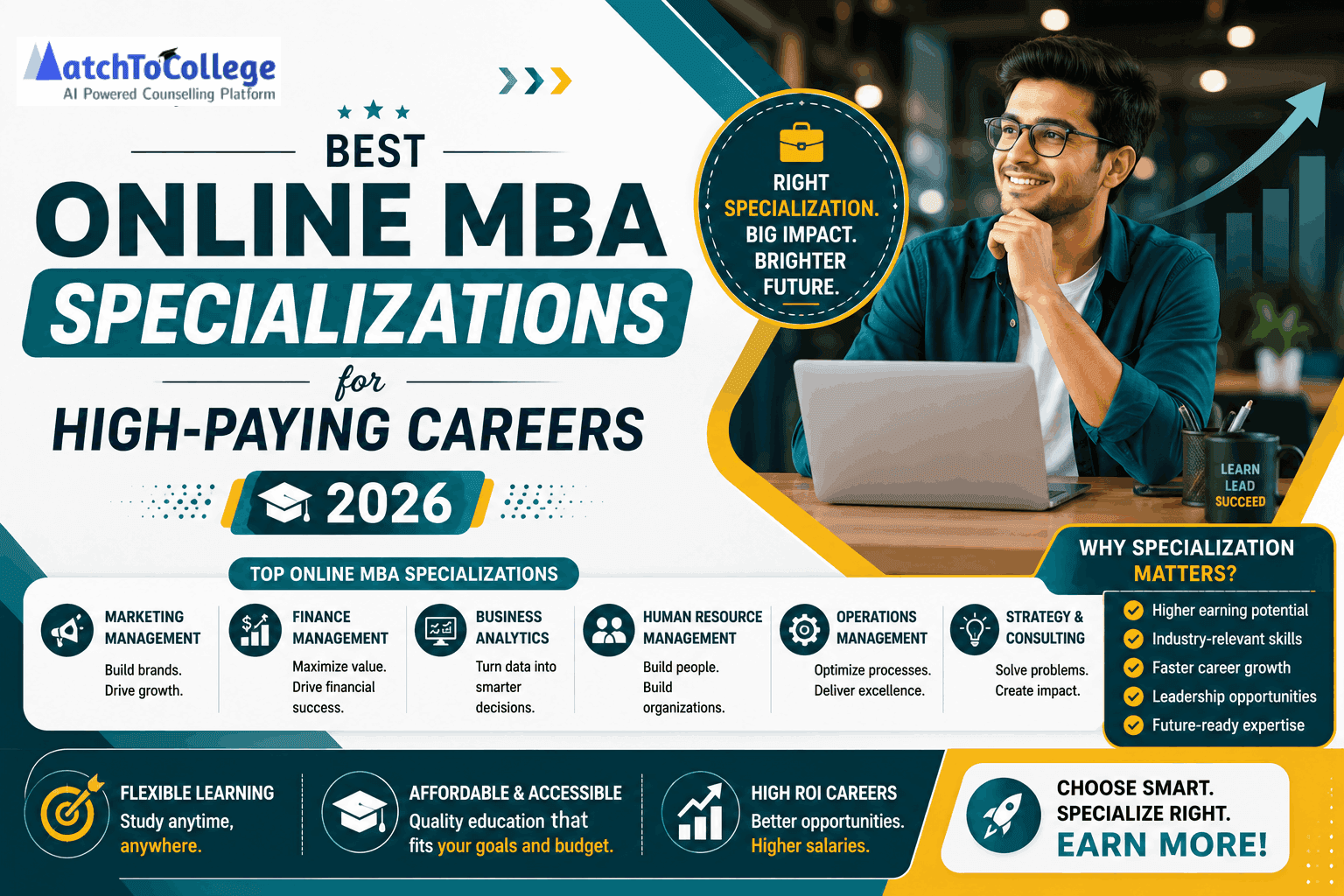
Best Online MBA Specializations for High-Paying Careers 2026
Discover the most lucrative online MBA specializations for 2026-27. Compare ROI, career growth, and use our AI tools to find your perfect management path.
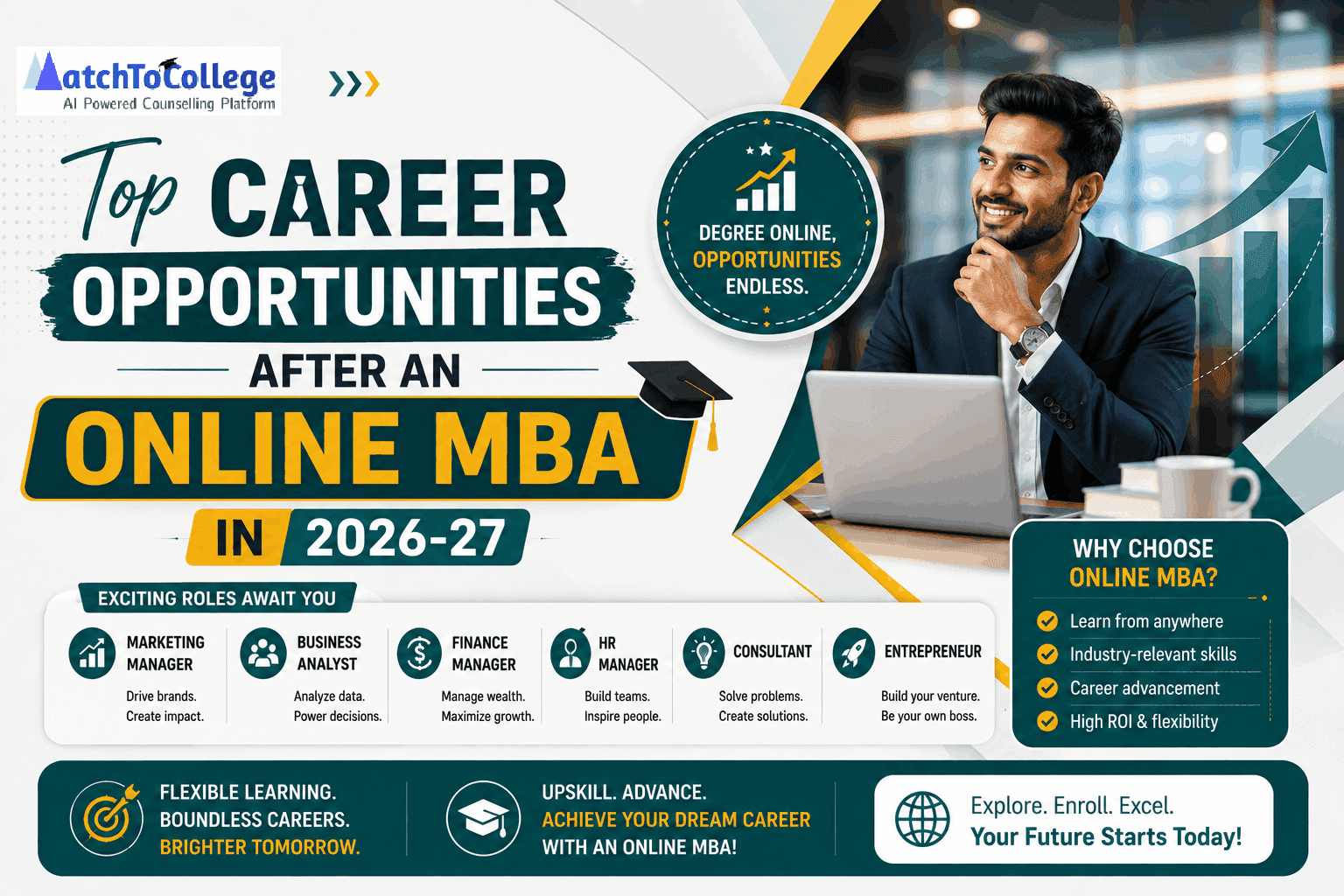
Top Career Opportunities After an Online MBA in 2026-27
Discover high-paying career paths and roles after an online MBA in 2026-27. Explore salary trends, ROI, and tools to navigate your future professional success.
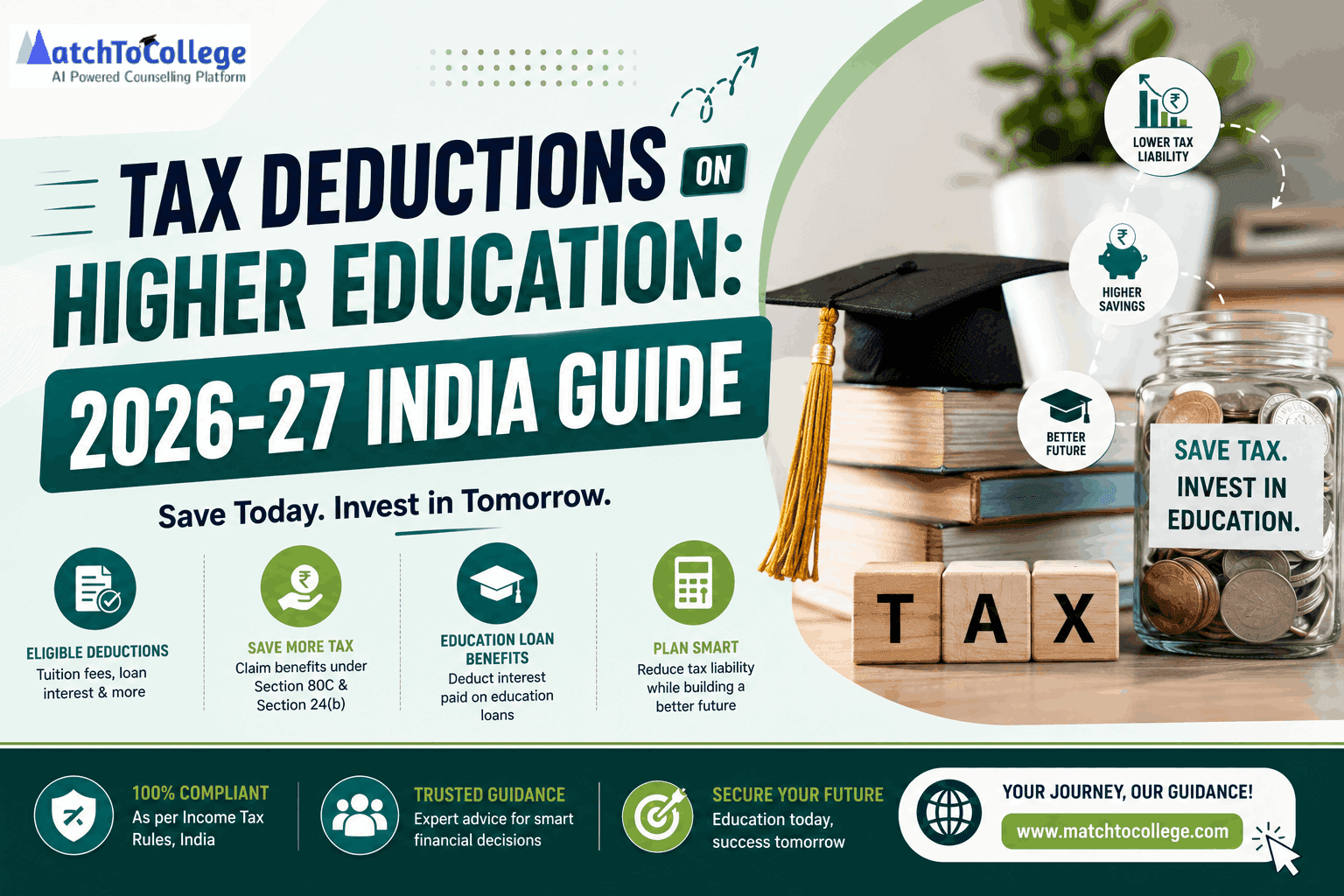
Tax Deductions on Higher Education: 2026-27 India Guide
Maximize your savings with our guide on tax deductions for higher education fees in India for FY 2026-27. Learn about Section 80C, 80E, and upskilling benefits.