

Future-Proof Careers: Thrive in the AI Era
Admission & Info Tools
Need Expert Assistance?
Our counselors can help you with fee structures, eligibility guidelines, and upcoming admission cutoffs instantly.
Direct Application Tools
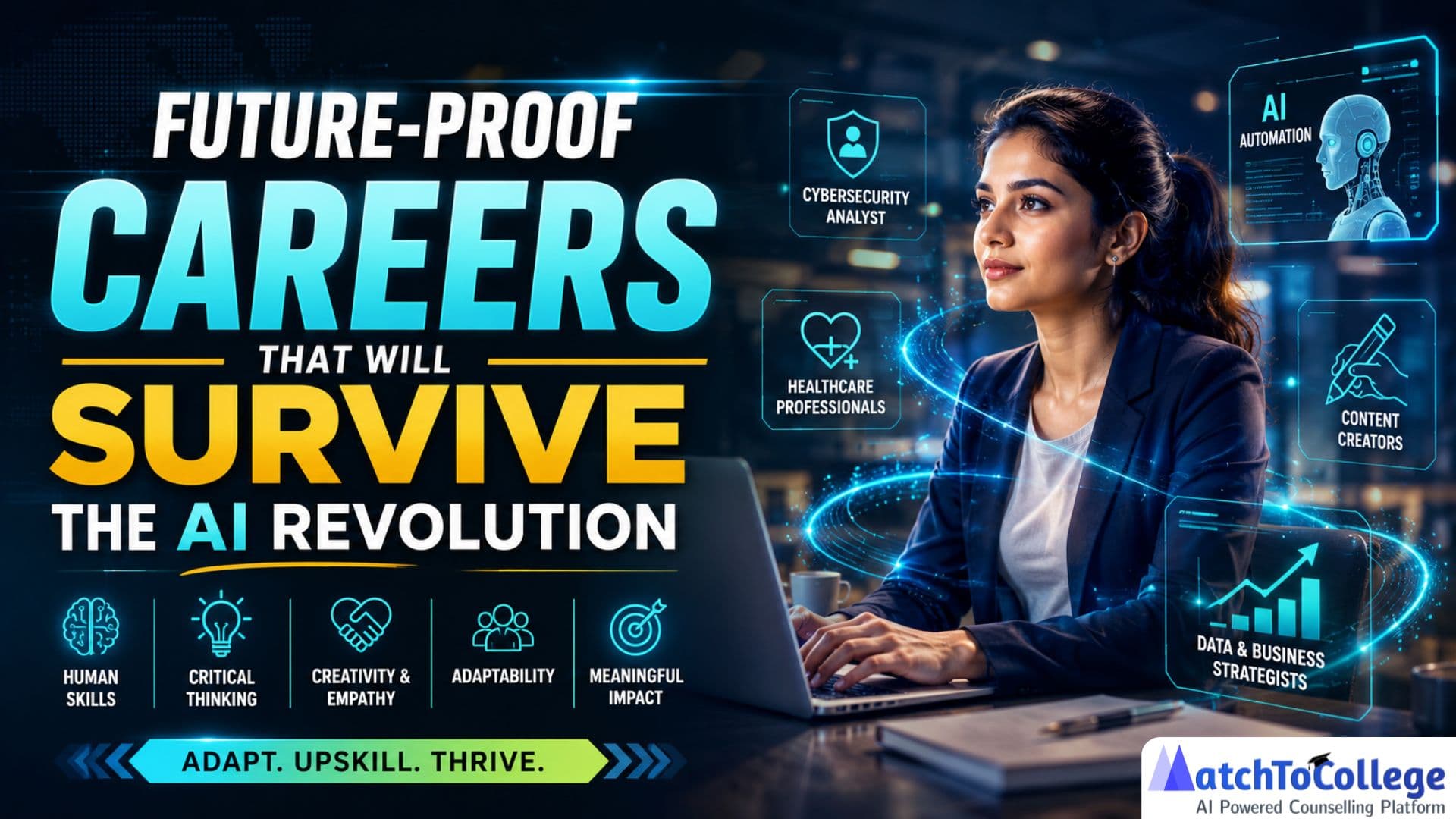
Future-proof careers in the AI era
The future of work is rapidly changing due to Artificial Intelligence (AI). While many fear job loss, the reality is more balanced—AI is transforming jobs rather than fully replacing humans.
The key question for students is not “Will AI take my job?” but “How can I build a career that works with AI?”
Key Reality of AI in the Job Market
- AI is automating repetitive and routine tasks
- It is enhancing human productivity, not replacing all jobs
- Demand is increasing for roles requiring human creativity, judgment, and leadership
- Future careers will focus on AI collaboration, not competition
Future-Proof Skills vs. Declining Skills
| Declining Demand (Automated by AI) | Future-Proof Human Skills |
| Data entry and repetitive tasks | Creativity and innovation |
| Basic administrative work | Critical thinking & analysis |
| Routine customer support | Emotional intelligence |
| Simple reporting tasks | Strategic decision-making |
| Manual documentation | Complex problem-solving |
Future-Proof Career Areas
| Sector | Why It Will Grow |
| AI & Data Science | Builds and manages intelligent systems |
| Healthcare & Medicine | Requires empathy + complex decision-making |
| Cyber Security | Protects systems from growing digital threats |
| Education & EdTech | Human-centered learning and mentoring |
| Business & Leadership (MBA roles) | Strategic decision-making in AI-driven markets |
| Creative Industries | Human creativity in design, media, and storytelling |
Skills That Will Always Stay Relevant
- Creativity and innovation
- Emotional intelligence and communication
- Critical thinking and reasoning
- Leadership and decision-making
- Adaptability and lifelong learning
Why AI Will Not Replace Everything
AI lacks:
- Human emotions and empathy
- Ethical judgment and moral reasoning
- True creativity and imagination
- Real-world leadership experience
This is why human-AI collaboration is the future of work.
Role of Guided Career Planning
Platforms like MatchToCollege help students:
- Identify future-proof courses and careers
- Match strengths with emerging job trends
- Choose AI-relevant academic programs
- Plan long-term education-to-career pathways
AI is not eliminating careers—it is reshaping them. The most successful professionals of the future will be those who combine technical understanding with human-centered skills.
By focusing on adaptability, creativity, and strategic thinking, students can build careers that remain strong, relevant, and future-proof in the AI-driven world.
The Irreplaceable Human Touch: Creativity & Empathy
While AI excels at data processing and pattern recognition, it fundamentally lacks genuine consciousness, subjective experience, and the spark of human creativity. Careers demanding deep empathy, nuanced communication, and truly original thought will not only survive but thrive. This includes professions in mental health, where human connection and understanding emotional subtleties are paramount, and artistic fields like writing, music, and design, where unique perspectives and imaginative storytelling drive innovation. Educators focused on critical thinking and personal development, alongside roles in ethical philosophy and social sciences, will remain vital in guiding humanity through the AI age.
Mastering AI: Development, Ethics & Strategy
Ironically, one of the most robust career paths lies in understanding, building, and governing AI itself. As AI systems become more ubiquitous, the demand for professionals who can design, develop, deploy, and manage these sophisticated technologies responsibly will skyrocket. This encompasses AI engineers, machine learning specialists, and data scientists who are crucial for creating the next generation of intelligent systems. Equally critical are ethical AI specialists, ensuring these technologies are fair, transparent, and aligned with human values, mitigating potential biases and unintended consequences. Furthermore, the increasing reliance on AI necessitates robust cybersecurity experts to protect AI infrastructure and valuable data from threats. These roles require a powerful blend of technical expertise, critical thinking, and an acute awareness of societal impact, often coupled with strategic oversight of AI implementation.
Lifelong Learning: Your Ultimate AI-Proof Skill
Beyond specific career categories, the most crucial skill for navigating the AI revolution is adaptability and a commitment to lifelong learning. The job market will continuously evolve, requiring professionals to constantly upskill and reskill. Embrace a growth mindset, cultivate digital literacy, and seek opportunities to integrate new technologies into your existing skill set. Universities and higher education programs are increasingly focusing on interdisciplinary studies and practical skills that prepare students for dynamic futures. MatchToCollege helps you identify institutions and courses that prioritize these forward-looking approaches, ensuring your education is an investment in continuous relevance and future success.
Share this Article
FAQFrequently Asked Questions
Q: Will AI take all our jobs?
No, AI is more likely to transform jobs by automating repetitive tasks, creating new roles focused on uniquely human skills like creativity, critical thinking, and emotional intelligence. The key is adapting and upskilling.
Q: What are "human skills" that AI can't replicate?
These include complex problem-solving, creative thinking, emotional intelligence, empathy, strategic decision-making in ambiguous situations, ethical reasoning, and nuanced communication.
Q: How can MatchToCollege help me choose a future-proof career?
MatchToCollege uses AI-powered insights to analyze current job market trends, project future demands, and match your unique strengths and interests with higher education programs and career paths that are resilient to technological shifts.
Get More Info About Future-Proof Careers
Recommended Reading
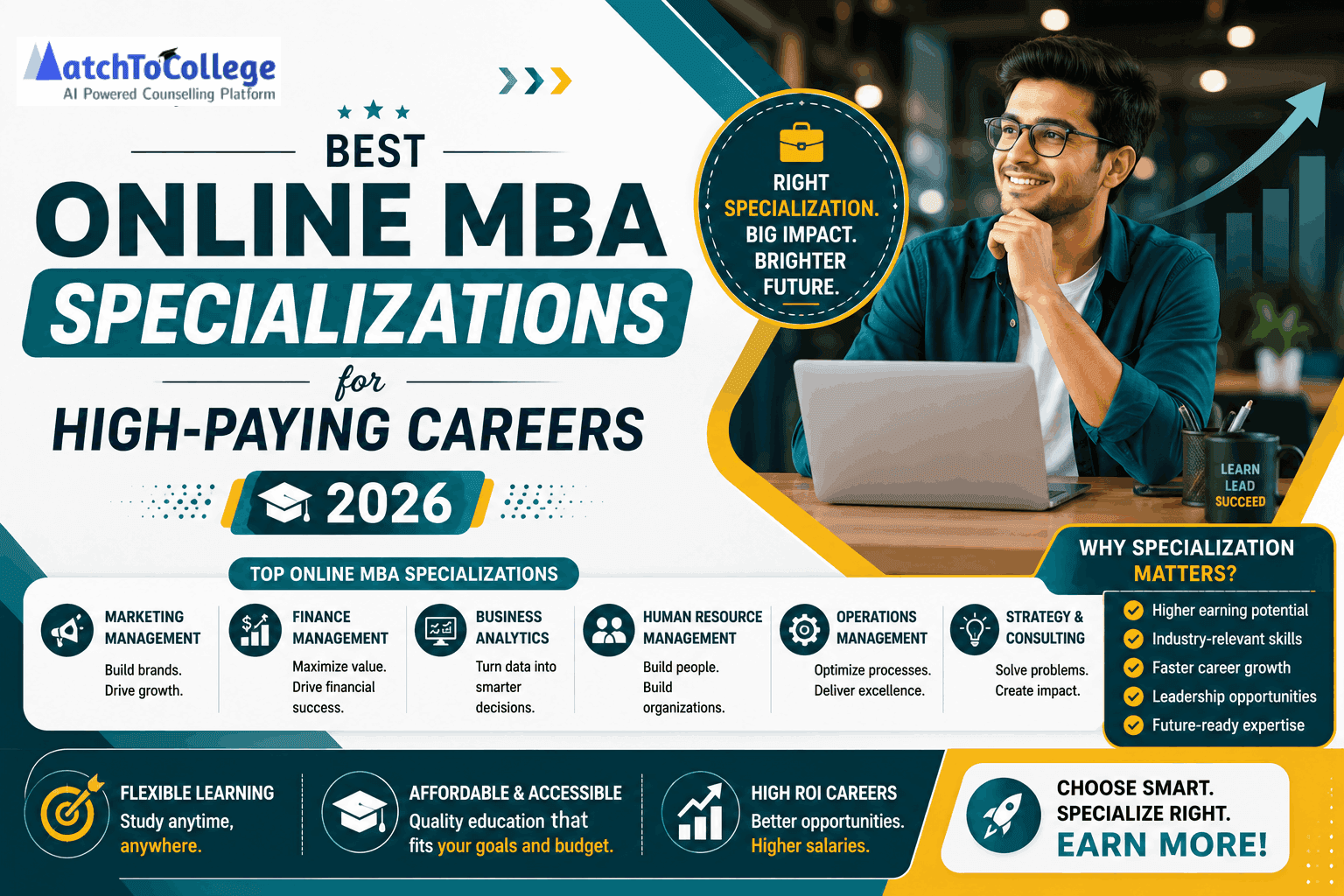
Best Online MBA Specializations for High-Paying Careers 2026
Discover the most lucrative online MBA specializations for 2026-27. Compare ROI, career growth, and use our AI tools to find your perfect management path.
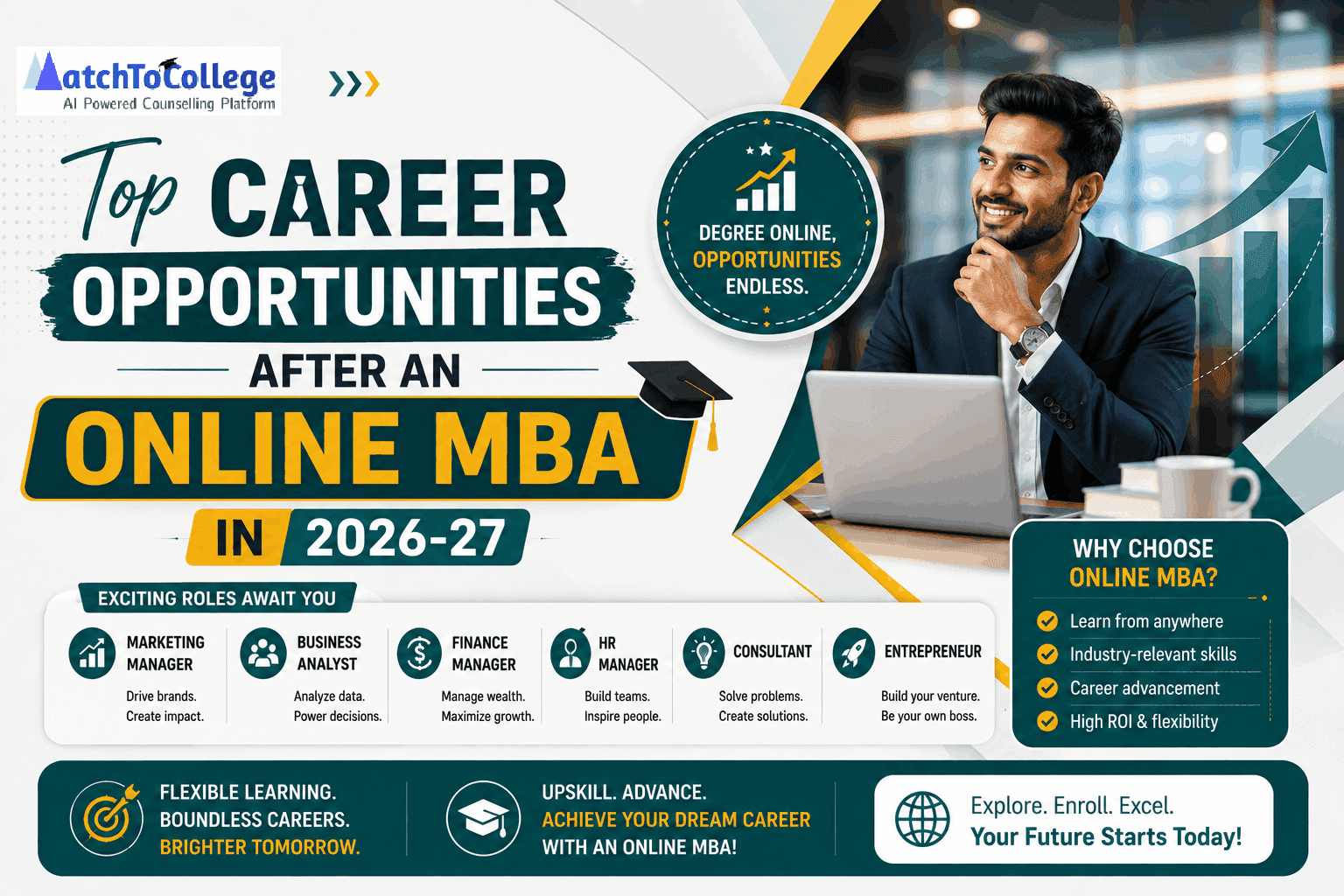
Top Career Opportunities After an Online MBA in 2026-27
Discover high-paying career paths and roles after an online MBA in 2026-27. Explore salary trends, ROI, and tools to navigate your future professional success.
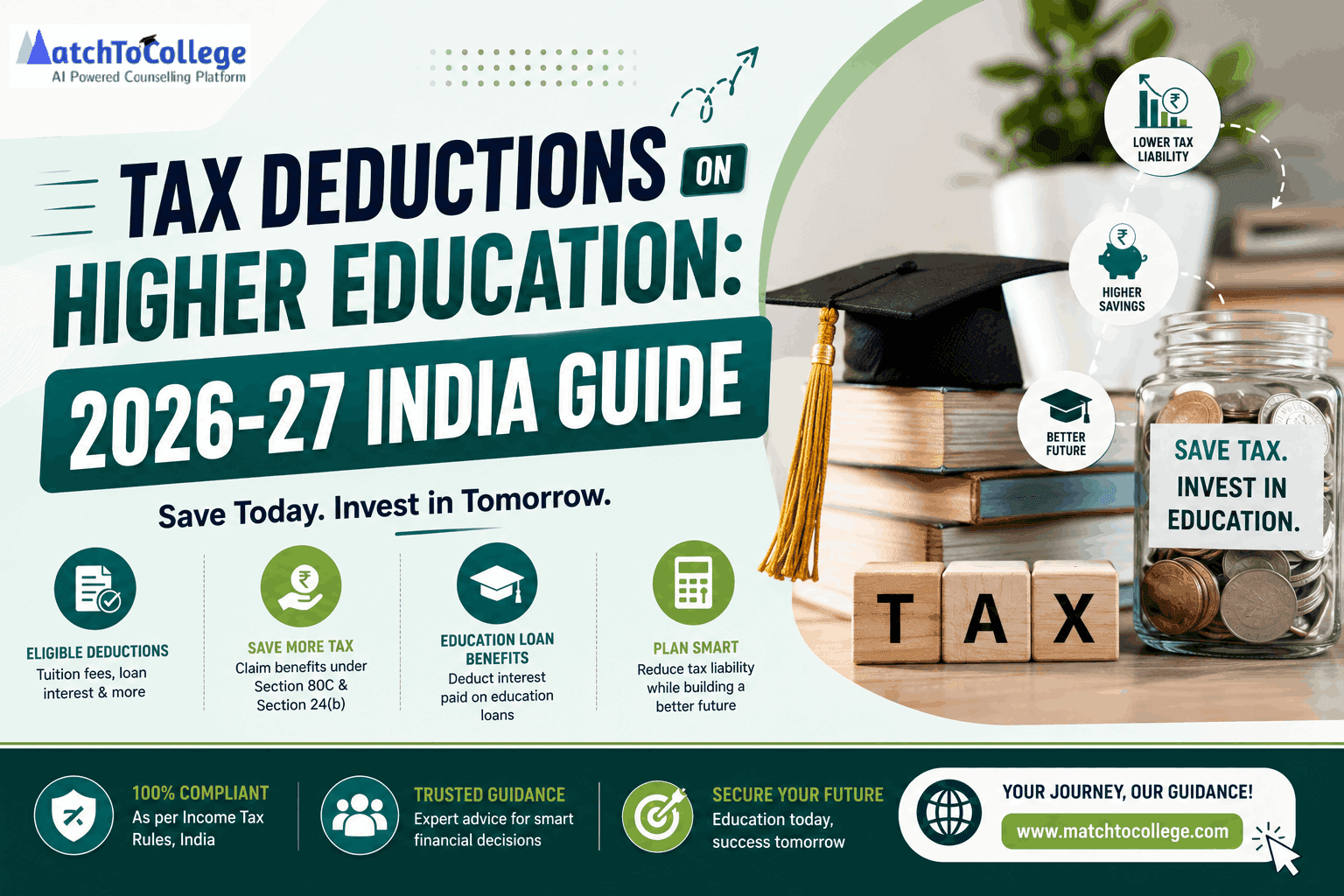
Tax Deductions on Higher Education: 2026-27 India Guide
Maximize your savings with our guide on tax deductions for higher education fees in India for FY 2026-27. Learn about Section 80C, 80E, and upskilling benefits.