

Future-Proof Your Career: Emerging Biotech Fields
Admission & Info Tools
Need Expert Assistance?
Our counselors can help you with fee structures, eligibility guidelines, and upcoming admission cutoffs instantly.
Direct Application Tools
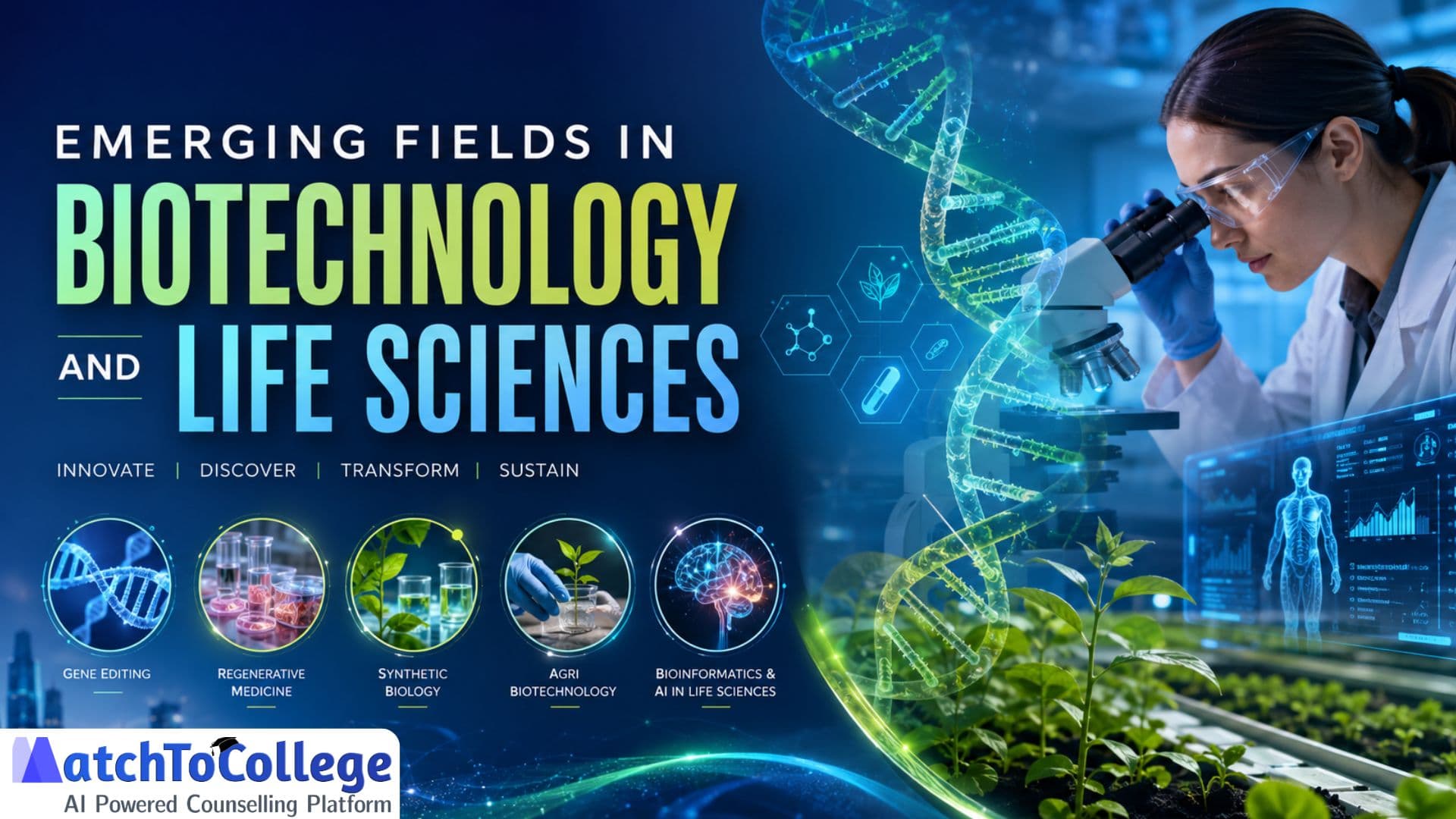
Innovating biotechnology and life sciences
The fields of Biotechnology and Life Sciences are transforming rapidly, creating exciting opportunities for students who aspire to build careers in healthcare, research, sustainability, and technology. Scientific innovations such as personalized medicine, genetic engineering, artificial intelligence, and renewable bioenergy are shaping the future and redefining industries worldwide.
As these fields continue to evolve, students and parents must make informed decisions to choose educational pathways that align with future career demands.
Why Biotechnology and Life Sciences Matter
Biotechnology and Life Sciences are among the fastest-growing sectors globally. Scientific discoveries are no longer limited to laboratories—they are improving healthcare, enhancing food security, protecting the environment, and driving sustainable innovation.
For students, these fields offer:
- Diverse and future-ready career opportunities
- High demand for skilled professionals worldwide
- Opportunities to contribute to solving global challenges
- Strong prospects for research, innovation, and entrepreneurship
The Challenge of Choosing the Right Career Path
The traditional study of biology has evolved into a wide range of specialized and interdisciplinary fields. Students today have access to numerous academic and career options, making the decision-making process more complex than ever.
Common questions include:
- Which biotechnology specialization has the best career prospects?
- Which universities offer the strongest programs?
- What skills are required to succeed in these emerging fields?
- Which careers will remain in demand over the next decade?
Choosing the right path requires a clear understanding of both current trends and future opportunities.
Emerging Fields Shaping the Future
1. Genetic Engineering and Gene Editing
Develop innovative treatments by modifying genes to prevent or cure diseases, improve agriculture, and advance healthcare.
2. Regenerative Medicine
Explore stem cell research, tissue engineering, and regenerative therapies that repair or replace damaged organs and tissues.
3. Synthetic Biology
Combine biology and engineering to design new biological systems for applications in medicine, agriculture, and industrial biotechnology.
4. Agricultural Biotechnology
Develop sustainable agricultural practices through improved crops, disease resistance, and environmentally friendly farming technologies.
5. Bioinformatics and Artificial Intelligence
Leverage data science, computational biology, and artificial intelligence to analyze biological data, accelerate drug discovery, and advance precision medicine.
How MatchToCollege Supports Your Journey
Choosing the right university and career path requires expert guidance. At MatchToCollege, we help students make informed decisions through personalized, AI-powered career and university guidance.
Our platform helps students:
- Discover emerging biotechnology and life science specializations
- Explore universities that match their academic profile and career goals
- Understand eligibility requirements and essential skills
- Identify future-focused career opportunities
- Build a personalized higher education roadmap
Our goal is to simplify the decision-making process and help every student choose a path that aligns with their interests, strengths, and aspirations.
Preparing for the Future
The future belongs to students who are ready to embrace innovation, develop interdisciplinary skills, and adapt to rapidly changing technologies.
Whether you are:
- A high school student selecting a future career,
- A college student planning postgraduate studies, or
- A parent seeking the best educational opportunities for your child,
understanding emerging fields in Biotechnology and Life Sciences is the first step toward building a successful and rewarding career.
Biotechnology and Life Sciences are driving the next generation of scientific innovation and global development. From healthcare and agriculture to artificial intelligence and sustainability, these fields offer limitless opportunities for students who are prepared to learn, innovate, and lead.
With the right guidance, academic planning, and university selection, you can confidently pursue a career that is both meaningful and future-ready.
Ready to build your future in Biotechnology and Life Sciences?
MatchToCollege helps you discover the right courses, universities, and career opportunities based on your goals and aspirations.
Start your journey today and take the first step toward a successful future in Biotechnology and Life Sciences with MatchToCollege.
Gene Editing & Genomics: Revolutionizing Health
Gene editing has revolutionized biotechnology by enabling scientists to make precise changes to DNA. Technologies such as CRISPR-Cas9 are transforming healthcare and agriculture, opening new possibilities for treating diseases and improving food production.
What is Gene Editing?
Gene editing is the process of modifying DNA to correct, remove, or replace specific genes. It has become one of the most promising areas of modern biotechnology, with applications ranging from healthcare to sustainable agriculture.
Key Applications
1. Healthcare
Gene editing is being explored to treat several inherited disorders, including:
- Cystic fibrosis
- Sickle cell anemia
- Huntington's disease
It also plays a vital role in developing gene therapies, personalized medicine, and advanced diagnostic techniques.
2. Agriculture
Scientists use gene editing to develop crops that are:
- More resistant to diseases and pests
- Better adapted to climate change
- Higher in nutritional value
- More productive and sustainable
Skills Required
Students interested in this field should build expertise in:
- Molecular Biology
- Genetics
- Genomics
- Bioinformatics
- Computational Biology
- Data Science
As genomic research generates massive amounts of biological data, analytical and computational skills are becoming increasingly important.
Career Opportunities
Graduates can pursue careers as:
- Gene Editing Scientist
- Genomics Researcher
- Bioinformatics Specialist
- Clinical Geneticist
- Molecular Biologist
- Genomic Data Analyst
- Drug Discovery Scientist
- Agricultural Biotechnology Researcher
These professionals work in pharmaceutical companies, biotechnology firms, research institutes, hospitals, government organizations, and agricultural research centers.
Ethical Considerations
Gene editing offers tremendous benefits, but it also raises important ethical and regulatory questions. Professionals in this field must understand:
- Bioethics
- Patient safety
- Responsible use of genetic technologies
- National and international regulations governing gene editing
A successful career requires both scientific expertise and ethical responsibility.
The demand for professionals in genomics and gene editing continues to grow as advances in precision medicine and biotechnology accelerate. Universities around the world now offer specialized programs in Genomics, Genomic Medicine, Genetic Engineering, and Bioinformatics to prepare students for these high-impact careers.
Gene editing is shaping the future of healthcare, agriculture, and scientific innovation, making it one of the most exciting and rewarding career paths in Biotechnology and Life Sciences.
Synthetic Biology & Bioengineering: Building the Future
Synthetic Biology and Bioengineering are transforming the way scientists solve real-world challenges. By combining biology, engineering, and computer science, these fields enable researchers to design new biological systems or modify existing ones to perform specific functions.
From developing sustainable biofuels to creating advanced medical therapies, synthetic biology is driving innovation across multiple industries.
What is Synthetic Biology?
Synthetic biology involves designing and engineering biological systems to perform tasks that do not naturally occur. It applies engineering principles to living organisms, enabling scientists to create innovative solutions for healthcare, agriculture, energy, and environmental sustainability.
Key Applications
1. Healthcare
Synthetic biology is advancing healthcare through:
- Smart drug delivery systems
- Engineered microbes for disease treatment
- Tissue engineering and regenerative medicine
- Advanced biomaterials for medical applications
2. Sustainable Energy and Environment
Scientists are developing biological solutions to reduce environmental impact, including:
- Sustainable biofuels
- Biodegradable plastics
- Biosensors for environmental monitoring
- Waste management and pollution control
3. Industrial Biotechnology
Synthetic biology is improving industrial processes by enabling:
- Biological production of chemicals and enzymes
- Engineering metabolic pathways for efficient manufacturing
- Sustainable alternatives to traditional industrial materials
Skills Required
Students interested in this field should develop knowledge in:
- Molecular Biology
- Biochemistry
- Genetic Engineering
- Bioengineering
- Computer Science
- Systems Biology
- Biotechnology
- Engineering Design
- Data Analysis and Programming
Creativity, critical thinking, and problem-solving skills are equally important, as professionals often work on developing innovative biological solutions.
Career Opportunities
Graduates can pursue careers such as:
- Synthetic Biology Research Scientist
- Bioengineer
- Biomedical Engineer
- Metabolic Engineer
- Industrial Biotechnologist
- Biomaterials Scientist
- Drug Development Scientist
- Environmental Biotechnology Specialist
- Research and Development (R&D) Scientist
Career opportunities are available across pharmaceuticals, biotechnology companies, healthcare, agriculture, renewable energy, environmental science, and advanced manufacturing.
Future Outlook
As industries increasingly adopt sustainable technologies and bio-based manufacturing, the demand for synthetic biology and bioengineering professionals continues to grow. Governments and private organizations are investing heavily in research and innovation, creating excellent career prospects for graduates.
Many leading universities now offer specialized undergraduate and postgraduate programs in Synthetic Biology, Bioengineering, and Biomedical Engineering, often in collaboration with research institutes and industry partners.
Why Choose This Field?
Synthetic Biology and Bioengineering offer the opportunity to solve some of the world's biggest challenges—from improving healthcare and food security to developing sustainable industrial solutions. For students passionate about science, technology, and innovation, this field provides a dynamic, interdisciplinary, and future-ready career path.
The AI & Biotech Synergy: Accelerating Discovery
Artificial Intelligence (AI) is transforming Biotechnology and Life Sciences by accelerating research, improving healthcare, and enabling faster scientific discoveries. By combining AI, machine learning, and biological sciences, researchers can analyze complex data, develop new medicines, and create personalized healthcare solutions more efficiently than ever before.
This powerful integration is shaping the future of biotechnology and creating exciting career opportunities for students with interdisciplinary skills.
What is AI in Biotechnology?
AI in biotechnology involves using artificial intelligence and machine learning to analyze biological data, identify patterns, and automate complex scientific processes. It helps researchers make faster and more accurate decisions, leading to innovations in healthcare, pharmaceuticals, agriculture, and biomedical research.
Key Applications
1. Drug Discovery and Development
AI is accelerating the drug development process by:
- Identifying potential drug candidates
- Predicting molecular interactions
- Reducing research time and development costs
- Improving the success rate of clinical trials
2. Personalized Medicine
AI supports precision healthcare by:
- Analyzing genetic and clinical data
- Recommending personalized treatment plans
- Predicting disease risk and progression
- Improving patient outcomes
3. Genomics and Bioinformatics
AI enables scientists to process large-scale biological datasets for:
- Genome sequencing and analysis
- Disease prediction
- Biomarker discovery
- Genetic research
4. Laboratory Automation
AI-powered systems improve research efficiency through:
- Robotic laboratory automation
- Intelligent data analysis
- Automated diagnostic imaging
- Real-time monitoring of biological experiments
Skills Required
Students interested in this field should develop expertise in:
- Artificial Intelligence
- Machine Learning
- Bioinformatics
- Computational Biology
- Data Science
- Programming (Python, R)
- Statistics
- Molecular Biology
- Genomics
Strong analytical thinking, problem-solving, and interdisciplinary collaboration are essential for success.
Career Opportunities
Graduates can pursue careers as:
- AI Research Scientist
- Bioinformatics Specialist
- Computational Biologist
- Machine Learning Engineer (Healthcare)
- Genomics Data Scientist
- Drug Discovery Scientist
- Clinical Data Analyst
- Biomedical AI Engineer
- Healthcare Data Scientist
Professionals work in pharmaceutical companies, biotechnology firms, hospitals, research institutions, healthcare technology companies, and AI-driven startups.
Future Outlook
The demand for professionals with expertise in both Artificial Intelligence and Biotechnology is growing rapidly. As biological data continues to expand, organizations require skilled experts who can use AI to solve complex scientific and medical challenges.
Universities worldwide are increasingly offering interdisciplinary programs that combine Artificial Intelligence, Data Science, Bioinformatics, and Life Sciences, preparing students for some of the fastest-growing careers in biotechnology.
Why Choose This Field?
AI is revolutionizing every stage of biotechnology—from research and drug discovery to diagnostics and personalized medicine. For students interested in combining technology with biology, this field offers excellent career prospects, continuous innovation, and the opportunity to contribute to the future of global healthcare and scientific advancement.
Share this Article
FAQFrequently Asked Questions
Q: What academic backgrounds are best for a career in emerging biotech fields?
To thrive in emerging biotech fields, a strong foundation in core sciences like biology, chemistry, and physics is essential. However, due to the interdisciplinary nature, degrees in bioengineering, computer science (especially with a focus on data science or AI), mathematics, and even specialized fields like molecular biology or genomics are highly valued. Many professionals also pursue postgraduate degrees (Master's or PhD) to specialize further and conduct advanced research. Consider interdisciplinary programs that combine science with engineering or computational skills.
Q: How can MatchToCollege help me find the right program in biotechnology?
MatchToCollege utilizes an advanced AI-powered platform to provide personalized guidance. By analyzing your academic profile, interests, career aspirations, and desired specializations within biotechnology (e.g., gene editing, bioinformatics, synthetic biology), we can match you with suitable university programs, scholarships, and institutions worldwide. Our platform offers insights into program curricula, faculty research, and career outcomes, helping you make an informed decision and confidently navigate the complex higher education landscape in the life sciences.
Get More Info About Future-Proof Your Career
Recommended Reading
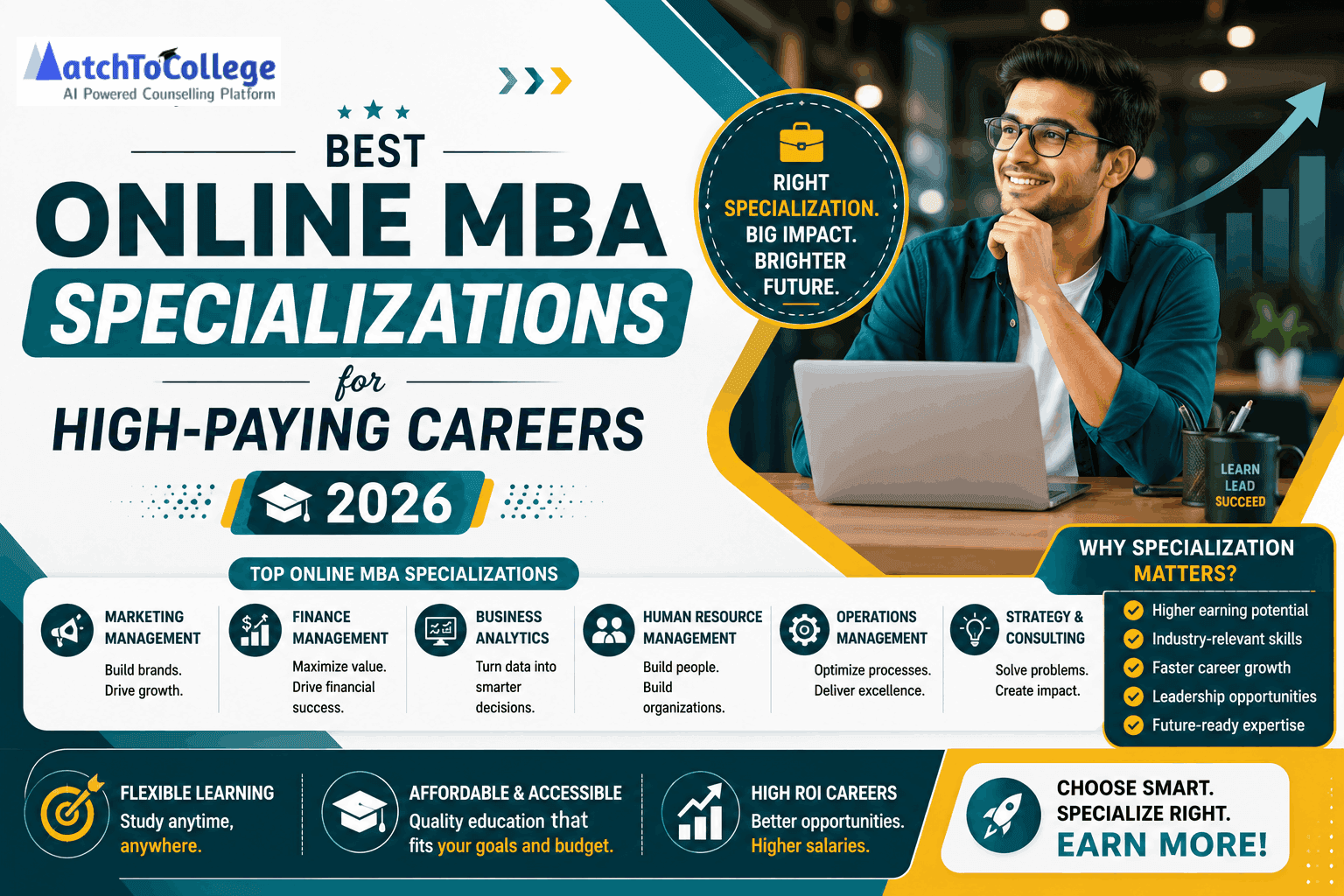
Best Online MBA Specializations for High-Paying Careers 2026
Discover the most lucrative online MBA specializations for 2026-27. Compare ROI, career growth, and use our AI tools to find your perfect management path.
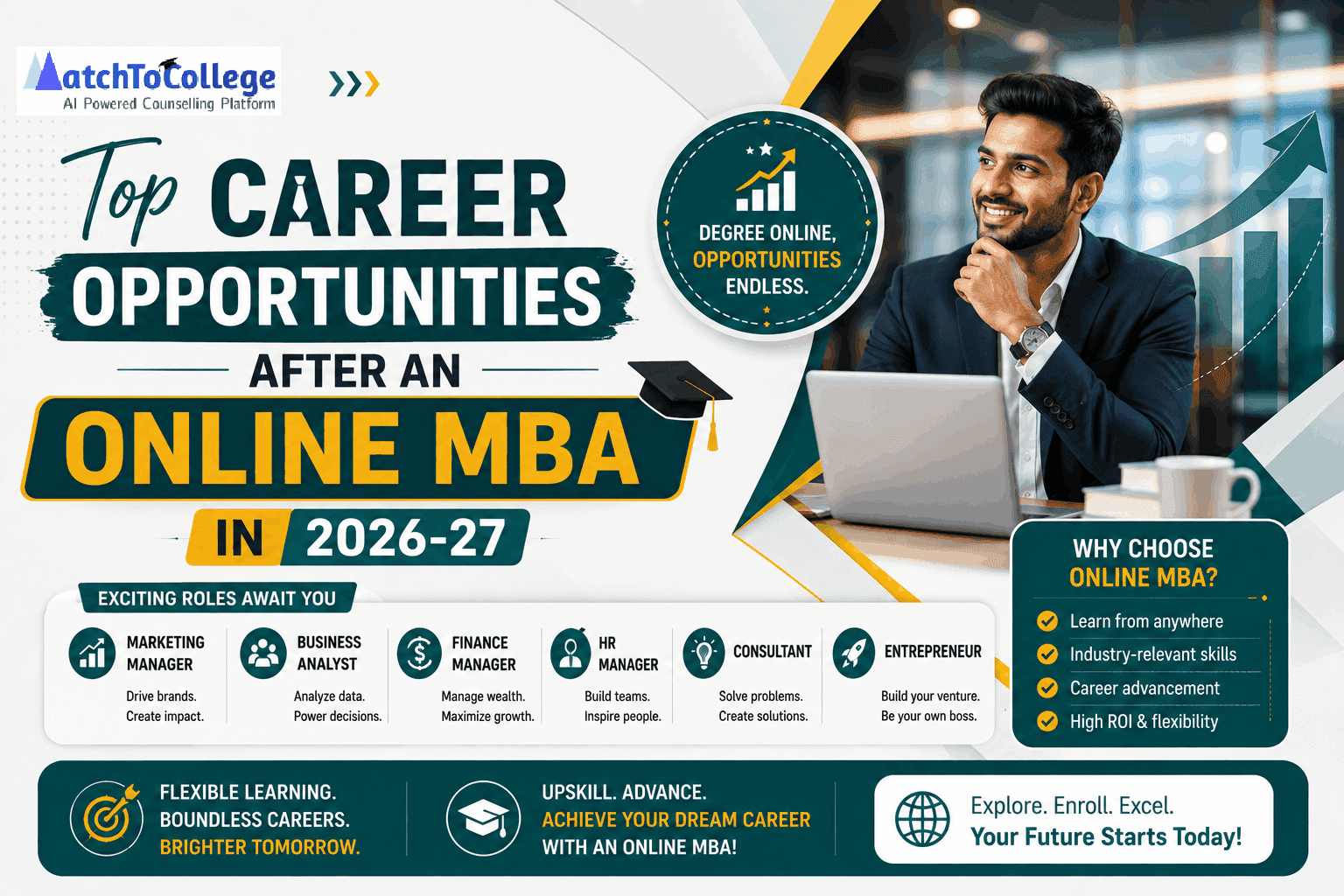
Top Career Opportunities After an Online MBA in 2026-27
Discover high-paying career paths and roles after an online MBA in 2026-27. Explore salary trends, ROI, and tools to navigate your future professional success.

Tax Deductions on Higher Education: 2026-27 India Guide
Maximize your savings with our guide on tax deductions for higher education fees in India for FY 2026-27. Learn about Section 80C, 80E, and upskilling benefits.