

The Future of Hybrid Learning: Navigating Higher Education
Admission & Info Tools
Need Expert Assistance?
Our counselors can help you with fee structures, eligibility guidelines, and upcoming admission cutoffs instantly.
Direct Application Tools
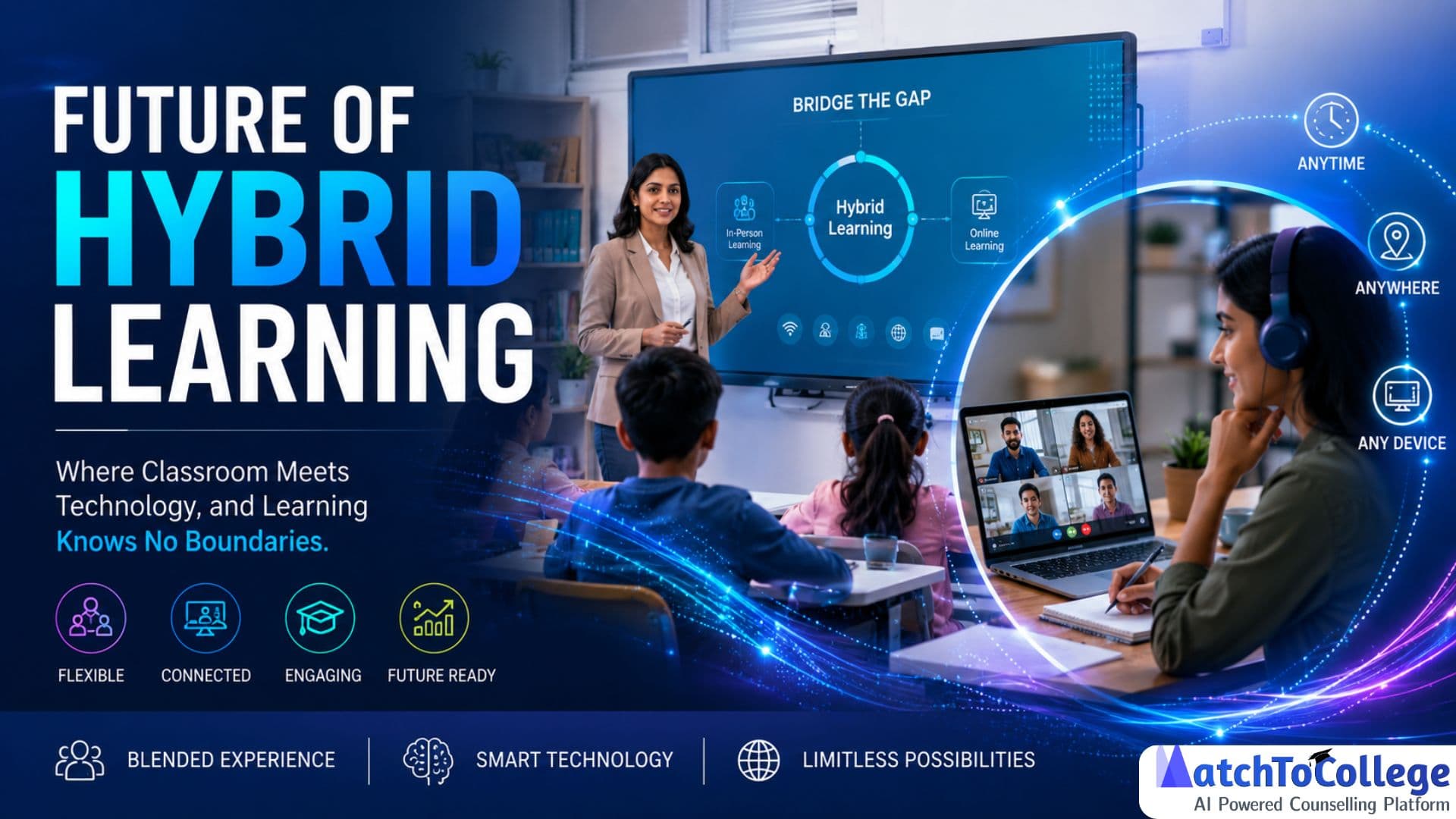
Future of hybrid learning technology
Higher education is changing fast, and one of the biggest changes is hybrid learning. This approach is now a permanent part of education, not just a temporary solution.
What is Hybrid Learning?
Hybrid learning (also called blended learning) combines:
- In-person classroom learning
- Online learning through digital platforms
It brings both methods together to improve flexibility and access.
How Hybrid Learning Works
| Mode | What It Includes |
| Offline learning | Classroom lectures, labs, discussions |
| Online learning | Virtual classes, recorded lectures, digital assignments |
| Digital tools | AI platforms, learning apps, online assessments |
Why Hybrid Learning is Growing
Hybrid learning is becoming popular because it:
- Offers more flexibility for students
- Supports different learning styles
- Reduces location barriers
- Uses technology for better engagement
- Makes education more accessible
Benefits for Students
1. Flexibility
Students can learn at their own pace and manage time better.
2. Better Accessibility
Students can attend classes from anywhere.
3. Personalized Learning
Digital tools help adapt learning to individual needs.
4. Improved Engagement
Interactive tools make learning more practical and interesting.
5. Balance of Theory and Practice
Combines online theory with real classroom experience.
Role of Technology in Hybrid Learning
Technology is making hybrid learning smarter through:
- Artificial Intelligence (AI) for personalized learning
- Virtual classrooms and simulations
- Online assessments and feedback systems
- Digital collaboration tools
Why It Matters for Higher Education
| Area | Impact |
| University choice | Not just where you study, but how you study |
| Career readiness | Builds digital and communication skills |
| Global access | Enables learning across countries |
| Skill development | Focus on practical and theoretical balance |
Hybrid learning is shaping the future of higher education by making it more flexible, accessible, and technology-driven. Students who understand and adapt to this model will be better prepared for modern careers and global opportunities.
Unlocking Potential: Benefits & Innovations in Hybrid Education
Hybrid learning is more than just mixing online and classroom education. Its main strength is that it improves how students learn, making education more flexible, personalized, and future-focused.
1. Better Learning Experience
Hybrid learning combines:
- Live classroom interaction
- Online self-paced study
| Mode | Benefit |
| Classroom learning | Direct guidance, discussions, mentorship |
| Online learning | Flexibility, access to resources, self-paced study |
This balance makes learning more engaging and effective.
2. Personalized Learning Paths
Modern hybrid systems use AI-powered tools to customize learning.
- Tracks student progress
- Identifies strengths and weaknesses
- Suggests study materials and exercises
- Helps students learn at their own pace
Result: Every student gets a learning path tailored to them.
3. Better Accessibility and Global Learning
Hybrid learning makes education more inclusive.
- Students from remote areas can access top institutions
- Learning is not limited by location
- Encourages interaction with students from different countries
- Builds global exposure and collaboration skills
4. Use of Advanced Technology
Hybrid education is becoming more interactive through technology:
- Virtual Reality (VR): Virtual labs and simulations
- Augmented Reality (AR): Interactive visual learning
- Data analytics: Tracks learning patterns and improves teaching methods
- Digital platforms: Enhance communication and collaboration
5. Development of Future-Ready Skills
Hybrid learning naturally builds important career skills:
- Self-discipline
- Time management
- Digital literacy
- Critical thinking
- Independent learning
Why It Matters
| Area | Impact on Students |
| Learning style | More flexible and personalized |
| Access | Education available globally |
| Technology use | Exposure to modern tools |
| Career readiness | Builds essential 21st-century skills |
Hybrid learning is shaping the future of education by combining flexibility, technology, and personalization. It helps students not only learn better but also develop the skills needed for modern careers in a digital and global world.
Navigating Challenges with AI: The MatchToCollege Advantage
Hybrid learning has many benefits, but it also comes with real challenges that need to be addressed for it to work well for all students.
Main Challenges of Hybrid Learning
| S. No. | Challenge Area | Description |
| 1 | Student Engagement | Keeping students active and focused can be difficult in online or mixed classes. |
| 2 | Digital Divide | Not all students have equal access to devices, internet connectivity, and learning resources. |
| 3 | Technology Access | Some students may struggle to use digital tools, platforms, or learning systems effectively. |
| 4 | Faculty Training | Teachers need proper training to effectively teach in hybrid and online environments. |
How AI Can Help Solve These Challenges
AI-based systems can improve hybrid learning by making it more organized, personalized, and accessible.
Key Support Areas
1. Program Matching
Helps students find universities that offer strong hybrid learning options.
| Focus | Support Provided |
| MBA | Hybrid business programs with flexible learning |
| Engineering | Tech-enabled, lab + online learning models |
| Medical | Structured programs with practical + digital learning |
| Study Abroad | International hybrid education options |
2. Personalized Guidance
MatchToCollege provides insights into:
- Course structure
- Online and offline learning balance
- Technology requirements
- Student support systems
3. Career Alignment
The platform connects education with future careers by:
- Matching skills gained in hybrid programs
- Suggesting career pathways
- Helping students plan long-term goals
Why This Matters
| Benefit | Impact on Students |
| Better clarity | Understand hybrid programs easily |
| Smarter choices | Choose suitable learning environments |
| Reduced confusion | Simplifies complex education models |
| Strong career planning | Links studies with future jobs |
Hybrid learning is the future, but it requires the right guidance to overcome its challenges. AI-powered platforms like MatchToCollege help students make informed decisions, choose the right programs, and confidently succeed in modern, technology-driven education systems.
Embracing Lifelong Learning in a Blended World
Hybrid learning does more than change how students study during college. It also shapes how they think, learn, and grow throughout their careers.
1. Builds Lifelong Learning Mindset
Hybrid education encourages students to keep learning even after graduation.
- Skills need constant updating in modern careers
- Students become comfortable with self-learning
- Learning continues beyond classrooms and degrees
2. Develops Future-Ready Graduates
Students from hybrid programs often become:
- More adaptable to change
- More comfortable with technology
- Better at independent learning
- Strong in time management and self-discipline
Result: They are better prepared for modern workplaces.
3. Future of Higher Education
Higher education is moving toward a model that is:
- Blended (online + offline learning)
- Flexible (learn anytime, anywhere)
- Technology-driven (AI, digital tools, smart platforms)
- Personalized (tailored to each student’s needs)
4. What to Expect in the Future
| Area | Future Development |
| Teaching methods | More AI-powered personalized learning |
| Course content | Richer digital and interactive materials |
| Scheduling | More flexible and student-friendly systems |
| Learning tools | Advanced simulations and smart platforms |
Hybrid learning is shaping a smarter, more flexible, and more personalized future for education. It not only improves how students learn today but also prepares them for lifelong growth. With the right guidance from platforms like MatchToCollege, students can confidently choose paths that align with their goals in this evolving education landscape.
Share this Article
FAQFrequently Asked Questions
Q: What is hybrid learning in higher education?
Hybrid learning, also known as blended learning, combines traditional in-person classroom instruction with online learning activities. This typically involves a mix of face-to-face sessions, live virtual classes, and self-paced online modules, offering students greater flexibility and access to diverse learning resources.
Q: How does AI enhance the future of hybrid learning?
AI plays a crucial role by enabling personalized learning paths through adaptive platforms, providing intelligent tutoring and feedback, automating administrative tasks, and analyzing student data to predict performance and offer targeted support. This makes hybrid education more efficient, effective, and tailored to individual student needs.
Q: Is hybrid learning suitable for all types of higher education degrees?
While highly adaptable, the suitability of hybrid learning can vary by degree. It is increasingly popular for many disciplines, including business (MBA), computer science, and liberal arts. Practical fields like engineering or medicine may still require significant hands-on lab or clinical work, but even these are incorporating blended models for theoretical components and simulations.
Q: How can MatchToCollege help me find hybrid learning programs?
MatchToCollege utilizes AI to analyze your academic profile, preferences, and career goals, then matches you with higher education programs globally that align with your needs, including those with strong hybrid learning components. We provide personalized insights into program structures, technology requirements, and how these models prepare you for your chosen career path.
Get More Info About The Future of Hybrid Learning
Recommended Reading
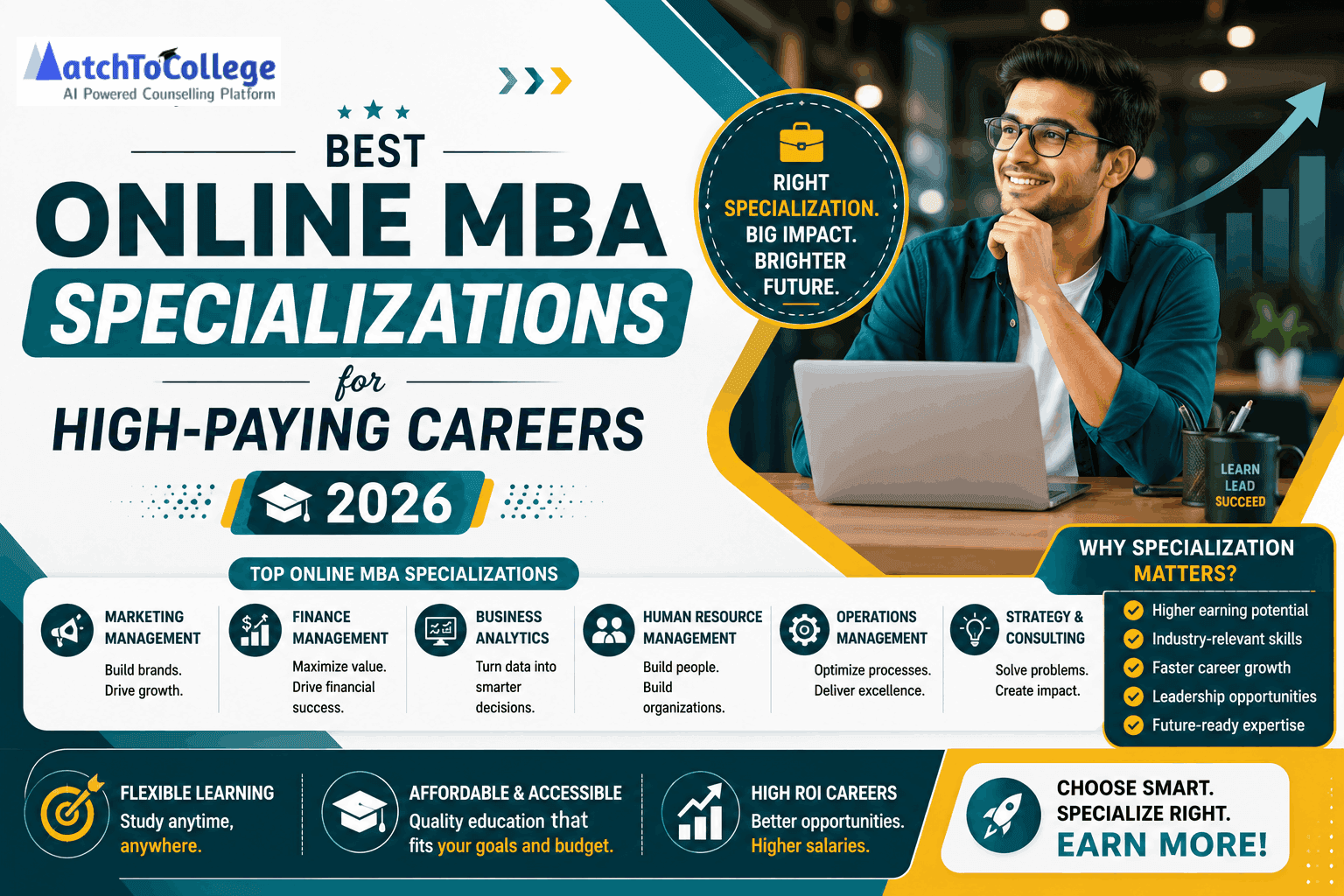
Best Online MBA Specializations for High-Paying Careers 2026
Discover the most lucrative online MBA specializations for 2026-27. Compare ROI, career growth, and use our AI tools to find your perfect management path.
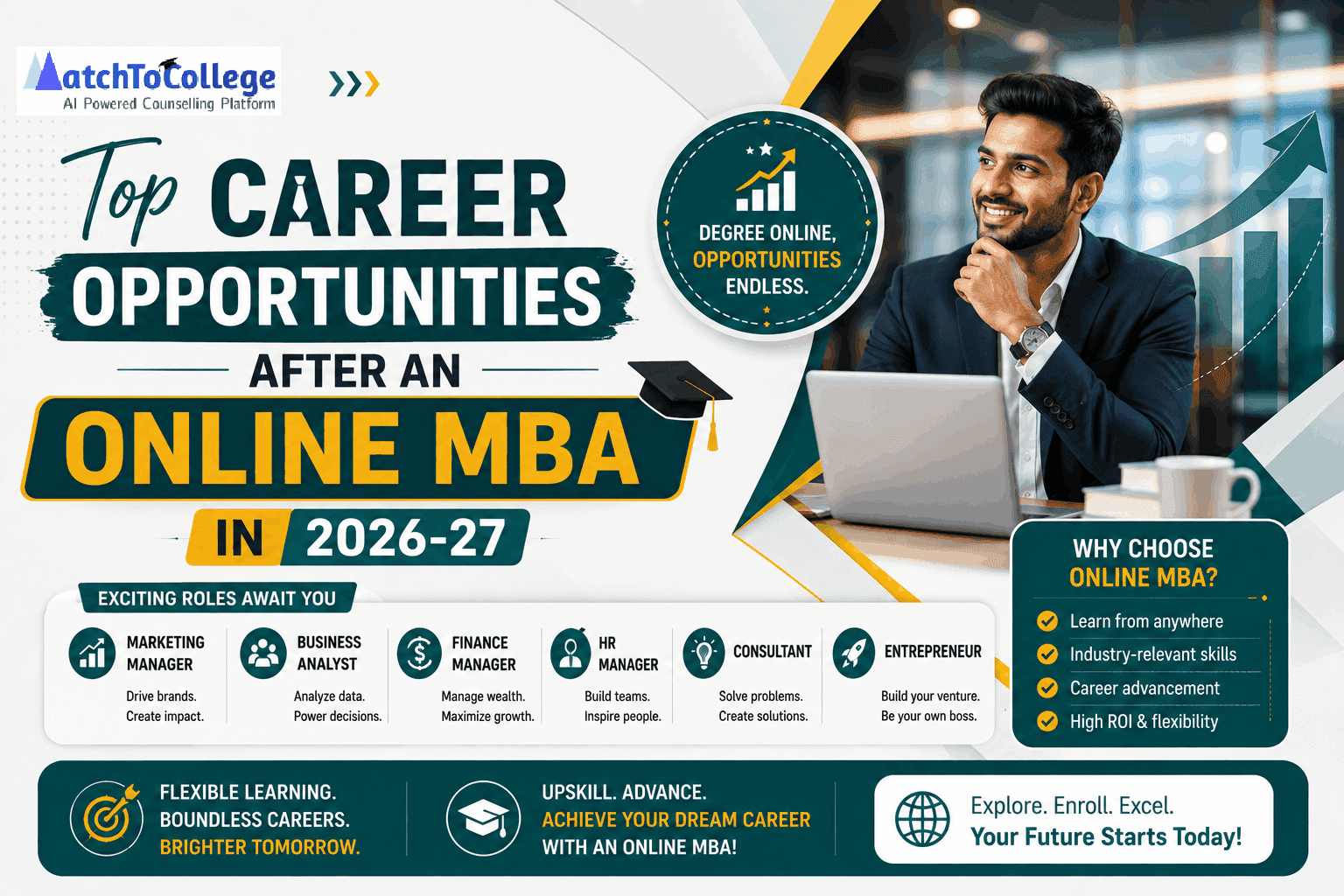
Top Career Opportunities After an Online MBA in 2026-27
Discover high-paying career paths and roles after an online MBA in 2026-27. Explore salary trends, ROI, and tools to navigate your future professional success.
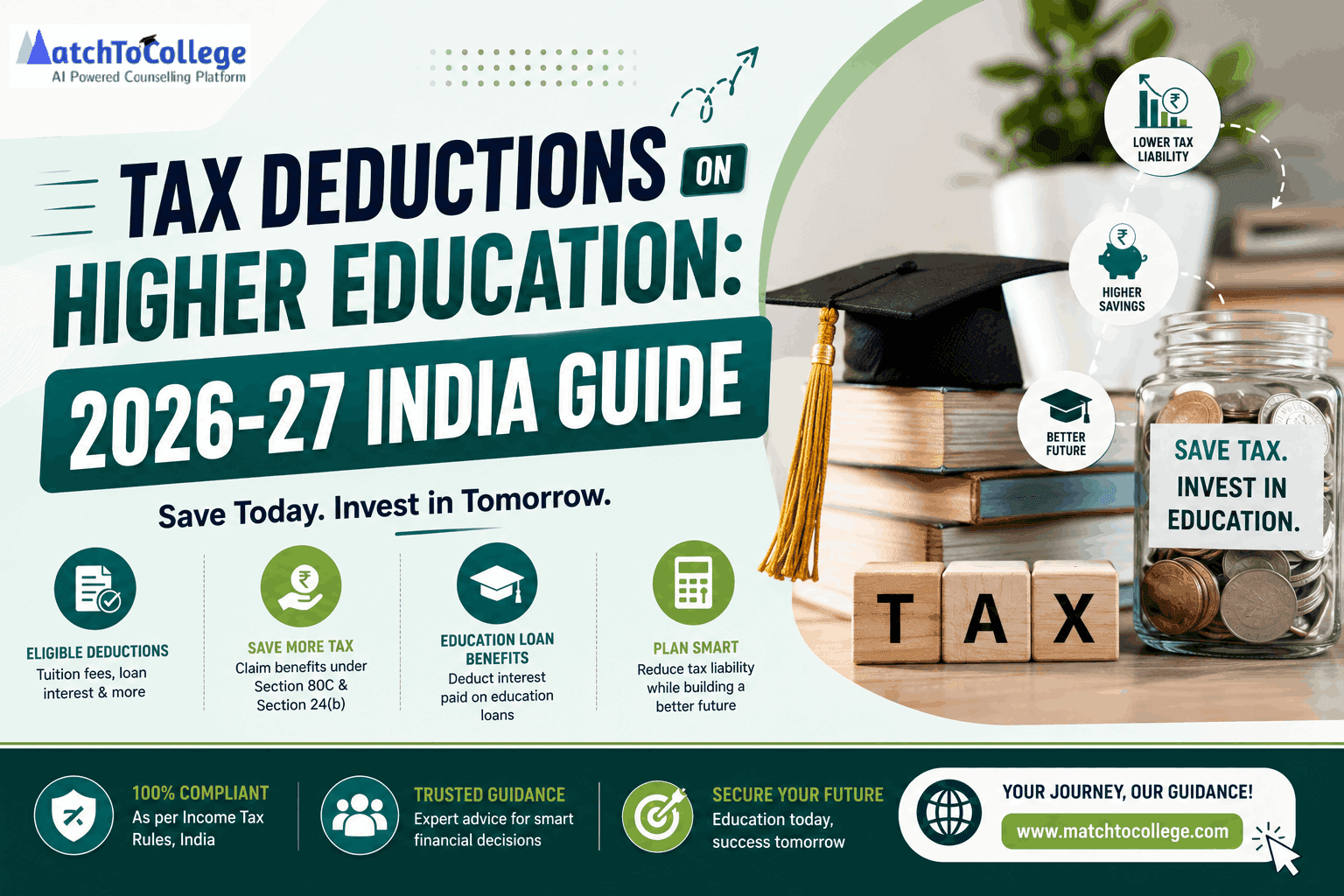
Tax Deductions on Higher Education: 2026-27 India Guide
Maximize your savings with our guide on tax deductions for higher education fees in India for FY 2026-27. Learn about Section 80C, 80E, and upskilling benefits.