

5 Books every tech founder should read in 2026.
Admission & Info Tools
Need Expert Assistance?
Our counselors can help you with fee structures, eligibility guidelines, and upcoming admission cutoffs instantly.
Direct Application Tools

Must-Read Books for Tech Founders
In an era where technology evolves at lightning speed and AI reshapes industries daily, aspiring tech founders need more than just brilliant ideas – they need a robust intellectual toolkit. At MatchToCollege, we believe in empowering students and parents with the insights necessary to navigate complex career paths, from securing admission to top-tier engineering programs to forging a successful entrepreneurial journey. While many focus solely on academic achievements, the foundation of true innovation often lies in continuous learning and a deep understanding of proven principles.
For those dreaming of launching the next unicorn startup or leading a disruptive tech enterprise by 2026, reading the right books isn't a luxury; it's a strategic imperative. These texts offer timeless wisdom on strategy, leadership, product development, and scaling, distilled from the experiences of the world's most successful entrepreneurs and thinkers. They provide a mental framework to approach challenges, build resilient teams, and identify true market opportunities, all critical skills for anyone eyeing a future in the dynamic tech landscape.
Whether you're a high school student contemplating an AI-focused major, a college student exploring entrepreneurship clubs, or a parent guiding your child towards a career in innovation, these five books are indispensable guides for shaping the future of technology. They offer a unique blend of theoretical insights and practical advice, preparing you not just for admission to a great college, but for monumental success in the world of tech entrepreneurship. Let's dive into the essential reading list that will equip you for the entrepreneurial landscape of 2026 and beyond.
1. The Lean Startup by Eric Ries
Eric Ries's masterpiece introduced the world to the concepts of the Minimum Viable Product (MVP), validated learning, and iterative development. For tech founders in 2026, this approach is more critical than ever. In a landscape dominated by rapid AI advancements and shifting market demands, the ability to build, measure, and learn quickly is paramount. This book teaches you to minimize risk by testing your assumptions with real customers, ensuring you build products that truly solve problems rather than wasting resources on unvalidated ideas. It's a blueprint for agility and efficiency in a hyper-competitive environment.
2. Zero to One by Peter Thiel with Blake Masters
Peter Thiel, co-founder of PayPal and Palantir, challenges conventional wisdom, urging founders to create entirely new things rather than simply competing in existing markets. In a world saturated with incremental innovations, 'Zero to One' is a powerful reminder that true value comes from building monopolies through unique, game-changing products or services. For 2026, where AI offers unprecedented opportunities for disruption, Thiel's insights encourage tech entrepreneurs to think outside the box, identify untouched niches, and build foundational technologies that redefine industries, rather than just optimizing existing ones.
3. Good to Great by Jim Collins
While not exclusively for tech, Jim Collins's research-backed principles on how companies transition from good performance to sustained excellence are universally applicable. 'Good to Great' emphasizes the importance of disciplined people, disciplined thought, and disciplined action – what Collins calls the 'Hedgehog Concept.' For tech founders eyeing long-term success beyond the initial hype of a startup, this book provides a framework for building an enduring organization with the right leadership ('Level 5 Leaders'), fostering a culture of rigorous analysis ('Stockdale Paradox'), and maintaining focus. It's about building a company that withstands the test of time and market volatility.
4. Blitzscaling by Reid Hoffman and Chris Yeh
Co-authored by LinkedIn founder Reid Hoffman, 'Blitzscaling' explores the strategies behind rapidly scaling a company under conditions of uncertainty. In the fast-paced tech world of 2026, where first-mover advantage and network effects are crucial, understanding how to 'blitzscale' is vital. This book dissects the playbook for aggressive growth, prioritizing speed over efficiency in the initial stages. It offers practical advice on navigating the challenges of hyper-growth – from hiring and culture to product evolution – and is essential reading for any founder aiming to quickly achieve market dominance in an AI-driven global landscape.
5. Thinking, Fast and Slow by Daniel Kahneman
Nobel laureate Daniel Kahneman takes readers on a groundbreaking tour of the mind, explaining the two systems that drive our thinking: System 1 (fast, intuitive, emotional) and System 2 (slow, deliberate, logical). For tech founders, understanding cognitive biases and the mechanisms of decision-making is invaluable. This book helps in designing user-centric products, crafting effective marketing strategies, making better hiring decisions, and even understanding one's own biases. In 2026, as AI increasingly influences human behavior, a deep grasp of human psychology from a behavioral economics perspective will be a potent differentiator for creating truly impactful technologies.
Share this Article
FAQFrequently Asked Questions
Q: Why are these books relevant for aspiring tech founders in 2026, especially with AI advancements?
The foundational principles in these books—like iterative development, unique value creation, building enduring companies, rapid scaling, and understanding human psychology—remain critically relevant, even with AI. While AI tools enhance execution, strategic thinking, market insight, leadership, and a deep understanding of human behavior, as taught in these texts, are timeless for entrepreneurial success in any era.
Q: How can MatchToCollege help me integrate entrepreneurial learning into my higher education plan?
MatchToCollege provides personalized guidance to help you identify universities and programs with strong entrepreneurship centers, tech incubators, and relevant degree paths (e.g., Computer Science with Entrepreneurship minors, MBA programs focusing on innovation, Design Thinking courses). We also assist in highlighting extracurriculars, internships, and research opportunities that build your founder profile and connect you with future mentors and collaborators.
Get More Info About 5 Books every tech founder should read in 2026.
Recommended Reading
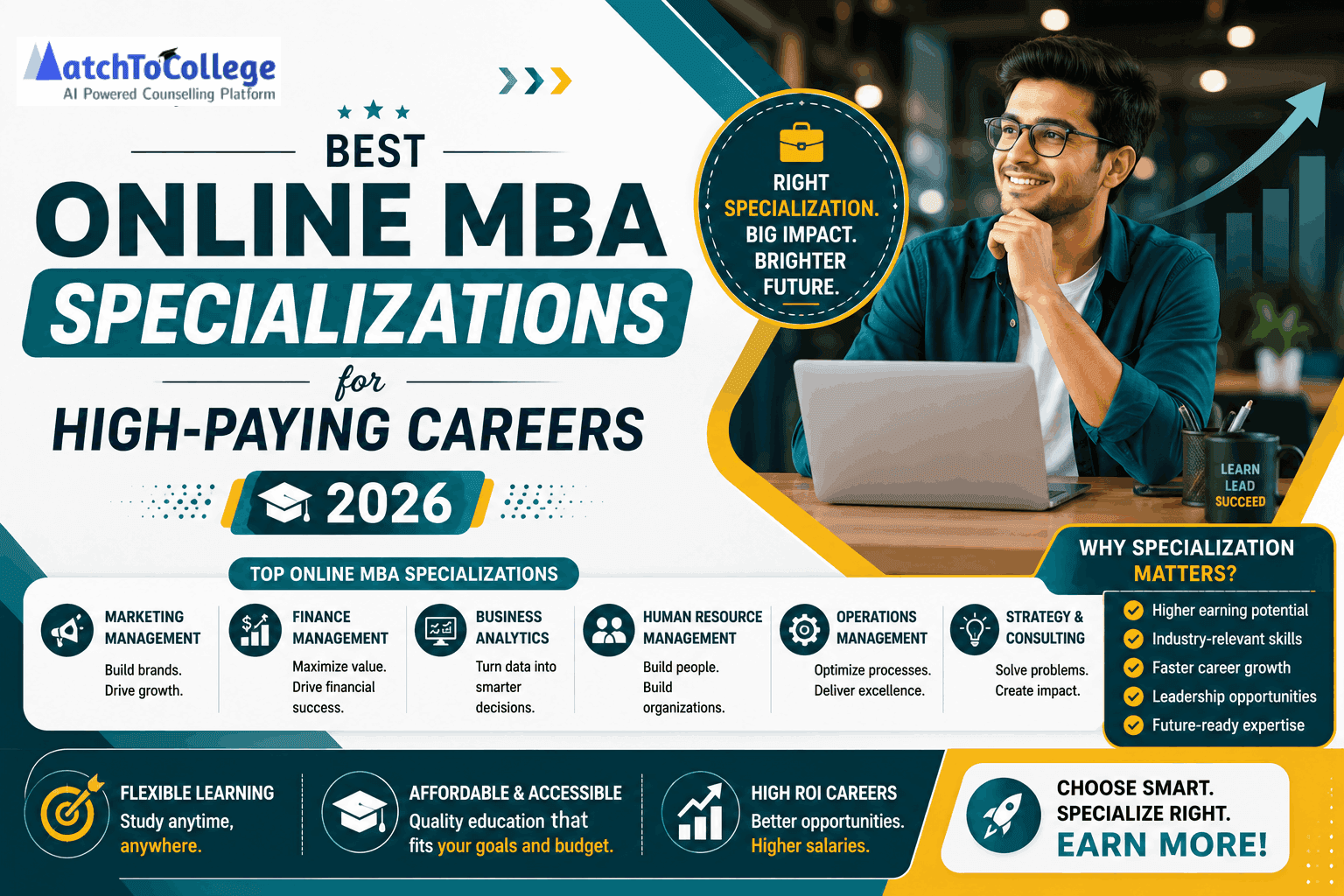
Best Online MBA Specializations for High-Paying Careers 2026
Discover the most lucrative online MBA specializations for 2026-27. Compare ROI, career growth, and use our AI tools to find your perfect management path.
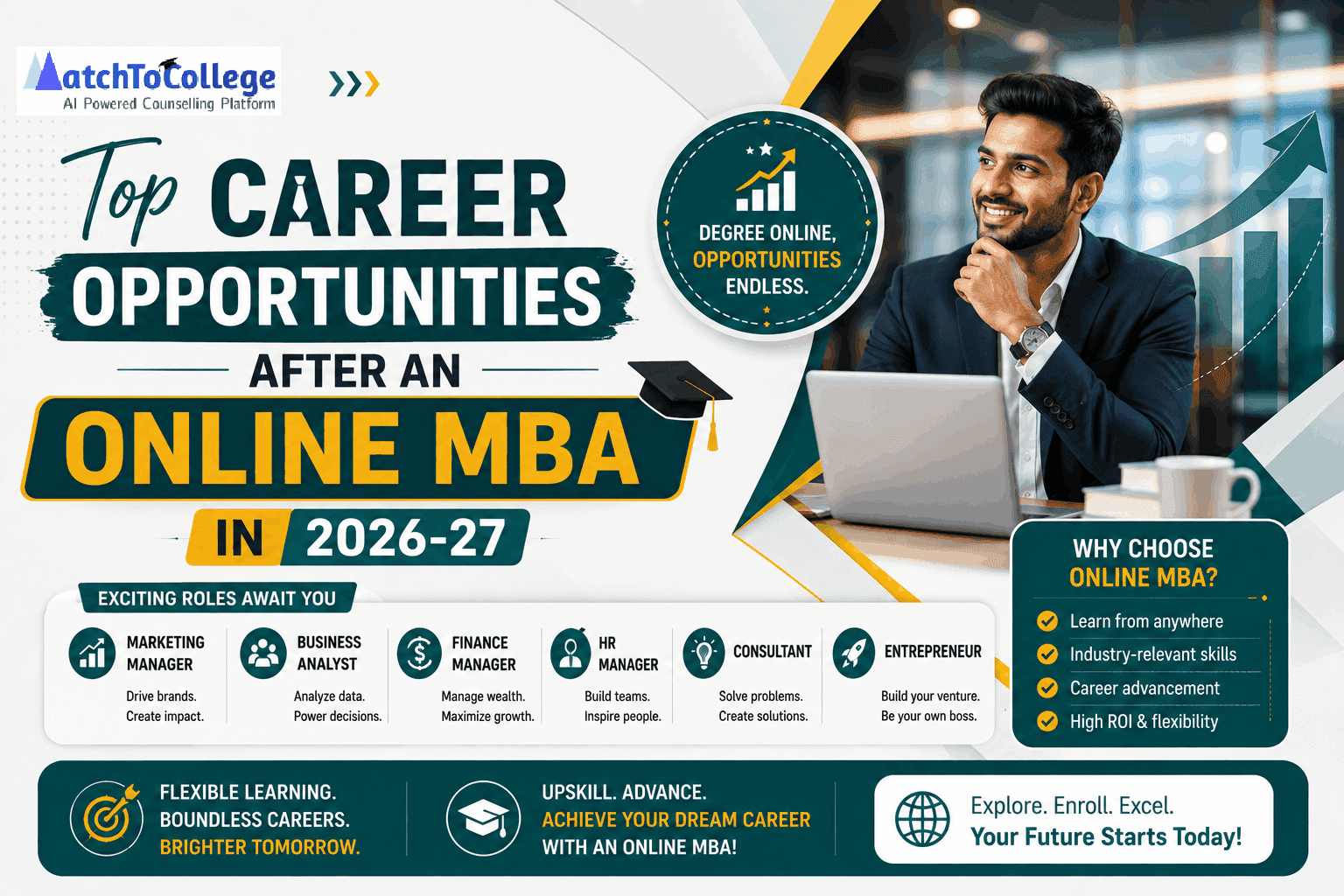
Top Career Opportunities After an Online MBA in 2026-27
Discover high-paying career paths and roles after an online MBA in 2026-27. Explore salary trends, ROI, and tools to navigate your future professional success.
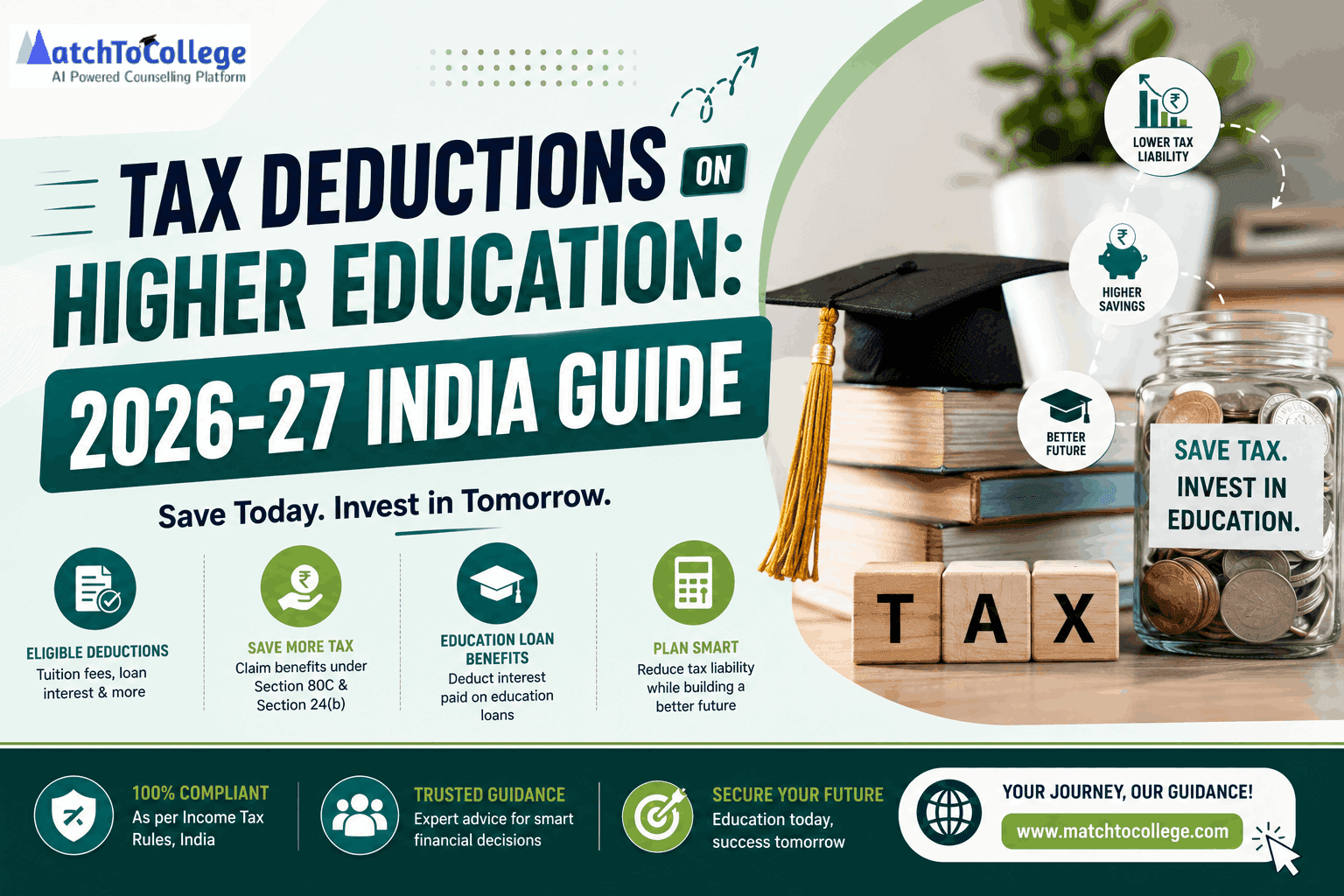
Tax Deductions on Higher Education: 2026-27 India Guide
Maximize your savings with our guide on tax deductions for higher education fees in India for FY 2026-27. Learn about Section 80C, 80E, and upskilling benefits.