

Dominate the Post-MBA Job Market: Stand Out & Succeed
Admission & Info Tools
Need Expert Assistance?
Our counselors can help you with fee structures, eligibility guidelines, and upcoming admission cutoffs instantly.
Direct Application Tools

Stand out in the job market
An MBA can open the door to exciting leadership and career opportunities, but today's job market is highly competitive. Employers are looking for more than just a degree—they want professionals who can solve problems, lead teams, and create business value.
This guide from MatchToCollege shares practical strategies to help you stand out, showcase your strengths, and secure the right post-MBA job. Whether you're planning an MBA or already pursuing one, these tips will help you maximize your career opportunities.
What You'll Learn
| Focus Area | Why It Matters |
| Build Your Personal Brand | Highlight your unique skills, achievements, and leadership potential. |
| Grow Your Professional Network | Connect with alumni, recruiters, mentors, and industry experts. |
| Showcase Real-World Experience | Demonstrate how you've solved business challenges and delivered results. |
| Communicate Your Value | Clearly explain what makes you the right candidate for employers. |
| Plan Your Career Strategically | Focus on opportunities that align with your long-term career goals. |
How MatchToCollege Helps
MatchToCollege uses AI-powered insights to help you choose the right MBA program based on your career goals, interests, and aspirations. By finding the best-fit program, you can build the skills, network, and experience needed to succeed in today's competitive job market.
An MBA is a valuable investment, but your success depends on how you use it. By developing the right skills, building strong professional connections, and clearly communicating your value, you can stand out from the competition and achieve long-term career success. With MatchToCollege, you can confidently take the next step toward your dream career.
Beyond the Resume: Cultivating a Powerful Personal Brand
In a competitive MBA job market, your personal brand helps you stand out. It's not just about your degree—it's about the unique skills, experience, and value you bring to an employer.
How to Build Your Personal Brand
| Strategy | Why It Matters |
| Define Your Strengths | Identify what makes you different and the value you offer. |
| Create Your Career Story | Connect your experience, MBA journey, and career goals into a clear narrative. |
| Update Your Professional Profiles | Keep your LinkedIn, resume, and portfolio consistent and up to date. |
| Share Your Knowledge | Post insights, articles, or industry updates to demonstrate your expertise. |
| Be Authentic | Let your personality, values, and leadership style shine through. |
A strong personal brand helps recruiters remember you. When your skills, experience, and career story are clear and consistent, you're more likely to stand out and attract the right opportunities.
Strategic Networking: Building Authentic Connections for Career Advantage
Networking is more than exchanging contact details—it's about building meaningful relationships that support your career growth. A strong network can help you discover new opportunities, gain industry insights, and connect with experienced professionals.
Smart Networking Strategies
| Strategy | Benefit |
| Use Your Alumni Network | Connect with graduates working in your target industry or role. |
| Attend Industry Events | Meet professionals, learn about trends, and expand your network. |
| Schedule Informational Chats | Ask for career advice and learn from others' experiences. |
| Focus on Genuine Relationships | Build trust by offering value and showing genuine interest. |
| Stay Connected | Follow up regularly and maintain long-term professional relationships. |
Strong networking is about creating lasting connections, not collecting contacts. Meaningful relationships can lead to mentorship, valuable industry insights, and career opportunities that aren't always publicly advertised.
Mastering the Interview & Negotiation: Convert Opportunities into Offers
A successful interview is your chance to show employers how your MBA skills and experience can add value to their organization. Good preparation and confident communication can help you stand out from other candidates.
Interview & Salary Negotiation Tips
| Strategy | Benefit |
| Prepare Real Examples | Use the STAR method to explain your leadership, problem-solving, and achievements. |
| Research the Company | Understand the company's values, culture, and business goals before the interview. |
| Practice Mock Interviews | Improve your confidence, communication, and responses. |
| Know Your Market Value | Research salary trends and industry standards before negotiating. |
| Negotiate the Full Offer | Consider salary, bonuses, benefits, learning opportunities, and career growth. |
A great interview is about showing the value you can bring, while smart negotiation helps you secure the best overall opportunity. Prepare well, communicate confidently, and evaluate the complete offer—not just the salary—to support your long-term career success.
Share this Article
FAQFrequently Asked Questions
Q: How important is networking for post-MBA job search?
Networking is paramount. It's not just about finding job leads but building relationships that can lead to mentorship, industry insights, and opportunities that are never publicly advertised. Authentic connections often pave the way for successful career transitions post-MBA.
Q: What's the best way to develop a strong personal brand after an MBA?
Start by identifying your unique value proposition and career aspirations. Consistently showcase this narrative across your LinkedIn profile, resume, and interactions. Engage in thought leadership, share insights, and ensure your online presence reflects your professional identity and desired career path. Authenticity and consistency are key.
Get More Info About Dominate the Post-MBA Job Market
Recommended Reading
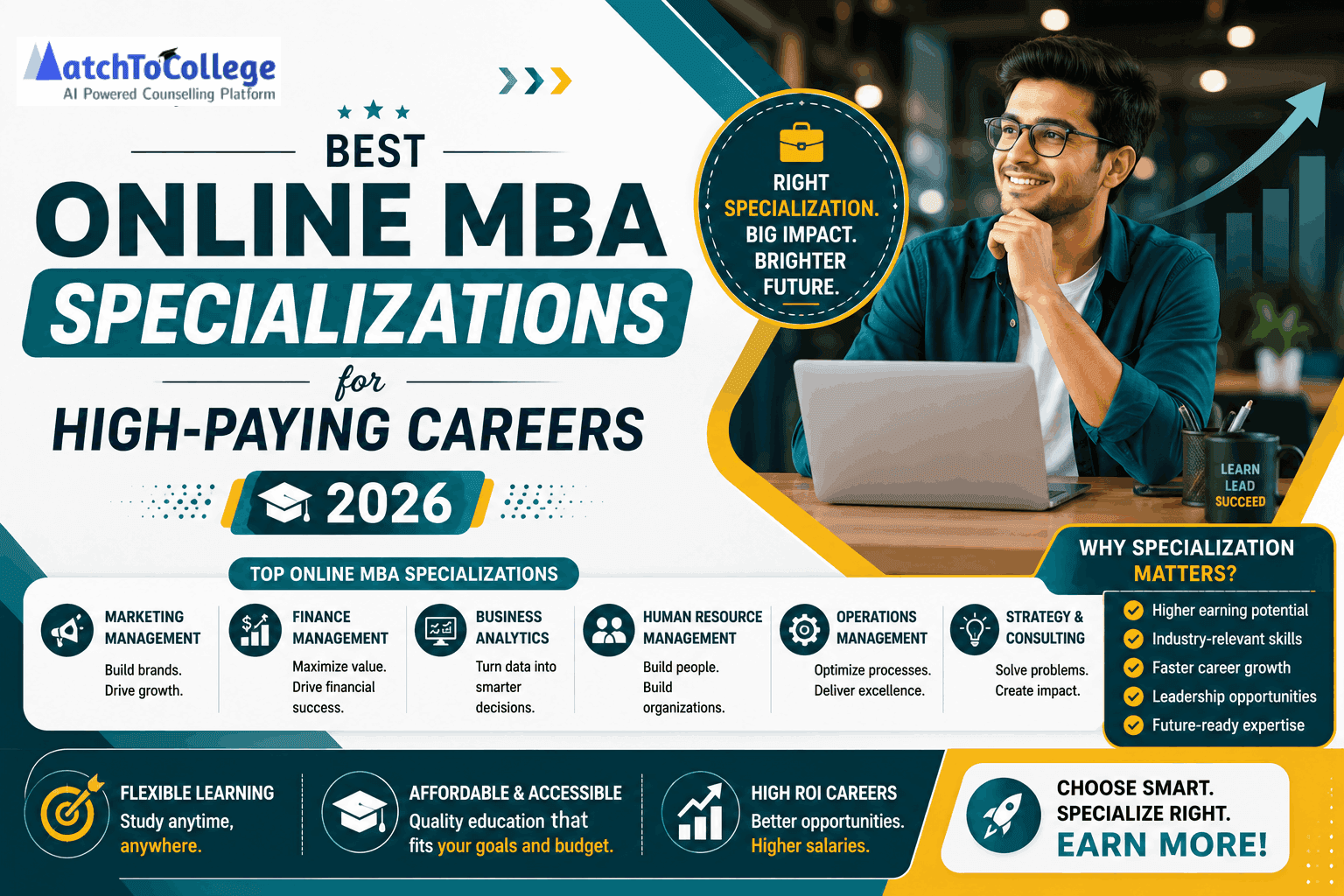
Best Online MBA Specializations for High-Paying Careers 2026
Discover the most lucrative online MBA specializations for 2026-27. Compare ROI, career growth, and use our AI tools to find your perfect management path.
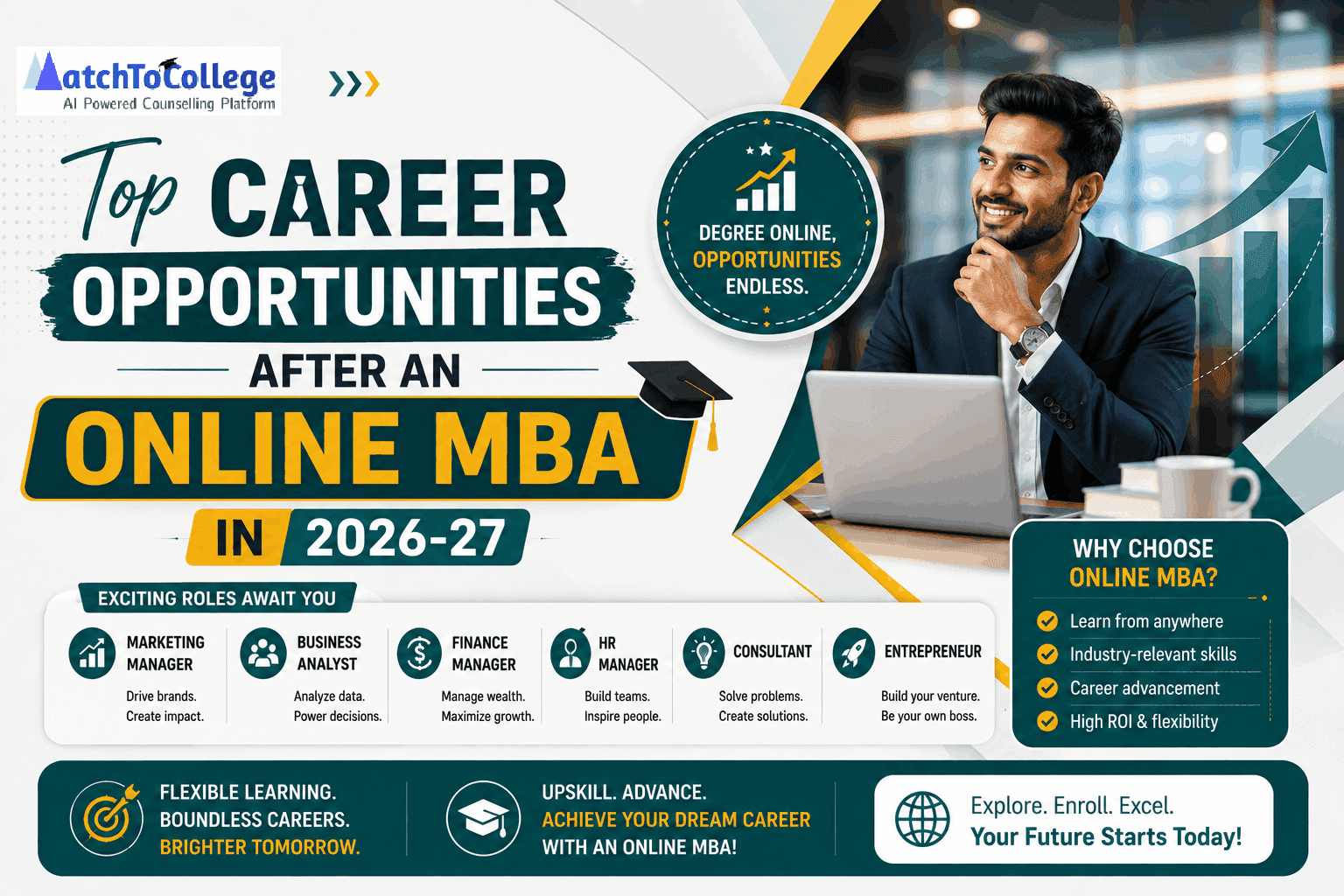
Top Career Opportunities After an Online MBA in 2026-27
Discover high-paying career paths and roles after an online MBA in 2026-27. Explore salary trends, ROI, and tools to navigate your future professional success.

Tax Deductions on Higher Education: 2026-27 India Guide
Maximize your savings with our guide on tax deductions for higher education fees in India for FY 2026-27. Learn about Section 80C, 80E, and upskilling benefits.