

Distance vs Online Degree in India: Which is Better?
Admission & Info Tools
Need Expert Assistance?
Our counselors can help you with fee structures, eligibility guidelines, and upcoming admission cutoffs instantly.
Direct Application Tools

Distance vs Online Degree in India
In today's rapidly evolving educational landscape, prospective students in India are faced with more choices than ever before. For those seeking flexibility, affordability, and the opportunity to upskill without pausing their careers, distance learning and online degrees have emerged as popular alternatives to traditional on-campus education. While often used interchangeably, these two modes of higher education, particularly in the Indian context, possess distinct characteristics that can significantly impact a student's learning experience, career trajectory, and overall academic journey.
The shift towards remote and digital learning has been dramatically accelerated, making it crucial for students and parents to understand the nuances of each option. Are you a working professional aiming for career advancement, or a student looking for a flexible pathway to a degree? Do you prioritize self-paced study with minimal digital interaction, or a more interactive, technology-driven virtual classroom experience? The answer to 'Which is better: distance vs online degree in India?' isn't one-size-fits-all. It depends entirely on your personal circumstances, learning style, career goals, and budget.
This comprehensive guide by MatchToCollege aims to demystify the differences between distance education and online degrees in India. We'll delve into their unique features, regulatory frameworks, benefits, challenges, and key factors to consider, empowering you to make an informed decision that aligns perfectly with your aspirations. Let's explore how to navigate these exciting educational pathways and choose the right one for your success in the competitive Indian job market.
Understanding Distance Education in India
Distance education, often referred to as correspondence courses or open learning, has a long-standing history in India. It typically involves a more traditional, self-directed learning approach where students receive study materials (textbooks, printed notes) by mail or through online portals, and primarily engage in self-study. Interaction with faculty or peers is generally limited, often restricted to occasional contact classes, designated study centers, or written communication.
- Key Characteristics:
- Predominantly print-based or static digital materials.
- Limited synchronous (real-time) interaction.
- Assessments often include assignments, projects, and proctored examinations at designated centers.
- Focus on self-paced learning with a strong emphasis on individual discipline.
- Examples include IGNOU, Dr. B.R. Ambedkar Open University, etc.
These programs are ideal for individuals who prefer working independently, have strong self-motivation, and may have limited access to reliable internet connectivity or advanced digital tools. They offer significant flexibility in terms of schedule and location.
Unpacking Online Degrees in India
Online degrees, on the other hand, represent a more modern, technology-driven approach to remote learning. These programs are delivered entirely through digital platforms, leveraging the internet for everything from course content delivery to student-faculty interaction and assessments. They often incorporate a blend of synchronous (live virtual classes, webinars) and asynchronous (pre-recorded lectures, discussion forums) learning activities.
- Key Characteristics:
- Heavy reliance on Learning Management Systems (LMS) and digital tools.
- Interactive content: video lectures, virtual labs, simulations, interactive quizzes.
- Greater emphasis on real-time interaction with instructors and classmates through virtual classrooms.
- Frequent online assignments, projects, and often online proctored exams.
- Requires stable internet access and basic digital literacy.
Online degrees are designed for students who thrive in a digitally immersive environment, value interactive learning, and seek a more structured yet flexible academic experience. The curriculum delivery often mirrors that of a traditional campus program, but virtually.
Distance vs Online Degree: The Core Differences
While both modes offer flexibility, their operational models and learning experiences diverge significantly:
| Aspect | Distance Learning | Online Degree |
| Delivery Method | Relies on physical study materials with limited online support. | Fully digital learning using interactive platforms, videos, and multimedia. |
| Interaction Level | Limited interaction, mostly self-study with minimal engagement. | Higher interaction through live classes, webinars, and virtual discussions. |
| Technology Integration | Less dependent on advanced technology and internet usage. | Highly technology-driven, requiring strong internet and digital tools. |
| Structure & Schedule | More self-paced with flexible timelines and fewer deadlines. | More structured with weekly schedules, assignments, and deadlines. |
| Curriculum & Pedagogy | Traditional curriculum adapted for independent study. | Designed specifically for digital learning with interactive teaching methods. |
Pros and Cons of Distance Learning
Pros of Distance Learning:
| Advantage | Description |
| Maximum Flexibility | Perfect for working professionals, busy individuals, and students in remote locations who need adaptable study schedules. |
| Cost-Effective | Lower tuition fees and reduced expenses for commuting, accommodation, and campus-related costs. |
| Accessibility | Enables learners from diverse geographical locations and personal circumstances to access quality education. |
| Self-Paced Learning | Allows students to learn at their own speed and revisit challenging concepts whenever needed. |
Cons of Distance Learning:
| Limitation | Description |
| Limited Interaction | Reduced face-to-face engagement can lead to less peer collaboration and networking opportunities. |
| Self-Discipline Required | Success depends heavily on strong time management, motivation, and independent learning skills. |
| Outdated Materials | Some distance learning programs may update course content less frequently than traditional programs. |
| Perception Challenges | Although improving, some employers may still view distance education differently from conventional degrees. |
Pros and Cons of Online Degrees
Pros of Online Degrees:
- Enhanced Interaction: Offers more opportunities for engagement with faculty and peers through virtual discussions, live classes, and group projects.
- Up-to-Date Content: Digital platforms allow for quick updates and integration of current industry trends.
- Skill Development: Fosters digital literacy, technological proficiency, and effective online communication.
- Rich Learning Experience: Utilizes multimedia, simulations, and virtual labs for a more immersive education.
- Flexibility with Structure: Balances independent learning with structured assignments and deadlines.
Cons of Online Degrees:
- Technology Dependence: Requires reliable internet access and familiarity with various digital tools.
- Potential for Distraction: Learning from home can present unique challenges in maintaining focus.
- Screen Time: Extended periods of screen time can be a concern for some students.
- Cost: Can sometimes be pricier than traditional distance learning due to advanced technological infrastructure.
Regulatory Landscape in India: UGC-DEB Approval
In India, the University Grants Commission (UGC), through its Distance Education Bureau (DEB), is the primary regulatory body for both distance and online education. It is absolutely crucial to ensure that any program you consider, whether distance or online, is approved by the UGC-DEB. An unapproved degree may not be recognized for higher studies or employment opportunities.
The UGC has distinct guidelines for 'Open & Distance Learning (ODL)' programs and 'Online Learning Programmes'. While ODL includes the traditional distance mode, online learning programmes specifically mandate a fully online, technology-driven approach, often with online proctored examinations. Always verify the accreditation status of the institution and the specific program on the UGC-DEB website to ensure your degree holds academic and professional validity.
Choosing the Right Path with MatchToCollege
The decision between a distance learning degree and an online degree in India ultimately comes down to your individual needs and circumstances. Consider the following factors:
| Factor | Key Consideration |
| Learning Style | Determine whether you prefer self-paced learning or structured guidance and interaction. |
| Career Goals | Assess how the degree aligns with your career aspirations and industry requirements. |
| Technological Comfort | Ensure you have reliable internet access and are comfortable using online learning platforms. |
| Time Commitment | Evaluate how many hours you can consistently dedicate to studies each week. |
| Budget | Compare tuition fees and additional expenses such as technology, study materials, and examination costs. |
| Accreditation | Verify that both the university and program have valid UGC-DEB approval and recognition. |
Navigating these choices can be overwhelming. That's where MatchToCollege, your AI-powered higher education counselling platform, comes in. We offer personalized guidance to help you:
- Identify programs that align with your career aspirations.
- Connect with UGC-DEB approved institutions offering quality distance and online degrees.
- Understand eligibility criteria, application processes, and scholarship opportunities.
- Make an informed decision tailored to your unique profile.
Don't let confusion hold you back from your academic and career goals. Let MatchToCollege be your trusted partner in making the best educational choice for your future in India.
Share this Article
FAQFrequently Asked Questions
Q: Are online degrees valid in India?
Yes, online degrees are valid in India if they are offered by institutions approved by the University Grants Commission (UGC) and their specific online programs are recognized by the UGC-Distance Education Bureau (DEB). Always verify the accreditation status on the UGC-DEB website.
Q: Is distance learning recognized by employers in India?
Yes, degrees obtained through UGC-DEB approved distance learning programs are generally recognized by employers in India. However, the perception can vary by industry and the reputation of the awarding institution. It's crucial to choose a well-reputed and accredited university.
Q: What is the main difference between distance learning and an online degree?
The main difference lies in the delivery method and level of interaction. Distance learning often relies more on self-study with physical/static digital materials and limited interaction, while online degrees are fully technology-driven with interactive platforms, live classes, and a higher degree of real-time engagement.
Q: Which is better for working professionals: distance or online degree?
Both can be excellent options for working professionals. An online degree often provides a more structured yet flexible interactive learning experience suitable for those who value virtual engagement. Distance learning offers maximum flexibility and self-pacing. The 'better' option depends on your learning style, access to technology, and preference for interaction.
Q: How can MatchToCollege help me choose between distance and online degrees?
MatchToCollege provides AI-powered personalized counselling. We help you assess your learning style, career goals, budget, and technological comfort, then match you with UGC-DEB approved distance or online degree programs and institutions that best fit your individual needs and aspirations.
Top Colleges Covered in this Blog
Indira Gandhi National Open University
Indira Gandhi National Open University
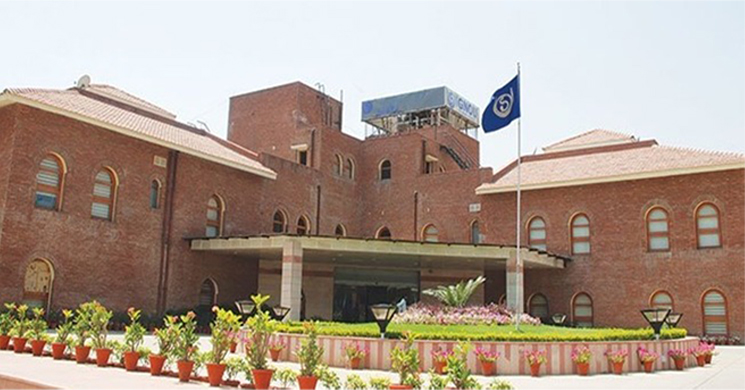
Indira Gandhi National Open University (IGNOU) is a premier Central University established in 1985 to democratize higher education in India through open and distance learning. It is the largest university in the world in terms of student enrollment, offering over 300 academic programmes through distance and online modes across multiple disciplines.
Total Fees
₹10K - ₹60K
Total Courses
18
Get More Info About Distance vs Online Degree in India
Recommended Reading
Best Online MBA Specializations for High-Paying Careers 2026
Discover the most lucrative online MBA specializations for 2026-27. Compare ROI, career growth, and use our AI tools to find your perfect management path.
Top Career Opportunities After an Online MBA in 2026-27
Discover high-paying career paths and roles after an online MBA in 2026-27. Explore salary trends, ROI, and tools to navigate your future professional success.
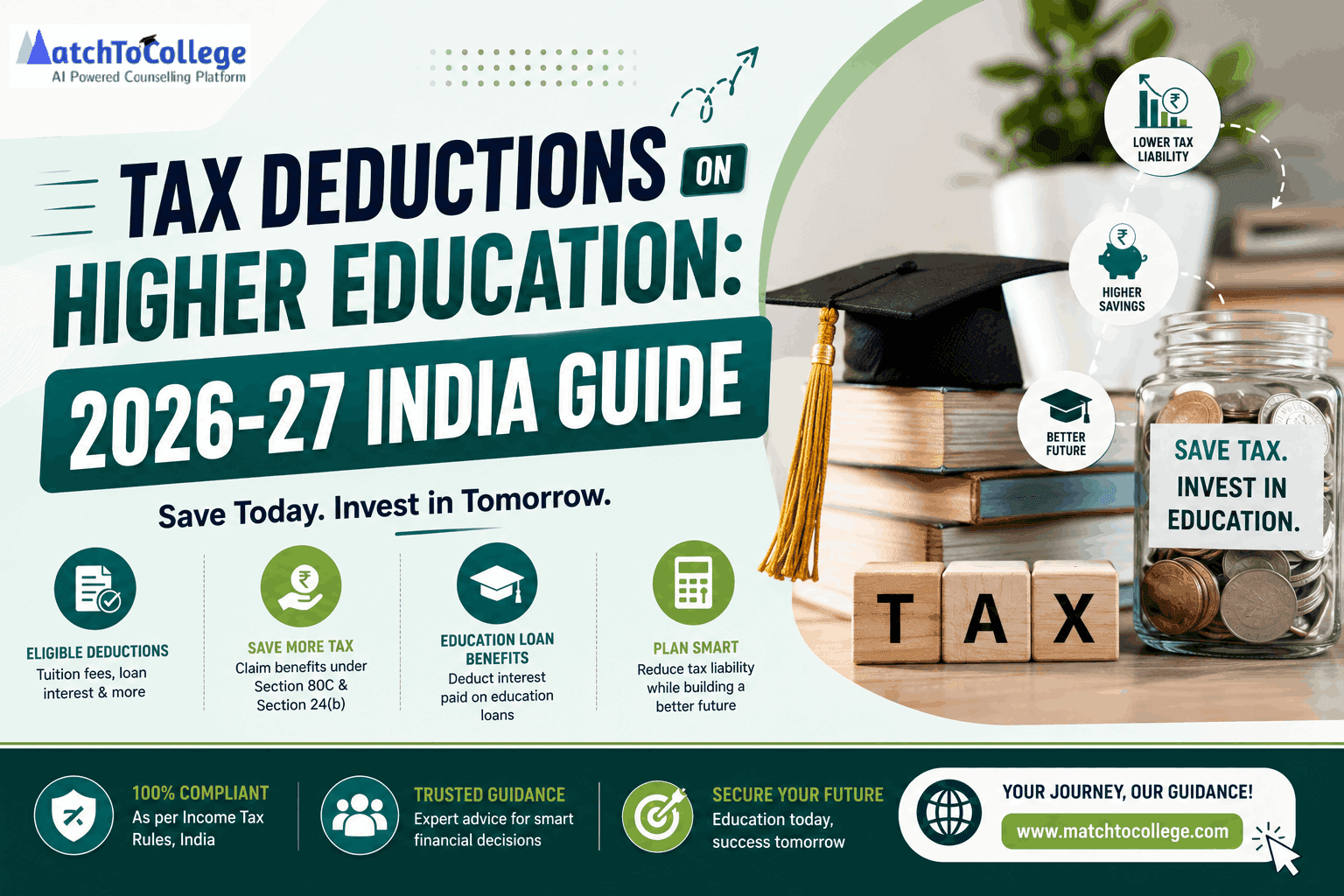
Tax Deductions on Higher Education: 2026-27 India Guide
Maximize your savings with our guide on tax deductions for higher education fees in India for FY 2026-27. Learn about Section 80C, 80E, and upskilling benefits.