

College Success: Master Time, Exams & Internships
Admission & Info Tools
Need Expert Assistance?
Our counselors can help you with fee structures, eligibility guidelines, and upcoming admission cutoffs instantly.
Direct Application Tools
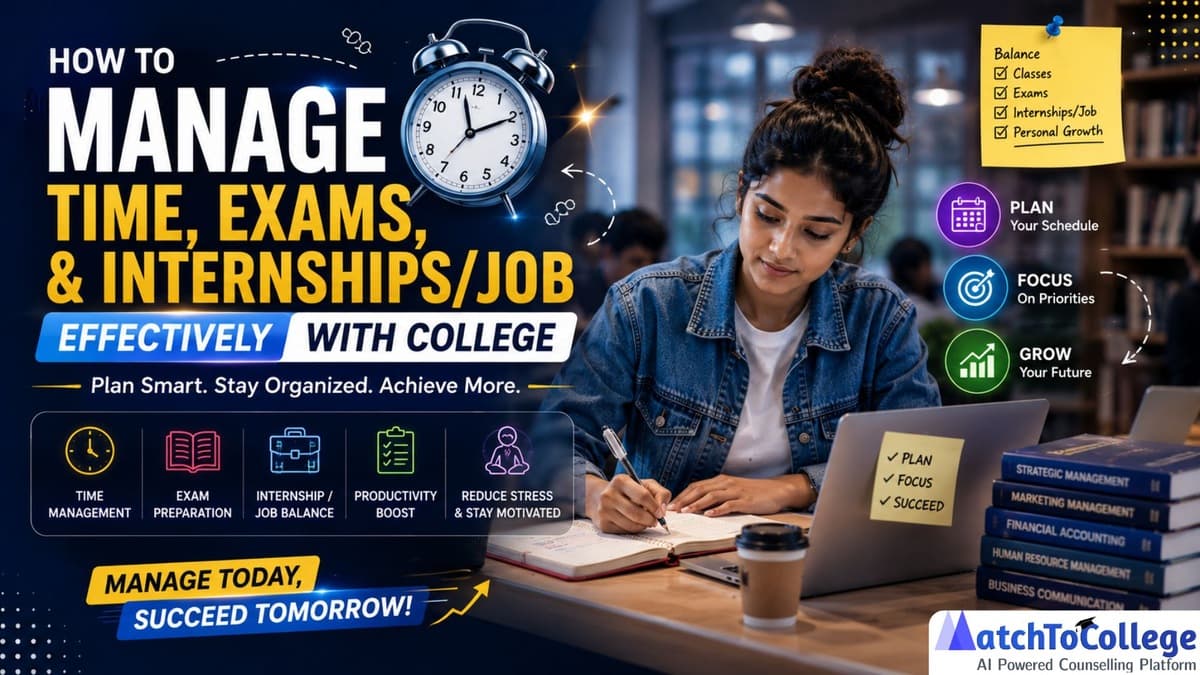
Study smart, focus on success
College is an exciting phase of learning, growth, and career preparation. However, balancing academic responsibilities, exam preparation, internships or part-time jobs, and personal commitments can be challenging. Without proper planning, students may experience stress, missed deadlines, and burnout.
The good news is that with effective time management, smart study strategies, and organized planning, you can successfully manage college while preparing for a rewarding career.
Why Time Management Matters
Managing your time effectively helps you stay organized, reduce stress, and maintain a healthy balance between academics, work, and personal life.
Good time management enables you to:
- Meet assignment and project deadlines
- Prepare effectively for examinations
- Balance internships or part-time jobs with studies
- Improve productivity and focus
- Maintain physical and mental well-being
- Build professional skills for future careers
Developing these habits during college prepares you for long-term academic and professional success.
What You'll Learn in This Guide
This guide provides practical strategies to help you:
- Manage your daily and weekly schedule effectively
- Prepare for exams without last-minute stress
- Balance internships or jobs with college responsibilities
- Improve productivity and maintain work-life balance
- Avoid burnout while achieving your academic and career goals
These techniques will help you succeed throughout your college journey and beyond.
How MatchToCollege Can Help
Planning your higher education journey involves more than selecting a college. MatchToCollege provides AI-powered guidance to help students make informed academic and career decisions.
Our platform helps you:
| Service | How It Helps |
| College Selection | Find universities that match your academic profile and career goals. |
| Scholarship Guidance | Explore scholarship opportunities to reduce education costs. |
| Admission Support | Receive personalized guidance on applications, documentation, and deadlines. |
| Career Planning | Explore academic pathways aligned with future career opportunities. |
| Personalized Recommendations | Get AI-powered suggestions based on your interests, strengths, and aspirations. |
Why These Skills Matter
Whether you are pursuing Engineering, Medicine, Business, Arts, Science, or planning to study abroad, effective time management and organizational skills are essential for academic excellence and career success.
Learning to balance studies, internships, examinations, and personal commitments will help you become a confident, productive, and well-prepared professional.
Success in college is not determined solely by intelligence or hard work—it also depends on effective planning, discipline, and smart time management. By developing strong organizational habits, preparing consistently for exams, and balancing internships with academics, you can reduce stress, improve performance, and build a strong foundation for your future career.
Ready to make the most of your college journey?
Discover the right universities, explore scholarships, and receive personalized higher education guidance with MatchToCollege. Start planning your academic and career success today.
Mastering College Time Management
Effective time management is the foundation of academic success in college. With classes, assignments, exams, internships, and personal commitments, staying organized helps reduce stress, improve productivity, and maintain a healthy work-life balance.
Creating a structured schedule allows you to manage your responsibilities efficiently while making time for learning, career development, and personal well-being.
Why Time Management Is Important
Good time management helps students:
- Stay organized and meet deadlines
- Balance academics, internships, and personal commitments
- Reduce stress and avoid last-minute work
- Improve productivity and focus
- Achieve better academic performance
- Maintain a healthy work-life balance
Developing this skill prepares students for both college and future professional careers.
Effective Time Management Strategies
| Strategy | How It Helps |
| Use a Planner or Digital Calendar | Organize classes, assignment deadlines, exams, internship schedules, and important events in one place. |
| Practice Time Blocking | Allocate dedicated time slots for studying, projects, internships, exercise, and relaxation to stay focused and productive. |
| Prioritize Tasks | Focus on high-priority and deadline-driven tasks before less important activities using methods like the Eisenhower Matrix. |
| Avoid Multitasking | Complete one task at a time to improve concentration, accuracy, and overall efficiency. |
| Review Your Schedule Regularly | Update your weekly plan to accommodate changing priorities, deadlines, and unexpected commitments. |
Tips for Better Time Management
Students can improve their productivity by:
- Planning each week in advance
- Breaking large assignments into smaller tasks
- Setting realistic daily goals
- Using reminders for important deadlines
- Taking regular breaks to maintain focus
- Limiting distractions during study sessions
- Maintaining a consistent daily routine
Small, consistent habits lead to long-term success.
Benefits of Effective Time Management
Strong time management skills help students:
- Complete assignments on time
- Prepare for exams with less stress
- Balance internships and academic responsibilities
- Improve concentration and productivity
- Reduce procrastination
- Build self-discipline and confidence
These skills remain valuable throughout higher education and professional life.
Effective time management is one of the most important skills every college student can develop. By planning ahead, prioritizing tasks, staying organized, and reviewing your schedule regularly, you can successfully balance academics, internships, and personal commitments while achieving your educational and career goals.
Leveraging Digital Tools for Productivity
Technology can make managing college life easier and more efficient. Productivity tools help students organize schedules, manage assignments, collaborate on projects, and stay focused while studying.
By using the right digital tools, students can improve productivity, reduce stress, and balance academics, internships, and personal commitments more effectively.
Why Productivity Tools Matter
Digital productivity tools help students:
- Organize academic and personal schedules
- Track assignments and deadlines
- Collaborate on group projects
- Improve focus during study sessions
- Build consistent study habits
- Increase overall productivity
Choosing tools that fit your learning style can make daily tasks more manageable.
Essential Productivity Tools
| Tool Category | Purpose | Examples |
| Digital Calendars | Schedule classes, exams, internship hours, and important deadlines. | Google Calendar, Microsoft Outlook |
| Project Management Tools | Organize assignments, group projects, and long-term academic tasks. | Notion, Asana |
| Task Management Apps | Create to-do lists, prioritize tasks, and monitor daily progress. | Todoist, Microsoft To Do |
| Focus and Study Tools | Improve concentration using structured study techniques such as the Pomodoro Method. | Pomodoro Timer Apps, Forest, Focus To-Do |
| Habit Tracking Apps | Build consistent routines for studying, exercise, reading, and personal development. | Habitica, Loop Habit Tracker, Streaks |
Tips for Using Productivity Tools Effectively
To get the most value from these tools:
- Choose apps that match your study habits and workflow.
- Break large assignments into smaller, manageable tasks.
- Set reminders for important deadlines and exams.
- Use time-blocking to organize your daily schedule.
- Follow the Pomodoro Technique by studying for 25 minutes followed by a 5-minute break to maintain focus.
- Review your progress regularly and adjust your schedule as needed.
Consistency is more important than using multiple tools.
Benefits of Productivity Tools
Using digital productivity tools helps students:
- Stay organized throughout the semester
- Complete assignments on time
- Improve concentration and efficiency
- Reduce procrastination
- Balance academics, internships, and extracurricular activities
- Develop lifelong organizational skills
These tools support both academic success and professional development.
Productivity tools can simplify college life by helping students plan, prioritize, and stay focused. Whether you use a digital calendar, project management platform, task manager, or study timer, selecting the right tools and using them consistently will improve time management, boost productivity, and help you achieve your academic and career goals.
Acing Exams: Smart Study Strategies
Exams are an important part of college life, but they do not have to be overwhelming. With consistent preparation, effective study techniques, and a well-planned schedule, students can improve their understanding, retain information longer, and perform confidently during exams.
The key to exam success is studying smarter—not harder.
Why Smart Exam Preparation Matters
A structured study plan helps students:
- Improve knowledge retention
- Reduce exam-related stress
- Increase confidence
- Avoid last-minute cramming
- Achieve better academic results
- Develop effective lifelong learning habits
Consistent preparation leads to better performance than studying intensively at the last minute.
Effective Exam Preparation Strategies
| Strategy | How It Helps |
| Active Recall | Test your understanding through self-quizzing, flashcards, and explaining concepts instead of simply rereading notes. |
| Spaced Repetition | Review topics at regular intervals to strengthen long-term memory and improve retention. |
| Create a Study Schedule | Divide the syllabus into manageable sections and begin preparation well before exams. |
| Practice Mock Tests | Familiarize yourself with the exam format, improve time management, and identify areas that need additional revision. |
| Use Academic Support | Attend review sessions, participate in study groups, and seek guidance from professors during office hours when needed. |
Exam Day Success Tips
To perform at your best:
- Get adequate sleep before the exam.
- Eat a healthy and balanced meal.
- Stay hydrated throughout the day.
- Arrive early and carry all required materials.
- Read instructions carefully before answering.
- Manage your time wisely during the exam.
- Stay calm and confident throughout the assessment.
A positive mindset can significantly improve performance.
Managing Exam Stress
Healthy habits can help reduce stress and improve focus during exam season.
Students should:
- Take regular study breaks
- Practice mindfulness or meditation
- Exercise regularly
- Maintain a balanced diet
- Get sufficient sleep
- Avoid last-minute cramming
- Stay consistent with daily revision
Maintaining both physical and mental well-being is essential for academic success.
Benefits of Effective Exam Preparation
Smart study strategies help students:
- Improve memory retention
- Strengthen conceptual understanding
- Build confidence
- Reduce anxiety
- Achieve higher grades
- Develop strong study habits for lifelong learning
These skills are valuable throughout higher education and future professional certifications.
Successful exam preparation requires planning, consistency, and effective study techniques. By using active recall, spaced repetition, practice tests, and a structured study schedule, students can improve academic performance while reducing stress. Consistent effort, combined with healthy habits and proper time management, is the most effective strategy for long-term success.
Balancing Internships with Academic Life
Internships and part-time jobs provide valuable real-world experience, help develop professional skills, and improve career prospects. However, balancing work with academic responsibilities requires careful planning, effective communication, and strong time management.
By organizing your schedule and setting clear priorities, you can gain practical experience without compromising your academic performance.
Why Internships Matter
Internships allow students to apply classroom knowledge in professional environments while building industry experience and expanding their professional network.
Benefits of internships include:
- Gaining practical work experience
- Developing industry-specific skills
- Building professional networks
- Enhancing communication and teamwork
- Improving employability after graduation
- Exploring career interests before full-time employment
Strategies to Balance College and Internships
| Strategy | How It Helps |
| Choose Relevant Opportunities | Select internships that align with your academic program, career interests, and long-term goals. |
| Communicate Effectively | Inform your internship supervisor about important academic commitments and notify professors in advance if work responsibilities may affect classes or deadlines. |
| Plan Your Schedule | Include internship hours, classes, study sessions, assignments, and personal time in your weekly planner or digital calendar. |
| Use Breaks Productively | Utilize lunch breaks or commuting time for reviewing notes, reading course materials, or planning upcoming tasks. |
| Set Aside Recovery Time | Schedule time to rest and transition between work and academic responsibilities to maintain focus and avoid burnout. |
Tips for Managing Work and Studies
Students can successfully balance internships and academics by:
- Prioritizing important academic deadlines
- Planning assignments well in advance
- Maintaining a consistent study routine
- Avoiding unnecessary procrastination
- Setting realistic weekly goals
- Asking for support when workloads become challenging
- Maintaining a healthy balance between work, study, and personal well-being
Consistency and organization are essential for long-term success.
Benefits of Balancing Internships with College
Managing both academics and professional experience helps students:
- Apply theoretical knowledge in real-world situations
- Build strong time management and organizational skills
- Develop workplace communication and professionalism
- Strengthen resumes and job applications
- Increase confidence for future employment
- Expand professional networks and career opportunities
These experiences make graduates more competitive in today's job market.
How MatchToCollege Can Help
MatchToCollege supports students in making informed academic and career decisions through AI-powered higher education guidance.
Our platform helps students:
| Service | How It Helps |
| Career Guidance | Explore career pathways based on your interests and academic strengths. |
| Program Selection | Find universities and programs aligned with your career goals. |
| Personalized Recommendations | Receive AI-powered suggestions tailored to your profile. |
| Higher Education Planning | Build a roadmap for academic success, internships, and future employment. |
Balancing college with internships or part-time jobs requires planning, discipline, and effective communication. By choosing relevant opportunities, organizing your schedule, maintaining healthy study habits, and managing your time wisely, you can gain valuable professional experience while achieving academic success. Developing these skills will prepare you for a smooth transition from college to a successful career.
Share this Article
FAQFrequently Asked Questions
Q: How can I prioritize tasks effectively in college?
To prioritize tasks effectively, use a system like the Eisenhower Matrix, categorizing tasks into four quadrants: Urgent & Important, Important & Not Urgent, Urgent & Not Important, and Not Urgent & Not Important. Focus your energy on Important tasks first, tackling the Urgent & Important ones immediately and scheduling the Important & Not Urgent ones. Utilize a planner or digital tool to visualize your commitments and prevent procrastination on high-priority items.
Q: Is it possible to do multiple internships while studying for a demanding degree?
While challenging, it is possible to undertake multiple internships with careful planning and realistic expectations. Consider part-time, remote, or project-based internships that offer flexibility during the academic year. Full-time internships are best reserved for summer or semester breaks. Prioritize quality over quantity, choosing internships that directly contribute to your career goals. Crucially, maintain open communication with both your academic advisors and internship supervisors, and always prioritize your well-being to avoid burnout.
Get More Info About College Success
Recommended Reading
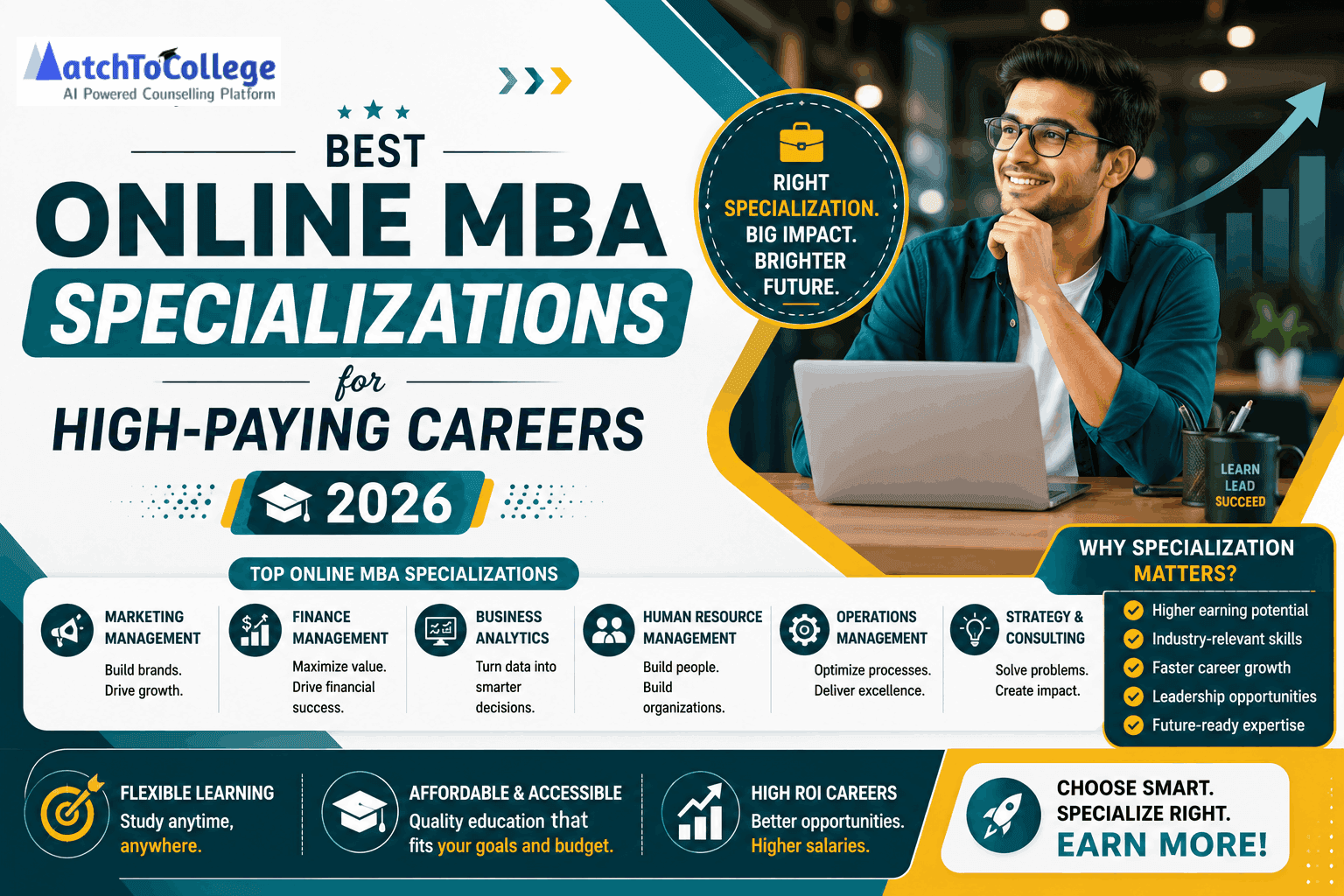
Best Online MBA Specializations for High-Paying Careers 2026
Discover the most lucrative online MBA specializations for 2026-27. Compare ROI, career growth, and use our AI tools to find your perfect management path.

Top Career Opportunities After an Online MBA in 2026-27
Discover high-paying career paths and roles after an online MBA in 2026-27. Explore salary trends, ROI, and tools to navigate your future professional success.
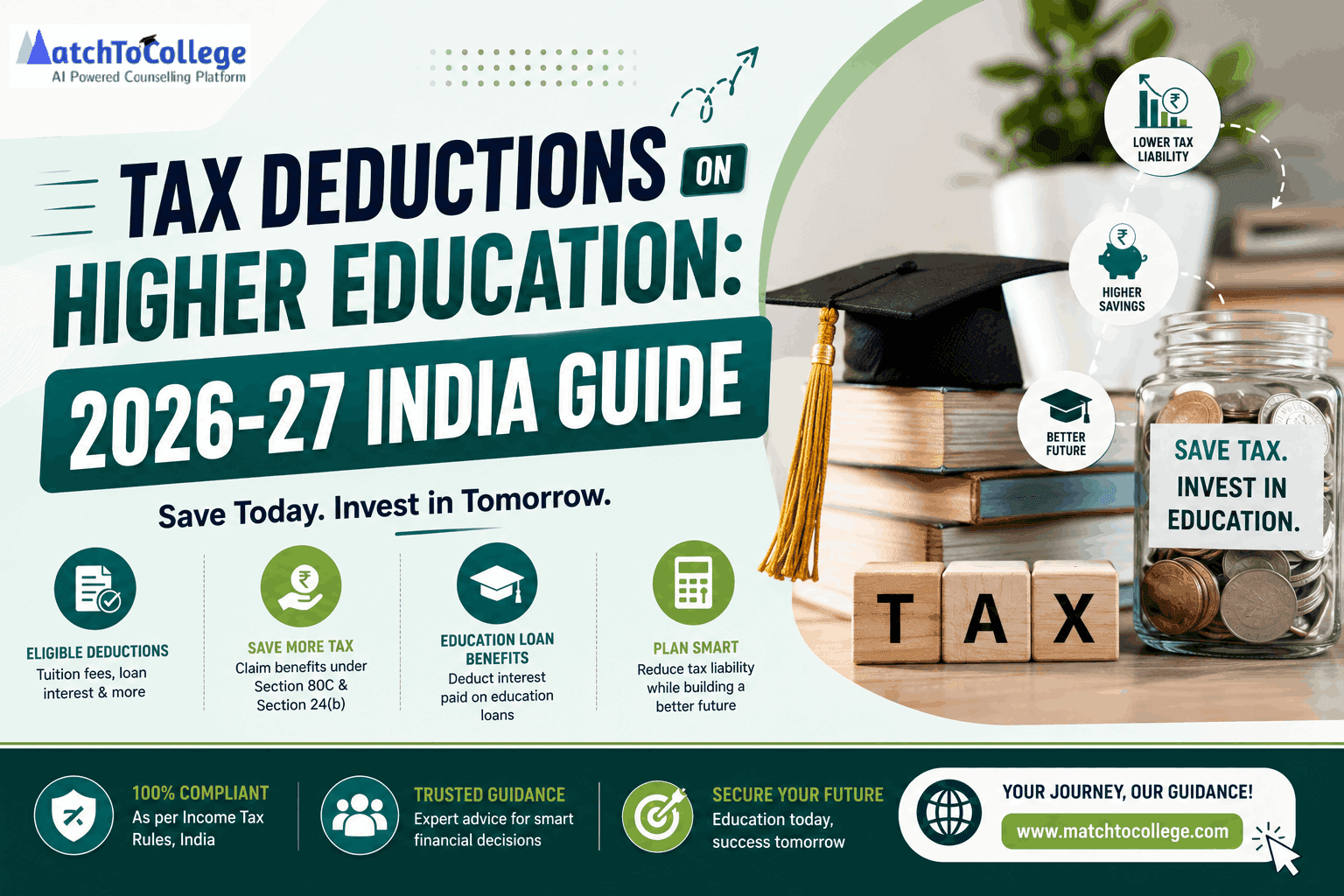
Tax Deductions on Higher Education: 2026-27 India Guide
Maximize your savings with our guide on tax deductions for higher education fees in India for FY 2026-27. Learn about Section 80C, 80E, and upskilling benefits.