

Burnout Leaves: Top Colleges Prioritize Mental Health by 2026
Admission & Info Tools
Need Expert Assistance?
Our counselors can help you with fee structures, eligibility guidelines, and upcoming admission cutoffs instantly.
Direct Application Tools
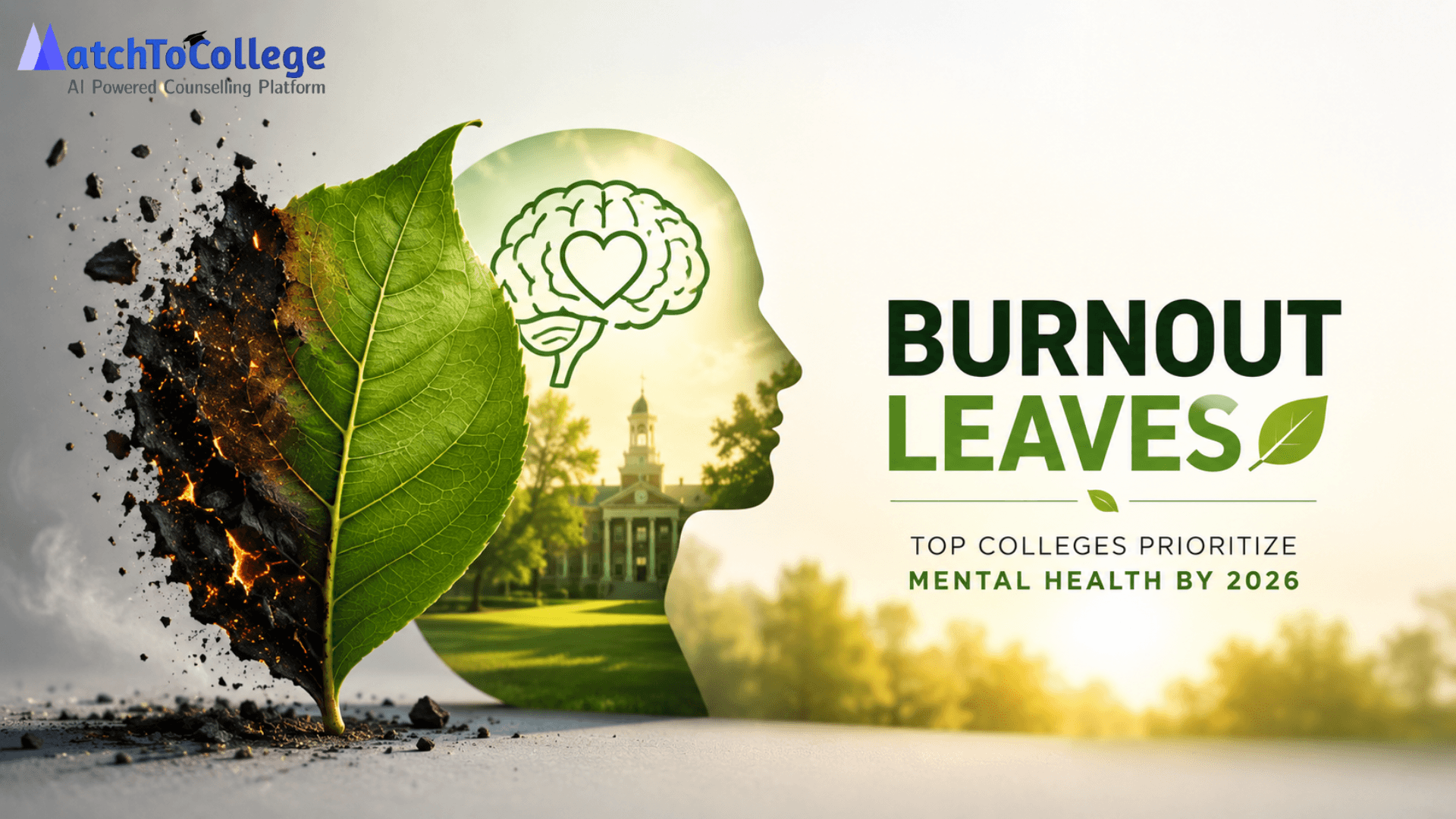
Burnout Ends, Healing Campuses Rise
In an increasingly competitive and demanding academic landscape, the mental health of college students has emerged as a critical concern. As we look towards 2026, a groundbreaking trend is taking shape within the hallowed halls of the world's most prestigious institutions: mandatory 'burnout leaves.' This isn't just a compassionate gesture; it's a strategic evolution in higher education, recognizing that sustained academic excellence is inextricably linked to robust student well-being.
For years, students have grappled with immense academic pressure, societal expectations, and the inherent challenges of transitioning to adulthood. The statistics are stark: a significant percentage of university students report experiencing anxiety, depression, and, critically, burnout. The traditional model of 'push through it' is proving unsustainable, leading to academic setbacks, mental health crises, and even dropouts. Top colleges, often seen as pioneers, are now stepping up to redefine the student support system.
By 2026, expect to see a systemic shift. Elite universities are integrating structured, mandatory periods of respite – 'burnout leaves' – into their academic calendars. These aren't just extended breaks; they are designed, supported interventions aimed at preventing the escalation of stress and fostering a healthier, more balanced college experience. This forward-thinking approach is set to become a benchmark for comprehensive student welfare, signaling a profound understanding that a healthy mind is the foundation for intellectual growth and innovation.
At MatchToCollege, we understand that finding the right institution involves more than just academic fit; it's about aligning with a college's commitment to your holistic development. As these progressive policies gain traction, our AI-powered platform helps you navigate the evolving landscape to identify universities that not only challenge you intellectually but also prioritize your mental and emotional health, ensuring a truly enriching and sustainable higher education journey.
The Rising Tide of Student Burnout: A Pre-2026 Reality
Before the advent of mandatory burnout leaves, the college experience, particularly at highly selective institutions, often felt like a relentless marathon. Students faced rigorous coursework, intense extracurricular commitments, internship pressures, and the looming anxiety of post-graduation careers. This environment, while fostering ambition, inadvertently created a breeding ground for stress and mental health challenges. Studies consistently highlighted alarming rates of anxiety disorders, depressive symptoms, and pervasive feelings of exhaustion among undergraduates and postgraduates alike. The existing support systems, while well-intentioned, often focused on reactive measures rather than proactive prevention. The 'burnout' phenomenon was not merely a subjective feeling but a clinically recognized state of emotional, physical, and mental exhaustion caused by prolonged or excessive stress. Addressing this pervasive issue required more than just counseling services; it demanded a fundamental re-evaluation of the student experience and the institutional responsibility in fostering well-being.
Mandatory Burnout Leaves: What They Entail and Why They're Essential
Mandatory burnout leaves represent a paradigm shift, moving from optional, reactive interventions to structured, preventative pauses. By 2026, these will likely take various forms: designated weeks within the semester, periods between major exam blocks, or even semester-long sabbatical options with comprehensive support. The key is their mandatory nature, ensuring all students, especially those hesitant to seek help, benefit from enforced downtime. During these leaves, colleges will offer guided well-being programs, stress management workshops, mindfulness sessions, and opportunities for social engagement beyond academic pursuits. The benefits are multifold: they de-stigmatize mental health discussions, encourage self-care as an essential component of academic success, and provide a much-needed reset. These leaves aren't about 'falling behind'; they're about equipping students with resilience, improving academic performance long-term, and ensuring a more sustainable and fulfilling college career. They are essential for fostering a generation of graduates who are not only intellectually brilliant but also mentally robust.
Finding Your Fit: How MatchToCollege Prioritizes Your Well-being
In this evolving landscape, choosing the right college transcends rankings and academic programs. It's about finding an institution that aligns with your values and genuinely invests in your holistic development, including robust mental health support. MatchToCollege empowers students and parents to make informed decisions by providing insights into universities' well-being initiatives, including their policies on stress management and, increasingly, mandatory burnout leaves. Our AI-powered platform analyzes not just academic fit but also institutional culture, student support services, and innovative programs designed to promote a healthy college experience. We help you explore colleges that are at the forefront of this movement, ensuring your higher education journey is not just successful, but also sustainable and enriching. Connect with MatchToCollege to discover universities committed to cultivating not just scholars, but thriving individuals ready for the challenges of tomorrow.
Share this Article
FAQFrequently Asked Questions
Q: What exactly is a 'burnout leave' in the context of top colleges?
A 'burnout leave' is a structured, often mandatory period of time, implemented by colleges, designed to provide students with a break from academic pressures. It's intended to prevent and alleviate mental, emotional, and physical exhaustion (burnout) and often includes access to well-being resources and support.
Q: Which top colleges are likely to adopt mandatory burnout leave policies by 2026?
While specific institutions cannot be named definitively yet, highly progressive universities with strong commitments to student welfare, often those with substantial endowments and a history of innovation in student support services, are most likely to lead this trend. This includes many Ivy League institutions, top-tier liberal arts colleges, and leading public research universities that are responsive to evolving student needs and global mental health discussions.
Q: How can students prevent burnout before it becomes necessary to take a leave?
Proactive strategies are crucial. Students can prevent burnout by practicing effective time management, prioritizing sleep, engaging in regular physical activity, maintaining a balanced social life, setting realistic academic expectations, utilizing campus counseling services preventatively, and learning stress-reduction techniques like mindfulness. Platforms like MatchToCollege can also help identify schools with strong preventative well-being programs from the start.
Get More Info About Burnout Leaves
Recommended Reading

Best Online MBA Specializations for High-Paying Careers 2026
Discover the most lucrative online MBA specializations for 2026-27. Compare ROI, career growth, and use our AI tools to find your perfect management path.

Top Career Opportunities After an Online MBA in 2026-27
Discover high-paying career paths and roles after an online MBA in 2026-27. Explore salary trends, ROI, and tools to navigate your future professional success.

Tax Deductions on Higher Education: 2026-27 India Guide
Maximize your savings with our guide on tax deductions for higher education fees in India for FY 2026-27. Learn about Section 80C, 80E, and upskilling benefits.