

Build Career Capital Before Your First Job: A Student's Guide
Admission & Info Tools
Need Expert Assistance?
Our counselors can help you with fee structures, eligibility guidelines, and upcoming admission cutoffs instantly.
Direct Application Tools
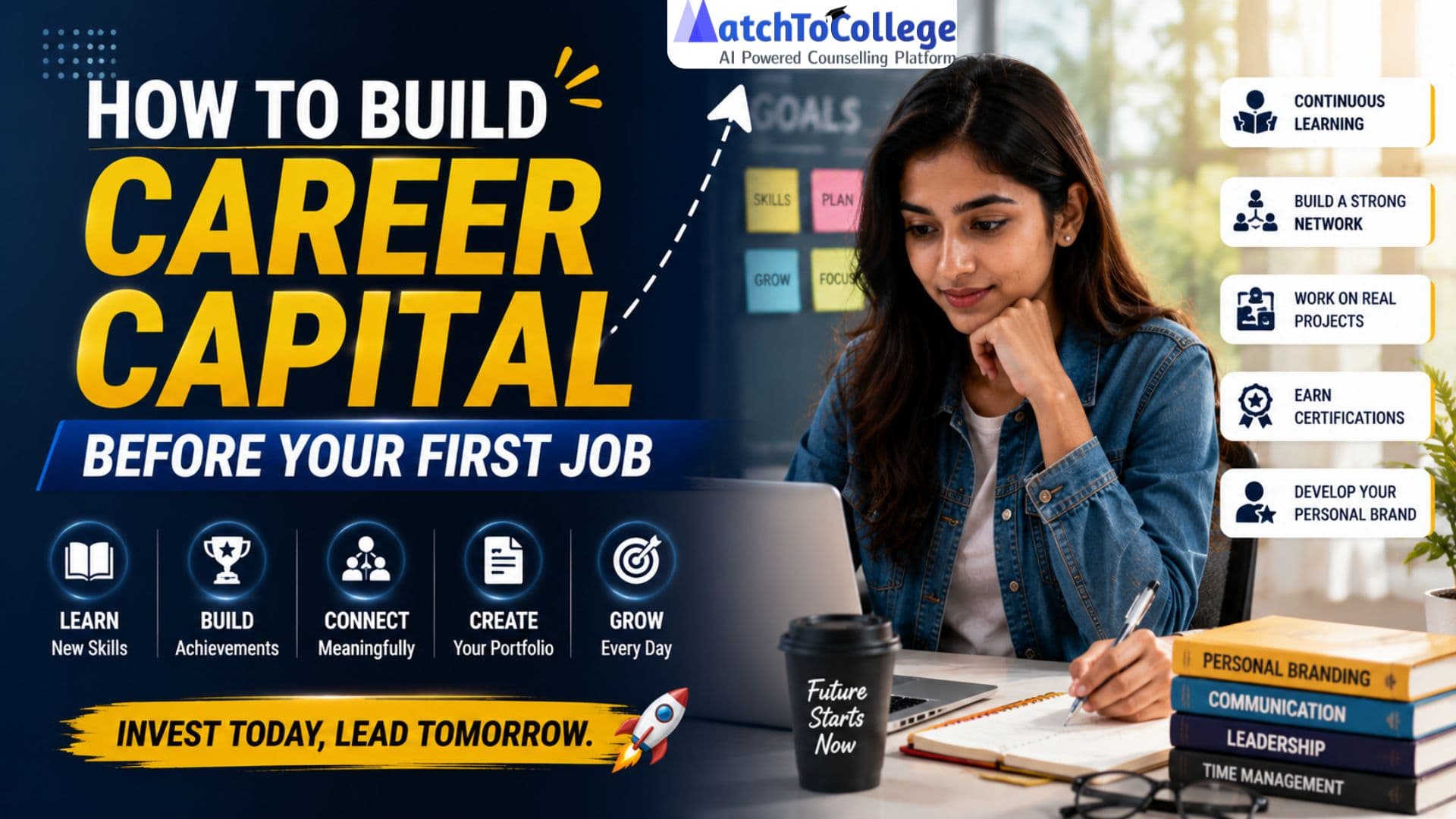
How to build career capital
In today's fiercely competitive job market and higher education landscape, simply having a degree often isn't enough to stand out. Students need to proactively build what's known as career capital – a diverse portfolio of skills, experiences, and professional connections that elevate their profile and open doors to incredible opportunities. This isn't just about landing your first job; it's about laying a robust foundation for a successful and fulfilling professional journey, influencing everything from higher education admissions (like MBA or specialized Masters programs) to early career progression.
Think of career capital as your personal professional equity. The more you invest in it before even entering the full-time workforce, the greater your returns will be. It signals to employers and admissions committees that you are not only capable but also highly motivated, resourceful, and dedicated to your professional development.
This blog post, brought to you by MatchToCollege, your AI-powered higher education counselling platform, will guide you through practical, high-impact strategies to accumulate significant career capital long before you ever apply for your first official job.
From experiential learning opportunities to strategic skill acquisition and professional networking, we'll cover how to transform your student years into a powerful launchpad for your future career. Let's explore how you can cultivate a competitive edge and make informed decisions about your educational and career path with expert guidance.
Unlock Your Potential: Internships, Volunteering & Projects
Experiential learning is arguably the most potent way to build career capital. It's about translating theoretical knowledge into practical skills and real-world impact. While internships are a popular choice, don't overlook other avenues.
| Experience Type | What It Involves | Key Benefits |
| Internships | Seek out internships in your desired field, even if unpaid or part-time. | Offer invaluable industry exposure, mentorship, and an opportunity to apply classroom learning. A well-chosen internship can strengthen your higher education application or first job resume by providing a compelling professional narrative. |
| Volunteering | Volunteer for causes you care about and contribute your time and skills. | Demonstrates initiative, teamwork, and commitment while helping you develop transferable skills such as event planning, fundraising, and digital marketing in a supportive, lower-pressure environment. |
| Personal Projects & Side Gigs | Build a personal app, create a portfolio, start a blog, or take on freelance work. | Showcases your skills, passion, and self-motivation. These initiatives provide tangible evidence of your ability to deliver results, making you a stronger candidate for future jobs and higher education opportunities. |
Each of these experiences provides concrete examples for your resume and interview conversations, highlighting your proactive approach to career readiness.
Cultivate Essential Skills & Knowledge Beyond the Classroom
Your academic curriculum provides foundational knowledge, but building career capital requires a commitment to continuous skill acquisition. Focus on both hard and soft skills that are highly valued in today's job market.
| Skill/Development Area | What It Involves | Key Benefits |
| Hard Skills | Learn relevant software and technical skills such as advanced Excel, Python, SQL, design tools, data analysis, digital marketing, or a second language. Earn certifications through platforms like Coursera, edX, and LinkedIn Learning. | Builds technical expertise and adds quantifiable credentials to your profile, making you more competitive for internships, jobs, and higher education opportunities. |
| Soft Skills | Strengthen communication, problem-solving, critical thinking, adaptability, and teamwork through group projects, debate clubs, leadership roles, and extracurricular activities. | Enhances interpersonal effectiveness, leadership potential, and workplace readiness—qualities highly valued by employers and universities. |
| Mentorship | Connect with experienced professionals in your field who can provide career guidance, industry insights, and advice on skill development. Platforms like MatchToCollege can help identify target industries and mentorship opportunities based on your profile. | Provides personalized guidance, expands your professional network, and helps you make informed career and educational decisions. |
Remember, the goal is not just to acquire skills, but to demonstrate their practical application and impact.
Mastering Professional Networking and Personal Branding
Building a robust network and a strong personal brand are crucial for leveraging your career capital effectively. It’s about who knows you and what they know about your capabilities.
| Professional Development Area | What It Involves | Key Benefits |
| Professional Networking | Attend industry events, career fairs, and connect with professionals on LinkedIn. Build meaningful relationships by engaging with posts, sharing relevant content, and requesting informational interviews. | Expands your professional network, increases access to opportunities and referrals, and provides valuable career advice and industry insights. |
| Building an Online Presence | Create and maintain a professional LinkedIn profile highlighting your skills, experiences, and achievements. Consider developing a personal website or online portfolio to showcase your projects and accomplishments. | Strengthens your personal brand, enhances your professional credibility, and serves as a dynamic digital resume for employers and admissions committees. |
| Thought Leadership | Share your knowledge through blog posts, university publications, articles, or podcasts related to your field of interest. | Demonstrates expertise, passion, and initiative while building your reputation and increasing visibility within your professional community. |
A strong personal brand makes you memorable and reinforces the value you bring, setting you apart as you approach the job market or apply for advanced higher education programs.
Share this Article
FAQFrequently Asked Questions
Q: Why is building career capital important before my first job?
Building career capital before your first job is crucial because it helps you stand out in a competitive market, demonstrates initiative and skill development to employers and admissions committees, provides practical experience, and builds a professional network. It accelerates your career trajectory, opens doors to better opportunities, and enhances your profile for higher education applications like MBA or specialized Masters programs.
Q: How can MatchToCollege help me build career capital?
MatchToCollege, your AI-powered higher education counselling platform, can help you strategize and identify pathways to build career capital. We offer personalized insights into career paths, recommend suitable internships and skill-building courses based on your aspirations, and guide you on crafting a compelling profile for higher education and job applications. Our platform helps you make informed decisions to optimize your pre-job experiences for maximum impact.
Get More Info About Build Career Capital Before Your First Job
Recommended Reading
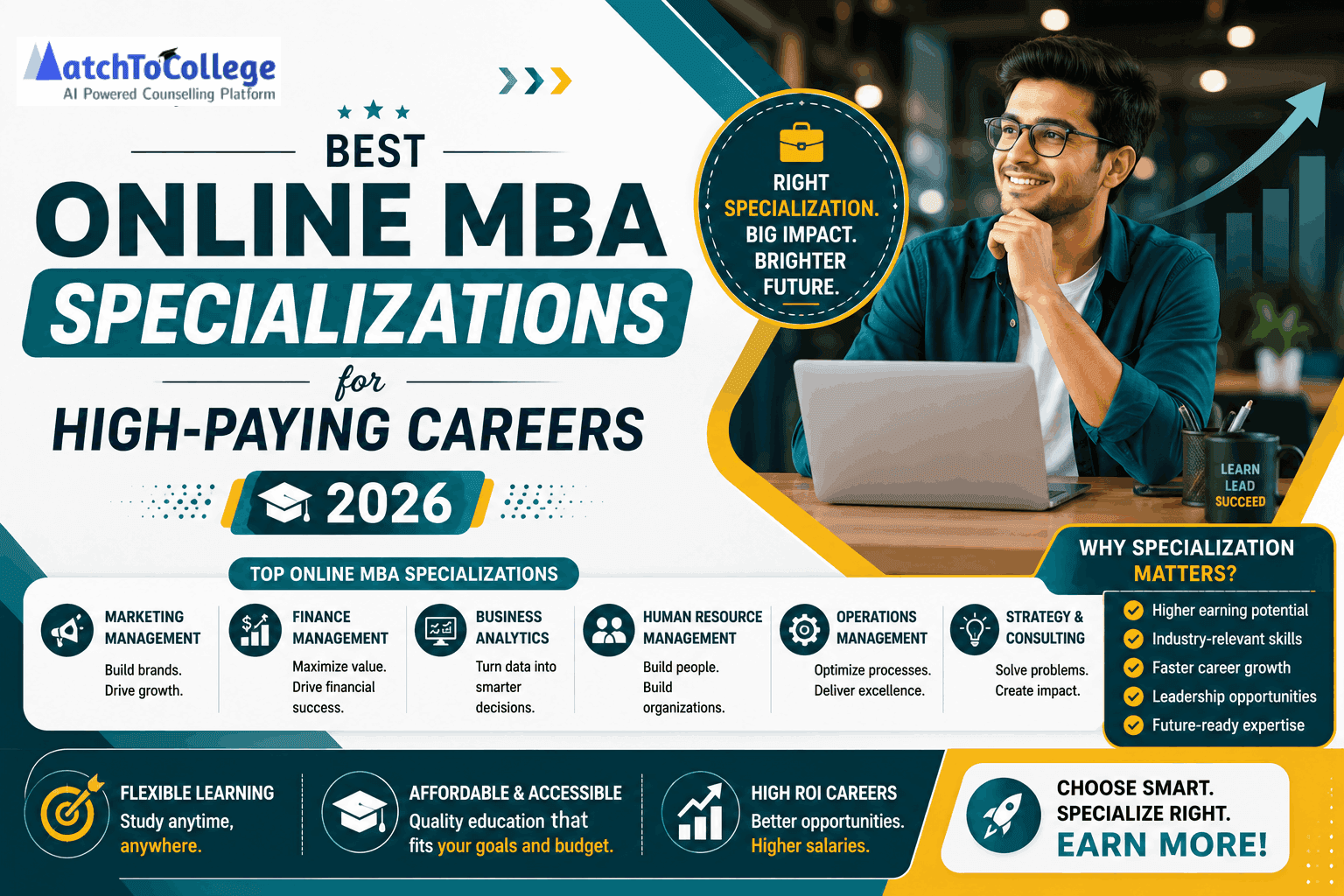
Best Online MBA Specializations for High-Paying Careers 2026
Discover the most lucrative online MBA specializations for 2026-27. Compare ROI, career growth, and use our AI tools to find your perfect management path.
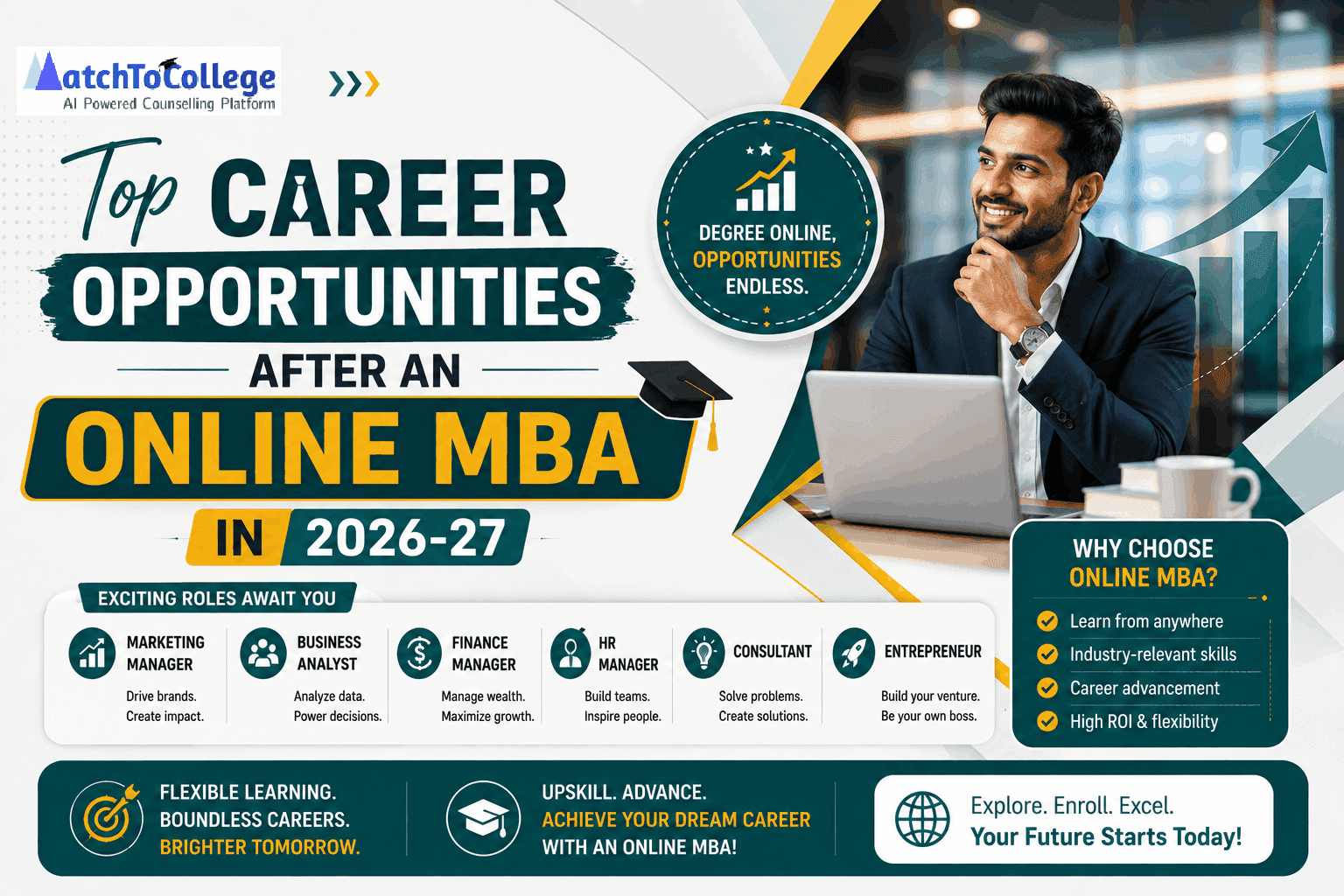
Top Career Opportunities After an Online MBA in 2026-27
Discover high-paying career paths and roles after an online MBA in 2026-27. Explore salary trends, ROI, and tools to navigate your future professional success.
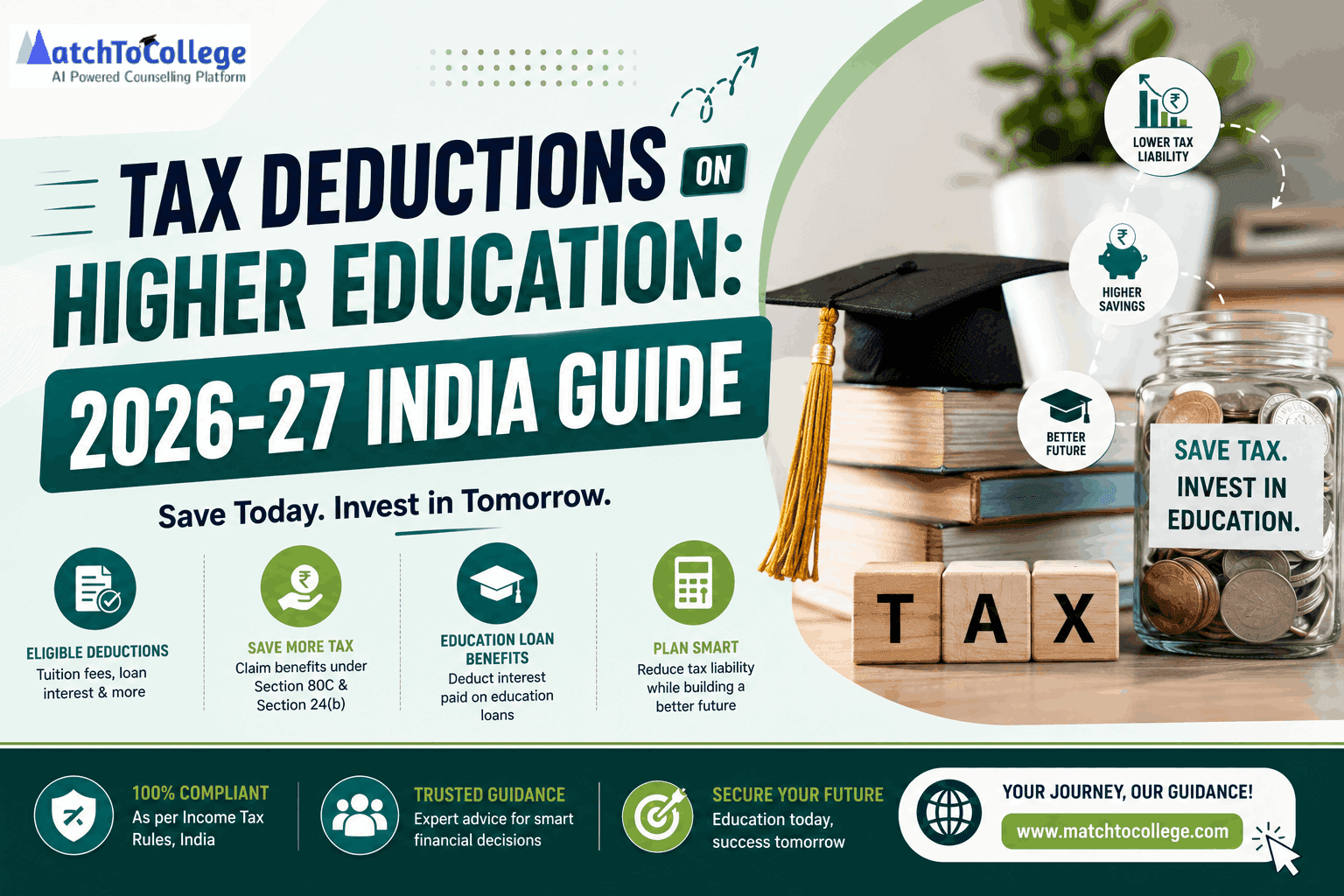
Tax Deductions on Higher Education: 2026-27 India Guide
Maximize your savings with our guide on tax deductions for higher education fees in India for FY 2026-27. Learn about Section 80C, 80E, and upskilling benefits.