

B.Sc & M.Sc Career Opportunities: Your Future in Science
Admission & Info Tools
Need Expert Assistance?
Our counselors can help you with fee structures, eligibility guidelines, and upcoming admission cutoffs instantly.
Direct Application Tools
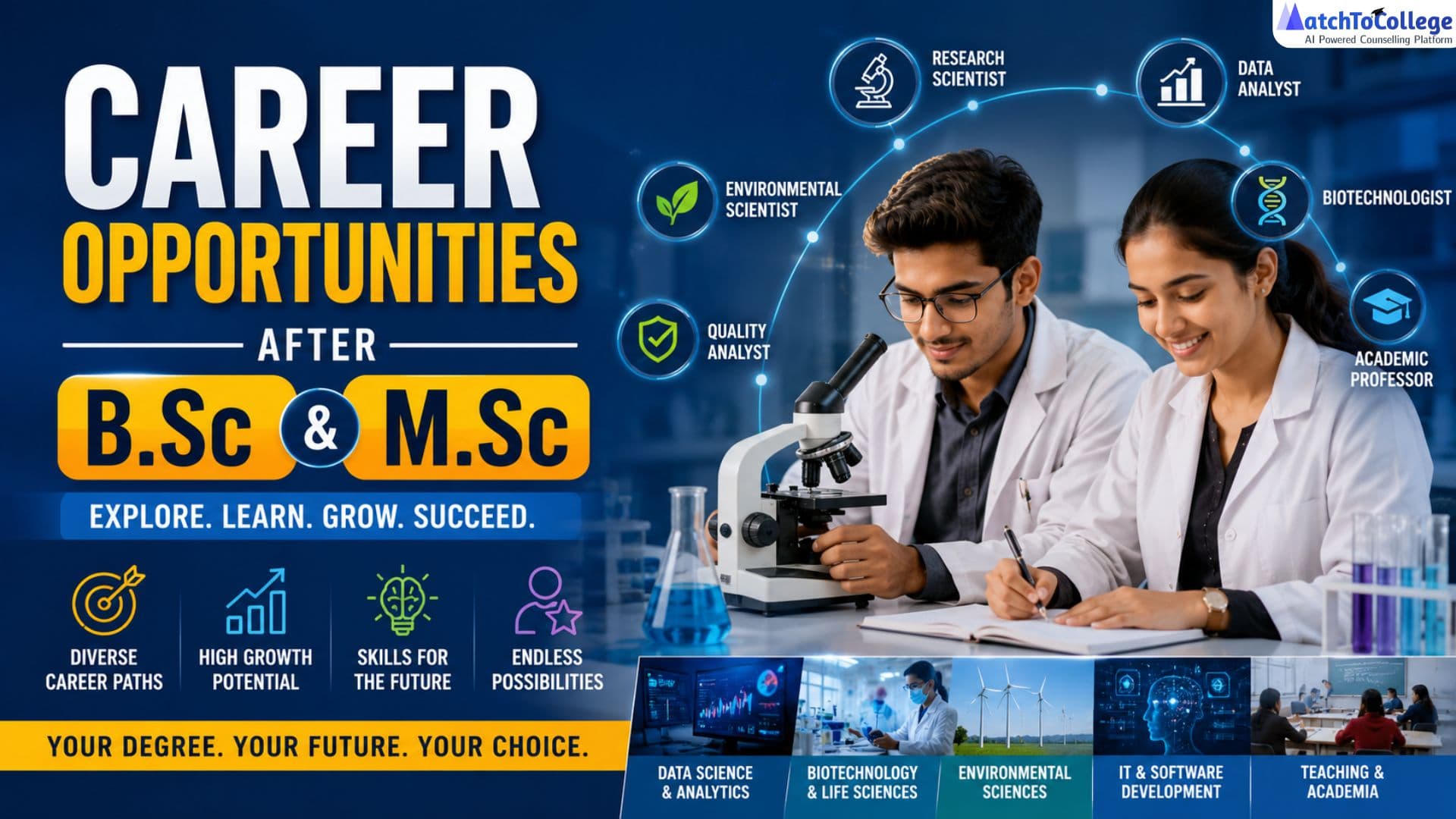
Career Opportunities After B.Sc M.Sc
Completing a Bachelor of Science (B.Sc) or Master of Science (M.Sc) degree is an important milestone that opens the door to a wide range of career opportunities. While many students associate science degrees only with research or laboratory jobs, the reality is much broader. Today, B.Sc and M.Sc graduates are in demand across industries such as healthcare, biotechnology, pharmaceuticals, information technology, environmental science, education, data analytics, and many more.
A science degree equips you with valuable skills like analytical thinking, problem-solving, critical reasoning, research abilities, and technical knowledge. These skills are highly valued by employers and can help you build a successful career in both scientific and non-scientific fields.
Why Science Graduates Are in High Demand
The modern job market is constantly evolving, and organizations are looking for professionals who can think logically, solve complex problems, and adapt to new technologies. Science graduates possess these qualities, making them valuable in a variety of industries.
Some key skills gained through a B.Sc or M.Sc degree include:
- Analytical and critical thinking
- Research and laboratory skills
- Data analysis and interpretation
- Problem-solving abilities
- Technical and scientific knowledge
- Communication and teamwork
- Adaptability and innovation
These skills prepare graduates for careers in both the private and public sectors.
Career Opportunities Beyond Traditional Roles
Today's science graduates have opportunities that extend far beyond laboratories and research centers. Depending on your specialization and interests, you can explore careers in:
- Healthcare and Medical Sciences
- Pharmaceuticals and Biotechnology
- Information Technology (IT)
- Data Science and Artificial Intelligence
- Environmental Science and Sustainability
- Food Technology
- Agriculture and Life Sciences
- Education and Academic Research
- Government Research Organizations
- Quality Assurance and Quality Control
- Clinical Research
- Business Analytics
- Scientific Writing and Technical Communication
Whether you want to work in research, corporate organizations, healthcare, education, or emerging technology sectors, your science degree provides a strong foundation.
Why Career Planning Is Important
Choosing the right career after graduation requires careful planning. Before making a decision, consider:
- Your interests and strengths
- Your preferred work environment
- Future industry demand
- Salary and career growth opportunities
- Higher education options
- Skill development requirements
A well-planned career path can help you achieve long-term professional success.
How MatchToCollege Can Help
At MatchToCollege, we understand that choosing the right career after a B.Sc or M.Sc can be challenging. Our AI-powered higher education and career guidance platform helps students make informed decisions based on their interests, academic background, and career goals.
We help students:
- Explore career opportunities after B.Sc and M.Sc.
- Discover higher education options in India and abroad.
- Compare universities and courses.
- Identify emerging career trends.
- Receive personalized career guidance.
- Make informed decisions for long-term success.
What You'll Learn in This Guide
In this article, we'll cover:
- The best career opportunities after B.Sc and M.Sc.
- Government and private sector job options.
- Higher education opportunities.
- High-demand industries for science graduates.
- Career prospects based on different science specializations.
- Tips for choosing the right career path.
A B.Sc or M.Sc degree is more than just an academic qualification—it's the foundation for a rewarding and future-ready career. With the right skills, career planning, and guidance, science graduates can explore diverse opportunities across multiple industries.
Whether your goal is to become a researcher, data analyst, healthcare professional, scientist, educator, entrepreneur, or technology expert, your science degree provides countless possibilities.
In the following sections, we'll explore the top career options after B.Sc and M.Sc degrees, helping you identify the path that best matches your interests, skills, and long-term career aspirations.
Unlocking Your Potential: Diverse B.Sc Career Paths
A Bachelor of Science (B.Sc) degree provides a strong foundation in scientific knowledge, analytical thinking, and problem-solving skills. It opens the door to a wide range of career opportunities across healthcare, research, technology, education, manufacturing, and environmental sectors.
Career Opportunities After a B.Sc Degree
| Career Option | Role & Responsibilities | Top Industries |
| Laboratory Technician | Conduct experiments, analyze samples, maintain laboratory equipment, and support scientific research. | Healthcare, Diagnostic Labs, Pharmaceuticals, Research Institutes |
| Quality Control (QC) & Quality Assurance (QA) Specialist | Ensure products meet quality standards, safety regulations, and industry requirements through testing and inspection. | Pharmaceuticals, Food Processing, Biotechnology, Manufacturing |
| Data Analyst | Collect, analyze, and interpret data to support business decisions and improve organizational performance. | IT, Finance, Healthcare, Marketing, Business Analytics |
| Science Writer / Science Communicator | Create scientific content, explain complex concepts, and develop educational or technical materials for different audiences. | Media, Publishing, EdTech, Research Organizations |
| Research Assistant | Assist scientists with experiments, data collection, laboratory work, and research documentation. | Universities, Government Research Labs, Private Research Organizations |
| Teaching & Education | Teach science subjects, prepare lesson plans, and guide students in schools or coaching institutes. | Schools, Colleges, Coaching Institutes, Educational Organizations |
| Technical Sales & Marketing | Promote and sell scientific or technical products by combining product knowledge with customer engagement. | Pharmaceuticals, Biotechnology, Medical Devices, Scientific Equipment Companies |
| Environmental Consultant | Work on environmental conservation, pollution control, sustainability projects, and resource management. | Environmental Agencies, Government Departments, NGOs, Consulting Firms |
A B.Sc degree offers much more than traditional laboratory careers. Whether you're interested in research, healthcare, education, technology, business, or environmental science, there are numerous opportunities to build a successful career. You can also pursue higher studies, professional certifications, or specialized training to enhance your skills and expand your career prospects.
Elevating Your Expertise: M.Sc Career Advantages
An M.Sc degree provides advanced knowledge, specialized skills, and deeper expertise in your chosen field. It prepares graduates for high-level careers in research, technology, healthcare, education, and various science-based industries. With an M.Sc, you can access better job opportunities, higher salaries, and faster career growth.
| Career Option | Role & Responsibilities | Top Industries |
| Research & Development (R&D) Scientist | Conduct advanced research, design experiments, develop innovative products, and improve existing technologies or processes. | Pharmaceuticals, Biotechnology, Chemical Industry, Research Organizations |
| Data Scientist / Machine Learning Engineer | Analyze large datasets, build predictive models, and develop AI and machine learning solutions for business and research. | IT, Artificial Intelligence, Finance, Healthcare, Technology Companies |
| Pharmaceutical & Biotechnology Specialist | Work in drug discovery, clinical research, regulatory affairs, quality assurance, and biotechnology product development. | Pharmaceuticals, Biotechnology, Clinical Research Organizations |
| Environmental Scientist / Consultant | Conduct environmental research, assess environmental impacts, develop sustainability strategies, and support conservation projects. | Environmental Consulting Firms, Government Agencies, NGOs, Sustainability Organizations |
| Academia & Higher Education | Teach at colleges or universities, conduct academic research, and pursue a Ph.D. for advanced research careers. | Universities, Colleges, Research Institutions |
| Chemical Scientist / Process Specialist | Develop chemical products, optimize manufacturing processes, ensure quality standards, and support industrial research. | Chemical Industry, Manufacturing, Petrochemicals, Pharmaceuticals |
| Bioinformatics Specialist | Use biology, data science, and computer technology to analyze biological data for genomics, drug discovery, and medical research. | Biotechnology, Healthcare, Genomics, Research Organizations |
| Specialized Consultant | Provide expert advice in scientific fields such as healthcare, agriculture, environmental science, biotechnology, or technology innovation. | Consulting Firms, Government Organizations, Healthcare, Agriculture, Research & Development |
| Clinical Research Associate (CRA) | Manage and monitor clinical trials, ensure regulatory compliance, and support the development of new medicines and treatments. | Clinical Research Organizations (CROs), Pharmaceuticals, Healthcare |
| Quality Assurance (QA) & Regulatory Affairs Manager | Ensure products comply with quality standards and government regulations while maintaining industry certifications. | Pharmaceuticals, Biotechnology, Food Processing, Medical Devices |
An M.Sc degree not only strengthens your subject expertise but also expands your career opportunities across research, industry, healthcare, technology, and academia. Choose a career path that aligns with your interests, skills, and long-term goals, and continue upgrading your knowledge through certifications, research, or higher studies to stay competitive in today's evolving job market.
Strategic Next Steps: Advanced Studies & MatchToCollege Guidance
After completing your B.Sc or M.Sc, you can either start your professional career or continue your education to gain advanced knowledge and better career opportunities. Choosing the right path depends on your interests, career goals, and long-term aspirations.
Higher Education and Career Options
| Option | Description | Career Opportunities |
| Pursue a Ph.D. | A Ph.D. is ideal for students interested in advanced research, innovation, and academic careers. It allows you to become an expert in your chosen field. | University Professor, Research Scientist, Postdoctoral Researcher, Senior R&D Scientist |
| Research & Innovation | Work on scientific discoveries, product development, and technological advancements in research organizations and industries. | Research Scientist, Innovation Manager, Laboratory Head |
| Entrepreneurship | Use your scientific knowledge to launch a startup in biotechnology, healthcare, environmental science, AI, or other emerging sectors. | Startup Founder, Science Entrepreneur, Business Consultant |
| Direct Employment | Enter the workforce after completing your degree and gain practical experience in industry, healthcare, IT, research, or education. | Scientist, Data Analyst, Quality Manager, Clinical Research Associate, Environmental Consultant |
How MatchToCollege Can Help
Choosing the right career or higher education program can be challenging. MatchToCollege uses AI-powered guidance to help students make informed decisions based on their academic background, interests, and career goals.
We help you:
- Find the right postgraduate programs.
- Explore career opportunities after B.Sc and M.Sc.
- Compare colleges and universities.
- Receive personalized career guidance.
- Plan your academic and professional journey with confidence.
Your B.Sc or M.Sc degree is the beginning of an exciting career journey. Whether you choose higher education, research, entrepreneurship, or industry, continuous learning and skill development will help you stay competitive in today's evolving job market. With proper planning and the right guidance, you can build a successful and rewarding career that matches your passion and long-term goals.
Share this Article
FAQFrequently Asked Questions
Q: What are the highest paying jobs after B.Sc?
While salaries vary by field and location, B.Sc graduates with strong analytical skills often find high-paying roles as Data Analysts, Clinical Research Coordinators, or entry-level IT professionals (e.g., Software Developer, if cross-trained). Specialized roles in pharmaceutical sales or environmental consulting can also be lucrative. Further certifications or an M.Sc significantly boost earning potential.
Q: Is an M.Sc degree worth it for career growth?
Absolutely. An M.Sc degree provides specialized knowledge and advanced skills, making graduates highly competitive for R&D positions, senior scientist roles, and academic careers. It often leads to higher starting salaries, faster career progression, and access to leadership opportunities in fields like biotechnology, pharmaceuticals, data science, and specialized environmental science.
Q: Can I pursue non-science careers with a B.Sc or M.Sc degree?
Yes, definitely! Science degrees equip you with highly transferable skills such as critical thinking, problem-solving, data analysis, and research methodology. These skills are valuable in various non-science sectors like finance, consulting, marketing, project management, and government administration. Further short courses or certifications can help bridge any specific knowledge gaps.
Get More Info About B.Sc & M.Sc Career Opportunities
Recommended Reading
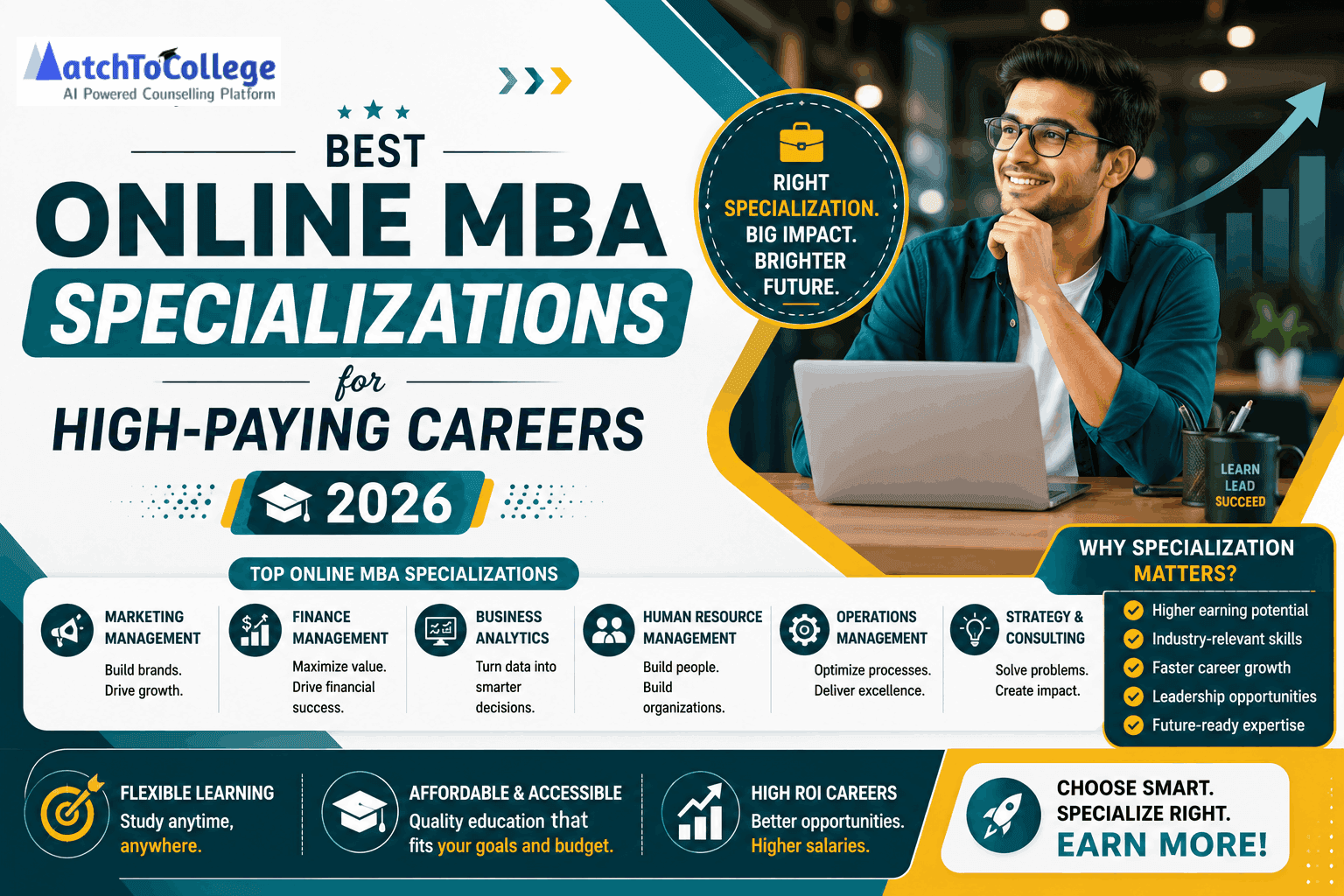
Best Online MBA Specializations for High-Paying Careers 2026
Discover the most lucrative online MBA specializations for 2026-27. Compare ROI, career growth, and use our AI tools to find your perfect management path.
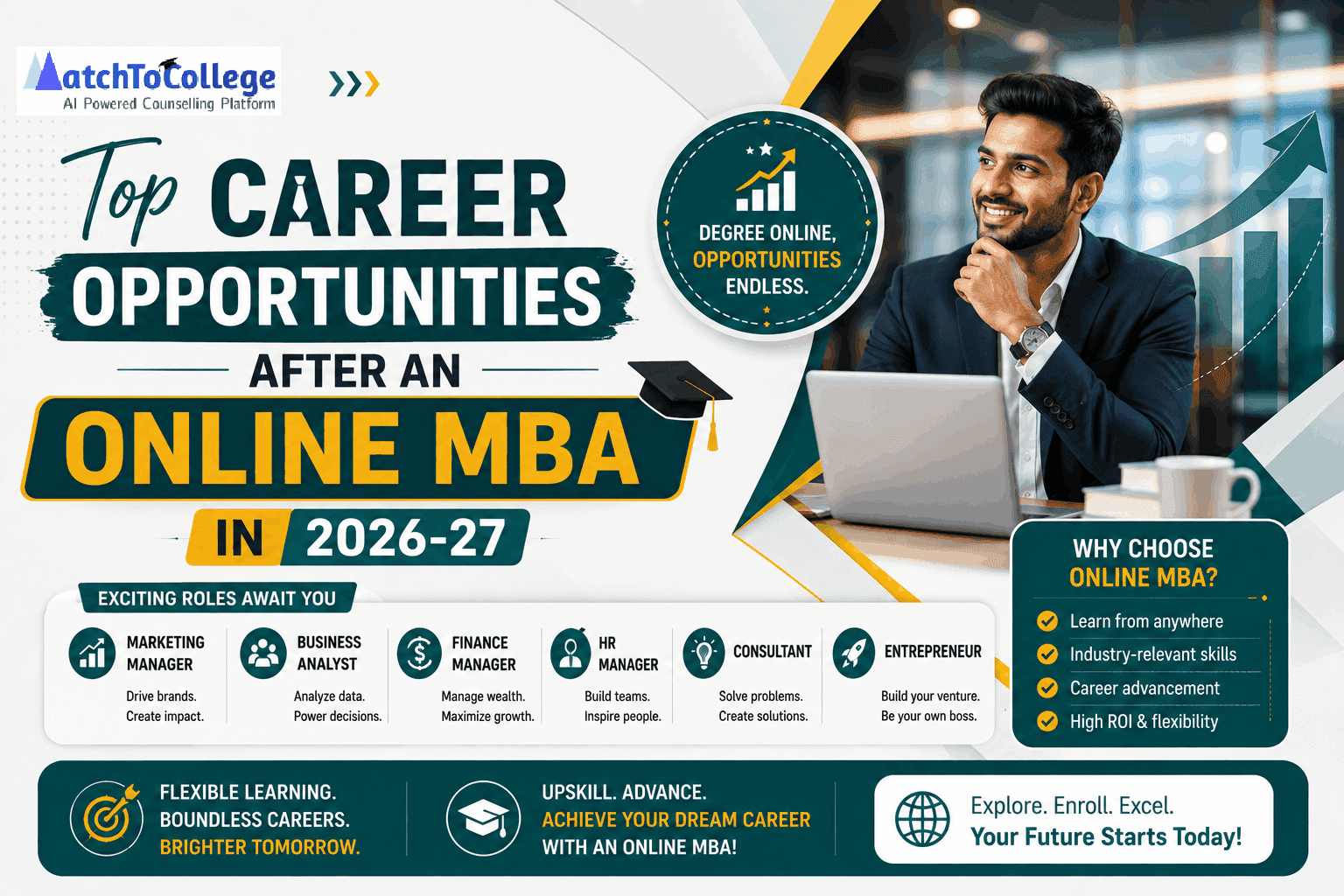
Top Career Opportunities After an Online MBA in 2026-27
Discover high-paying career paths and roles after an online MBA in 2026-27. Explore salary trends, ROI, and tools to navigate your future professional success.
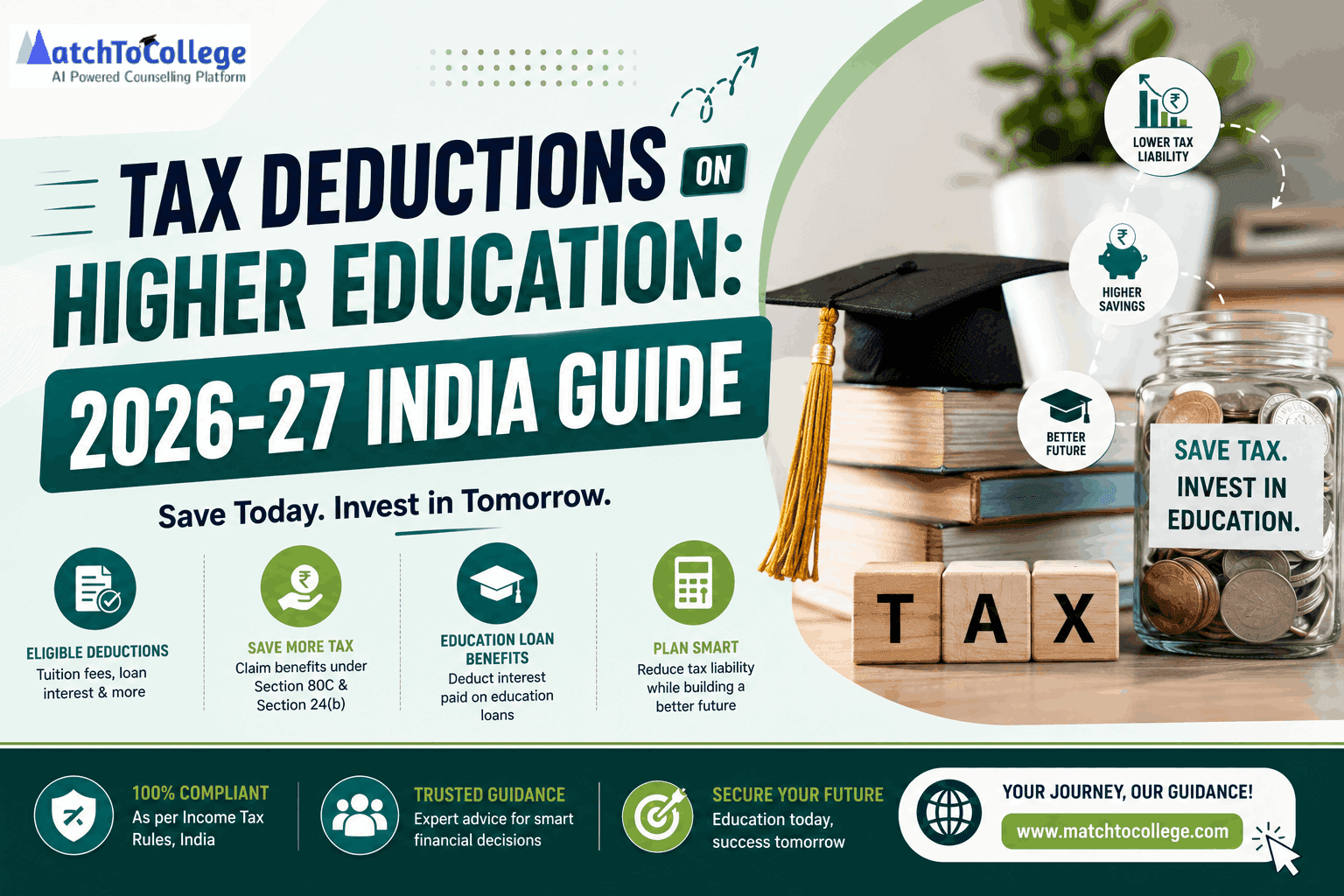
Tax Deductions on Higher Education: 2026-27 India Guide
Maximize your savings with our guide on tax deductions for higher education fees in India for FY 2026-27. Learn about Section 80C, 80E, and upskilling benefits.