

Skills nobody teaches in classrooms but every graduate needs
Admission & Info Tools
Need Expert Assistance?
Our counselors can help you with fee structures, eligibility guidelines, and upcoming admission cutoffs instantly.
Direct Application Tools

Essential skills every graduate needs
Ever wondered what truly sets successful graduates apart in today's competitive landscape? While strong academic performance is undoubtedly important, the reality is that the modern job market demands much more than just textbook knowledge. Many of the most crucial abilities, often referred to as soft skills or transferable skills, are rarely explicitly taught within the traditional classroom setting.
Students spend years mastering complex theories, intricate equations, and historical facts, yet often find themselves unprepared for the nuanced challenges of professional life. Employers consistently cite a gap in critical skills like problem-solving, effective communication, and adaptability among new hires. This isn't a failing of the students themselves, but rather a reflection of an educational system that historically prioritizes rote learning over practical application and interpersonal development.
That's why the blog shedding light on the indispensable skills that nobody teaches in classrooms, but every graduate absolutely needs to thrive in the real world.
Understanding and proactively developing these skills can give you a significant edge, transforming you from a knowledgeable graduate into a highly sought-after professional. Let's explore these vital attributes that will future-proof your career and unlock your full potential.
Critical Thinking & Problem Solving (Beyond Theory)
In an era of information overload, the ability to simply recall facts is far less valuable than the capacity to analyze, synthesize, and apply that information to solve novel problems. Critical thinking isn't about knowing the answers; it's about knowing how to find them, evaluate their validity, and make informed decisions. Classrooms often present problems with clear solutions, but the real world is messy, filled with ambiguous challenges that require creative and strategic approaches.
Graduates need to be able to dissect complex issues, identify underlying causes, brainstorm innovative solutions, and assess potential outcomes. This involves asking the right questions, challenging assumptions, and being open to different perspectives. Developing this skill means moving beyond memorization to genuine understanding and the practical application of knowledge. It’s the cornerstone of effective decision-making and essential for navigating any professional role, from engineering to medicine, or business management.
Communication & Networking: Your Career Superpowers
No matter your chosen field, effective communication skills are non-negotiable. This encompasses more than just public speaking; it includes clear and concise written communication (emails, reports, proposals), active listening, non-verbal cues, and the ability to articulate complex ideas to diverse audiences. Misunderstandings due to poor communication can derail projects, damage relationships, and hinder career progression.
Equally important is networking – the art of building and maintaining professional relationships. While often perceived as a daunting task, networking is simply about connecting with people, learning from their experiences, and exploring potential collaborations. It's how opportunities are discovered, mentors are found, and careers are advanced. Colleges provide excellent environments for initial connections, but true networking extends far beyond campus, opening doors that academic achievements alone might not.
Adaptability & Resilience: Navigating Constant Change
The only constant in today's world is change. Industries evolve rapidly, technologies emerge and disrupt, and global events can shift priorities overnight. Graduates who thrive are those with high adaptability – the capacity to adjust to new situations, learn new skills quickly, and embrace uncertainty. Sticking rigidly to what you know is a recipe for being left behind.
Coupled with adaptability is resilience: the ability to bounce back from setbacks, learn from failures, and persevere through challenges. Academic life can be demanding, but professional life often brings unique pressures, rejections, and unexpected obstacles. Developing a resilient mindset means viewing challenges as opportunities for growth, maintaining a positive outlook, and having the emotional intelligence to manage stress effectively. These skills are vital for long-term career satisfaction and success, allowing you to not just survive but flourish in dynamic environments.
Share this Article
FAQFrequently Asked Questions
Q: Why aren't these essential skills typically taught in traditional classrooms?
Traditional education systems primarily focus on academic content, subject-specific knowledge, and standardized assessments. Developing soft skills like critical thinking, communication, and adaptability requires experiential learning, personalized feedback, and real-world scenarios that are difficult to replicate in large classroom settings or integrate into a fixed curriculum.
Q: How can students develop these crucial skills outside of their college coursework?
Students can develop these skills through various avenues: participating in internships or co-op programs, engaging in volunteer work, joining student clubs or leadership roles, undertaking personal projects, seeking mentorship, practicing public speaking, taking online courses focused on soft skills, and actively seeking feedback on their communication and problem-solving approaches. MatchToCollege also helps identify programs that foster holistic development.
Get More Info About Skills nobody teaches in classrooms but every graduate needs
Recommended Reading
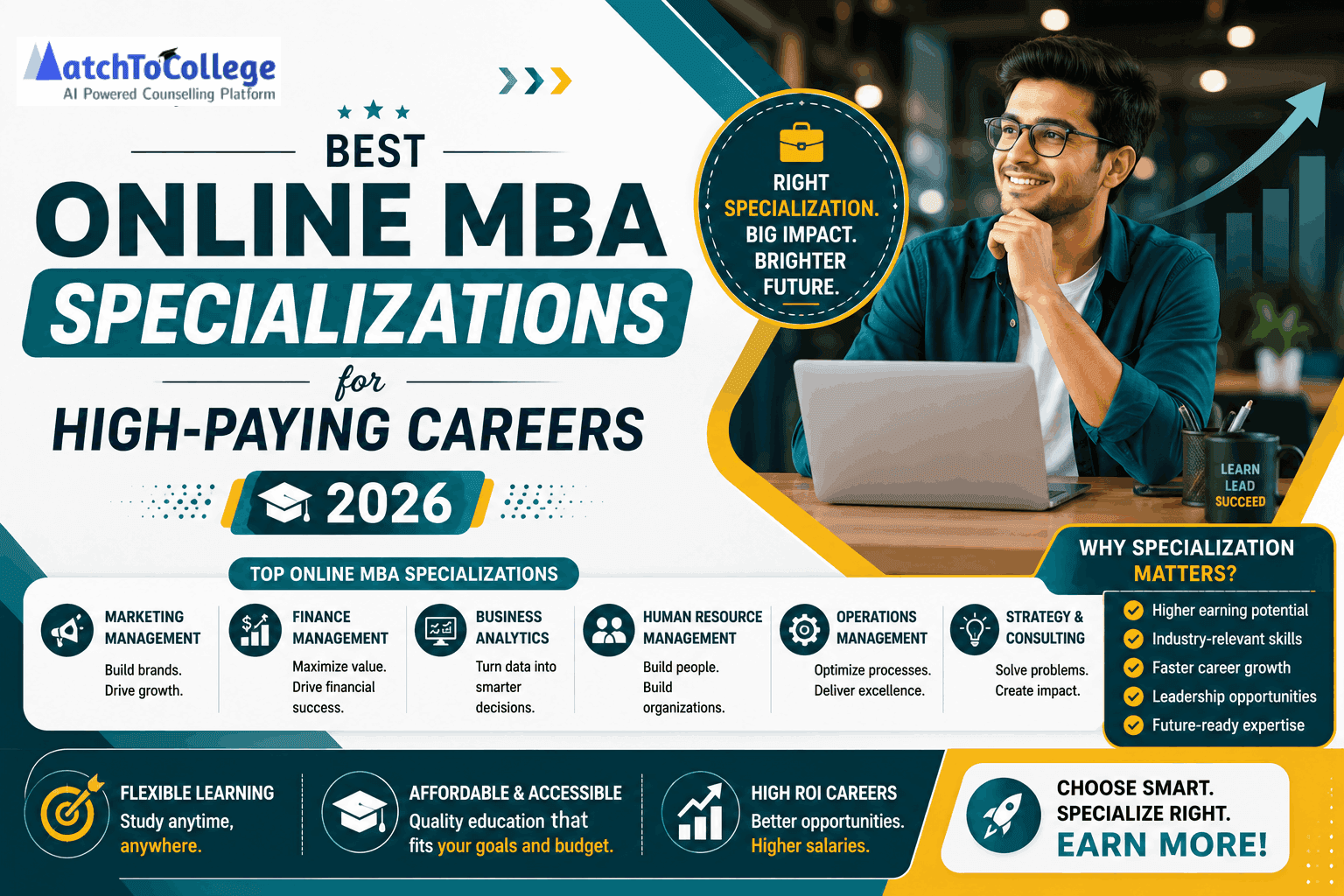
Best Online MBA Specializations for High-Paying Careers 2026
Discover the most lucrative online MBA specializations for 2026-27. Compare ROI, career growth, and use our AI tools to find your perfect management path.
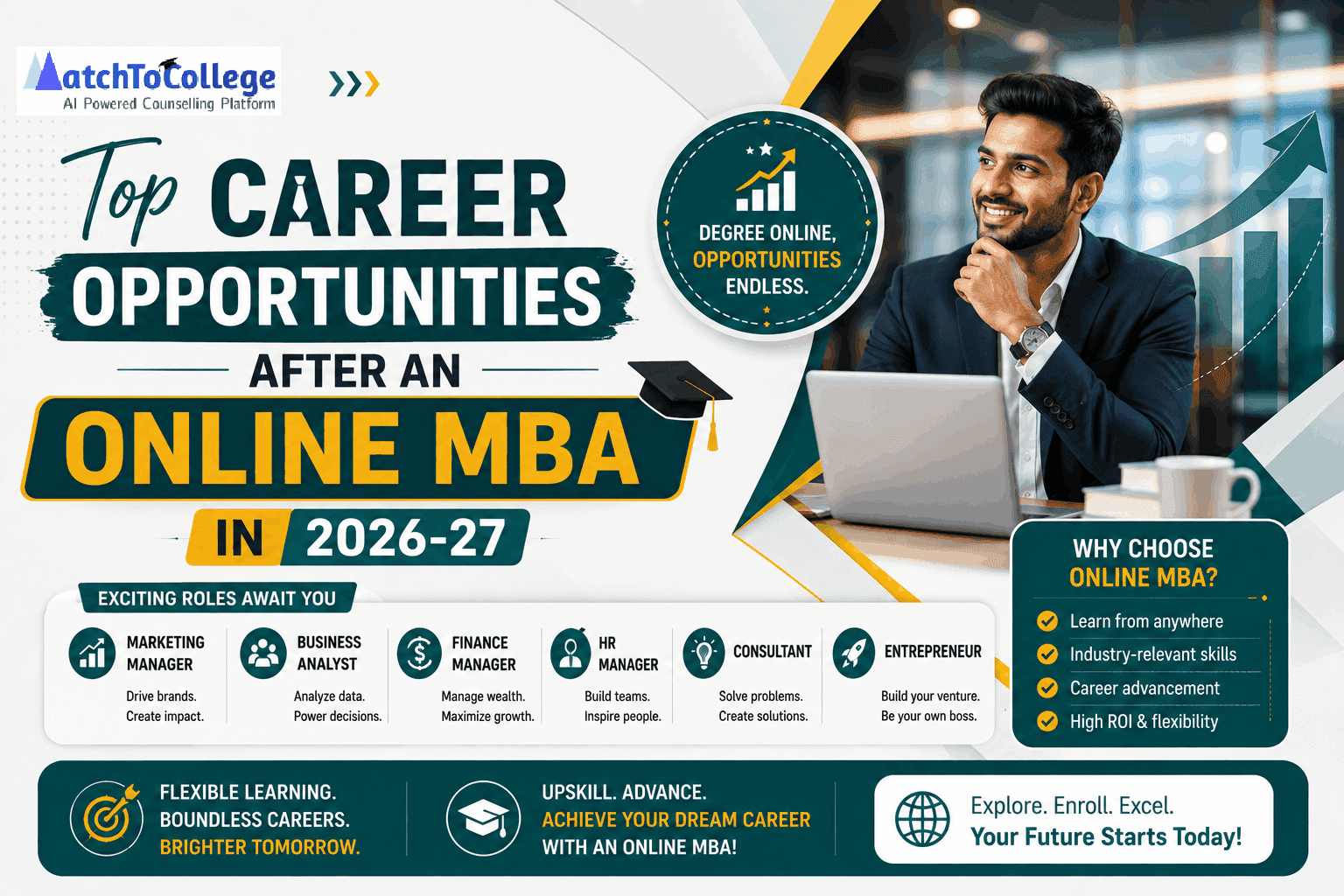
Top Career Opportunities After an Online MBA in 2026-27
Discover high-paying career paths and roles after an online MBA in 2026-27. Explore salary trends, ROI, and tools to navigate your future professional success.
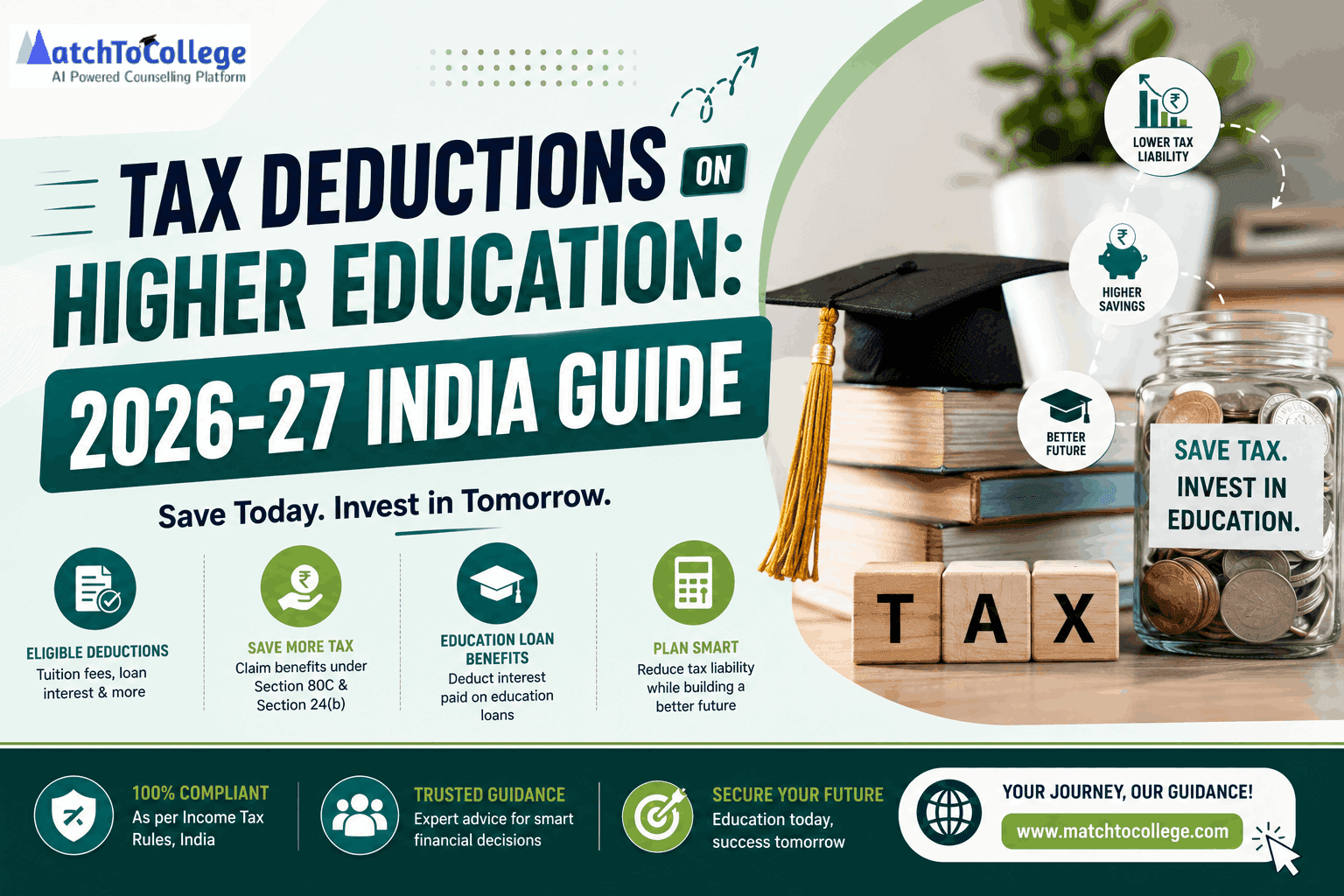
Tax Deductions on Higher Education: 2026-27 India Guide
Maximize your savings with our guide on tax deductions for higher education fees in India for FY 2026-27. Learn about Section 80C, 80E, and upskilling benefits.