

Beyond MBA: Skills Employers Really Value in 2024
Admission & Info Tools
Need Expert Assistance?
Our counselors can help you with fee structures, eligibility guidelines, and upcoming admission cutoffs instantly.
Direct Application Tools
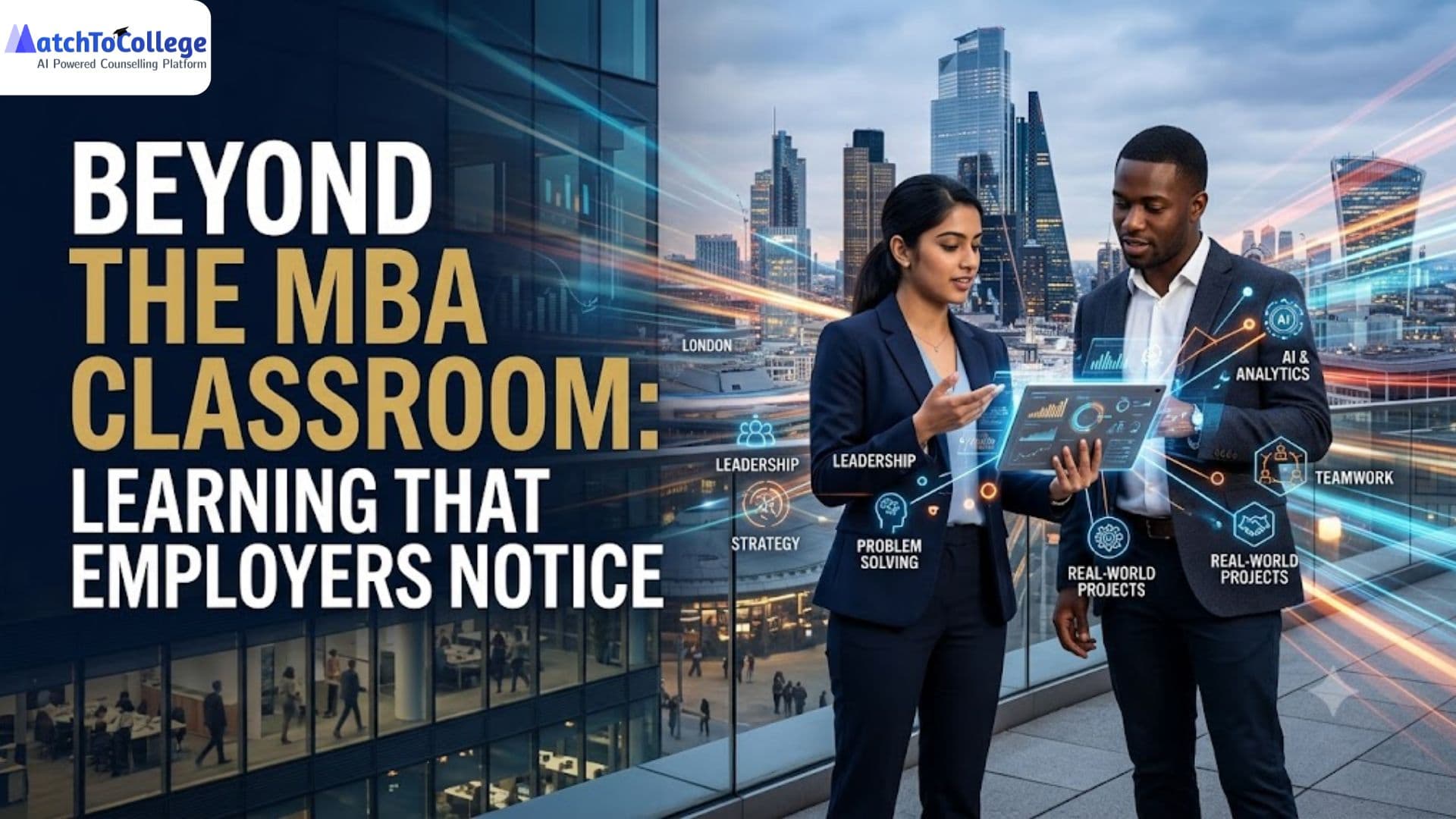
MBA skills in real action.
In today's highly competitive job market, earning an MBA or graduating from a prestigious university is no longer enough to guarantee career success. While academic qualifications remain important, employers increasingly evaluate candidates based on what they can contribute beyond their degree. Organizations seek professionals who combine strong theoretical knowledge with practical experience, adaptability, leadership, and the ability to solve real business challenges.
As industries continue to evolve through digital transformation, artificial intelligence, and changing business models, hiring decisions are increasingly influenced by an individual's ability to learn continuously, collaborate effectively, and deliver measurable results. This means that the most successful candidates are often those who invest in developing skills and experiences outside the classroom.
The real differentiator is what many experts call the "invisible curriculum"—the collection of practical skills, industry exposure, leadership experiences, and professional competencies that are rarely taught in traditional academic programs but are highly valued by employers.
Whether you're pursuing an MBA, preparing for graduate school, or planning your first professional role, understanding what employers truly look for can help you build a stronger, future-ready profile.
This guide explores the learning experiences and professional qualities that make candidates stand out and explains how MatchToCollege helps students develop both academic excellence and career readiness through personalized, AI-powered guidance.
Why Employers Look Beyond Degrees
| What Employers Evaluate | Why It Matters |
| Practical Experience | Demonstrates your ability to apply knowledge in real-world situations. |
| Problem-Solving Skills | Shows you can analyze challenges and develop effective solutions. |
| Leadership Potential | Indicates readiness to manage teams, projects, and organizational change. |
| Adaptability | Reflects your ability to learn and succeed in rapidly changing environments. |
| Communication & Collaboration | Essential for working across teams, departments, and global organizations. |
| Continuous Learning | Signals curiosity, initiative, and commitment to professional growth. |
The "Invisible Curriculum"
| Learning Area | Career Value |
| Internships & Live Projects | Provide hands-on industry experience and strengthen your resume. |
| Leadership Experiences | Build decision-making, team management, and strategic thinking abilities. |
| Professional Certifications | Demonstrate specialized knowledge in emerging fields and technologies. |
| Networking & Mentorship | Create opportunities for career guidance, referrals, and professional growth. |
| Personal Projects & Portfolios | Showcase initiative, creativity, and practical problem-solving capabilities. |
| Industry Workshops & Competitions | Develop real-world skills while increasing professional exposure. |
How MatchToCollege Helps You Stand Out
| Feature | How It Supports Career Success |
| AI-Powered Career Guidance | Identifies career paths aligned with your interests, strengths, and long-term goals. |
| Personalized Program Matching | Recommends higher education programs that support your desired career trajectory. |
| Skill Gap Analysis | Highlights competencies employers expect and suggests ways to develop them. |
| Career Readiness Roadmaps | Provides step-by-step guidance for building a competitive professional profile. |
| Industry Insights | Keeps you informed about hiring trends, emerging skills, and evolving job market demands. |
A degree may open the first door, but long-term career success depends on much more than academic credentials. Employers increasingly seek individuals who demonstrate initiative, leadership, practical experience, continuous learning, and the ability to create value in real-world settings.
By combining a strong educational foundation with meaningful experiences and future-focused skills, students can distinguish themselves in an increasingly competitive global workforce.
With personalized guidance from MatchToCollege, you can move beyond simply earning a qualification and build a career profile that reflects both academic excellence and professional readiness—preparing you not just for your first job, but for lifelong success.
The Evolving Landscape: Why Degrees Aren't Enough
The traditional perception that a prestigious degree guarantees a stellar career is rapidly becoming outdated. While an MBA from a top-tier institution signals intelligence and dedication, the modern job market is characterized by rapid technological advancements, global interconnectedness, and dynamic industry shifts. Employers face a growing skills gap, often finding that graduates, despite their academic prowess, lack the practical application capabilities and critical soft skills needed to hit the ground running. This has led to a fundamental re-evaluation of employer expectations.
Today's recruitment teams aren't just checking boxes on academic credentials; they're scrutinizing résumés for evidence of real-world impact, leadership potential, and the ability to adapt to complex challenges. They seek individuals who can seamlessly integrate into teams, innovate under pressure, and drive tangible results. The focus has shifted from 'what you know' to 'what you can do' with what you know. This emphasizes the importance of going beyond textbook knowledge and actively seeking opportunities to apply learning in practical settings. Understanding these recruitment trends is crucial for any student aiming for career success.
Mastering the “Invisible Curriculum”: Skills That Speak Volumes
Beyond academic theories, a suite of 'invisible' yet powerful skills often determines professional success. These are the soft skills that enable effective collaboration, decisive action, and sustained growth. Top employers consistently rank these competencies as highly as, if not more than, technical expertise. Key among these are:
| Essential Skill | Why Employers Value It | Career Impact |
| Critical Thinking & Problem-Solving | Enables professionals to analyze complex situations, identify root causes, and develop effective, innovative solutions. | Supports better decision-making, strategic planning, and business innovation across industries. |
| Communication Skills | Strong verbal and written communication, active listening, and presentation skills help professionals collaborate effectively and influence stakeholders. | Improves teamwork, leadership effectiveness, client relationships, and career advancement. |
| Adaptability & Resilience | The ability to embrace change, learn new technologies, and recover quickly from challenges is essential in today's evolving workplace. | Helps professionals remain relevant, navigate uncertainty, and succeed in dynamic work environments. |
| Leadership Development | Demonstrating initiative, motivating teams, managing projects, and driving results reflects strong leadership potential at every career stage. | Opens opportunities for managerial roles, career progression, and organizational impact. |
| Emotional Intelligence (EQ) | Understanding and managing emotions while building strong interpersonal relationships enhances collaboration and workplace effectiveness. | Strengthens team dynamics, conflict resolution, employee engagement, and leadership success. |
Cultivating these interpersonal skills requires intentional effort and goes far beyond what can be taught in a lecture hall. It involves self-reflection, seeking feedback, and actively participating in diverse group settings.
Real-World Experience: The Ultimate Differentiator
While theory provides the framework, it's experiential learning that solidifies understanding and builds confidence. Employers are eager to see how you've applied your knowledge in practical scenarios. This goes beyond traditional internships, encompassing a variety of avenues:
- Internships & Co-ops: Direct professional experience remains a gold standard, offering insight into industry operations and networking opportunities.
- Capstone Projects & Case Competitions: These simulate real business challenges, allowing you to demonstrate problem-solving and strategic thinking in a structured environment.
- Volunteer Work & Community Engagement: Contributing to non-profits or community initiatives can develop leadership, project management, and empathy, often in resource-constrained settings.
- Entrepreneurial Ventures: Starting your own project, no matter how small, showcases initiative, risk-taking, and a holistic understanding of business operations.
- Freelancing & Consultancy: Taking on freelance gigs allows you to build a diverse professional portfolio and develop client management skills.
These experiences not only provide concrete examples for your resume but also significantly contribute to your career readiness and professional network. For personalized guidance on finding relevant experiential learning opportunities, MatchToCollege's AI-powered platform can connect you with resources and programs tailored to your aspirations.
Share this Article
FAQFrequently Asked Questions
Q: What are the most in-demand soft skills employers look for today?
Employers highly value critical thinking, problem-solving, strong communication (both written and verbal), adaptability, leadership, and emotional intelligence. These skills enable effective teamwork, foster innovation, and help navigate complex business challenges in any industry.
Q: How can I gain practical experience if I'm still studying or haven't secured an internship?
Beyond formal internships, consider volunteering for relevant causes, undertaking freelance projects, participating in university-led case competitions, initiating personal projects, or seeking mentorship opportunities. AI platforms like MatchToCollege can also help identify and recommend experiential learning opportunities that align with your career goals and skill development, providing pathways to build a strong professional portfolio.
Get More Info About Beyond MBA
Recommended Reading
Best Online MBA Specializations for High-Paying Careers 2026
Discover the most lucrative online MBA specializations for 2026-27. Compare ROI, career growth, and use our AI tools to find your perfect management path.
Top Career Opportunities After an Online MBA in 2026-27
Discover high-paying career paths and roles after an online MBA in 2026-27. Explore salary trends, ROI, and tools to navigate your future professional success.
Tax Deductions on Higher Education: 2026-27 India Guide
Maximize your savings with our guide on tax deductions for higher education fees in India for FY 2026-27. Learn about Section 80C, 80E, and upskilling benefits.