

Avoid College Scams: 5 Red Flags of Fake Counselors
Admission & Info Tools
Need Expert Assistance?
Our counselors can help you with fee structures, eligibility guidelines, and upcoming admission cutoffs instantly.
Direct Application Tools

Avoid College Scams
The journey to higher education is exhilarating, filled with dreams of academic growth and future success. However, in this competitive landscape, a troubling trend has emerged: the rise of predatory and fake admissions counselors. These scam artists exploit the hopes and anxieties of students and parents, promising shortcuts to coveted universities or exclusive scholarships, often leaving victims with nothing but shattered dreams and significant financial losses.
Navigating the complex college admissions process requires genuine guidance and ethical support. Unfortunately, the allure of a guaranteed spot or a quick path to a top-tier institution can make distinguishing between legitimate advisors and fraudulent schemes incredibly challenging. With so much at stake—your financial investment, your personal data, and ultimately, your academic future—it's more critical than ever to be vigilant.
At MatchToCollege, we believe every student deserves honest, data-driven, and personalized advice. Our AI-powered platform provides transparent and ethical guidance, helping you find your perfect college fit without the hidden dangers. To empower you further, we've identified 5 crucial red flags that can help you spot and avoid fake admissions counselors, ensuring your higher education journey is safe, secure, and successful. Protect yourself, your aspirations, and your wallet by understanding these key indicators of deceit.
Red Flag 1: Guaranteed Admission or Scholarships
This is perhaps the biggest and most obvious red flag. No legitimate college counselor or institution can guarantee admission to any university, especially not to highly selective programs like MBA, Engineering, or Medical schools. Admissions are complex, multi-faceted decisions based on academic records, essays, recommendations, and countless other factors. Similarly, be wary of anyone who guarantees you a scholarship without any application process or based solely on a payment. Real scholarships are merit-based or need-based and require rigorous application and vetting. Promises like 'We guarantee you'll get into Harvard' or 'Pay X and receive a full scholarship' are almost certainly fraudulent.
Red Flag 2: Demands for Upfront 'Fees' or Secret Information
Legitimate educational consultants charge for their time and services, which are clearly defined and transparent. However, fake counselors often demand unusual upfront fees for 'exclusive access,' 'secret applications,' or 'expedited processing' that don't exist. They might ask for large sums of money for a 'special list' of colleges that will accept you or for direct 'bribes' to admissions officers. Beware also if they request highly sensitive personal information beyond what's typically needed for applications, such as your bank account passwords, Social Security Number (beyond FAFSA/CSS Profile needs), or other financial details that have no relevance to college applications. Always question why certain information is being requested and ensure it aligns with standard application procedures.
Red Flag 3: Lack of Transparency and Verifiable Credentials
A trustworthy admissions counselor will be transparent about their background, qualifications, and affiliations. They should readily provide their credentials, client testimonials, and proof of membership in professional organizations like the Independent Educational Consultants Association (IECA) or the National Association for College Admission Counseling (NACAC). Fake counselors often operate with vague descriptions of their 'expertise,' lack verifiable degrees or certifications, or provide only anonymous, untraceable references. If a counselor avoids answering direct questions about their experience, cannot provide references, or has no online presence beyond a basic, unprofessional website, it's a major warning sign. Always do your due diligence and independently verify any claims they make.
Red Flag 4: High-Pressure Sales Tactics and Time-Sensitive Offers
Predatory counselors often employ aggressive sales tactics, creating a sense of urgency to force quick decisions. They might say, 'This offer is only valid for the next 24 hours' or 'If you don't sign up now, you'll miss your chance at a top college.' Legitimate college counseling is a collaborative, thoughtful process that respects your timeline and decision-making. There should never be immense pressure to commit on the spot or fear-mongering about missing out on opportunities if you don't act immediately. Any advisor who prioritizes a quick sale over your comprehensive understanding and comfort is likely more interested in your money than your success.
Red Flag 5: Generic Advice or Over-Promising Specific Outcomes
While some general advice is helpful, a good admissions counselor provides personalized guidance tailored to your unique academic profile, extracurriculars, career aspirations, and financial situation. Fake counselors often offer generic, one-size-fits-all advice that could be found with a simple Google search. They might over-promise specific outcomes ('You'll definitely get into an Ivy League with our help, regardless of your grades') without delving deeply into your individual strengths and weaknesses. A genuine counselor will work with you to identify suitable colleges based on your unique fit, help you craft compelling applications, and manage expectations realistically, understanding the competitive nature of admissions rather than making unrealistic guarantees.
How MatchToCollege Protects You: Your Trusted Partner in Higher Ed
At MatchToCollege, we're committed to providing transparent, ethical, and highly personalized higher education counseling. Our AI-powered platform matches you with the best-fit colleges and programs (MBA, Engineering, Medical, Study Abroad, etc.) based on your unique profile, academic strengths, and career goals. We offer data-driven insights, application guidance, and scholarship information—all designed to empower you to make informed decisions without the fear of scams. Choose a partner that puts your success and security first. Explore a world of opportunities confidently with MatchToCollege.
Share this Article
FAQFrequently Asked Questions
Q: How can I verify a college counselor's legitimacy?
Check for professional affiliations with recognized bodies like IECA or NACAC. Look for online reviews, client testimonials, and a transparent professional website. Don't hesitate to ask for references from past clients.
Q: What should I do if I encounter a suspicious admissions counselor?
Do not share any personal or financial information. Cease all communication with them immediately. Report them to consumer protection agencies, the Better Business Bureau, or relevant educational oversight bodies in your region.
Q: Are free college counseling services always trustworthy?
Not always. While many legitimate organizations (like high school counselors or non-profits) offer free assistance, exercise caution. Verify their funding sources, track record, and credentials. Some 'free' services might be a front for data harvesting or upselling other dubious services.
Q: What kind of services should a legitimate college counselor offer?
Legitimate counselors offer personalized services including college list creation, application review, essay brainstorming and editing, interview preparation, financial aid guidance, and career path exploration, all tailored to the student's individual profile and goals.
Get More Info About Avoid College Scams
Recommended Reading
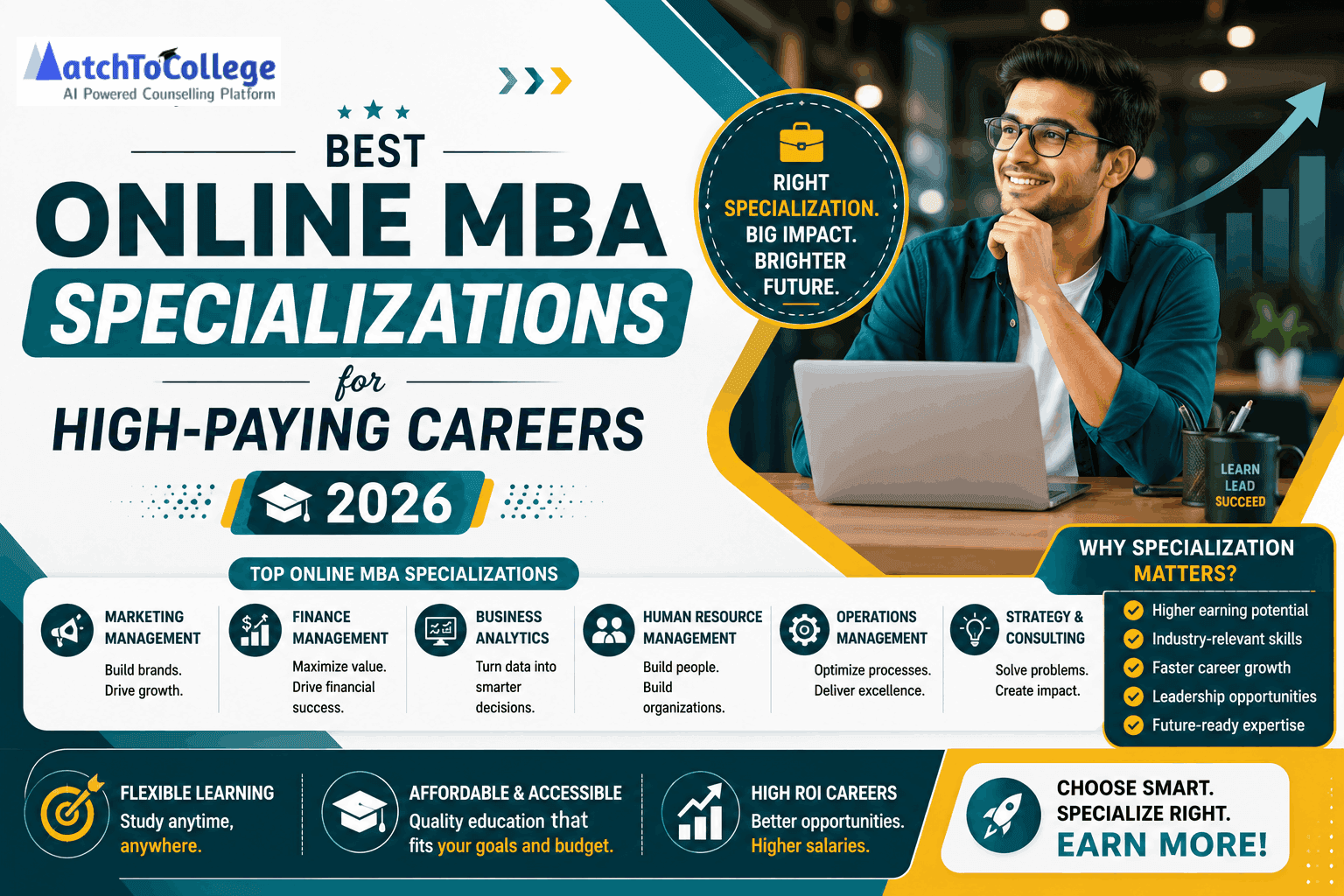
Best Online MBA Specializations for High-Paying Careers 2026
Discover the most lucrative online MBA specializations for 2026-27. Compare ROI, career growth, and use our AI tools to find your perfect management path.

Top Career Opportunities After an Online MBA in 2026-27
Discover high-paying career paths and roles after an online MBA in 2026-27. Explore salary trends, ROI, and tools to navigate your future professional success.
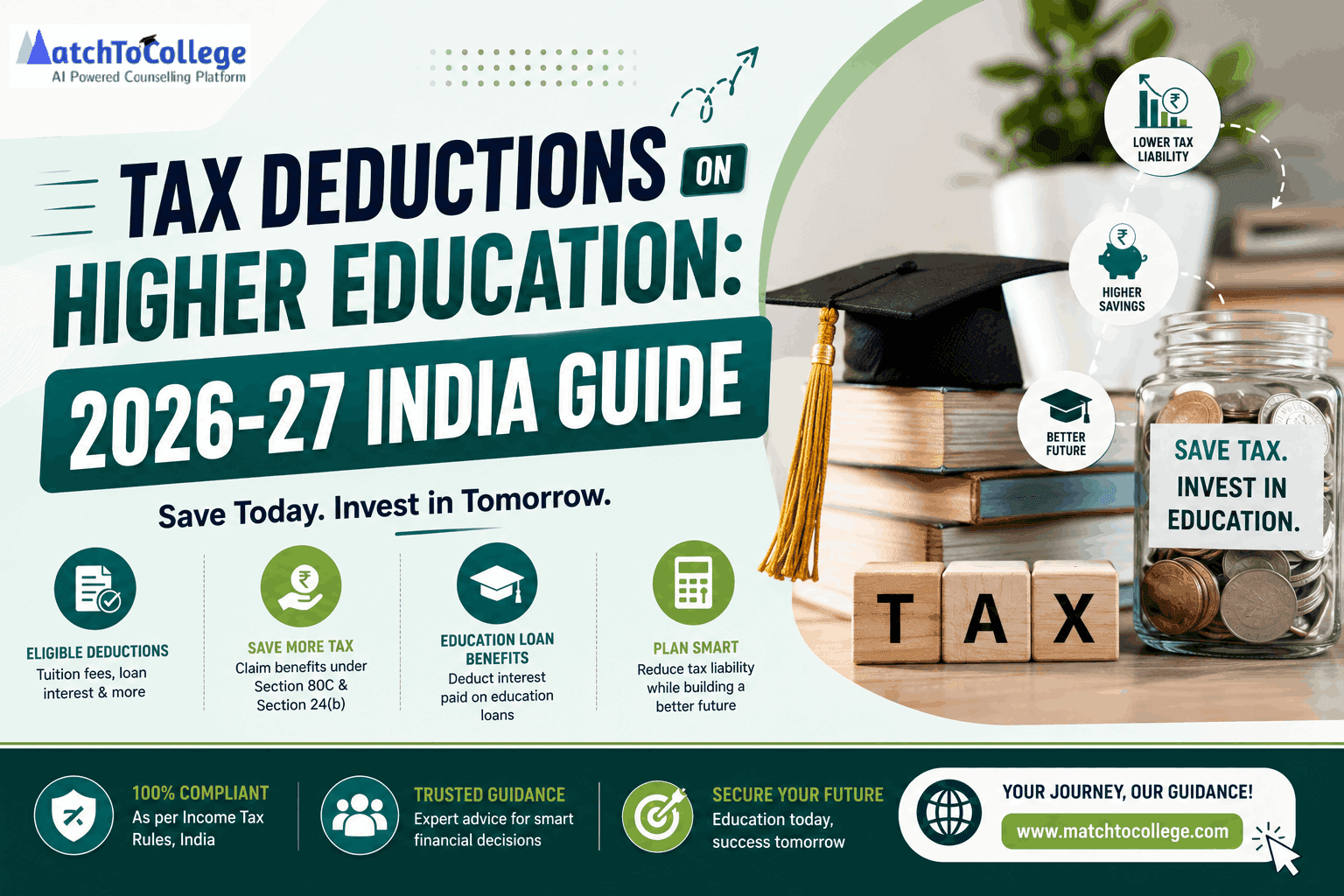
Tax Deductions on Higher Education: 2026-27 India Guide
Maximize your savings with our guide on tax deductions for higher education fees in India for FY 2026-27. Learn about Section 80C, 80E, and upskilling benefits.