

Mastering JEE Advanced: Your Evergreen Guide to PYQs, Strategy & IIT Success
Admission & Info Tools
Need Expert Assistance?
Our counselors can help you with fee structures, eligibility guidelines, and upcoming admission cutoffs instantly.
Direct Application Tools
Share this Article
🎯 MatchToCollege AI Recommendation: Planning your counselling or choice filling? Check your seat allotment probability across premier colleges using the JEE Advanced College Predictor.
Key Highlights & Program Overview
The Joint Entrance Examination (Advanced), commonly known as JEE Advanced, is the gateway to undergraduate engineering programs at the Indian Institutes of Technology (IITs). It's a rigorous examination designed to identify the brightest minds in science and mathematics. Understanding its core structure is the first step towards a successful preparation journey.
| Parameter | Details |
| Exam Name | Joint Entrance Examination (Advanced) |
| Conducting Body | One of the seven zonal IITs (on a rotational basis) |
| Exam Mode | Computer-Based Test (CBT) |
| Exam Duration | 6 hours (Two papers of 3 hours each) |
| Subjects | Physics, Chemistry, Mathematics |
| Official Website | jeeadv.ac.in |
Success in JEE Advanced hinges not just on knowledge, but on strategic application, problem-solving prowess, and effective time management. This is precisely where a thorough engagement with Previous Year Questions (PYQs) becomes indispensable.
Eligibility Criteria & Selection Process
To even appear for JEE Advanced, candidates must first qualify through JEE Main. The selection process is multi-layered, ensuring only the most deserving candidates secure a seat in the IITs.
Eligibility Requirements:
- JEE Main Qualification: Candidates must be among the top 2,50,000 successful aspirants (including all categories) in JEE Main.
- Age Limit: Candidates must have been born on or after October 1, 1999. For PwD candidates, the age limit is relaxed by 5 years.
- Number of Attempts: A candidate can attempt JEE Advanced a maximum of two times in two consecutive years.
- Academic Qualification: Candidates must have passed their Class 12 (or equivalent) examination with at least 75% aggregate marks (65% for SC/ST/PwD candidates) or be in the top 20 percentile of their respective board examinations.
- Prior IIT Admission: Candidates who have previously been admitted to any IIT (irrespective of whether they continued or not) are not eligible.
Selection Stages:
- JEE Main: Qualify for JEE Advanced by securing a rank within the top 2,50,000.
- JEE Advanced Examination: Appear for two papers (Paper 1 and Paper 2), each of three hours duration, covering Physics, Chemistry, and Mathematics. The exam pattern is known for its dynamic nature, with question types and marking schemes often changing year to year.
- Rank List: Based on the performance in JEE Advanced, an All India Rank (AIR) list is prepared.
- JoSAA Counselling: Qualified candidates participate in the Joint Seat Allocation Authority (JoSAA) counselling process for seat allocation in IITs, NITs, IIITs, and other GFTIs.
Top Colleges & Fee Comparison
The Indian Institutes of Technology (IITs) are globally recognized for their academic excellence, cutting-edge research, and robust industry connections. Securing admission to an IIT is a dream for countless engineering aspirants, promising a transformative educational experience and unparalleled career opportunities.
| Institute | Estimated Annual Fees (B.Tech) |
| IIT Bombay | ₹2.1 - 2.3 Lakhs |
| IIT Delhi | ₹2.1 - 2.3 Lakhs |
| IIT Madras | ₹2.1 - 2.3 Lakhs |
| IIT Kanpur | ₹2.1 - 2.3 Lakhs |
| IIT Kharagpur | ₹2.1 - 2.3 Lakhs |
| IIT Roorkee | ₹2.1 - 2.3 Lakhs |
| IIT Guwahati | ₹2.1 - 2.3 Lakhs |
Note: The fees mentioned are approximate and subject to change. They typically exclude hostel and mess charges. Various scholarships and fee waivers are available based on income criteria.
To accurately gauge your admission prospects into these premier institutions, we highly recommend utilizing the MatchToCollege JEE Advanced College Predictor. This powerful tool analyzes your JEE Advanced rank against historical cutoffs, providing a personalized list of potential IITs and branches tailored to your performance.
Career Scope, Placements & Expected ROI
An engineering degree from an IIT is a hallmark of quality and opens doors to a vast array of career opportunities, both in India and internationally. The rigorous curriculum, exposure to advanced research, and a vibrant campus environment shape students into highly skilled professionals and innovative thinkers.
Diverse Career Paths:
- Core Engineering Roles: Graduates are highly sought after in their respective engineering disciplines (e.g., Software Development, Mechanical Design, Chemical Process Engineering, Civil Infrastructure).
- Technology & IT: Many IITians excel in the tech sector, working for leading software companies, startups, and product development firms.
- Consulting & Finance: The analytical and problem-solving skills honed at IITs make graduates ideal candidates for top management consulting firms and investment banks.
- Research & Academia: A significant number pursue higher studies (M.Tech, PhD) at leading global universities or contribute to research and development.
- Entrepreneurship: IITs foster a strong entrepreneurial ecosystem, with many alumni founding successful startups.
Placements & Expected ROI:
IIT placements are consistently among the best in the country. While specific figures vary by institute, branch, and year, fresh graduates often command average packages ranging from ₹15 LPA to ₹30 LPA, with top offers reaching well beyond this. The Return on Investment (ROI) for an IIT education is exceptionally high, not just in terms of immediate salary but also in long-term career growth, global recognition, and access to an influential alumni network. The skills acquired, the network built, and the brand value associated with an IIT degree provide a significant competitive edge throughout one's professional life.
Admissions Checklist & Important Tips
Achieving a top rank in JEE Advanced requires more than just hard work; it demands a smart, structured approach. Here's your essential checklist and strategic advice from MatchToCollege mentors:
The Indispensable Role of JEE Advanced PYQs:
Solving Previous Year Questions (PYQs) is not merely practice; it's a critical strategy for success. PYQs offer invaluable insights into:
- Exam Pattern & Difficulty: Understand the types of questions, the distribution across subjects, and the overall difficulty level.
- Time Management: Practice solving papers within the stipulated time to improve speed and accuracy.
- Identifying High-Yield Topics: Repeated questions or concepts highlight areas of high importance.
- Conceptual Clarity: PYQs often test a deep understanding of concepts, helping you identify your weak areas.
MatchToCollege strongly advises aspirants to solve at least the last 10 years of JEE Advanced question papers thoroughly. Analyze each solution, understand the underlying principles, and identify alternative approaches.
Understanding Chapter-wise Weightage:
Analyzing the chapter-wise weightage from previous years helps you prioritize your study efforts. While the exact distribution can vary, consistent trends often emerge. Focus on understanding these trends for Physics, Chemistry, and Mathematics to allocate your preparation time wisely.
Strategic Preparation for a Top Rank:
To secure a position among the top ranks, aiming for a score above 300 marks is often necessary, which translates to solving approximately 90% of the questions accurately across both papers. Here's a subject-wise strategy:
Mathematics:
Mathematics is often a crucial differentiator for top ranks. Focus on:
- Core Areas: Calculus, Algebra (including Matrices, Determinants, Complex Numbers), Probability, Vectors, 3D Geometry, and Coordinate Geometry.
- Integrated Problems: JEE Advanced frequently combines concepts from different chapters. Practice problems that integrate topics, such as integration with matrices or probability with calculus.
- Multiple Approaches: Develop the ability to solve problems using various methods and choose the most efficient one.
Physics:
Conceptual understanding is paramount in Physics. Avoid rote learning and focus on:
- Fundamental Principles: Master core concepts like Newton's Laws, Maxwell's Equations, energy conservation, and thermodynamics.
- Key Topics: Mechanics, Electromagnetism, Modern Physics, Optics, and Thermodynamics are consistently high-weightage areas.
- Numerical Application: Practice a wide range of numerical problems, ensuring you apply fundamental principles rather than relying on shortcuts.
Chemistry:
Chemistry can be a scoring subject if approached systematically. Balance your preparation across:
- Physical Chemistry: Focus on numerical problems from Thermodynamics, Electrochemistry, Chemical Kinetics, and Ionic Equilibrium.
- Organic Chemistry: Understand reaction mechanisms, named reactions, and stereochemistry. Practice synthesis pathways.
- Inorganic Chemistry: Emphasize periodic trends, chemical bonding, coordination compounds, and qualitative analysis. Memorize key facts and exceptions.
Beyond PYQs:
- Consistent Revision: Regularly revisit all topics to ensure retention.
- Mock Tests: Take full-length mock tests under exam conditions to simulate the actual environment and refine your strategy.
- Time Management: Develop a robust time management strategy for the exam day.
- Health & Well-being: Maintain a balanced diet, adequate sleep, and manage stress effectively.
MatchToCollege provides comprehensive resources and expert guidance to help you navigate your JEE Advanced preparation effectively, ensuring you are well-equipped to face the challenges and emerge victorious.
🏛️ Looking for Admissions & College Cutoffs? Explore verified fee structures, seat matrices, and real student reviews across top institutions on the MatchToCollege Top Colleges & Universities in India Directory.
Frequently Asked Questions
Q: How many questions are typically asked in the JEE Advanced exam?
The total number of questions in the JEE Advanced exam is not fixed and varies each year, as decided by the organizing IIT. However, generally, each paper (Paper 1 and Paper 2) consists of approximately 48 to 54 questions, making the total around 96 to 108 questions across both papers.
Q: What is the general pattern of the JEE Advanced exam?
The JEE Advanced exam pattern is dynamic and can change annually. The consistent aspects are: it comprises two papers (Paper 1 and Paper 2), is conducted in Computer-Based Test (CBT) mode, each paper is 3 hours long, and both papers cover Physics, Chemistry, and Mathematics. The types of questions (MCQs, numerical answer type, match the column, paragraph type) and the marking scheme are subject to change by the organizing IIT each year.
Q: Which subjects are covered in the JEE Advanced exam?
The JEE Advanced exam covers three core subjects: Physics, Chemistry, and Mathematics. Both Paper 1 and Paper 2 will have questions from all three of these subjects, testing a candidate's comprehensive understanding and problem-solving abilities across the science stream.
Q: What are some crucial topics in JEE Advanced Physics?
While all topics are important, some consistently crucial areas in JEE Advanced Physics include: Mechanics (Kinematics, Newton's Laws, Work-Energy, Rotational Motion, Gravitation), Electromagnetism (Electrostatics, Current Electricity, Magnetism, EMI, AC), Optics (Ray and Wave Optics), Thermodynamics, and Modern Physics (Atomic Structure, Dual Nature, Nuclei). A strong conceptual foundation in these areas is vital.
Q: Why are JEE Advanced Previous Year Questions (PYQs) so important for preparation?
JEE Advanced PYQs are crucial because they provide an authentic insight into the exam's difficulty level, question types, and the specific application of concepts. Solving PYQs helps students understand the exam pattern, improve time management, identify high-weightage topics, and pinpoint their weak areas for targeted improvement. It's the most effective way to simulate the actual exam environment and build confidence.
Q: How can I effectively use chapter-wise weightage analysis for JEE Advanced?
Effectively using chapter-wise weightage involves analyzing trends from previous years to identify topics that are consistently asked or carry higher marks. This allows you to prioritize your study schedule, dedicating more time and effort to high-weightage chapters while ensuring comprehensive coverage of the entire syllabus. It helps in strategic allocation of preparation time, maximizing your potential score.
Related Topics
Featured Mentioned Colleges
Explore institutions featured and discussed in this article
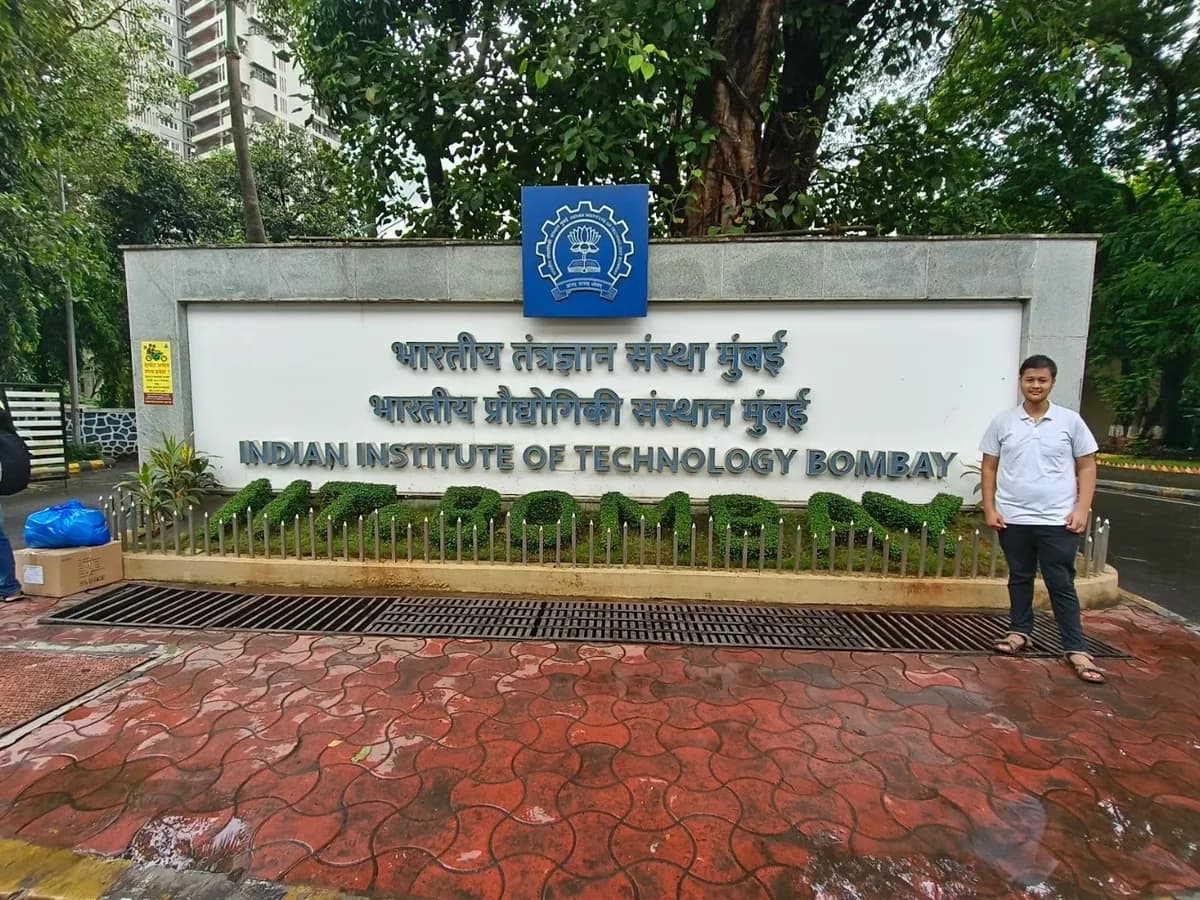

The Indian Institute of Technology Bombay (IIT Bombay or IITB) is a public research university and technical institute located in Mumbai, Maharashtra, India. Established in 1958, it is one of the 23 Indian Institutes of Technology, designated as an Institution of Eminence in 2018. IIT Bombay serves as a Centre of Excellence for India's training, research, and development in science, engineering, and technology. The institute comprises 17 academic departments, 35 additional academic centers, and three schools.
Total Fees
Contact for Fees
Total Courses
9
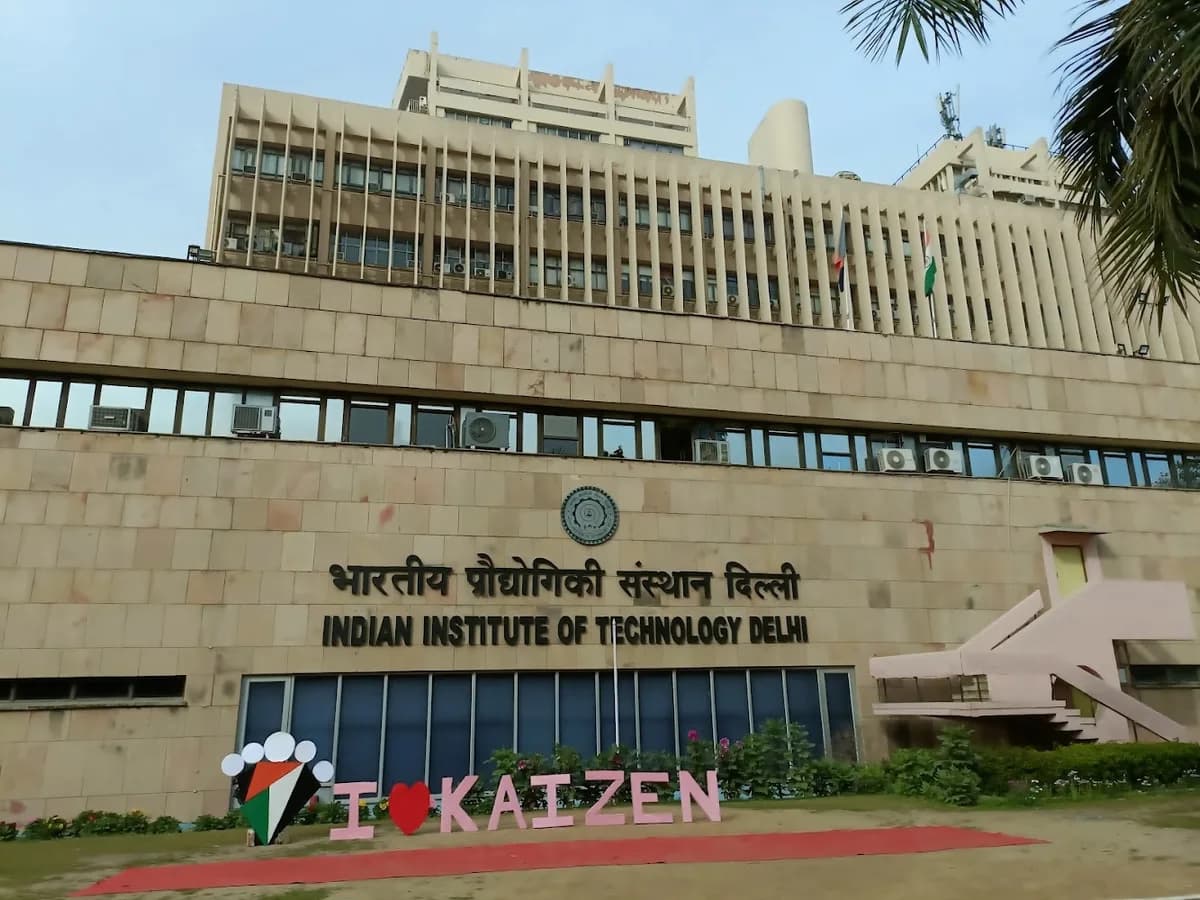
Indian Institute of Technology, Delhi, founded in 1961 in South, Delhi, is a premier academic institution dedicated to higher learning. Conforming to regulatory norms of All India Council for Technical Education (AICTE) through its affiliation with Delhi State University, the institution offers students an integrated foundation across engineering innovation, applied science, computational systems, and advanced technical research. The institution maintains robust academic resources including state-of-the-art computational centers, robotics and IoT laboratories, and core engineering workshops, fostering an active student life and practical competencies. Dedicated to holistic student empowerment, the institution prepares ethical and career-ready professionals who contribute meaningfully to societal and industrial growth.
Total Fees
Contact for Fees
Total Courses
10

Indian Institute of Technology, Madras is a renowned institution of higher learning in Chennai, Tamil Nadu. Equipped with modern research infrastructure, accredited academic schools, and extensive placement partnerships, it prepares students for impactful leadership across global industries.
Total Fees
Contact for Fees
Total Courses
7
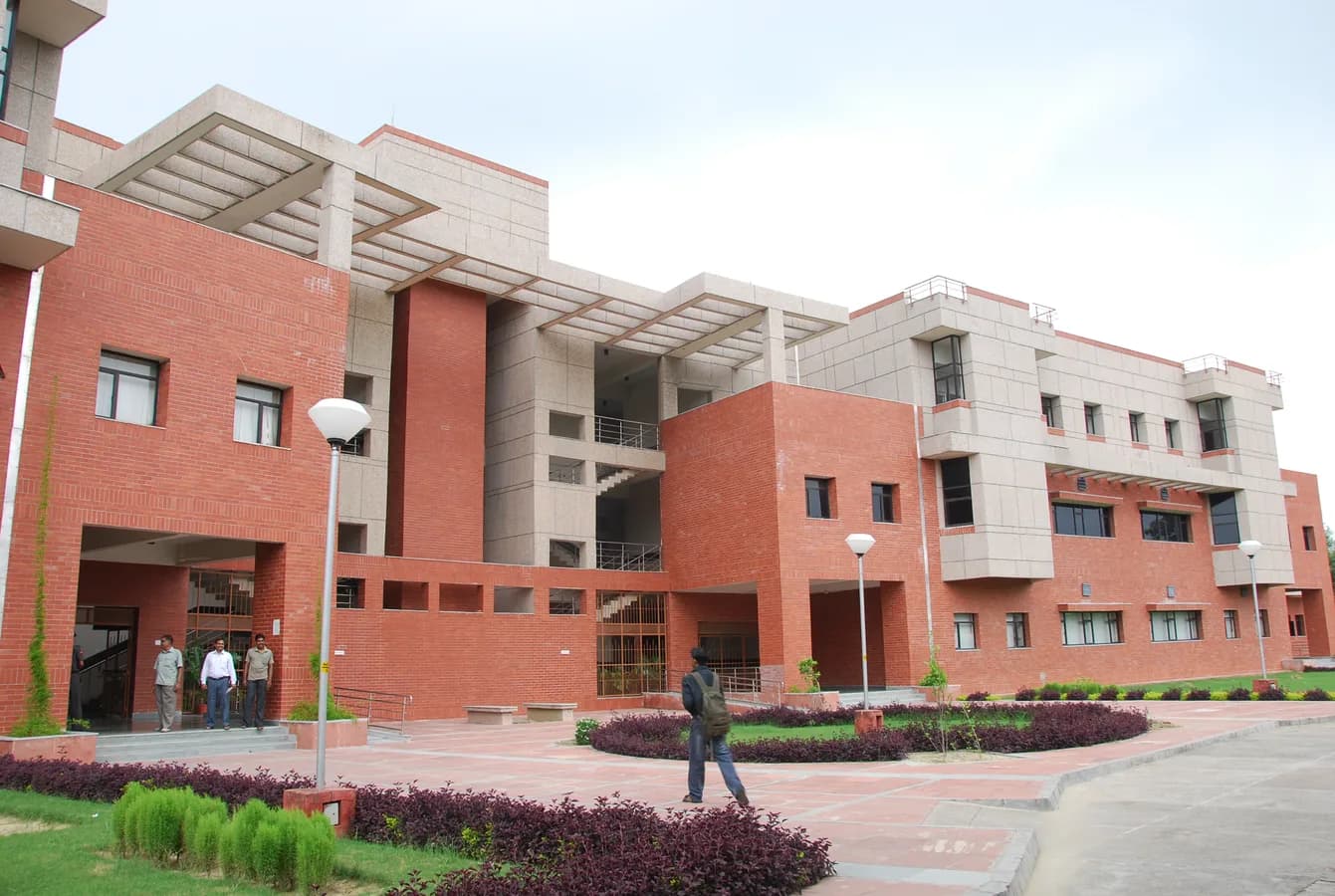
Indian Institute of Technology Kanpur (IITK) is one of the premier engineering institutions in India and was established in 1959 as one of the first IITs. It is recognized as an Institute of National Importance and is known for its excellence in engineering, science, management, and research. IIT Kanpur has consistently ranked among the top technical institutions in India and is known for its strong research culture, innovation, and global collaborations.
Total Fees
Contact for Fees
Total Courses
10
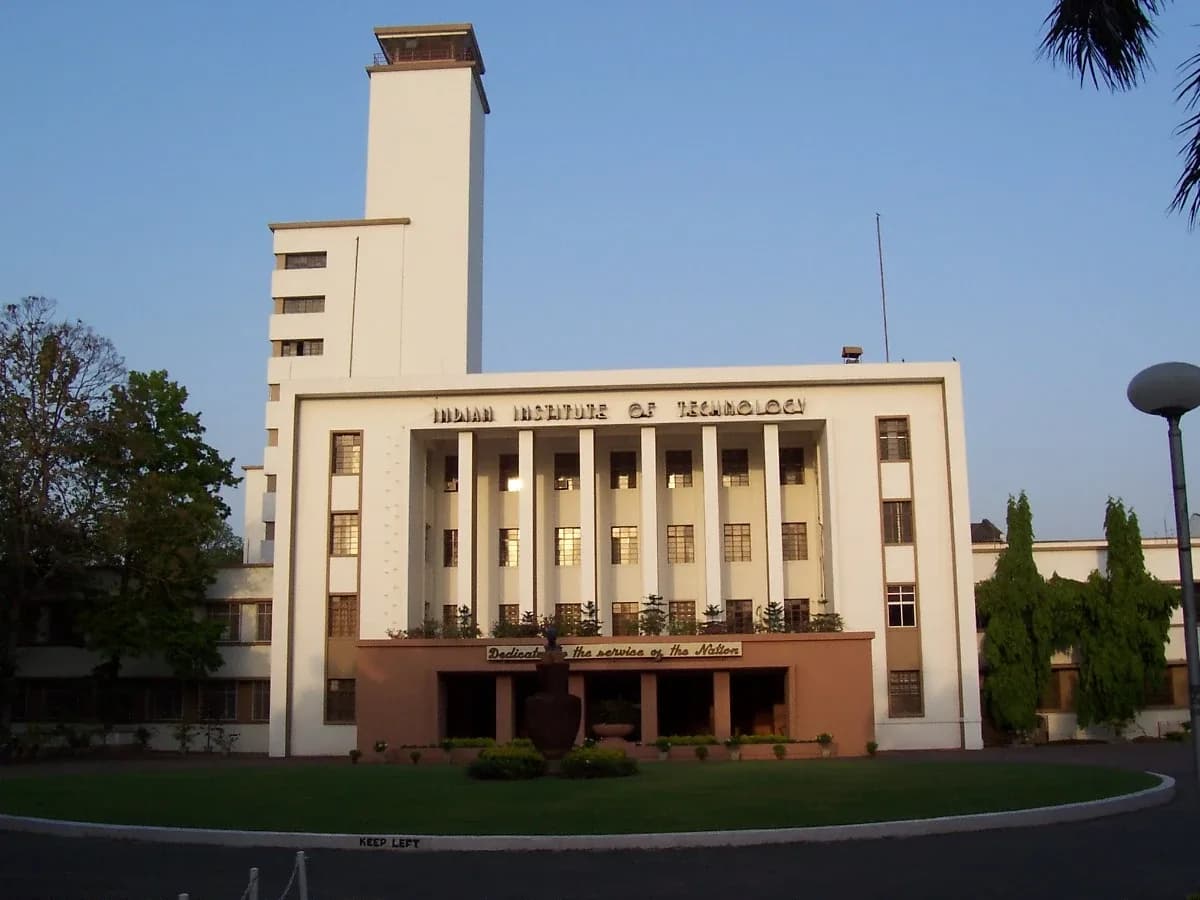
Indian Institute of Technology Kharagpur (IIT KGP), established in 1951, is the first IIT in India and one of the most prestigious engineering institutions globally. It offers undergraduate, postgraduate, and doctoral programs in engineering, sciences, management, law, and humanities. Known for its world-class faculty, research output, and innovation ecosystem, IIT Kharagpur consistently ranks among the top institutes in India.
Total Fees
Contact for Fees
Total Courses
9
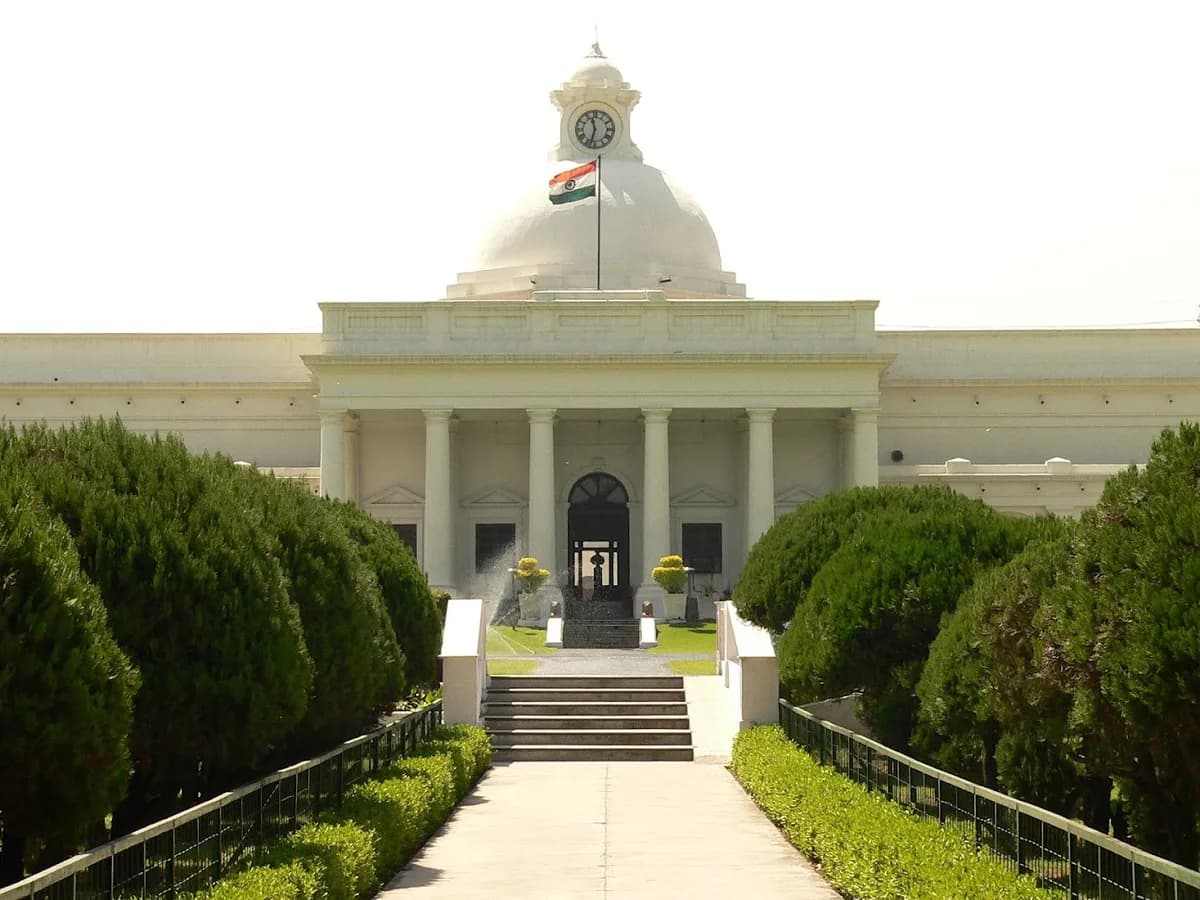

With an educational trajectory spanning 179 years since its inception in 1847, Indian Institute of Technology, Roorkee serves as a prominent seat of learning in Haridwar, Uttarakhand. Conforming to regulatory norms of All India Council for Technical Education (AICTE) through its affiliation with Uttarakhand State University, the institution offers students an integrated foundation across engineering innovation, applied science, computational systems, and advanced technical research. The institution maintains robust academic resources including state-of-the-art computational centers, robotics and IoT laboratories, and core engineering workshops, fostering an active student life and practical competencies. Graduates of Indian Institute of Technology, Roorkee emerge as competent, socially conscious professionals poised to assume impactful roles in diverse professional domains.
Total Fees
Contact for Fees
Total Courses
7


With an educational trajectory spanning 32 years since its inception in 1994, Indian Institute of Technology, Guwahati serves as a prominent seat of learning in Kamrup, Assam. Conforming to regulatory norms of All India Council for Technical Education (AICTE) through its affiliation with Assam State University, the institution offers students an integrated foundation across engineering innovation, applied science, computational systems, and advanced technical research. Students benefit from contemporary infrastructure featuring state-of-the-art computational centers, robotics and IoT laboratories, and core engineering workshops, designed to support hands-on learning and comprehensive intellectual growth. Dedicated to holistic student empowerment, the institution prepares ethical and career-ready professionals who contribute meaningfully to societal and industrial growth.
Total Fees
Contact for Fees
Total Courses
11
Get More Info About Mastering JEE Advanced
Recommended Articles

MHT CET PCB Guide: Your Gateway to Pharmacy, Agriculture & Bio-Engineering
Unlock your potential in Pharmacy, Agriculture, and Bio-Engineering with our comprehensive MHT CET PCB guide. Discover eligibility, top colleges, and expert preparation strategies to secure your dream admission in Maharashtra.
Mastering NEET Physics: Your Essential Formula Guide for 2027 Success
Unlock top scores in NEET Physics with our comprehensive formula guide. Learn why mastering formulas is crucial for 2027 success and how to apply them effectively.
UP NEET PG 2026 Merit List & Counselling: Your Comprehensive Guide
Navigate the UP NEET PG 2026 merit list and subsequent counselling with this expert guide. Understand key dates, download procedures, and crucial next steps to secure your postgraduate medical seat in Uttar Pradesh.