

GATE 2027 Admission Cutoff: Your Definitive Guide to IITs & NITs
Admission & Info Tools
Need Expert Assistance?
Our counselors can help you with fee structures, eligibility guidelines, and upcoming admission cutoffs instantly.
Direct Application Tools

Share this Article
🎯 MatchToCollege AI Recommendation: Planning your counselling or choice filling? Check your seat allotment probability across premier colleges using the JEE Advanced College Predictor.
Key Highlights & Program Overview
The Graduate Aptitude Test in Engineering (GATE) is a national-level examination that primarily assesses the comprehensive understanding of various undergraduate subjects in engineering and technology. While a GATE qualifying score makes you eligible for the counselling process, the GATE admission cutoff is the actual score or rank required to secure a seat in a specific M.Tech program at a particular institution. This distinction is crucial for every aspirant.
Admission cutoffs are significantly higher than qualifying marks and are influenced by factors like the institute's prestige, the popularity of the branch, the number of applicants, and the paper's difficulty. Understanding these dynamics is the first step towards a successful M.Tech admission.
| Parameter | Details |
| Exam Name | Graduate Aptitude Test in Engineering (GATE) |
| Purpose | Admission to M.Tech/M.E./Ph.D. programs, PSU recruitment |
| Conducting Body | One of the seven IITs or IISc Bangalore (on a rotational basis) |
| Participating Institutes | IITs, NITs, IIITs, GFTIs, and various state/private universities |
| Counselling Bodies | COAP (for IITs, IISc), CCMT (for NITs, IIITs, GFTIs) |
| Score Validity | 3 years from the date of announcement of results |
Eligibility Criteria & Selection Process
To even consider M.Tech admissions through GATE, candidates must first meet the basic eligibility criteria for the GATE exam itself, followed by achieving the minimum qualifying marks. Post-qualification, the real challenge lies in meeting the admission cutoffs set by individual institutions.
GATE Qualifying Marks vs. Admission Cutoff
- Qualifying Marks: These are the minimum marks required to be declared 'qualified' in GATE. They make you eligible to apply for M.Tech admissions and PSU recruitments. These marks are typically lower and vary by subject and category.
- Admission Cutoff: This is the minimum GATE score or rank an institute accepts for admission to a specific M.Tech program. It's a dynamic figure, much higher than the qualifying marks, and is the true gateway to your desired program.
The Counselling Journey: COAP & CCMT
Once you have a valid GATE score, you'll engage in centralized counselling processes:
- COAP (Common Offer Acceptance Portal): This portal is for M.Tech admissions to IITs and IISc. Candidates register on COAP, and participating institutes release admission offers in multiple rounds. You can accept, retain, or reject offers based on your preferences.
- CCMT (Centralized Counselling for M.Tech/M.Arch/M.Plan Admissions): This portal facilitates admissions to NITs, IIITs, GFTIs, and some other centrally funded technical institutions. Similar to COAP, CCMT involves registration, choice filling, seat allotment, and document verification.
Factors Influencing Admission Cutoffs
Several critical factors dictate the GATE admission cutoffs each year:
- Number of Applicants: Higher competition in a particular branch or institute naturally pushes cutoffs higher.
- Difficulty Level of the Exam: A tougher paper might lead to slightly lower cutoffs, while an easier one could see them rise.
- Number of Available Seats: Limited seats in highly sought-after programs mean higher cutoffs.
- Institute's Reputation & Branch Popularity: Top IITs and in-demand branches like Computer Science, Electronics, and Mechanical Engineering consistently have higher cutoffs.
- Candidate's Category: Reservation policies for SC/ST/OBC-NCL/EWS/PwD categories lead to different cutoff thresholds.
Top Colleges & Fee Comparison
Securing admission to a top IIT or NIT requires not just a good GATE score, but a strategic understanding of past admission trends. While specific 2027 cutoffs will be released by individual institutes, we can provide expected ranges based on historical data. A higher GATE score significantly enhances your chances, especially for the most competitive branches and institutions.
Expected GATE Admission Cutoff for IITs (Score Range)
For top IITs like Delhi, Bombay, Madras, Kanpur, and Kharagpur, a strong GATE score is essential. For newer IITs, the cutoff might be more accessible.
| Parameter | Details (Expected GATE Score) |
| Top IITs (Core Branches) | 750 - 850+ |
| Mid-Tier IITs (Core Branches) | 650 - 750 |
| New/Developing IITs (Core Branches) | 550 - 650 |
| SC/ST/PwD Categories (Across IITs) | 280 - 450+ (Varies significantly by branch/institute) |
| IISc Bangalore (Highly Competitive) | 800 - 1000 (especially for CSE) |
Expected GATE Admission Cutoff for NITs (Score Range)
NITs also offer excellent M.Tech programs, with top NITs like Trichy, Warangal, Surathkal, and Calicut having competitive cutoffs.
| Parameter | Details (Expected GATE Score) |
| Top NITs (In-demand Branches) | 600 - 700+ |
| Mid-Tier NITs (General Branches) | 500 - 600 |
| New/Developing NITs (Specific Branches) | 400 - 500 |
| SC/ST/PwD Categories (Across NITs) | 250 - 400+ (Varies significantly by branch/institute) |
Note: These are expected ranges based on previous years' trends. Actual cutoffs for GATE 2027 will be released by the respective counselling authorities and institutes.
Career Scope, Placements & Expected ROI
An M.Tech degree from a reputable institution, secured through a strong GATE score, opens doors to a multitude of rewarding career paths. The return on investment (ROI) for such a qualification is often substantial, both in terms of career growth and financial prospects.
Diverse Career Avenues
- Core Engineering Roles: Many M.Tech graduates join R&D departments, design teams, and technical roles in core engineering sectors.
- Public Sector Undertakings (PSUs): A high GATE score is a direct entry point into prestigious PSUs like BHEL, NTPC, ONGC, ISRO, BARC, and DRDO, offering stable careers and attractive packages.
- Academia & Research: An M.Tech is an excellent foundation for pursuing a Ph.D. and a career in teaching or advanced research at universities and research institutions.
- IT & Consulting: Graduates from branches like Computer Science, Electronics, and even Mechanical often find lucrative opportunities in IT, software development, data science, and management consulting firms.
- Entrepreneurship: The advanced technical knowledge and problem-solving skills gained during M.Tech can also fuel innovative startup ventures.
Placement Insights & Average Packages
Top IITs and NITs boast impressive placement records for their M.Tech graduates. While specific figures vary by branch and institute, average packages for M.Tech graduates from these premier institutions typically range from INR 8 LPA to INR 20+ LPA, with some specialized roles and companies offering even higher. PSUs also offer competitive salary structures along with comprehensive benefits.
The investment in an M.Tech degree, both in terms of time and fees, is often recouped quickly due to the high demand for specialized engineering talent and the premium placed on degrees from top-tier institutions.
Admissions Checklist & Important Tips
Navigating the GATE admission process requires meticulous planning and execution. Here’s a checklist and some essential tips to maximize your chances of securing a seat in your dream institution:
Your GATE Admission Checklist:
- Understand the Syllabus: Thoroughly review the GATE syllabus for your chosen paper.
- Strategic Preparation: Develop a structured study plan, focusing on conceptual clarity and problem-solving.
- Practice Previous Papers: Solve as many previous years' GATE question papers as possible to understand the exam pattern and time management.
- Mock Tests: Regularly take full-length mock tests to simulate exam conditions and identify areas for improvement.
- Target Score: Based on historical cutoffs, set a realistic yet ambitious target GATE score for your desired IIT/NIT and branch.
- Official Portals: Stay updated with official announcements on GATE official website (or the respective IIT conducting GATE for the year), COAP, and CCMT.
- Document Readiness: Keep all necessary academic and personal documents ready for counselling.
- Counselling Strategy: Research institutes and branches thoroughly before choice filling in COAP/CCMT. Prioritize based on your GATE score, interest, and career goals.
Important Tips from Your Mentor:
- Start Early: GATE preparation is a marathon, not a sprint. Begin your studies well in advance.
- Conceptual Clarity is Key: Rote learning won't help. Focus on understanding the fundamental principles.
- Analyze Your Performance: After every mock test, analyze your strengths and weaknesses to refine your strategy.
- Stay Calm & Focused: The admission process can be stressful. Maintain a positive mindset and focus on what you can control.
- Utilize Resources Wisely: Leverage quality study materials, online platforms, and coaching (if needed).
- Don't Underestimate Newer IITs/NITs: While top-tier institutes are highly sought after, newer IITs and NITs are rapidly developing and offer excellent academic environments and opportunities.
- Explore Your Options: Don't limit yourself to just one or two institutes. Keep a broader perspective during counselling.
To get a clearer picture of your admission chances into various engineering programs, including top IITs, based on competitive exam ranks, consider using reliable tools. For instance, our JEE Advanced College Predictor can help you understand how ranks translate into admission probabilities, a similar analytical approach you'll need for GATE counselling.
🏛️ Looking for Admissions & College Cutoffs? Explore verified fee structures, seat matrices, and real student reviews across top institutions on the MatchToCollege Accredited Online & Distance Colleges Directory.
Frequently Asked Questions
Q: What is the required GATE Score for M.Tech admission?
The required GATE score for M.Tech admission varies significantly based on the institution, the specific engineering branch, and your category. Generally, for top IITs and IISc in core branches, a score of 700-850+ is often needed. For top NITs, a score of 600-700+ can be competitive. Newer IITs and NITs might accept scores in the 400-600 range. For SC/ST/PwD candidates, cutoffs are considerably lower, often in the 280-450 range for IITs and 250-400 for NITs. It's crucial to check previous years' admission cutoffs for your target programs.
Q: What is the expected GATE qualifying cutoff marks?
The GATE qualifying cutoff marks are the minimum marks required to be declared 'qualified' in the exam, making you eligible for M.Tech counselling and PSU recruitment. These marks are typically lower than admission cutoffs and vary each year depending on the paper difficulty and the specific engineering discipline. Historically, the expected qualifying marks usually range from 25 to 40 marks out of 100, depending on the branch and category. For example, for CSE, it might be around 30 for General category.
Q: Which PSUs accept GATE scores for recruitment?
Many prestigious Public Sector Undertakings (PSUs) across India recruit engineers based on their GATE scores. Some of the top PSUs that regularly accept GATE scores include Bharat Heavy Electricals Limited (BHEL), National Thermal Power Corporation (NTPC), Oil and Natural Gas Corporation (ONGC), Indian Oil Corporation Limited (IOCL), Gas Authority of India Limited (GAIL), Power Grid Corporation of India Limited (POWERGRID), Airports Authority of India (AAI), and various research organizations like ISRO, BARC, and DRDO. It's important to monitor their official recruitment notifications, as they typically accept the current year's GATE scorecard.
Q: How much marks is a 500 GATE score approximately?
A GATE score of 500 typically corresponds to a raw score of approximately 40 to 50 marks out of 100. However, this conversion is not fixed and varies significantly across different engineering disciplines and the difficulty level of the paper in a given year. For instance, in Computer Science Engineering (CSE), 500 GATE score might be around 45-56 raw marks, while for Mechanical Engineering, it could be 46-55 marks, and for Electronics and Communication Engineering (ECE), it might be closer to 50-60 marks. The scaling process ensures fairness across different papers.
Q: What is the difficulty level of the GATE question paper?
The difficulty level of the GATE question paper generally ranges from moderate to tough. Since different IITs and IISc Bangalore conduct the competitive exam on a rotational basis, there can be slight variations year to year. However, based on an analysis of the past 5-10 years' papers, the exam consistently challenges candidates on conceptual understanding, analytical skills, and problem-solving abilities. Thorough preparation and consistent practice are essential to tackle its difficulty effectively.
Related Topics
Featured Mentioned Colleges
Explore institutions featured and discussed in this article
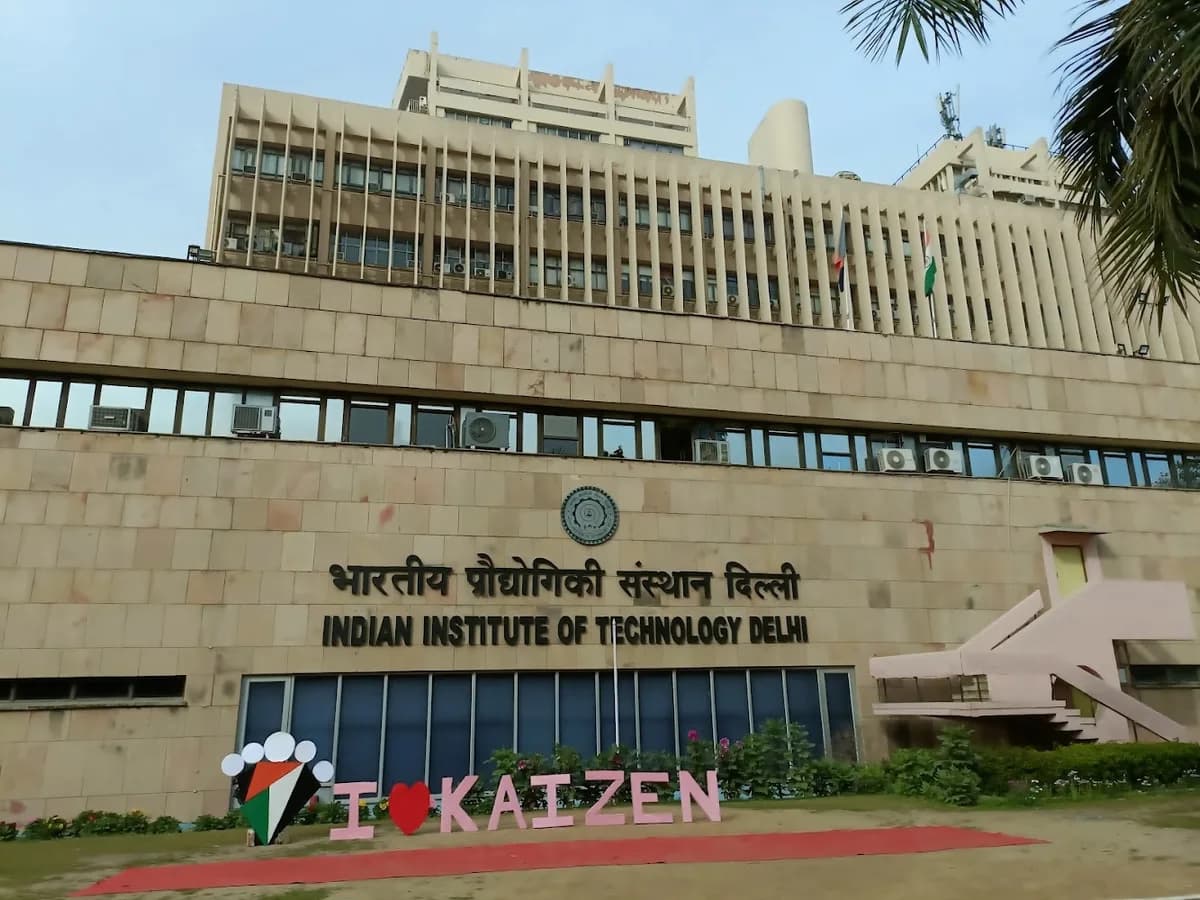

Indian Institute of Technology, Delhi, founded in 1961 in South, Delhi, is a premier academic institution dedicated to higher learning. Conforming to regulatory norms of All India Council for Technical Education (AICTE) through its affiliation with Delhi State University, the institution offers students an integrated foundation across engineering innovation, applied science, computational systems, and advanced technical research. The institution maintains robust academic resources including state-of-the-art computational centers, robotics and IoT laboratories, and core engineering workshops, fostering an active student life and practical competencies. Dedicated to holistic student empowerment, the institution prepares ethical and career-ready professionals who contribute meaningfully to societal and industrial growth.
Total Fees
Contact for Fees
Total Courses
10
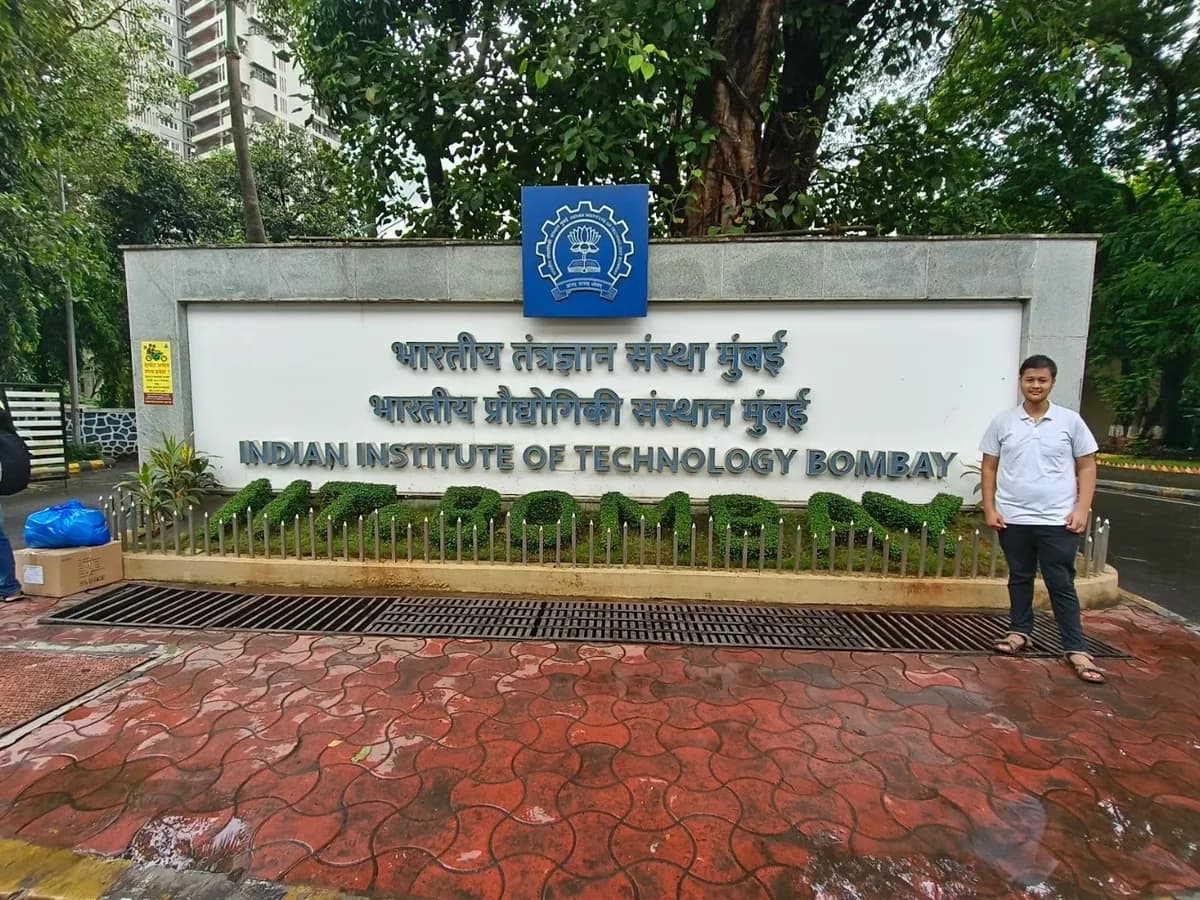
The Indian Institute of Technology Bombay (IIT Bombay or IITB) is a public research university and technical institute located in Mumbai, Maharashtra, India. Established in 1958, it is one of the 23 Indian Institutes of Technology, designated as an Institution of Eminence in 2018. IIT Bombay serves as a Centre of Excellence for India's training, research, and development in science, engineering, and technology. The institute comprises 17 academic departments, 35 additional academic centers, and three schools.
Total Fees
Contact for Fees
Total Courses
9

Indian Institute of Technology, Madras is a renowned institution of higher learning in Chennai, Tamil Nadu. Equipped with modern research infrastructure, accredited academic schools, and extensive placement partnerships, it prepares students for impactful leadership across global industries.
Total Fees
Contact for Fees
Total Courses
7
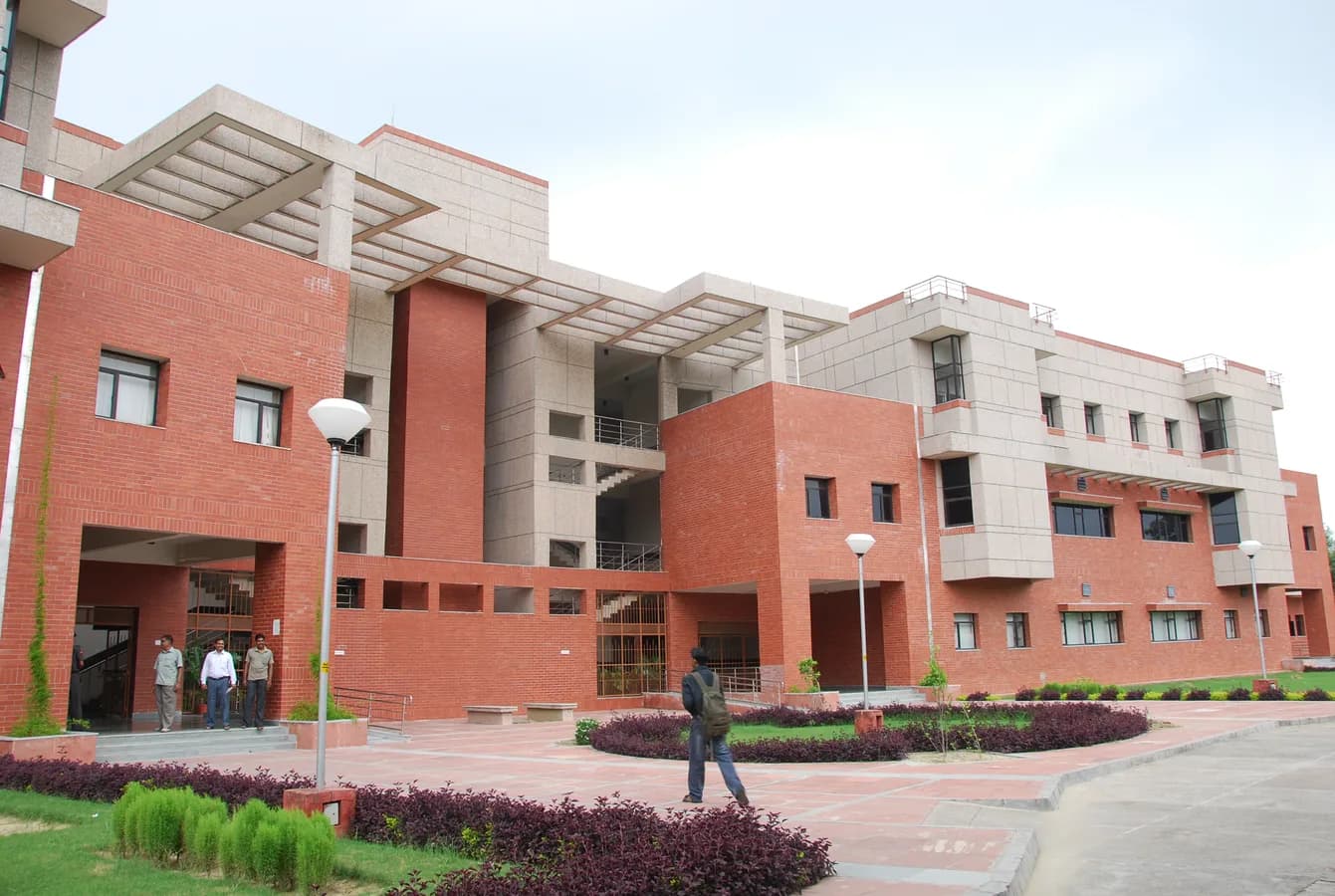

Indian Institute of Technology Kanpur (IITK) is one of the premier engineering institutions in India and was established in 1959 as one of the first IITs. It is recognized as an Institute of National Importance and is known for its excellence in engineering, science, management, and research. IIT Kanpur has consistently ranked among the top technical institutions in India and is known for its strong research culture, innovation, and global collaborations.
Total Fees
Contact for Fees
Total Courses
10


Indian Institute of Technology Kharagpur (IIT KGP), established in 1951, is the first IIT in India and one of the most prestigious engineering institutions globally. It offers undergraduate, postgraduate, and doctoral programs in engineering, sciences, management, law, and humanities. Known for its world-class faculty, research output, and innovation ecosystem, IIT Kharagpur consistently ranks among the top institutes in India.
Total Fees
Contact for Fees
Total Courses
9


National Institute of Technology Tiruchirappalli (NIT Trichy) is one of India’s premier technical institutions and was established in 1964 as Regional Engineering College, later granted the status of an Institute of National Importance. It offers undergraduate, postgraduate, and doctoral programs in Engineering, Science, Management, and Architecture. The institute is known for academic excellence, strong industry collaborations, and excellent placement records.
Total Fees
Contact for Fees
Total Courses
9


With an educational trajectory spanning 67 years since its inception in 1959, National Institute of Technology, Warangal serves as a prominent seat of learning in Warangal, Telangana. The institution is affiliated with Telangana State University and recognized by All India Council for Technical Education (AICTE), imparting rigorous programs anchored in engineering innovation, applied science, computational systems, and advanced technical research. The campus is equipped with state-of-the-art computational centers, robotics and IoT laboratories, and core engineering workshops, creating an immersive environment for scholarly development and collaborative innovation. Graduates of National Institute of Technology, Warangal emerge as competent, socially conscious professionals poised to assume impactful roles in diverse professional domains.
Total Fees
Contact for Fees
Total Courses
7


National Institute of Technology Karnataka, Surathkal (NITK) is one of the top engineering institutes in India and an Institute of National Importance. Established in 1960, it is known for its strong academic excellence, research output, and exceptional placement records. Located near the Arabian Sea, NITK offers undergraduate, postgraduate, and doctoral programs in engineering, science, and management.
Total Fees
Contact for Fees
Total Courses
6


The National Institute of Technology Calicut (NITC) is one of the 31 institutions of national importance set up by an Act of Parliament, namely the ‘National Institute of Technology Act 2007,' and is fully funded by the Government of India. The mandate of the institute is to provide higher technical education and conduct research in the various branches of engineering, science, technology, and management. Originally established in 1961 as a Regional Engineering College (REC), it was transformed into a National Institute of Technology in 2002. The institute offers bachelor's, master's, and doctoral degree programs in engineering, science, technology, and management. With its proactive collaborations with a multitude of research organizations, academic institutions and industries, the institute has set a new style for its functioning under the NIT regime.
Total Fees
Contact for Fees
Total Courses
9
Get More Info About GATE 2027 Admission Cutoff
Recommended Articles

JEE Main 2027 Registration: Your Definitive Guide to Application Deadlines & Process
Navigate the JEE Main 2027 registration process with confidence. This comprehensive guide covers crucial deadlines, eligibility, step-by-step application, and essential tips for aspiring engineers.

MHT CET: Your Definitive Guide to Maharashtra Engineering Admissions
Navigate the MHT CET exam with confidence. This comprehensive guide from MatchToCollege covers eligibility, exam pattern, top colleges, and expert preparation strategies for aspiring engineers in Maharashtra.

JEE Main Without Calculator: Your Ultimate Guide to Mastering Calculations & Securing Top Ranks
Navigating JEE Main without a calculator demands sharp mental acuity and strategic preparation. This comprehensive guide from MatchToCollege empowers you with proven techniques to ace complex calculations and secure your dream engineering seat.