


University Grants Commission 2026 Rules: Students Can Pursue Dual Degrees, Resume Courses Within 7 Years via Academic Bank of Credits
Admission & Info Tools
Need Expert Assistance?
Our counselors can help you with fee structures, eligibility guidelines, and upcoming admission cutoffs instantly.
Direct Application Tools

UGC 2026 Flexible Degree Rules
University Grants Commission has introduced major reforms through the UGC Regulations, aligned with National Education Policy 2020. These changes are designed to give students in India more flexibility in how they study, pause, and complete their education.
The biggest changes include dual degrees, credit storage through ABC, and re-entry within 7 years.
What changes for students
| New rule | Student benefit |
| Dual degree | Study two programmes at the same time |
| ABC system | Save credits digitally |
| 7-year return | Resume studies without losing progress |
| Multiple exits | Leave with certificate, diploma, or degree |
| Biannual admission | Join twice a year |
| Direct PhD | Faster research pathway |
Dual degree option
Students can now pursue two separate degrees at the same time, depending on course schedules.
Possible combinations:
| Combination | Status |
| Two regular programmes | Allowed if timings do not overlap |
| Regular + online | Allowed |
| Two online courses | Allowed |
This gives more freedom for multidisciplinary learning.
Academic Bank of Credits (ABC)
The Academic Bank of Credits stores earned credits from approved institutions.
Key features
| Feature | Rule |
| Credit validity | 7 years |
| Credit transfer | Up to 40% |
| Minimum from final institution | 50% |
| National learning platforms | SWAYAM, NPTEL, V-Lab |
Students can pause studies and return later using these stored credits.
Why this matters
The new framework removes the idea that education must happen in one continuous path. Students can now:
- Take a break for jobs or internships
- Study two subjects together
- Re-enter after a gap
- Build skills from different institutions
- Plan careers with more flexibility
Role of MatchToCollege
MatchToCollege helps students understand changing admission policies, compare colleges, and plan academic choices under the new UGC system.
These UGC reforms are making higher education more flexible and practical. Students now have more control over how they learn, when they pause, and how they complete their degrees — creating a more adaptable future for higher education in India.
Unpacking the UGC 2026 Dual Degree Mandate
One of the major reforms introduced by University Grants Commission under the new framework is the option for students to pursue two degree programmes at the same time.
This gives students in India more flexibility to study across different subjects and institutions.
What is allowed
Students can study two academic programmes simultaneously, subject to schedule rules.
| Combination | Allowed |
| Two regular programmes | Yes, if classes do not overlap |
| One regular + one online/ODL | Yes |
| Two online programmes | Yes |
This allows students to combine different fields based on their interests.
Why this matters
Dual degrees support the multidisciplinary vision of National Education Policy 2020 by giving students freedom to learn beyond one subject area.
Benefits of dual degrees
| Benefit | How it helps |
| Broader learning | Study two different disciplines |
| Better career options | Build stronger job profile |
| Skill diversification | Combine technical and non-technical skills |
| Academic flexibility | Learn from multiple institutions |
| Future readiness | Adapt to changing industries |
Popular combinations students may choose
- Engineering + Management
- Science + Data Analytics
- Commerce + Law
- Arts + Psychology
- Technology + Design
Students can create combinations that match career goals and interests.
What universities need to manage
Institutions will set rules for:
| Area | Responsibility |
| Admission | Dual enrolment process |
| Attendance | Schedule management |
| Credits | Proper calculation and transfer |
| Timetable | No class overlap |
MatchToCollege support
MatchToCollege helps students explore suitable dual degree options, compare institutions, and choose combinations that align with future careers.
Dual degree options are making higher education more flexible. Students can now study two subjects together, gain wider skills, and create stronger academic and career pathways.
The Academic Bank of Credits (ABC): Your Lifelong Learning Locker
The Academic Bank of Credits is one of the biggest reforms under the new University Grants Commission framework. It acts like a digital credit locker for students in India.
Students’ earned academic credits are stored online and can be used later to continue studies, even after a long break.
How ABC works
| Feature | Meaning |
| Digital storage | Saves academic credits online |
| Validity | Credits stay valid for 7 years |
| Re-entry | Resume course within this period |
| Transfer | Credits can move between approved institutions |
| Flexibility | Supports break and restart options |
Why ABC matters
Earlier, many students lost their progress if they left college midway. ABC changes that.
Students can now pause studies because of:
- Personal reasons
- Job opportunities
- Financial needs
- Family situations
- Skill-building or internships
And return later without starting from the beginning.
Key benefits
| Benefit | Student advantage |
| No credit loss | Previous studies remain valid |
| Career flexibility | Pause for work and return |
| Easier transfers | Move between institutions |
| Lifelong learning | Resume education later |
| Reduced academic pressure | Learn at your own pace |
Who benefits most
ABC is useful for:
- Students taking a gap year
- Working professionals returning to study
- Learners changing institutions
- Students pursuing flexible education paths
MatchToCollege support
MatchToCollege helps students understand ABC, compare flexible colleges, and plan studies around new UGC rules.
ABC makes education more flexible by protecting student credits. With a 7-year re-entry option, students can pause, gain experience, and return to complete their degree without losing academic progress.
Navigating the New Landscape with MatchToCollege
The new reforms by University Grants Commission create more opportunities, but they also bring new decisions for students — from choosing dual degrees to understanding the Academic Bank of Credits.
MatchToCollege helps students understand these changes and choose the right academic path.
How MatchToCollege supports students
| Support area | How it helps |
| Dual degree planning | Suggests suitable course combinations |
| ABC guidance | Helps understand credit transfer rules |
| College matching | Identifies institutions with flexible options |
| Career alignment | Matches courses with future goals |
| Academic planning | Supports long-term study strategy |
Key benefits for students
1. Understand new rules clearly
Students can compare colleges based on new UGC policies like dual degrees, flexible exits, and re-entry options.
2. Choose better course combinations
The platform helps identify dual degree combinations that fit personal interests and career goals.
Examples:
- Engineering + MBA
- Commerce + Data Science
- Psychology + Design
- Law + Public Policy
3. Plan flexible education paths
Students can understand how to:
- Take breaks during study
- Resume using ABC credits
- Shift institutions
- Build multidisciplinary profiles
4. Make informed decisions
Instead of relying only on general information, students can compare real options based on:
The UGC reforms are creating a more flexible education system, but choosing the right path matters.
MatchToCollege helps students understand these changes, compare opportunities, and make smarter decisions for college and future careers.
Overall Summary
The University Grants Commission introduced the UGC Regulations 2025 on March 26, 2025, replacing older degree rules. These reforms align with National Education Policy 2020 and aim to make higher education more flexible for students in India.
These rules apply to central, state, and deemed universities across India.
Major student benefits
| Reform | What it means |
| Dual degrees | Students can pursue two degrees at the same time |
| ABC system | Credits are stored digitally for 7 years |
| Multiple exit | Leave course with valid qualification |
| Re-entry | Resume studies within 7 years |
| Direct PhD | 4-year research UG can lead directly to PhD |
| Biannual admission | Join in July/August or Jan/Feb |
1. Two degrees at the same time
Students can now study two UG or PG programmes simultaneously.
Allowed combinations
| Option | Allowed |
| Two regular programmes | Yes, if class timings do not clash |
| Regular + online | Yes |
| Two online programmes | Yes |
Important: Both programmes must follow UGC timing rules. Overlapping schedules are not allowed.
2. Academic Bank of Credits (ABC)
The Academic Bank of Credits stores student credits in digital form.
ABC key rules
| Rule | Details |
| Credit validity | Up to 7 years |
| Minimum credits from final college | 50% |
| Credit transfer allowed | Up to 40% |
| National platforms accepted | SWAYAM, NPTEL, V-Lab |
This helps students move between institutions without losing completed coursework.
3. Multiple Entry and Exit
Students can leave after any stage and still receive a qualification.
| Completed | Qualification |
| 1 year | Certificate |
| 2 years | Diploma |
| 3 years | Bachelor’s Degree |
| 4 years | Honours / Honours with Research |
Students can return later and continue using saved credits.
4. PG flexibility
| UG background | PG duration |
| 4-year Honours degree | 1 year PG |
| 3-year degree | 2 year PG |
This creates faster progression for students with advanced undergraduate training.
5. Direct PhD entry
Students completing a 4-year Bachelor’s Honours with Research with 7.5 CGPA or above can apply directly to PhD without a Master’s degree.
6. Biannual admissions
Universities may now offer admissions twice a year.
| Admission cycle | Intake |
| First cycle | July / August |
| Second cycle | January / February |
This reduces lost academic time for students who miss one session.
Important for students
These reforms are national, but implementation depends on individual universities. Students should always confirm with their own institution before making decisions.
UGC Official Website provides the official regulations and updates.
Share this Article
FAQFrequently Asked Questions
Q: What are the main highlights of the UGC 2026 rules?
The primary highlights of the UGC 2026 rules include the permission for students to pursue dual degrees simultaneously and the full operationalization of the Academic Bank of Credits (ABC), enabling students to store academic credits and resume their courses within a 7-year period.
Q: How does the Academic Bank of Credits (ABC) work?
The Academic Bank of Credits (ABC) is a digital platform that stores the credits earned by students from various higher education institutions. It acts as a credit repository, allowing for credit transfer, mobility between institutions, and the option to take a break from studies and resume within 7 years without losing accumulated credits.
Q: Can I pursue any two degrees simultaneously under the new rules?
Under the UGC 2026 rules, students can pursue any two degrees simultaneously, subject to the regulations of the respective universities and the combination of modes (regular, ODL, or a blend). It promotes interdisciplinary learning, but specific institutional guidelines for course compatibility and attendance will apply.
Q: How will these changes benefit my career prospects?
These changes offer significant career benefits by allowing you to gain a broader, multidisciplinary skill set through dual degrees. The flexibility offered by ABC facilitates lifelong learning, skill upgradation, and the ability to re-enter education, making you more adaptable and competitive in a dynamic job market.
Get More Info About University Grants Commission 2026 Rules
Recommended Reading
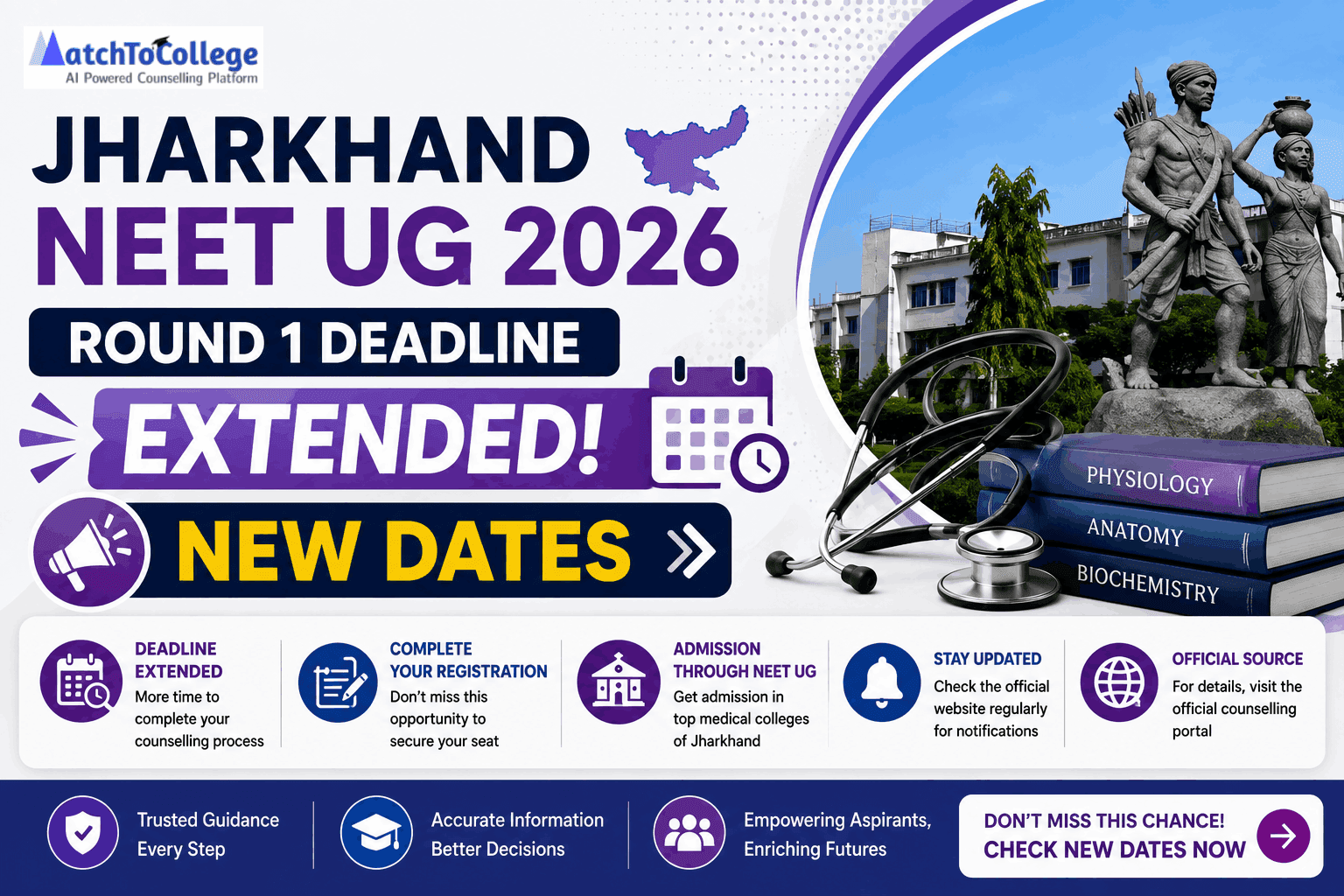
Jharkhand NEET UG 2026 Round 1 Deadline Extended: New Dates
JCECEB has extended the Jharkhand NEET UG 2026 Round 1 registration deadline. Explore the revised schedule, seat allotment dates, and expert counselling tips.
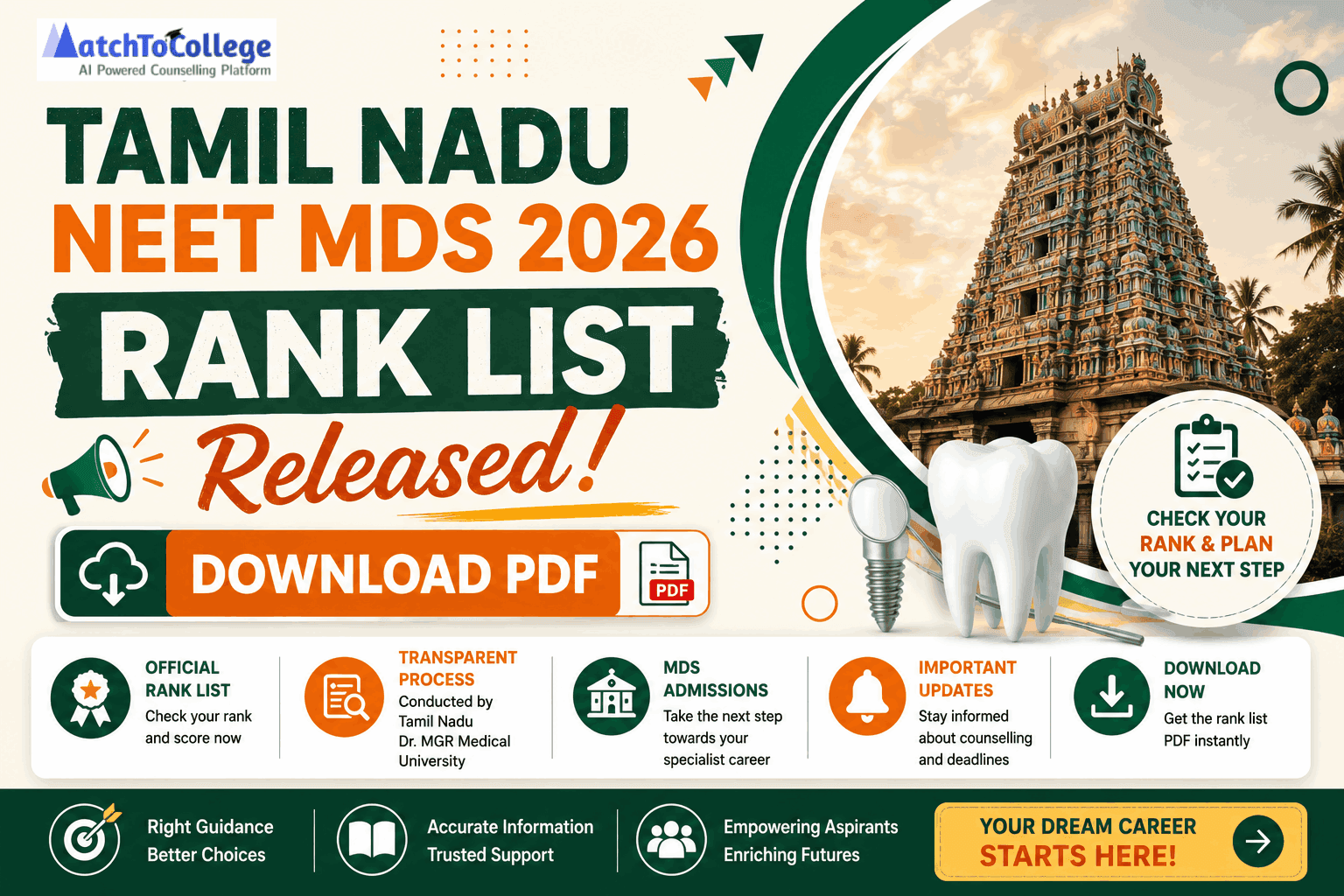
Tamil Nadu NEET MDS 2026 Rank List Released: Download PDF
The Tamil Nadu NEET MDS 2026 Provisional Rank List is officially out! Download the PDF and discover the next steps for TN MDS Counseling 2026-27 here.
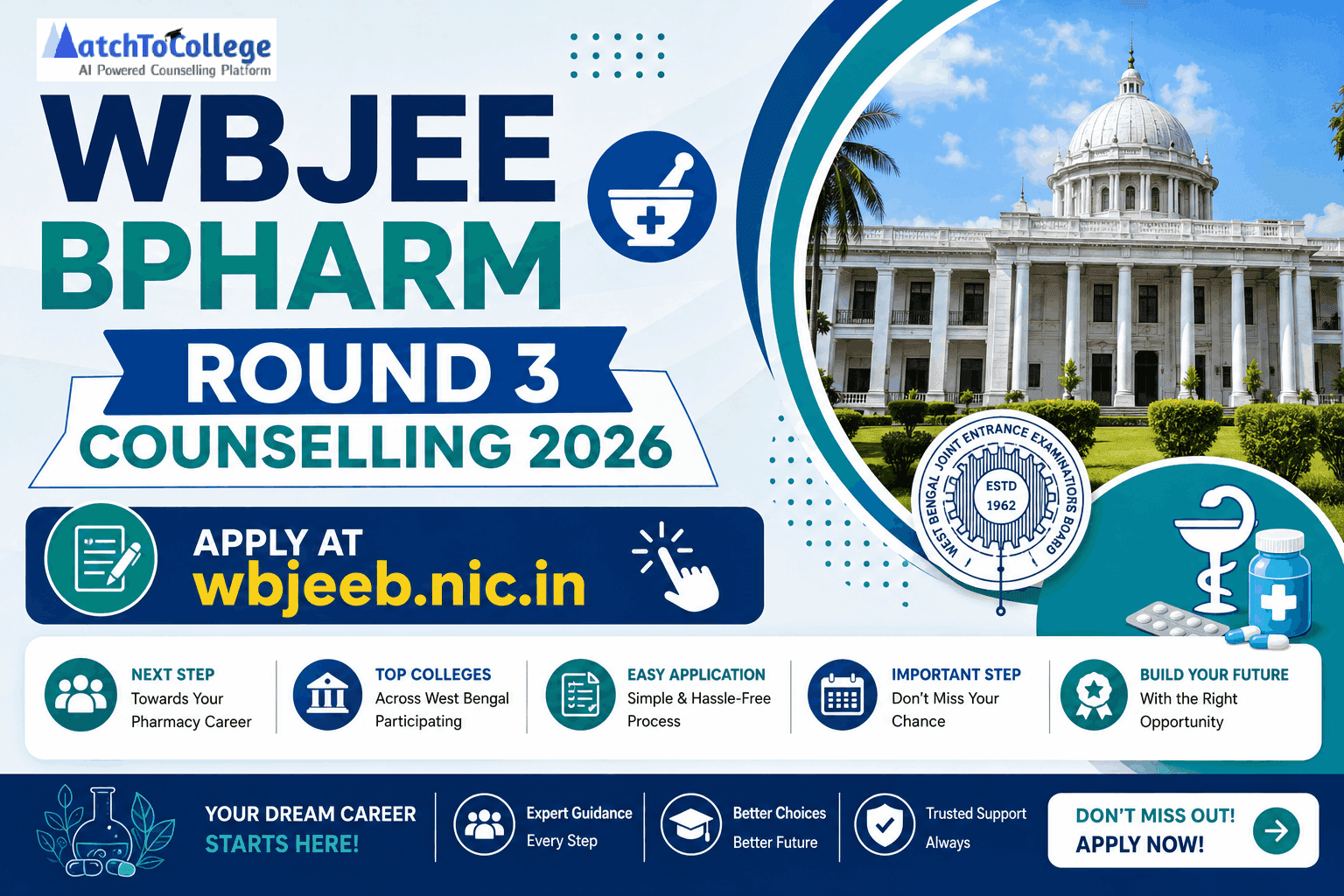
WBJEE BPharm Round 3 Counselling 2026: Apply at wbjeeb.nic.in
WBJEE BPharm Round 3 Counselling 2026 registration begins at wbjeeb.nic.in. Follow our comprehensive guide for choice filling and pharmacy admissions steps.