


DU CSAS Round 3 Allotment 2026: Check Seats & Deadlines
Admission & Info Tools
Need Expert Assistance?
Our counselors can help you with fee structures, eligibility guidelines, and upcoming admission cutoffs instantly.
Direct Application Tools

The University of Delhi (DU) has officially released the much-awaited DU CSAS UG Round 3 Seat Allotment 2026. Thousands of aspiring students who participated in the Common Seat Allocation System (CSAS) can now check their results on the official portal at admission.uod.ac.in. This round is particularly critical as it represents one of the final major opportunities for students to secure their place in Delhi University's prestigious undergraduate programs before the commencement of potential spot admission rounds. As the competition for 2026-27 intensifies, understanding the nuances of the Round 3 allocation is vital for every candidate.
MatchToCollege, your trusted AI-powered higher education partner, brings you this comprehensive guide to navigating the Round 3 allotment. In this phase, the university considers the preferences submitted by candidates during the correction window and those who opted for an 'Upgrade' after the second round. Whether you have been allotted a seat for the first time or have successfully upgraded to a higher preference, the steps you take in the next 48 to 72 hours will define your academic future at India's premier central university. Failure to act within the stipulated time frame can lead to the permanent forfeiture of your seat, making it imperative to stay informed about the last date to accept seats and the subsequent fee payment deadlines.
The Round 3 allocation process involves a sophisticated algorithm that matches the candidate's CUET (Common University Entrance Test) scores with their college-plus-program preferences while adhering to the university's reservation policies. For the academic session 2026-27, DU has implemented more streamlined verification processes to ensure that the transition from allotment to enrollment is seamless.
In the following sections, we will break down the technicalities of the admission portal, the documentation required for college approval, and the strategic choices students must make between 'Freezing' their current seat or hoping for further upgrades.
Step-by-Step Guide to Checking Round 3 Allotment at admission.uod.ac.in
DU has released the CSAS UG Round 3 seat allotment 2026. A total of 10,680 candidates got seats across 956 programmes. Accept the seat by August 11 and pay the fee by August 13, 2026.
The University of Delhi (DU) has released the Common Seat Allocation System (CSAS) Undergraduate (UG) Round 3 seat allotment 2026 on the official portal at admission.uod.ac.in. A total of 10,680 candidates have been allocated seats across 956 programmes in this round. Allotted candidates can check the result by logging into their CSAS dashboard.
According to the official schedule, candidates must accept the allotted seat by 11:59 PM on August 11, 2026. Colleges will verify applications and approve admissions by August 12, 2026. The last date to pay the admission fee is August 13, 2026 at 11:59 PM.
Candidates who miss the acceptance window will forfeit their allotted seat. Those seeking a better college or programme may opt for upgrade in later rounds. The allotment is based on CUET UG 2026 scores, preferences filled during CSAS registration, and category-wise availability.
DU CSAS UG Round 3 Allotment 2026 Key Dates
| Event | Date and Time |
| Round 3 seat allotment declared | August 8, 2026 |
| Last date for candidates to accept allotted seat | August 11, 2026 (11:59 PM) |
| Verification and approval of admissions by colleges | August 12, 2026 |
| Last date for online fee payment | August 13, 2026 (11:59 PM) |
Round 3 Allotment at a Glance
- Total seats allotted: 10,680
- Total programmes covered: 956
- Allotment portal: ugadmission.uod.ac.in
- Basis of allotment: CUET UG 2026 score, category, and preferences
How to Check DU CSAS Round 3 Seat Allotment 2026?
Candidates can follow the steps below to view their Round 3 allotment result on the official portal.
- Visit the official portal at ugadmission.uod.ac.in.
- Click on the CSAS UG 2026 login link on the homepage.
- Enter your CUET application number and password.
- Open the Round 3 seat allocation section on the dashboard.
- View the allotted college and programme details.
- Download the allotment letter for future reference.
How to Accept the Allotted Seat and Pay the Fee?
Once the seat is allotted, candidates must complete two steps within the deadline.
First accept the seat, then wait for college approval, and finally pay the fee.
- Log in to the CSAS dashboard on the DU admission portal.
- Click on the "Accept Seat" option under the Round 3 allotment tab.
- Wait for the allotted college to verify your uploaded documents.
- Once approved, the fee payment link will be activated on the dashboard.
- Pay the admission fee online before 11:59 PM on August 13, 2026.
- Save the fee payment receipt as proof of confirmed admission.
Documents Required for Verification
- Class 10 and Class 12 marksheets and certificates
- CUET UG 2026 scorecard
- Category certificate (SC, ST, OBC-NCL, EWS), if applicable
- PwBD certificate, if applicable
- Transfer certificate and character certificate
- Recent passport-size photograph and valid ID proof
Why This Round Matters
Round 3 is the final regular allotment round of CSAS UG 2026. Candidates who accept a seat now can still opt for upgrade in subsequent rounds. Missing the deadline will lead to complete exit from the CSAS process.
Action Plan for Candidates
- Log in to ugadmission.uod.ac.in and check your Round 3 allotment result.
- Download and review the allotment letter carefully before acceptance.
- Accept the allotted seat on the dashboard before 11:59 PM on August 11, 2026.
- Keep scanned copies of all academic and category documents ready for verification.
- Track the dashboard on August 12 for college approval status.
- Pay the admission fee online before 11:59 PM on August 13, 2026.
Accessing your DU CSAS UG Round 3 Allotment result requires precision and a stable internet connection. The official platform, admission.uod.ac.in, serves as the centralized hub for all allocation activities. To begin, navigate to the CSAS(UG) 2026 dashboard link. You will be prompted to enter your CUET Application Number and the password created during the registration phase.
It is essential to ensure that you are using the correct credentials, as multiple failed attempts can temporarily lock your account for security reasons. Once logged in, the 'Seat Allocation' tab will become visible, displaying your current status for Round 3.
Upon clicking the seat allocation link, the system will display the college and program name assigned to you based on your merit and preferences. If you have been allotted a seat, you will see an 'Accept Selection' button. It is a common misconception among students that they can wait to see if a better option appears in the next round without accepting the current one. However, Delhi University rules strictly state that if a candidate is offered a seat in any round, they must accept it to remain in the admission cycle.
If you do not click 'Accept' before the deadline, you will be disqualified from all subsequent regular CSAS rounds, including the 'Upgrade' options. This makes the Round 3 acceptance phase a 'make-or-break' moment for many applicants.
After accepting the seat, the dashboard status will change to 'Submission of Documents.' At this stage, the respective college will begin the online verification of your uploaded certificates, including Class 10 and 12 mark sheets, CUET scorecard, and category certificates (SC/ST/OBC-NCL/EWS/Cw/KM).
During this period, keep a close watch on your dashboard and registered email address. The college admission committee may raise queries or 'Query/Clarification' requests regarding your documents. Responding to these queries promptly is mandatory; any delay could lead to the rejection of your application despite having the required merit score. MatchToCollege recommends keeping digital copies of all original documents ready for immediate upload if requested.
Critical Deadlines: Last Date to Accept Seat and Fee Payment for 2026-27
Time is of the essence in the DU UG Admission 2026 process. According to the official schedule released by the Dean of Admissions, the window to 'Accept' the allocated seat in Round 3 is typically very narrow, often lasting only 3 to 4 days from the date of the announcement. For the 2026-27 session, candidates must finalize their acceptance before the specified cutoff time on the last date.
Late acceptances are not entertained under any circumstances, and the server usually experiences high traffic in the final hours, so students are advised to complete the process as early as possible. Once the candidate accepts the seat, the responsibility shifts to the colleges to verify the eligibility criteria and the validity of the documents.
The online verification by colleges is the second major timeline to track. While the student accepts the seat by Day 3, the college usually has until Day 5 or 6 to complete the approval process. Once the college principal or the admission convener approves the application, the candidate will see a 'Pay Fee' button on their dashboard. This leads to the final and most crucial step: the Online Payment of Admission Fees.
The deadline for fee payment is usually 24 hours after the document verification window closes. Securing your admission is only confirmed once the transaction is successful and an acknowledgment slip is generated. If the payment is not completed within the timeframe, the seat will be declared vacant and moved to the next round or the spot admission category.
It is important to note that the fee varies significantly across different colleges and programs. For instance, professional courses or lab-intensive science programs at North Campus colleges may have a higher fee structure compared to humanities courses in off-campus colleges. Ensure that your banking limits allow for a transaction of that scale, and preferably use Net Banking or Credit/Debit cards with high transaction limits to avoid payment failures.
At MatchToCollege, we have observed that many students lose their seats due to technical payment glitches on the last day; hence, aiming to finish the payment at least 12 hours before the deadline is a strategic move for a stress-free admission experience.
The Strategic Dilemma: To 'Upgrade' or 'Freeze' After Round 3?
One of the most frequent questions we receive at MatchToCollege during the DU CSAS Round 3 is whether a student should 'Upgrade' or 'Freeze' their seat. A 'Freeze' option should be chosen only if the candidate is completely satisfied with the currently allotted college and program. By clicking 'Freeze,' you signal to the university that you no longer wish to participate in any further rounds of allocation and are happy with your current choice.
This locks your seat and allows you to proceed with the physical verification and orientation process once the academic session begins. It is the safest route for those who have secured their first or second preference in a top-tier college like SRCC, St. Stephens, or Hindu College.
On the other hand, the 'Upgrade' option is for those who are currently allocated a seat that was lower in their preference list. By choosing 'Upgrade,' the candidate accepts the current seat (ensuring they have a fallback) but stays in the competition for a better college or program in the subsequent rounds, such as the Spot Round or any additional special drives. For the 2026-27 session, the 'Upgrade' feature in Round 3 is slightly different because most of the high-demand seats in popular colleges are already filled. Therefore, the chances of a significant jump in college ranking are lower compared to Round 1 or 2. However, if there are withdrawals or cancellations, an upgrade is still possible.
There is a catch to the Upgrade option: if you are upgraded to a higher preference in the next round, your previous seat is automatically cancelled, and you must accept the new seat. You cannot choose to go back to the seat you held in Round 3. This is where AI-driven insights from MatchToCollege can help. Our data models analyze the historical vacancy trends and the current year's score distribution to predict whether an upgrade is likely or if you should stick with what you have. For many students, Round 3 is the final 'safe' round, and 'Freezing' the seat becomes the logical choice to ensure they don't end up with a less desirable program in a last-minute scramble.
Understanding Vacancy Trends and the Probability of Spot Rounds
After the conclusion of the Round 3 seat allotment and the subsequent fee payments, Delhi University will release a list of vacant seats. This list is the foundation for the 'Spot Admission' rounds. Unlike regular CSAS rounds, where the system automatically upgrades you based on preference, Spot Admission is a more manual and direct process. Candidates who were not allotted any seat in the first three rounds, or those who didn't apply earlier, may get a chance here. However, the rules for Spot Rounds are strict: once you enter a Spot Round, you cannot opt for an upgrade; you must take whatever is offered if you qualify.
In 2026, the vacancy trends suggest that while North Campus colleges like Miranda House or Hansraj may have near-zero vacancies in popular courses like B.Com (Hons) or B.A. Political Science (Hons), there might still be openings in off-campus colleges or in less conventional programs like B.A. Programme combinations or certain B.Sc. streams.
Understanding these trends is vital for students who are still waiting for an allotment. The university often conducts multiple spot rounds if seats remain unfilled, especially in the reserved categories or in colleges located in the outer fringes of Delhi. This phase requires candidates to be highly proactive, as the application window for spot rounds usually lasts for only 24 to 48 hours.
MatchToCollege's AI platform provides a 'Vacancy Predictor' tool that helps students estimate their chances in these final stages. By analyzing the CUET cutoffs of previous rounds and the seat matrix released by DU, we help students decide if they should wait for a Spot Round or look at alternative universities.
It is also a time to consider other options such as Ambedkar University Delhi (AUD) or GGSIPU, which also utilize CUET scores for certain programs. Navigating the end-of-season admissions requires a balance of patience and realistic expectations, as the remaining seats are often in high competition despite being fewer in number.
Document Verification: Common Pitfalls and How to Avoid Them
Document verification is the stage where many successful allotments are unfortunately cancelled. The most common reason for rejection during the DU CSAS Round 3 is the discrepancy in category certificates. For students applying under the OBC-NCL or EWS categories, the certificates must be issued after March 31, 2026, to be valid for the 2026-27 academic session.
If your certificate is outdated, the college will reject your allotment under that category, and you will only be considered for the Unreserved (UR) category in future rounds, provided your score meets the UR cutoff—which is often much higher. This 'Category Migration' usually results in the student losing their seat entirely.
Another pitfall is the mismatch between the names on the Class 10 certificate and the CUET application.
Even a minor spelling difference can trigger a query from the college admission office. If you receive a query on your dashboard, do not panic. Most colleges allow you to upload an affidavit or an undertaking promising to provide the corrected document within a certain timeframe. However, this is at the discretion of the college principal.
At MatchToCollege, we advise all our users to keep a 'Verification Kit' ready, which includes self-attested copies of all documents, the original migration certificate, and the character certificate issued by the last school attended.
Furthermore, ensure that the images or PDFs uploaded are clear and legible. Blurred documents are a frequent cause for administrative delays. Since the Round 3 timeline is tight, a delay of one day in re-uploading a document can lead to missing the fee payment deadline. Remember, the college will not process your approval until every document is scrutinized.
By being meticulous and proactive during this phase, you ensure that your hard-earned CUET score actually translates into a university identity card. This level of preparation is what distinguishes successful candidates from those who face last-minute hurdles.
Leveraging MatchToCollege AI for Post-Allotment Success
Securing a seat in DU CSAS Round 3 is a massive achievement, but it is just the beginning of your professional journey. MatchToCollege is designed to support students beyond just the admission phase. Our AI-powered platform helps you understand the career trajectory of the program you have just joined.
For instance, if you have secured a seat in B.Sc. Computer Science, our AI can map out the best internships, technical certifications, and postgraduate options (like MCA or MS abroad) that align with your college's curriculum. We believe that college counselling shouldn't end at the gate of the campus; it should continue until you are successfully placed in your dream career.
For those who were not satisfied with their Round 3 allotment, MatchToCollege offers a 'Plan B' strategy generator. Our AI analyzes your CUET profile and suggests alternative high-ranking universities that are still accepting applications or have upcoming entrance exams. Whether it is private universities with strong industry ties or other central universities with lower cutoffs, we ensure that no student is left without a quality education option.
Our goal is to democratize education counselling, making elite-level advice accessible to every student regardless of their background. By using data-driven insights, we take the guesswork out of the admission process, providing a clear roadmap for your 2026-27 academic year.
As you navigate the official DU portal at admission.uod.ac.in, remember that MatchToCollege is here to provide the context and strategy you need. From understanding complex seat allocation algorithms to preparing for the first day of college, our platform is your digital mentor. We encourage all students and parents to explore our resources on scholarship opportunities, student accommodation in North and South Campus, and tips for excelling in the Semester 1 exams. Your journey to Delhi University is a marathon, not a sprint, and with the right AI tools at your disposal, you are guaranteed to cross the finish line with confidence.
Share this Article
FAQFrequently Asked Questions
Q: What is the last date to accept the seat in DU CSAS Round 3?
The last date to accept the seat is usually 3-4 days after the allotment release. For the 2026 session, check your dashboard at admission.uod.ac.in for the specific hourly cutoff.
Q: Can I upgrade my seat after Round 3?
Yes, if you have been allotted a seat and accepted it, you may have the option to 'Upgrade' for subsequent spot rounds, provided you have not already secured your first preference.
Q: What happens if I don't accept the seat in Round 3?
If you fail to accept the seat within the deadline, you will be disqualified from the regular CSAS 2026 admission process and will not be considered for upgrades.
Q: Is there a fee for accepting the seat?
There is no immediate fee to 'Accept' the seat, but you must pay the full admission fee once the college verifies and approves your documents online.
Q: What documents are needed for DU Round 3 verification?
Key documents include Class 10 & 12 certificates, CUET scorecard, and valid category certificates (OBC-NCL/EWS/SC/ST) issued after March 31, 2026.
Top Colleges Covered in this Blog


University of Delhi, Department of Financial Studies
University of Delhi, Department of Financial Studies
Since 1987, the Department of Financial Studies (DFS) at Delhi University has been a cornerstone of finance education, offering a rigorous two-year MBA (Finance) Programme. This program equips students with advanced conceptual and analytical skills essential for financial decision-making. DFS stands out by blending foundational managerial subjects like Managerial Economics and Quantitative Techniques with specialized finance courses such as Financial Management, International Finance, Investment Management, and more. The curriculum evolves continuously to include cutting-edge topics like Derivatives & Risk Management, Treasury Management, and Real Estate Investmen
Total Fees
₹100K
Total Courses
2
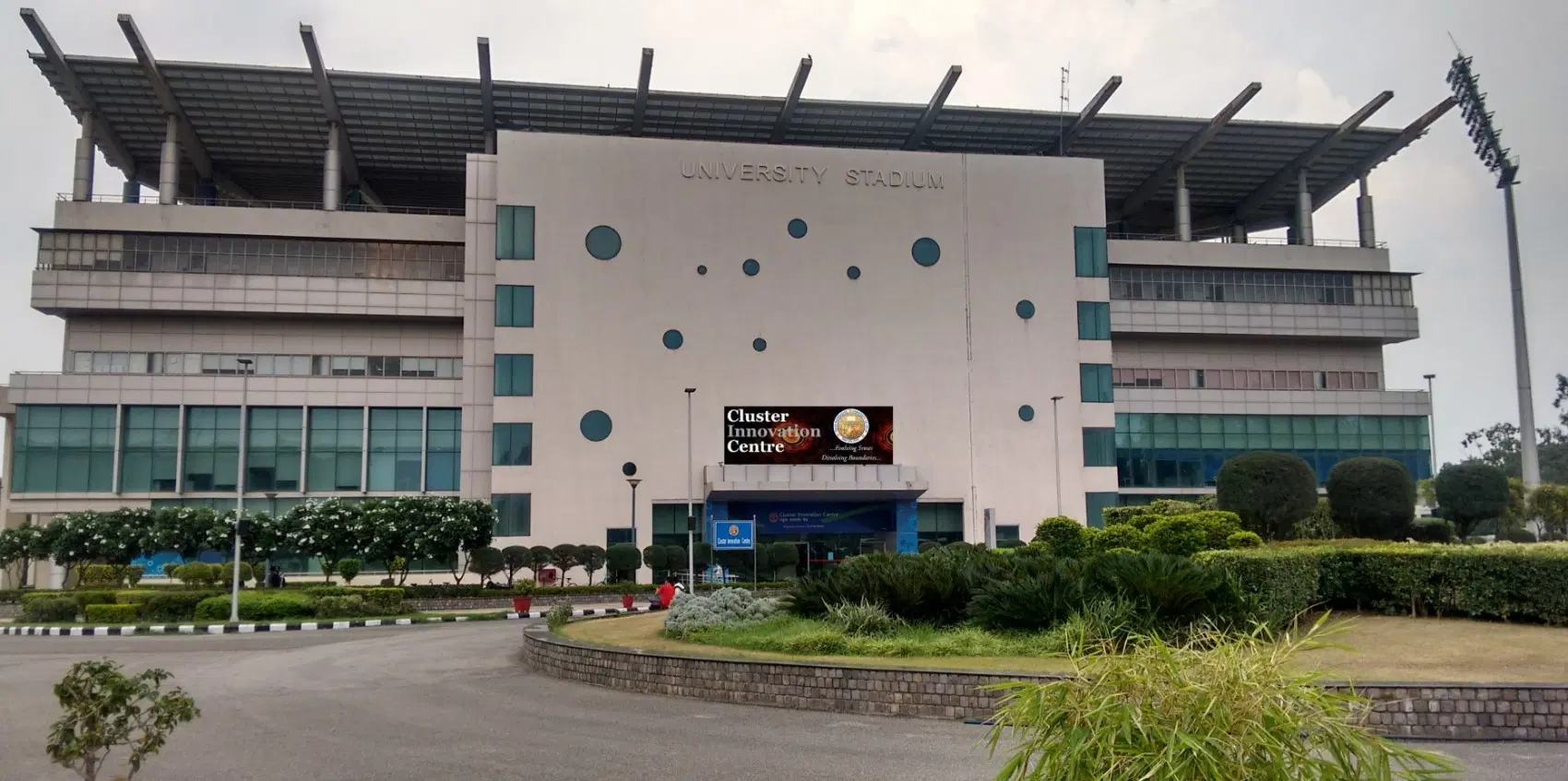

Cluster Innovation Centre, University of Delhi
Cluster Innovation Centre, University of Delhi
Cluster Innovation Centre (CIC), University of Delhi, is an interdisciplinary institution established to promote innovation-driven education, research, and entrepreneurship. CIC focuses on solving real-world problems through collaborative learning, design thinking, and applied research across technology, mathematics, social sciences, and education.
Total Fees
₹13K - ₹1.2L
Total Courses
4
Get More Info About DU CSAS Round 3 Allotment 2026
Recommended Reading
MAH BBA CET CAP 2026 Round 1 Cutoff Out: Check Seat Status
MAH BBA CET CAP 2026 Round 1 Cutoff is now live at bba2026.mahacet.org.in. Learn how to check cutoffs and the last date for seat confirmation for 2026-27.
MH Law CET CAP 2026: Round 1 Option Form Extended to Aug 11
The MH Law CET CAP 2026 Round 1 option form deadline is now extended to August 11. Learn how to fill the form at mahacet.org and optimize your college choices.

JK NEET UG 2026: Registration Closes Today at jkbopee.gov.in
JK NEET UG 2026 registration ends today at jkbopee.gov.in. Follow our detailed guide for Jammu & Kashmir medical admissions and ensure your seat for 2026-27.