

Verify Online Degrees: Is Your Private University Legally Approved?
Admission & Info Tools
Need Expert Assistance?
Our counselors can help you with fee structures, eligibility guidelines, and upcoming admission cutoffs instantly.
Direct Application Tools

Verify online degree legal approval.
In today's fast-paced world, online education has emerged as a revolutionary force, offering unparalleled flexibility and access to higher learning. From working professionals seeking career advancement to students in remote areas, private universities' online degree programs present a compelling pathway to academic achievement. However, with this convenience comes a critical challenge: ensuring the legitimacy and legal approval of these digital credentials. The online landscape, while vast and promising, can also be a minefield of unaccredited institutions and unrecognized degrees, often referred to as 'degree mills'.
The dream of earning a respected degree can quickly turn into a nightmare if the chosen program lacks proper accreditation and legal authorization. Imagine investing significant time, effort, and financial resources only to discover that your hard-earned qualification holds no weight in the job market, prevents you from pursuing further education, or isn't recognized by professional licensing bodies. This isn't just a hypothetical scenario; it's a stark reality for many unsuspecting students worldwide. The proliferation of online-only institutions and programs necessitates a rigorous approach to verification before committing to any educational journey.
As you navigate the exciting yet complex world of virtual learning, particularly when considering a private university, understanding how to confirm the legal standing and academic credibility of its online offerings is paramount. This goes beyond just checking a university's website claims; it requires proactive research and a keen eye for official approvals. A legally approved online degree not only signifies academic rigor but also assures employers, regulatory bodies, and future educational institutions that your qualification meets established standards. It protects your investment and ensures your academic efforts translate into tangible career and personal growth opportunities.
This comprehensive guide from MatchToCollege is designed to empower you with the knowledge and tools to confidently assess the legitimacy of any private university's online degree program. We'll delve into the essential verification steps, identify the authoritative bodies to consult, and highlight critical red flags to avoid. Our goal is to equip you with the insights needed to make an informed decision, safeguarding your educational future and ensuring your chosen online degree is a true asset. Let's explore how you can verify if a private university’s online degrees are not just offered, but truly legally approved and recognized.
Understanding Accreditation: The Cornerstone of Legitimacy
At the heart of an online degree's legitimacy lies accreditation. Accreditation is a quality assurance process through which an educational program or institution is evaluated by an external body to determine if applicable standards are met. It signifies that the university or program has undergone a rigorous review and meets recognized standards of quality and integrity. Without proper accreditation, an online degree, regardless of the effort put in, may be considered worthless by employers, other educational institutions, and professional licensing boards.
In many countries, accreditation is typically granted by independent, non-governmental agencies. For instance, in the United States, institutions are often accredited by regional accrediting bodies (e.g., WASC, SACSCOC, Middle States) or national accrediting bodies (often for vocational or specific-purpose schools). Globally, countries have their own oversight bodies like the University Grants Commission (UGC) in India, the Quality Assurance Agency for Higher Education (QAA) in the UK, or their respective Ministries of Education. It's crucial to understand the difference between institutional accreditation (which covers the entire university) and programmatic accreditation (which applies to specific degree programs like engineering, nursing, or business).
Always remember: an online university can claim to be 'certified' or 'registered,' but these terms are not synonymous with 'accredited' by a recognized authority. Only legitimate accreditation ensures your degree is recognized for transfer credits, federal financial aid eligibility (in applicable countries), graduate school admissions, and most importantly, by potential employers who value recognized credentials. This foundational step is non-negotiable when evaluating any online degree program.
Step-by-Step Verification: How to Check an Online Program's Approval
Identify the Recognized Accrediting Body
Start by looking for claims of accreditation on the private university's official website. Do they name a specific accrediting agency? If so, note it down. Be wary of vague statements like 'fully accredited' without specifying the body. Research the accrediting body itself: is it recognized by the national education authority (e.g., U.S. Department of Education and CHEA in the US, or the relevant Ministry of Education elsewhere)?
Confirm Directly with the Accreditor's Official Database
Crucially, do not solely rely on the university's word. Visit the official website of the identified accrediting body. Most legitimate agencies maintain a public, searchable database of accredited institutions and programs. Search for the private university and its specific online degree program there. If you cannot find it, or if the details don't match, it's a significant red flag. This direct verification is the most reliable way to confirm accreditation status.
Verify State/National Licensing and Authorization
Beyond accreditation, many countries and even specific states or regions within them require universities to be licensed or authorized to operate, especially when offering online programs to students across different jurisdictions. For instance, in the U.S., the State Authorization Reciprocity Agreement (SARA) allows institutions to offer online courses to students in participating states. Check if the university is authorized to enroll students in your location. Consult your country's Ministry of Education or relevant higher education regulatory body for a list of recognized institutions and their legal operating status.
Check for Program-Specific Accreditation (If Applicable)
For certain professions (e.g., engineering, medicine, law, nursing, business), specific programs within a university require additional, programmatic accreditation. For example, an engineering program might need accreditation from ABET, or a business program from AACSB. An online degree without this specific approval may not qualify you for professional licensure or entry into certain industries. Always investigate these specific requirements for your chosen field.
Look for Public Recognition and Reputable Rankings
While not a substitute for official accreditation, a university's consistent appearance in reputable international rankings (like QS World University Rankings, Times Higher Education, U.S. News & World Report) can be an indicator of legitimacy. These ranking bodies typically only include accredited and recognized institutions. Also, research the university's reputation among employers and alumni. A strong professional network often signals a credible institution.
Beware of Red Flags
Be skeptical of any private university offering: degrees based solely on life experience (without prior learning assessment); excessively fast degree completion times; tuition fees that seem too good to be true; or aggressive sales tactics. A lack of transparency regarding accreditation, faculty credentials, or physical campus presence are also major warning signs. Legitimate institutions are always transparent about their approvals.
MatchToCollege: Your Partner in Making Informed Choices
Navigating the complexities of online degree verification can be daunting, but you don't have to do it alone. MatchToCollege is an AI-powered higher education counselling platform designed to simplify your journey. Our platform provides personalized guidance, comprehensive university profiles, and up-to-date information on accreditation and recognition standards across various countries.
With MatchToCollege, you can leverage advanced AI tools to quickly identify legally approved online degrees, compare accredited programs, and gain insights into the specific requirements for your desired field and location. We empower students and parents with accurate, authoritative data, helping you distinguish between credible opportunities and potential pitfalls. Make your educational investment count by partnering with MatchToCollege for informed, confident decisions about your higher education future. Let us help you find an online degree that is not just convenient, but genuinely recognized and valuable.
Share this Article
FAQFrequently Asked Questions
Q: What is the primary difference between institutional and programmatic accreditation?
Institutional accreditation covers the entire university or college, affirming its overall quality and standing. Programmatic accreditation, on the other hand, applies to specific departments or degree programs (e.g., nursing, engineering, business) within an institution, ensuring they meet professional standards for that particular field.
Q: Can an online degree from an unaccredited private university hurt my career?
Yes, absolutely. An unaccredited online degree may not be recognized by employers, professional licensing boards, or other educational institutions. This can limit job opportunities, prevent you from pursuing further education, and essentially render your time and financial investment worthless in the eyes of industry and academia.
Q: How often should I verify a university's accreditation status?
While accreditation is usually granted for a period of several years, it's wise to verify a university's status at the beginning of your application process. You can also re-check before major milestones, such as applying for financial aid or transferring credits. Accrediting bodies' websites provide the most current information.
Q: Does SARA status (State Authorization Reciprocity Agreement) mean an online degree is accredited?
No, SARA status is not the same as accreditation. SARA is an agreement among member states, districts, and territories that establishes comparable national standards for interstate offering of postsecondary distance education courses and programs. It addresses state authorization, not academic accreditation. An institution must still hold proper institutional accreditation from a recognized agency to be considered legitimate and for its degrees to hold value.
Get More Info About Verify Online Degrees
Recommended Reading
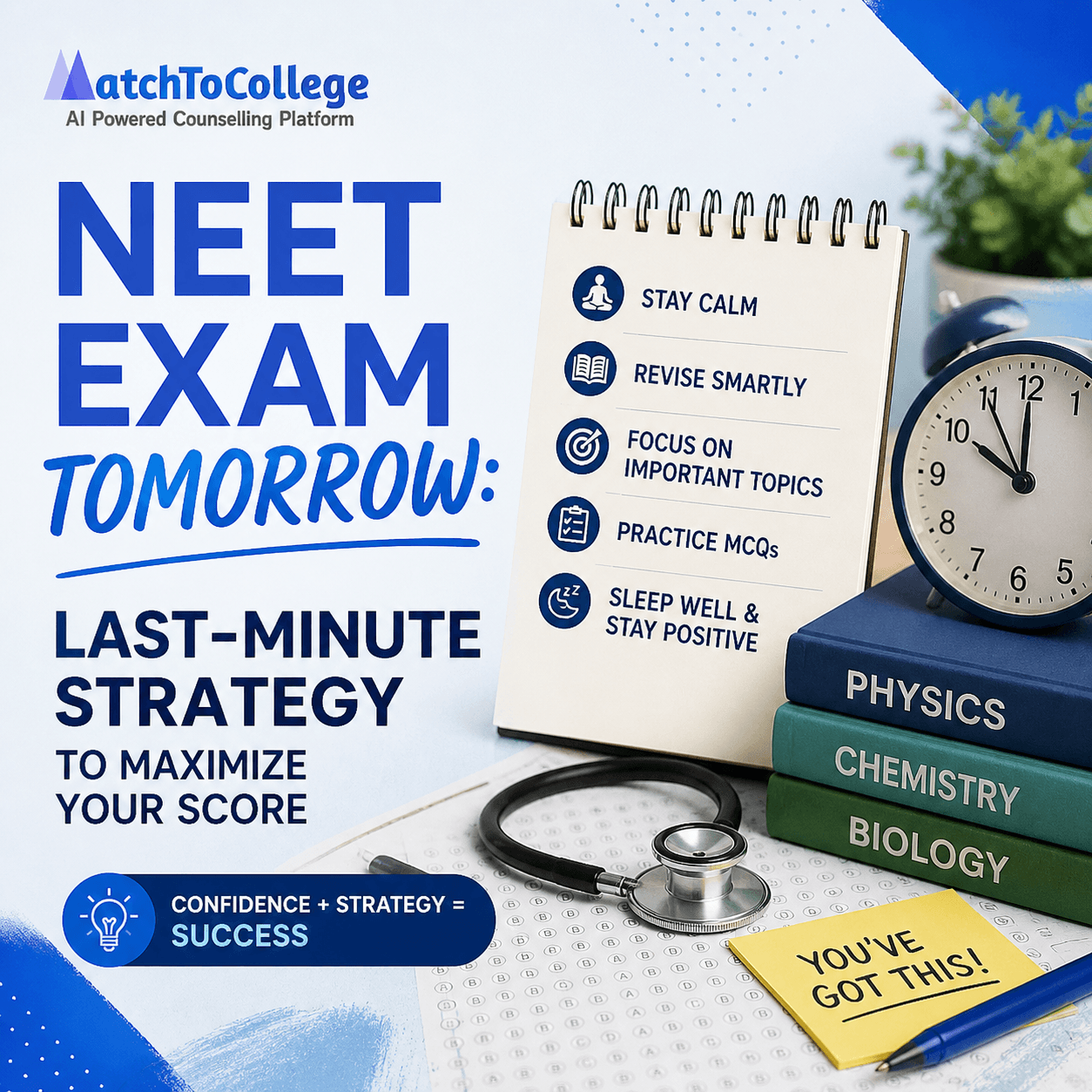
NEET Exam Tomorrow: Last-Minute Strategy to Maximize Your Score
NEET is tomorrow—here’s your complete last-day strategy covering revision, exam hall tips, and mistakes to avoid for maximum accuracy and performance.
GATE Previous Year Question Papers with Official Answer Keys (2007–2026) – Download PDF by Branch
Download official GATE previous year question papers with answer keys PDF from 2007 to 2026. Access branch-wise question papers for Computer Science (CS), Data Science (DA), Mechanical (ME), Electronics (EC), Electrical (EE), and Civil (CE) by IIT Madras.
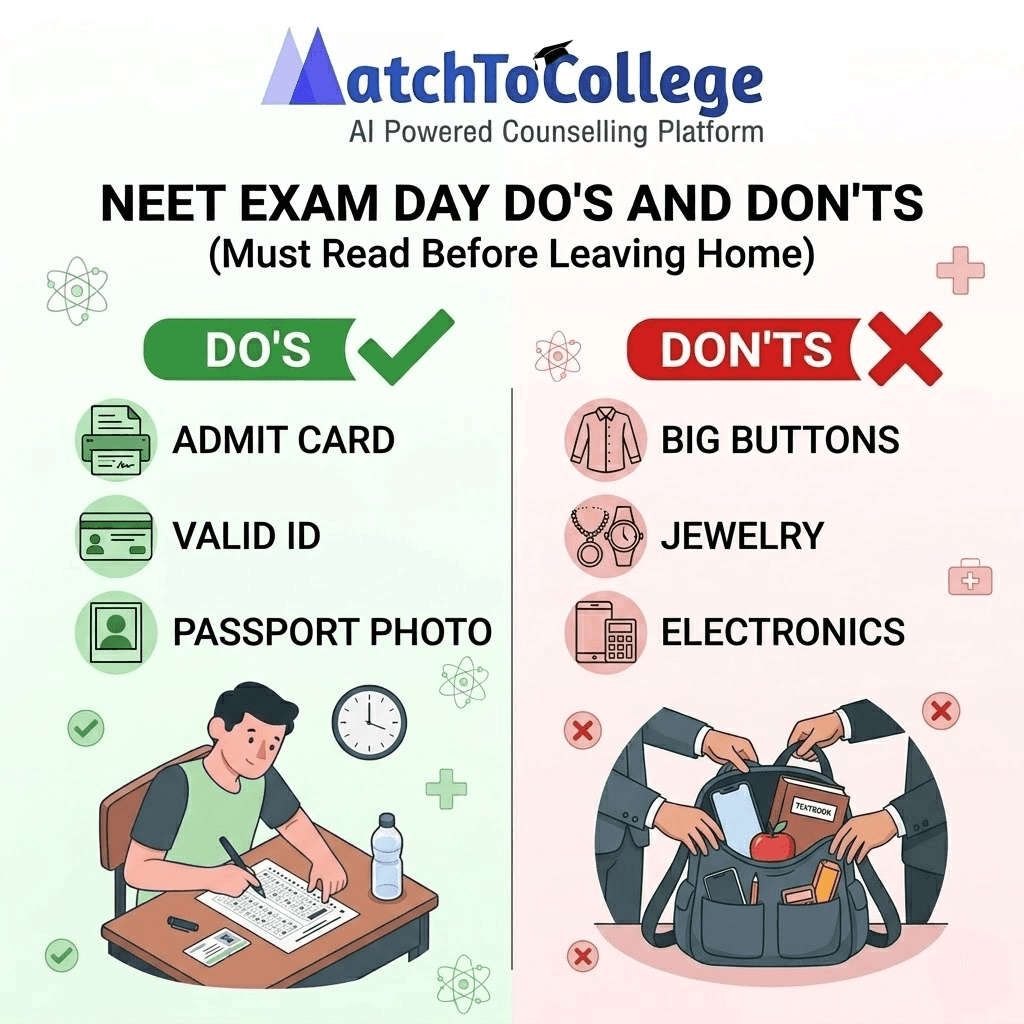
NEET Exam Day Do’s and Don’ts (Must Read Before Leaving Home)
Students appearing for the National Eligibility cum Entrance Test (NEET) must follow strict exam day guidelines set by the National Testing Agency. From required documents and dress code to prohibited items, this guide covers the most important NEET exam day do’s and don’ts to help candidates avoid last-minute problems at the exam center.