

Top Economics Universities in India 2026 | MatchToCollege
Admission & Info Tools
Need Expert Assistance?
Our counselors can help you with fee structures, eligibility guidelines, and upcoming admission cutoffs instantly.
Direct Application Tools
Top Economics Universities in India 2026
The world of economics is dynamic, influential, and offers a vast array of career paths, making it a highly sought-after discipline for aspiring students. As you look towards the academic year 2026, choosing the right institution for your economics degree in India is a pivotal decision that will shape your intellectual journey and future prospects. India's higher education landscape is rich with institutions offering exceptional economics programs, blending rigorous theoretical foundations with practical application and research opportunities.
However, navigating this diverse environment to find your perfect match can be overwhelming. From renowned public universities to rapidly emerging private institutions, each offers unique strengths in faculty expertise, curriculum design, research focus, and placement opportunities. This guide is specifically crafted to help students like you, and your parents, identify the crème de la crème of economics education in India for 2026. We'll delve into what makes a top-tier economics program, highlight leading universities, and provide actionable advice to ensure you make an informed choice.
At MatchToCollege, our AI-powered platform is designed to simplify this complex process, matching your unique profile and aspirations with the ideal universities, ensuring you not only gain admission but thrive academically and professionally. Let's embark on this journey to discover your future in economics, exploring institutions that foster critical thinking, analytical skills, and a deep understanding of global economic trends.
Understanding What Makes a Top Economics Program
When evaluating the best economics universities in India, several factors distinguish an exceptional program. For 2026 aspirants, it's crucial to look beyond mere reputation and delve into the core strengths:
| Factor | Details |
| Faculty Expertise and Research Output | A strong faculty with diverse specializations, notable research contributions, and active involvement in current economic debates ensures quality learning and academic growth. |
| Curriculum Breadth and Depth | A balanced curriculum covering microeconomics, macroeconomics, econometrics, and specialized areas like development economics, behavioral economics, and financial economics is essential. |
| Industry Linkages and Placements | Universities with strong connections to financial institutions, consulting firms, research organizations, and government agencies often offer better internships and placements. |
| Alumni Network | A strong alumni network provides mentorship, career guidance, and valuable professional connections for students and graduates. |
| Infrastructure and Resources | Access to well-equipped libraries, statistical software, research facilities, and modern classrooms enhances the overall academic experience. |
| Research Opportunities and Publications | Institutions that encourage undergraduate research, thesis work, and collaboration on faculty-led projects help students build stronger academic and professional profiles. |
Considering these criteria will help you identify institutions that not only offer a degree but also a holistic learning environment.
The Global Leaders: Top Universities for Economics Students 2026
Based on academic rigor, faculty, research, and placements, here are some of India's top institutions for economics students aiming for admission in 2026:
| Institution | Location | Key Highlights | Popular Economics Programs |
| Delhi University (DU) Colleges | Delhi | Home to prestigious colleges such as SRCC, LSR, Hindu College, and St. Stephen's College. Known for academic excellence, vibrant campus life, and strong placement opportunities. | B.A. (Hons.) Economics |
| Ashoka University | Sonepat, Haryana | Renowned for its interdisciplinary liberal arts education, emphasis on research, critical thinking, and global academic exposure. | B.A. (Hons.) Economics |
| Indian Statistical Institute (ISI) | Delhi & Kolkata | Highly respected for quantitative and analytical training, making it ideal for research, data science, and advanced economics studies. | M.Stat., M.S. (Quantitative Economics), Economics-related undergraduate programs |
| Indira Gandhi Institute of Development Research (IGIDR) | Mumbai, Maharashtra | Leading research-focused institution specializing in development economics, policy analysis, and advanced economic studies. | M.Sc. Economics, Ph.D. Economics |
| Gokhale Institute of Politics and Economics (GIPE) | Pune, Maharashtra | One of India's oldest economics institutes, known for research, public policy studies, and strong academic foundations. | Undergraduate, Postgraduate, and Doctoral Programs in Economics |
| Symbiosis School of Economics (SSE) | Pune, Maharashtra | Offers an industry-oriented curriculum, international collaborations, internship opportunities, and strong placement support. | B.Sc. (Economics) Honours |
Each of these institutions offers a unique learning environment, catering to different academic interests and career aspirations within the field of economics.
Navigating Admissions with MatchToCollege: Your Path to Success
While rankings provide a valuable starting point, your ideal university choice should extend beyond them. Consider these personalized factors to ensure the best fit:
| Factor | Details |
| Personal Academic Interests | Identify whether your interest lies in theoretical economics, applied econometrics, development studies, or financial economics, and choose programs with relevant specializations. |
| Campus Culture and Environment | Consider student-faculty ratio, peer group quality, extracurricular activities, and the overall campus atmosphere, as these contribute to both academic and personal growth. |
| Location and Cost | Evaluate the university’s location, lifestyle, tuition fees, living expenses, and scholarship opportunities to ensure the program fits your budget and preferences. |
| Career Goals | Align your university choice with your long-term plans, whether for corporate jobs, government roles, higher studies, or research careers. |
| Admission Process and Eligibility | Understand the required entrance exams (such as CUET, SET, etc.), eligibility criteria, and interview or counselling procedures for admission. |
Making this pivotal decision requires careful thought and often, expert guidance. MatchToCollege's AI-powered platform can be your invaluable partner, analyzing your academic profile, preferences, and career goals to provide personalized recommendations for top economics universities in India, guiding you every step of the way towards a successful admission journey.
Share this Article
FAQFrequently Asked Questions
Q: Which are the best universities for Economics in India for 2026?
Top universities for Economics in India for 2026 include Delhi University colleges (like SRCC, LSR, Hindu, St. Stephen's), Ashoka University, Indian Statistical Institute (ISI), Indira Gandhi Institute of Development Research (IGIDR), Gokhale Institute of Politics and Economics (GIPE), and Symbiosis School of Economics (SSE).
Q: What career opportunities does an Economics degree offer in India?
An Economics degree in India opens doors to diverse careers in sectors such as banking and finance, consulting, data analytics, market research, public policy, economic research, international development, civil services, and entrepreneurship.
Q: How can MatchToCollege help me choose the right Economics program?
MatchToCollege's AI-powered platform takes into account your academic profile, interests, career aspirations, and preferences to provide personalized recommendations for the best economics universities and courses in India, simplifying your college search and admission process.
Q: What entrance exams are required for Economics courses in India?
For undergraduate economics programs, many universities accept scores from the Common University Entrance Test (CUET). Private universities like Ashoka and Symbiosis have their own entrance exams (e.g., AAT, SET). Some institutions may also consider class 12th board percentages and personal interviews.
Top Colleges Covered in this Blog


Ashoka University
Ashoka University
Ashoka University is named after Emperor Ashoka (c. 304 – 232 BC), who represents India’s highest values and ideals. Emperor Ashoka’s dhamma revolved around liberal thought and education. Having personally undergone a self-transformation, Emperor Ashoka went on to spread his ideas far and wide across Asia. Drawing from Emperor Ashoka’s life of learning and transformation, Ashoka University provides a holistic education that is liberal, multidisciplinary, and interdisciplinary, offering a diverse and inclusive space for its students to think deeply and critically, learn across disciplinary boundaries, express themselves creatively, and communicate with meaning to cause impact and change. Students are encouraged to explore ideas, engage in research, and focus on values and ideals of the highest order to experience self-transformation within the duration of their education and henceforth. The expanding universe of multidisciplinary education is depicted through an intersection of arcs that reflect the creation and synthesis of diverse knowledge as portrayed in the Ashoka University logo. Ashoka University is a pioneer in its focus on providing a liberal education at par with the best in the world. The aim at Ashoka is to help students become well-rounded individuals who can think critically about issues from multiple perspectives, communicate effectively, and become leaders with a commitment to public service. An Ashoka education carries a strong emphasis on foundational knowledge, thorough academic research based on rigorous pedagogy, and hands-on experience with real-world challenges. The 2800-plus students on campus, drawn from 28 states and over 287 cities in India and 21 other countries, receive a world-class interdisciplinary education through undergraduate and postgraduate programs led by internationally renowned faculty.
Total Fees
₹1L - ₹53L
Total Courses
4
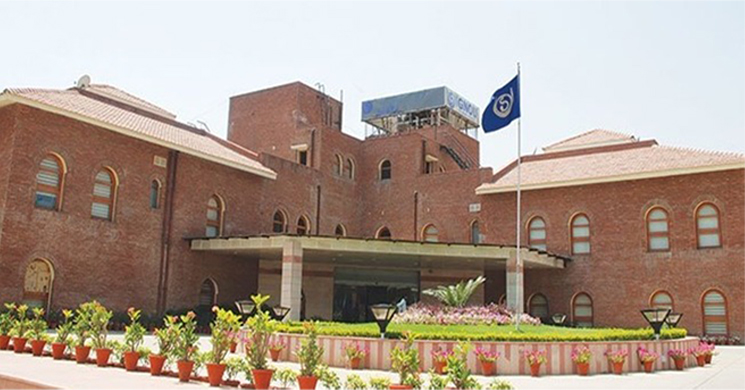

Indira Gandhi National Open University
Indira Gandhi National Open University
Indira Gandhi National Open University (IGNOU) is a premier Central University established in 1985 to democratize higher education in India through open and distance learning. It is the largest university in the world in terms of student enrollment, offering over 300 academic programmes through distance and online modes across multiple disciplines.
Total Fees
₹10K - ₹60K
Total Courses
18
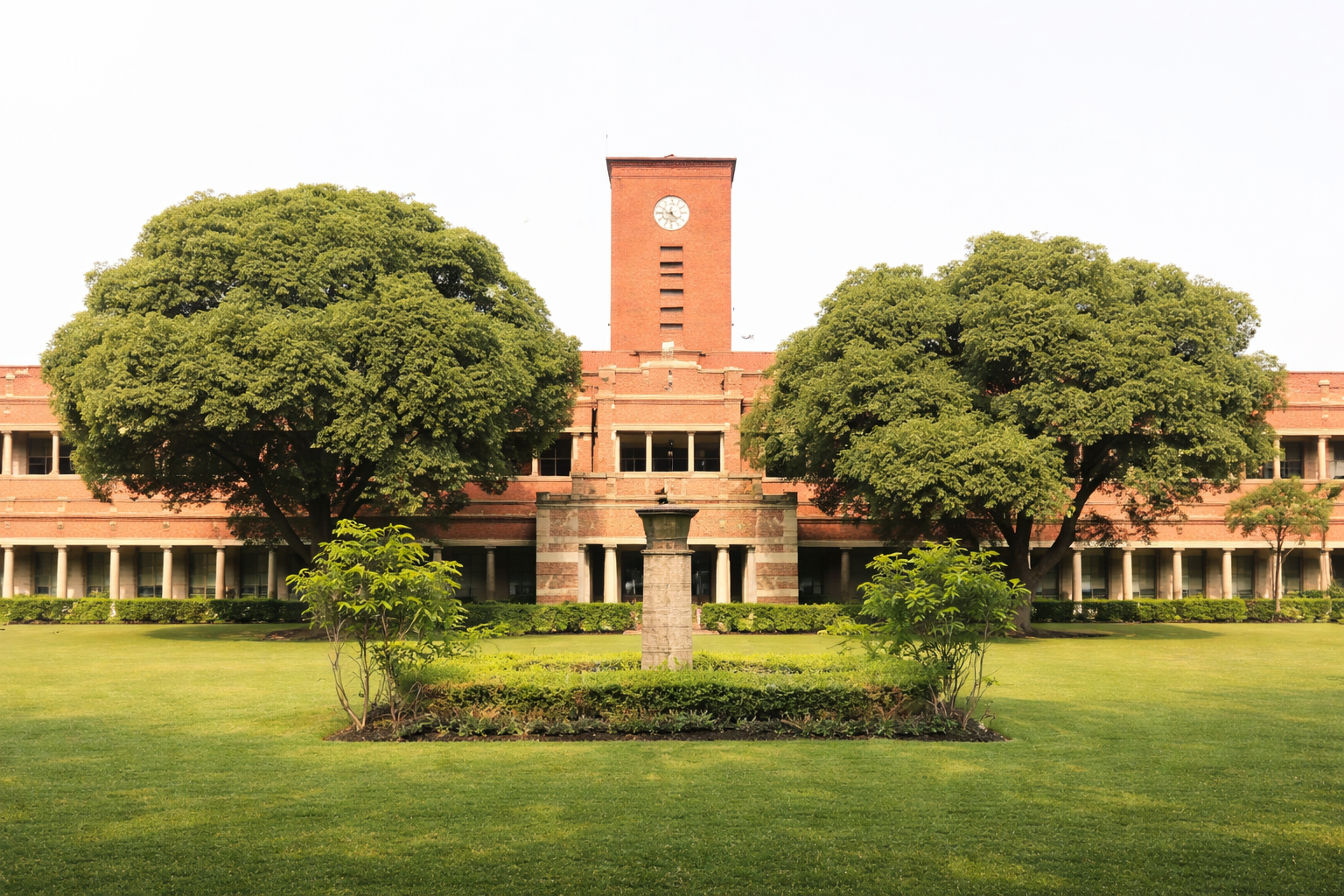

Shri Ram College of Commerce
Shri Ram College of Commerce
In 1951, on the occasion of its Silver Jubilee, the Commercial College decided to specialize in the field of commerce and economics and hence rechristened itself as Shri Ram College of Commerce (SRCC) in recognition of the contribution made by its founder Sir Shri Ram. Three years later, in 1954, the College shifted completely to its present day campus in the North Campus, University of Delhi.
Total Fees
₹97K - ₹3.2L
Total Courses
5
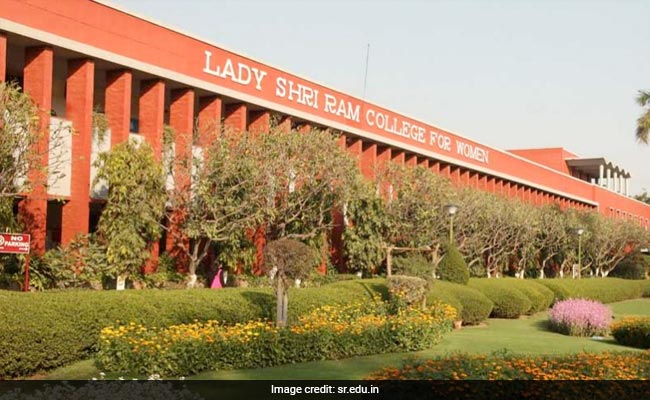

Lady Shri Ram College for Women
Lady Shri Ram College for Women
Lady Shri Ram College for Women is one of India’s premier institutions for higher education in humanities, social sciences, commerce, and sciences. Established in 1956, the college is known for academic excellence, strong research culture, outstanding faculty, and exceptional student outcomes. It consistently ranks among the top colleges in India.
Total Fees
₹36K - ₹1L
Total Courses
7
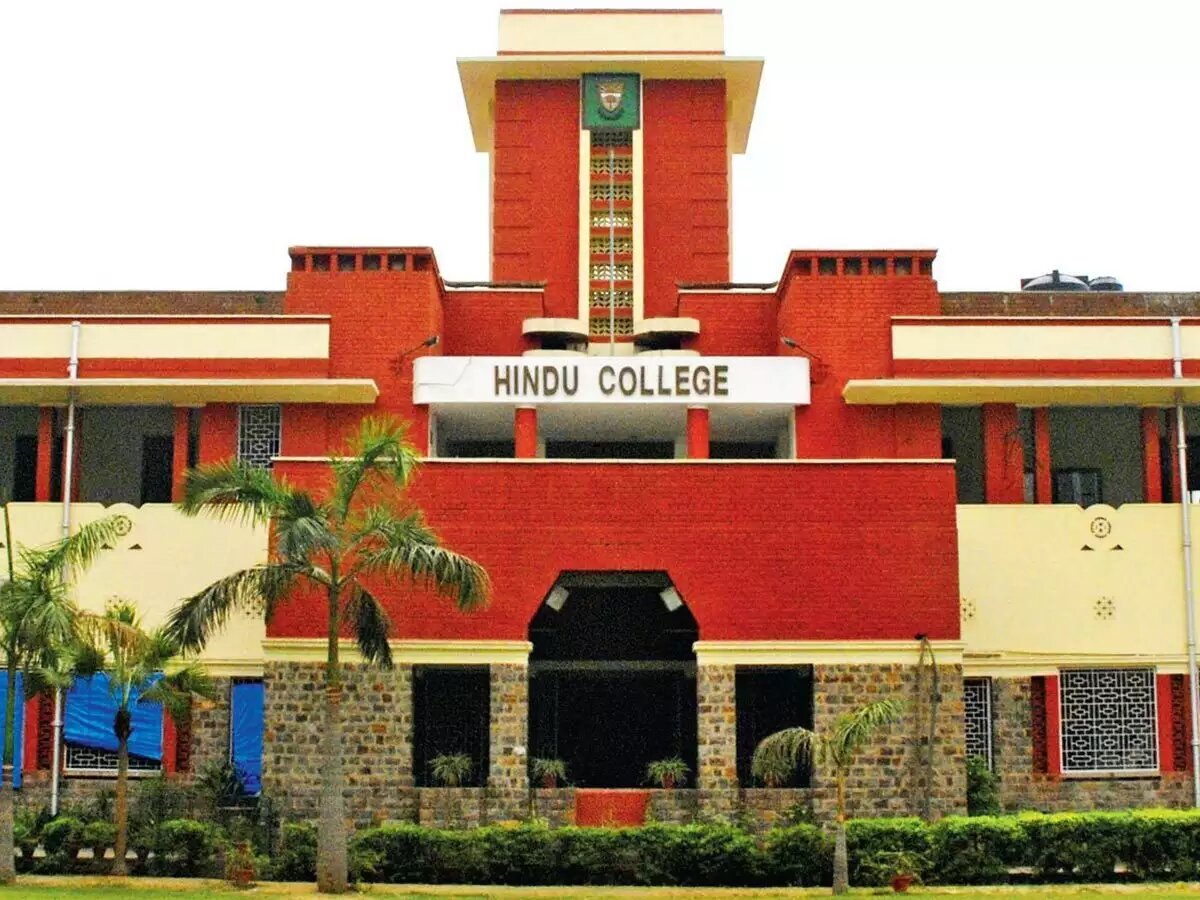
Hindu College, University of Delhi
Hindu College, University of Delhi
Hindu College, which was established in 1899, has a distinguished background that ties it intimately to both the country and the city of Delhi. The idea of the College was born out of the movement for Indian independence, which was growing in strength as the nineteenth century drew to a close. The Indian National Congress had been founded a little more than ten years prior, and this year, at the momentous Lucknow session, the first party constitution was drafted. In 1899, Mahatma Gandhi was in South Africa spearheading a campaign against efforts to disenfranchise the Indian community there. Dadabhai Naoroji was two years away from publishing his Poverty and Un-British Rule in India. Bal Gangadhar Tilak had made his now-famous claim that Swaraj should be a birthright.
Total Fees
₹56K - ₹1.3L
Total Courses
7
Get More Info About Top Economics Universities in India 2026
Recommended Reading

Best Online MBA Specializations for High-Paying Careers 2026
Discover the most lucrative online MBA specializations for 2026-27. Compare ROI, career growth, and use our AI tools to find your perfect management path.

Top Career Opportunities After an Online MBA in 2026-27
Discover high-paying career paths and roles after an online MBA in 2026-27. Explore salary trends, ROI, and tools to navigate your future professional success.
Tax Deductions on Higher Education: 2026-27 India Guide
Maximize your savings with our guide on tax deductions for higher education fees in India for FY 2026-27. Learn about Section 80C, 80E, and upskilling benefits.