

Social Media & Student Careers: Navigating Your Digital Future
Admission & Info Tools
Need Expert Assistance?
Our counselors can help you with fee structures, eligibility guidelines, and upcoming admission cutoffs instantly.
Direct Application Tools

Social media and career impact for students
In today's hyper-connected world, social media isn't just a leisure activity; it's an undeniable force shaping every facet of our lives, including the trajectory of a student's career. From kindergarten to college, digital natives have grown up with a smartphone in hand, curating online identities before they even consider their first job interview. This omnipresent digital footprint, often a mix of personal snapshots and public commentary, has a profound and often surprising impact on future academic and professional opportunities.
For ambitious students and their supportive parents, understanding this dynamic is no longer optional—it's essential. While social platforms can be powerful tools for networking, personal branding, and discovering career paths, they also harbor potential pitfalls that could derail even the most promising aspirations. Employers and university admissions committees increasingly scrutinize online profiles, searching for insights into a candidate's character, professionalism, and potential fit. A carelessly posted meme or an ill-advised comment could carry unexpected weight, impacting scholarship eligibility, internship prospects, or even graduate school applications.
This blog post aims to clarify the complex relationship between social media and student careers, offering a comprehensive guide to leveraging its benefits while skillfully sidestepping its dangers. We'll explore the dual nature of social media's influence, providing actionable strategies to ensure your digital presence becomes an asset, not a liability, in your quest for academic and professional excellence. Get ready to transform your online interactions into stepping stones for a brighter future.
The Double-Edged Sword: Social Media's Unseen Influence
Social media platforms like Instagram, TikTok, LinkedIn, and Twitter are more than just communication tools; they are extensions of our personal and professional identities. For students, this means every post, like, and share contributes to a growing digital footprint that is often accessible to a wider audience than anticipated. This footprint can be a powerful advocate or a silent saboteur when it comes to career advancement.
Think of your social media profiles as a public resume—one that's constantly being updated. Prospective employers, scholarship committees, and university admissions officers are increasingly using these platforms as a vetting tool. They aren't just looking for red flags; they're also searching for positive indicators of leadership, critical thinking, creativity, and community involvement. Understanding this reality is the first step toward strategically managing your online presence.
Positive Impacts: Leveraging Social Media for Career Growth
When used strategically, social media can be an invaluable asset for students aiming for career success:
- Professional Networking: Platforms like LinkedIn offer unparalleled opportunities to connect with industry professionals, alumni, and potential mentors. Engaging in relevant discussions and following thought leaders can open doors to internships, job referrals, and insightful advice.
- Personal Branding & Skill Showcase: Students can use platforms to highlight projects, academic achievements, volunteer work, and soft skills. A student pursuing engineering could share GitHub projects; an aspiring artist might showcase their portfolio on Instagram or Behance. This builds a compelling professional narrative.
- Information Gathering: Social media is a rich source of real-time industry trends, company news, and job openings. Following relevant companies and hashtags keeps students informed and agile in their career planning.
- Skill Development & Learning: Many professionals and organizations share valuable educational content, tutorials, and free resources. Students can learn new skills or deepen existing knowledge, often from experts, directly through their feeds.
- Demonstrating Initiative: Actively participating in online communities related to their chosen field shows initiative, passion, and a commitment to continuous learning—qualities highly valued by employers.
Negative Impacts: Pitfalls to Avoid in the Digital Sphere
Despite its advantages, social media presents significant challenges if not managed carefully:
- Reputation Damage: Inappropriate content (offensive jokes, controversial opinions, party photos), poor digital etiquette, or public negativity can severely harm a student's professional reputation. Once something is online, it's incredibly difficult to remove entirely.
- Distraction and Procrastination: The addictive nature of social media can lead to excessive screen time, diverting focus from academic studies, project deadlines, and essential career planning activities. This directly impacts academic performance and productivity.
- Privacy Concerns: Oversharing personal information can make students vulnerable to identity theft, cyberbullying, or unwanted attention, potentially impacting their safety and mental well-being.
- Misinformation & Echo Chambers: The spread of inaccurate information and the tendency of algorithms to create 'echo chambers' can lead to skewed perspectives, hindering critical thinking and effective decision-making.
- Comparison Culture & Mental Health: Constantly viewing curated highlight reels of others' lives can lead to feelings of inadequacy, anxiety, and depression, affecting a student's confidence and motivation for their own career journey.
Navigating the Digital Landscape: Best Practices for Students
To turn social media into a career advantage, students need a strategic approach:
- Audit Your Digital Footprint: Regularly search your name online. What do you find? Remove or privatize any content that could be perceived negatively by a professional audience.
- Curate a Professional Presence: Maintain a clean, professional profile picture. Ensure your bio is complete and highlights your aspirations and achievements. Share content that aligns with your professional goals.
- Think Before You Post: Adopt the 'grandma rule'—if you wouldn't want your grandmother (or a potential employer) to see it, don't post it. Be mindful of tone, language, and permanence.
- Master Your Privacy Settings: Understand and utilize the privacy settings on all your social media accounts. Separate personal and professional content where possible, or keep personal accounts strictly private.
- Engage Constructively: Participate in meaningful discussions, offer thoughtful insights, and avoid engaging in online arguments or negativity. Be a digital citizen.
- Time Management: Set limits on social media usage to avoid distraction. Use apps or built-in phone features to monitor and control screen time, prioritizing study and career development.
- Utilize Professional Platforms: Actively build a strong LinkedIn profile. Connect with professors, alumni, and professionals in your target industries. Share articles, projects, and insights relevant to your field.
Social Media Dos and Don'ts for Career-Focused Students
| Aspect | Do's | Don'ts |
| Profile | Use a professional photo; complete, compelling bio; highlight skills & achievements. | Generic/inappropriate photos; incomplete info; oversharing personal details. |
| Content | Share accomplishments, industry news, thoughtful insights, educational content. | Post controversial/offensive content; engage in negativity; rant publicly. |
| Networking | Connect with professionals, engage constructively, seek mentorship. | Spam others; engage in arguments; send generic, un-personalized requests. |
| Privacy | Review settings regularly; be selective with connections; create private lists. | Assume everything is private; accept all requests; share sensitive info. |
| Time Mgmt. | Allocate specific time for professional networking; schedule digital detox. | Endless scrolling; letting social media consume study/productive time. |
Share this Article
FAQFrequently Asked Questions
Q: Can colleges or employers really check my social media?
Yes, absolutely. A significant number of colleges, scholarship committees, and potential employers routinely check applicants' public social media profiles. They use this as a tool to gain deeper insights into your character, professionalism, communication skills, and how you present yourself online, which can influence their admission or hiring decisions. It's crucial to maintain a thoughtful and professional online presence.
Q: What kind of social media content should I avoid if I'm career-focused?
To protect your career prospects, avoid posting anything that could be perceived as unprofessional, offensive, discriminatory, or excessively private. This includes controversial political or religious opinions, illicit activities, excessive partying, derogatory comments about past employers or teachers, or anything that lacks good judgment. Always consider the long-term implications of your posts.
Get More Info About Social Media & Student Careers
Recommended Reading

Forex Cards, GIC & Blocked Accounts: Student Finance Guide
Master the complexities of Canada's $20,635 GIC and Germany's €11,208 Blocked Account requirements. Learn how to manage currency transfers effectively.
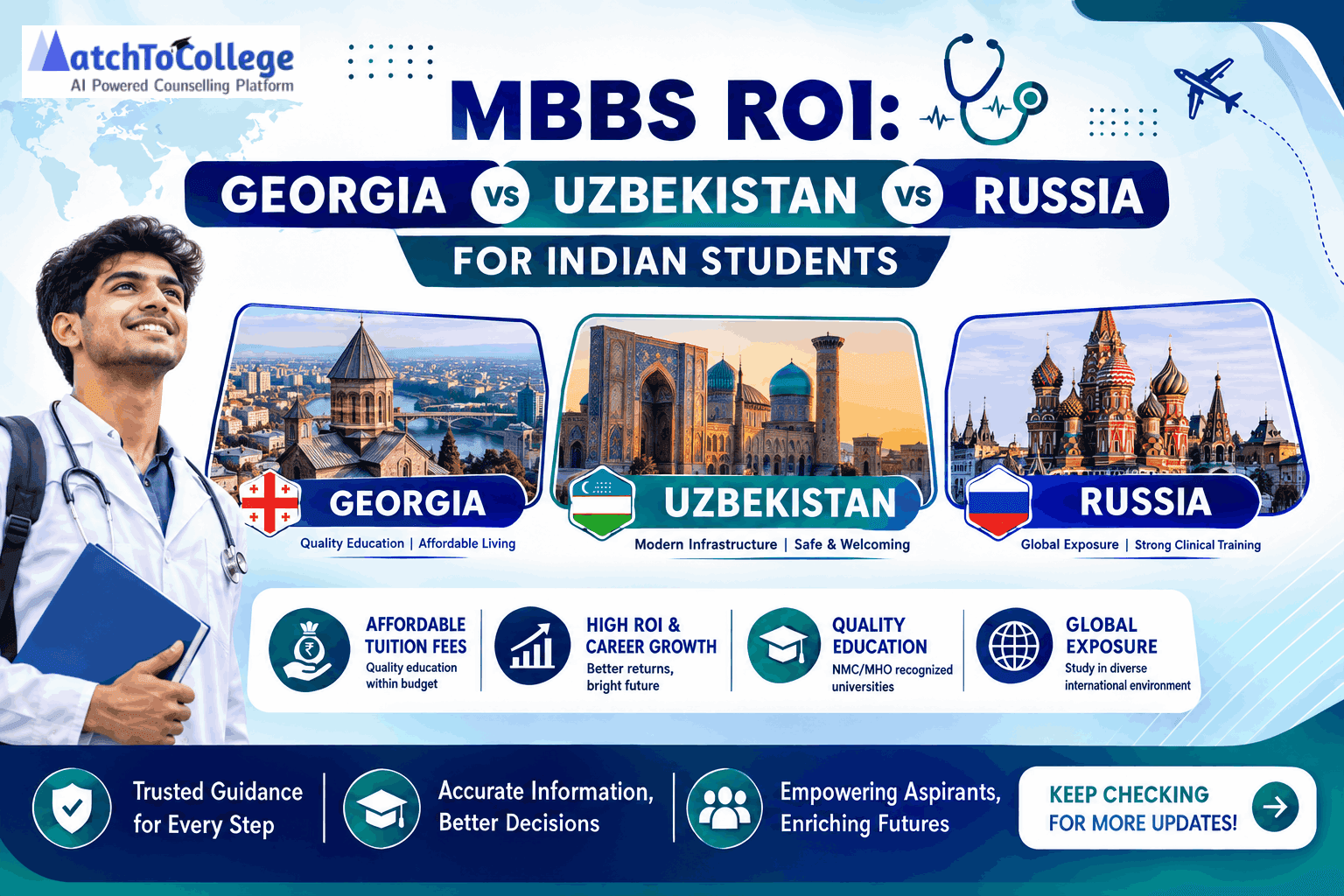
MBBS ROI: Georgia vs Uzbekistan vs Russia for Indian Students
Compare MBBS ROI in Georgia, Uzbekistan, and Russia. Analysis of fees, NMC compliance, and NEXT readiness for 2026 Indian medical aspirants.
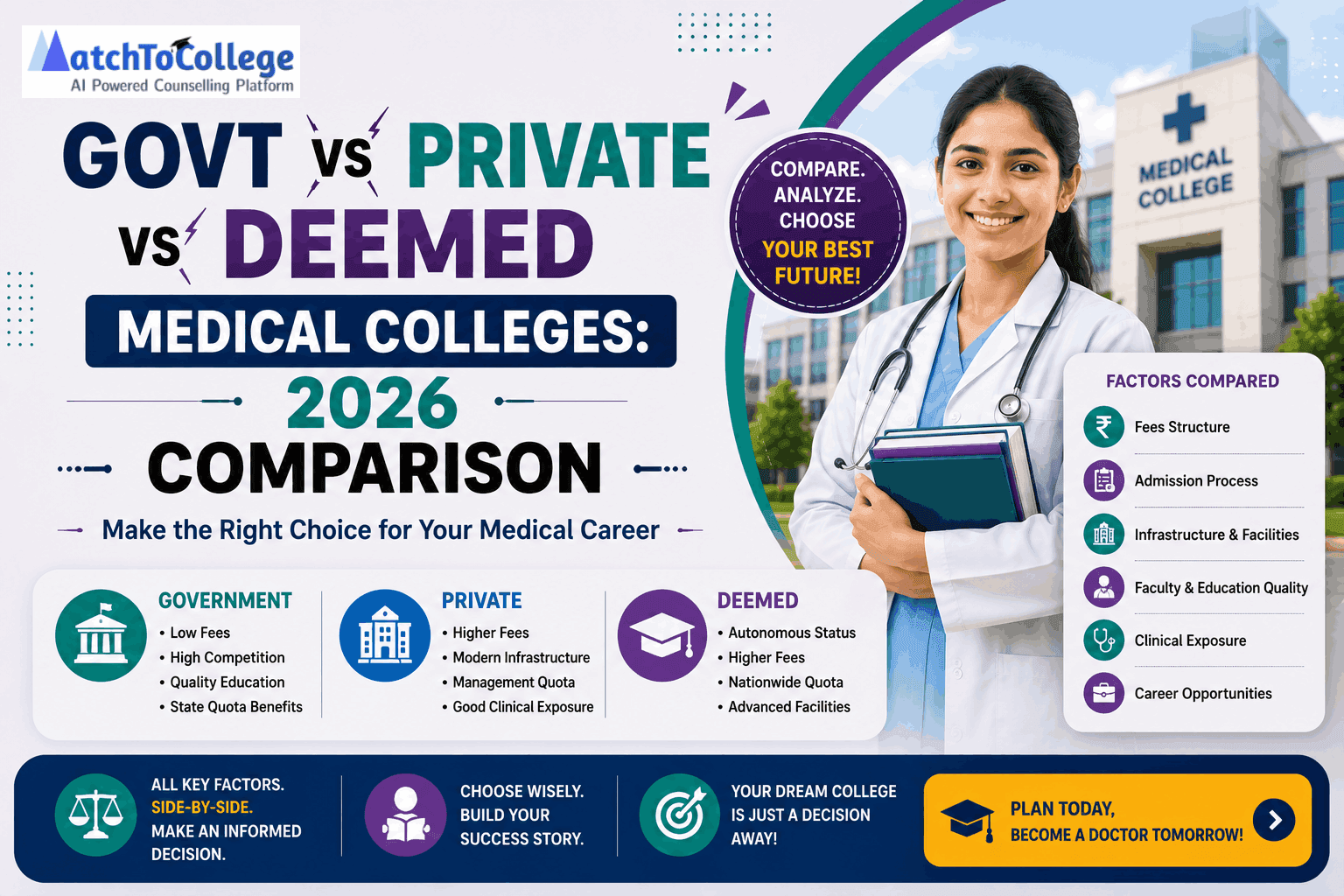
Govt vs Private vs Deemed Medical Colleges: 2026 Comparison
A deep dive into the 1,08,940 MBBS seats in India. Compare fees from ₹10,000 to ₹30 Lakhs and analyze clinical exposure across Govt, Private, and Deemed colleges.