

The rise of "Micro-credentials" vs. traditional Degrees.
Admission & Info Tools
Need Expert Assistance?
Our counselors can help you with fee structures, eligibility guidelines, and upcoming admission cutoffs instantly.
Direct Application Tools

Micro-credentials challenge traditional college degrees
The landscape of higher education is undergoing a seismic shift. For generations, the pursuit of a traditional university degree – a Bachelor's, Master's, or Ph.D. – was the gold standard, the undisputed gateway to professional success. It promised comprehensive knowledge, critical thinking skills, and a network of future leaders. However, in an increasingly dynamic and skill-driven job market, a new contender has emerged: micro-credentials. These focused, often short-term certifications, bootcamps, and digital badges are gaining significant traction, offering targeted skills and rapid career advancement. This rise has sparked a crucial debate: are micro-credentials set to replace traditional degrees, or do they serve complementary roles in a lifelong learning journey?
Students and parents today face an unprecedented array of choices, each with its own merits and potential pitfalls. The pressure to make the "right" educational decision, one that yields a strong return on investment and prepares individuals for the careers of tomorrow, is immense. Questions abound: Will a traditional degree still hold its value? Are micro-credentials recognized by employers? Can one truly succeed without the foundational knowledge a degree provides? This blog post, brought to you into the characteristics, benefits, and challenges of both micro-credentials and traditional degrees, providing you with the clarity needed to make an informed decision about your future. Our goal is not to declare a single winner, but to empower you with the knowledge to identify the path – or combination of paths – that best aligns with your personal aspirations, career goals, and learning style in this era of continuous professional development. Understanding these modern higher education trends is crucial for navigating the future job market effectively.
The Agile Advantage: Exploring Micro-credentials and Skill-Based Learning
Micro-credentials represent a paradigm shift in education, offering focused, verifiable learning outcomes in specific skill areas. Unlike the broad curriculum of a degree, these credentials typically target in-demand skills such like data analytics, digital marketing, cybersecurity, or project management. They come in various forms: professional certifications from industry leaders (e.g., Google, AWS), online course specializations (Coursera, edX), coding bootcamps, and digital badges awarded for mastering a particular competency. The primary appeal lies in their flexibility, affordability, and speed. Students can acquire specific, job-ready skills in a matter of weeks or months, often at a fraction of the cost of a traditional degree. This makes them ideal for individuals looking for rapid upskilling or reskilling to meet immediate job market needs, or for professionals seeking continuous career advancement. Employers increasingly value these credentials as direct indicators of practical proficiency, making graduates with relevant micro-credentials highly competitive in specialized fields. The focus here is on demonstrable competencies and immediate applicability, aligning perfectly with the demands of the modern workforce for agility and practical expertise.
The Enduring Legacy: Why Traditional Degrees Still Matter
While micro-credentials offer undeniable advantages, the traditional university degree retains its profound value and unique benefits. A Bachelor's or Master's degree provides a comprehensive, holistic education that extends far beyond specific technical skills. It cultivates critical thinking, problem-solving, analytical reasoning, and communication abilities – foundational skills that are highly transferable across diverse industries and evolve less rapidly than specific technologies. Traditional programs expose students to a wide range of disciplines, fostering intellectual curiosity, a deeper understanding of complex subjects, and a broader worldview. Furthermore, universities offer unparalleled opportunities for networking with faculty, peers, and alumni, conducting in-depth research, and participating in extracurricular activities that build leadership and teamwork skills. The accreditation associated with traditional degrees often carries significant weight globally, opening doors to certain professions (e.g., medical, legal, engineering) and advanced academic pursuits. For many employers, particularly in leadership or research-intensive roles, a traditional degree signifies a proven capacity for sustained learning, rigorous academic discipline, and a well-rounded intellectual foundation. It’s an investment in intellectual capital and a robust professional identity.
Charting Your Course: Integrating Credentials for Future Success
So, which path is superior? The answer isn't about one replacing the other; it's about strategic integration and understanding your personal and professional goals. For those entering the workforce, a traditional degree provides a strong foundation and broad opportunities, while adding targeted micro-credentials can make you stand out. For professionals seeking career pivots or to fill specific skill gaps, micro-credentials offer efficient pathways without committing to another multi-year degree. Many successful individuals are now adopting a hybrid approach, combining the comprehensive knowledge of a degree with the agility of skill-based learning. This "stackable credentials" model allows for continuous professional development, ensuring lifelong learning and adaptability in a rapidly changing world. To navigate these complex choices, students need personalized guidance. Learning preferences to recommend the best educational pathways – whether it’s a traditional degree, a micro-credential, or a combination of both. Connect yourself with institutions and programs that align perfectly with your unique journey, helping you make confident, informed decisions about your future in higher education and ensuring a strong return on your educational investment.
Share this Article
FAQFrequently Asked Questions
Q: Are micro-credentials recognized by employers?
Yes, many employers increasingly recognize and value micro-credentials, especially those from reputable institutions or industry leaders, as they demonstrate specific, in-demand skills and a commitment to continuous professional development. However, their value can vary by industry and the specific credential.
Q: Can a micro-credential replace a traditional university degree?
Generally, no. While micro-credentials offer targeted skill acquisition and career advancement, they typically do not provide the broad foundational knowledge, critical thinking skills, research opportunities, or accreditation of a traditional degree. They are often best seen as complementary tools for upskilling, reskilling, or enhancing a degree, rather than a direct replacement, particularly for professions requiring specific academic qualifications.
Q: What are the benefits of combining micro-credentials with a traditional degree?
Combining micro-credentials with a traditional degree offers the best of both worlds: the comprehensive knowledge, critical thinking, and networking opportunities of a degree, complemented by the specific, in-demand skills and rapid career readiness provided by micro-credentials. This hybrid approach enhances employability and adaptability in a dynamic job market.
Get More Info About The rise of "Micro-credentials" vs. traditional Degrees.
Recommended Reading
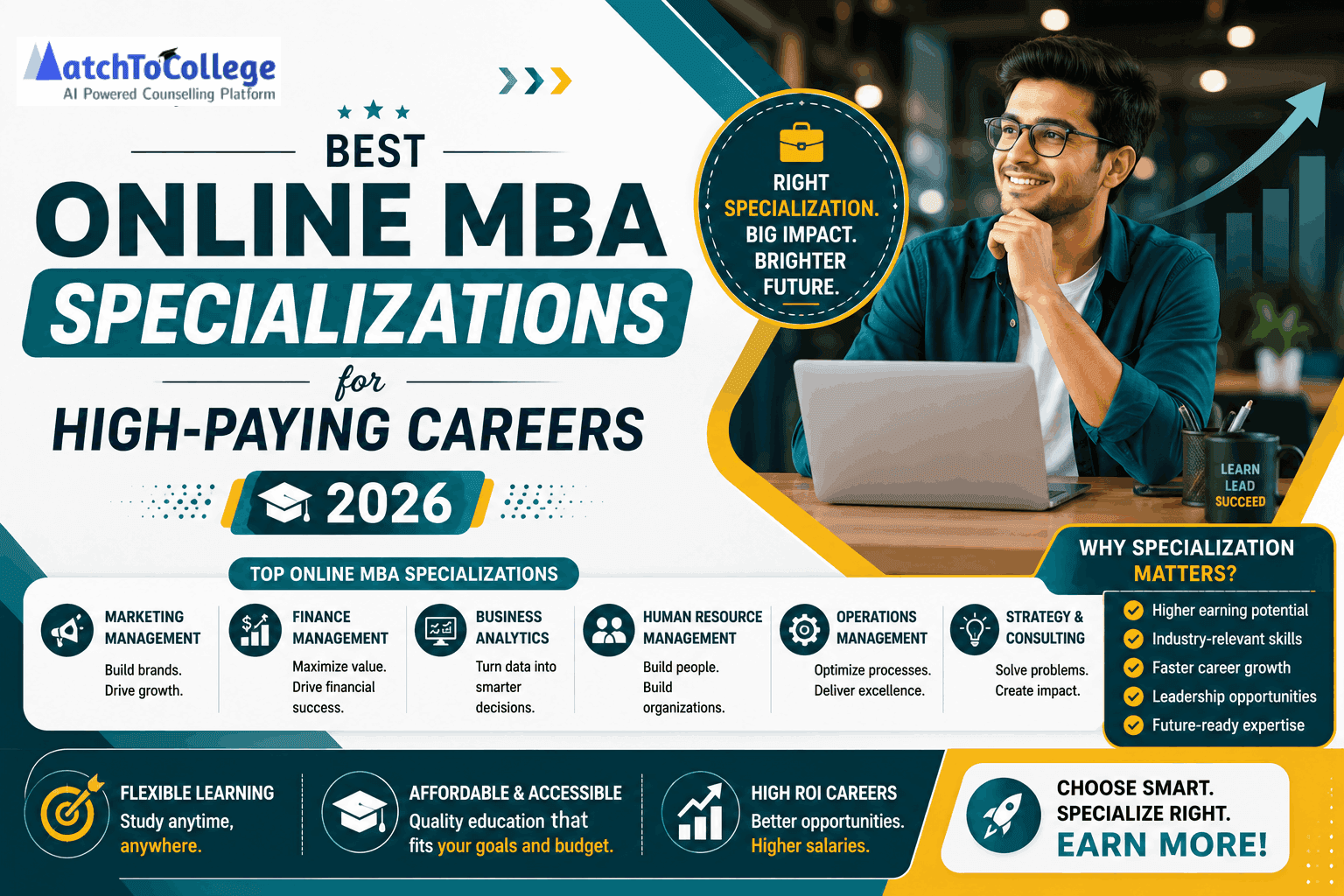
Best Online MBA Specializations for High-Paying Careers 2026
Discover the most lucrative online MBA specializations for 2026-27. Compare ROI, career growth, and use our AI tools to find your perfect management path.
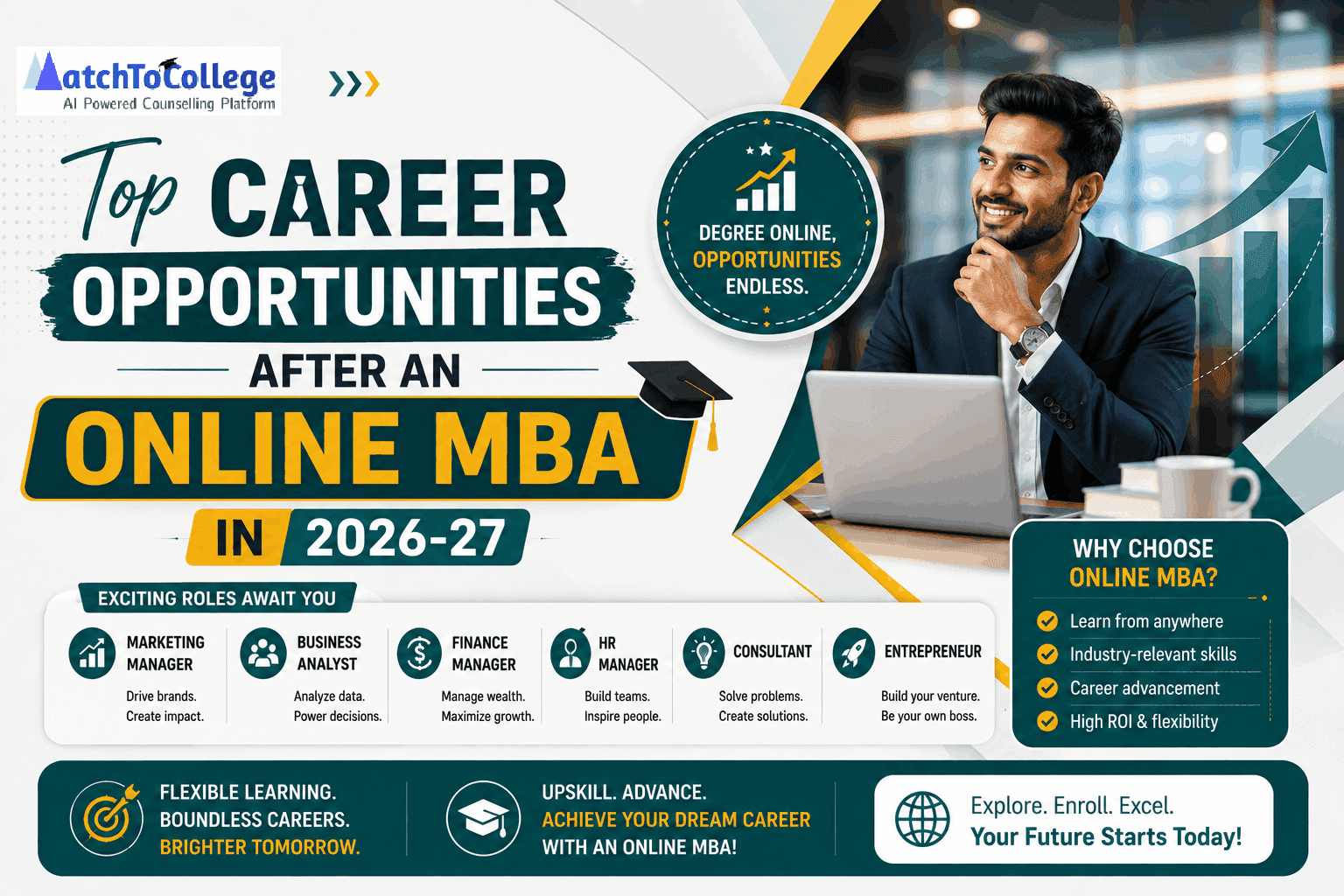
Top Career Opportunities After an Online MBA in 2026-27
Discover high-paying career paths and roles after an online MBA in 2026-27. Explore salary trends, ROI, and tools to navigate your future professional success.
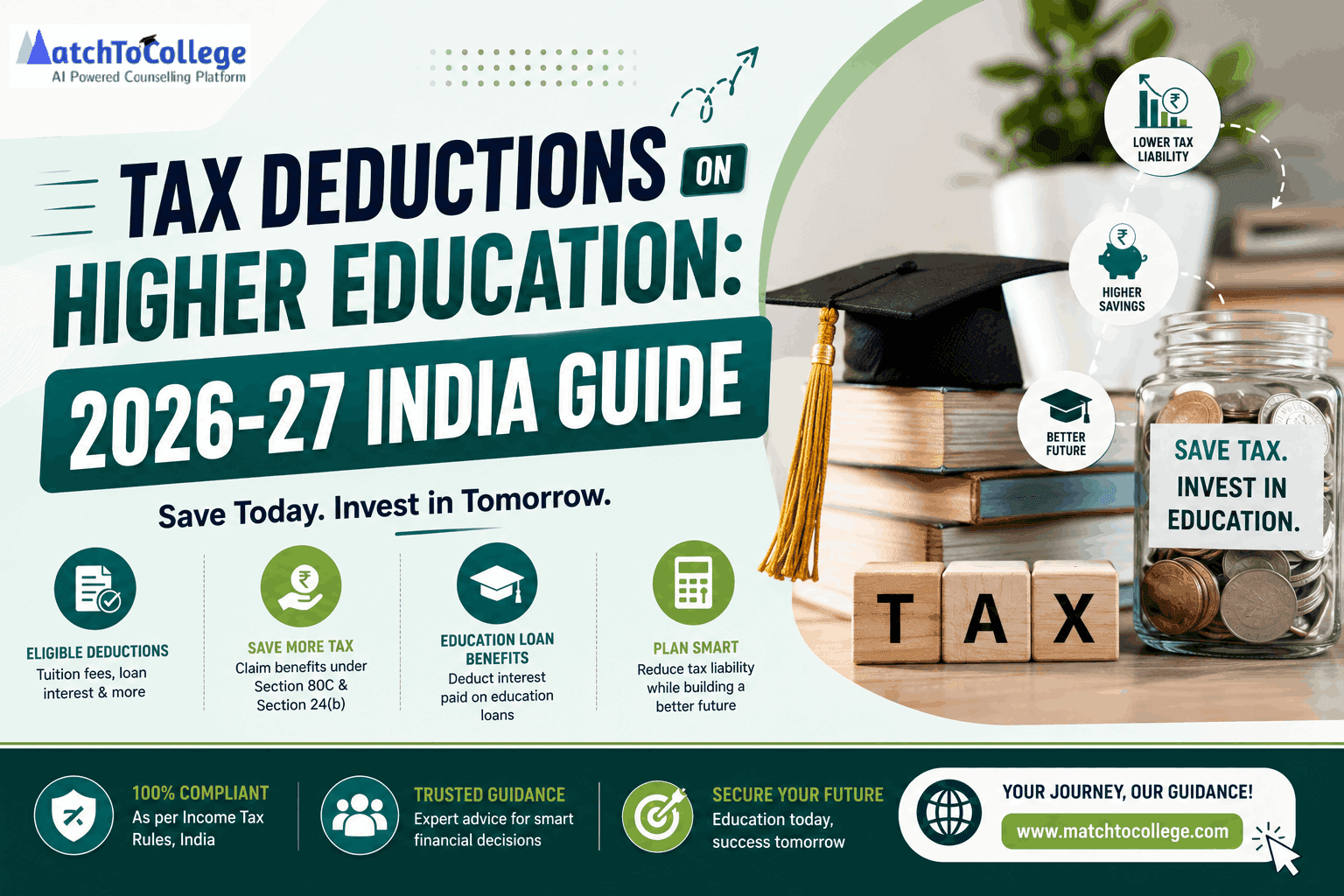
Tax Deductions on Higher Education: 2026-27 India Guide
Maximize your savings with our guide on tax deductions for higher education fees in India for FY 2026-27. Learn about Section 80C, 80E, and upskilling benefits.