

MBA in India vs. Abroad 2026-27: ROI, Cost & Visa Guide
Admission & Info Tools
Need Expert Assistance?
Our counselors can help you with fee structures, eligibility guidelines, and upcoming admission cutoffs instantly.
Direct Application Tools

Deciding between pursuing an MBA in India versus heading abroad is one of the most critical financial and professional crossroads for aspiring leaders. As we approach the 2026-27 academic cycle, the landscape of global management education is undergoing a seismic shift. Rapid AI integration, fluctuating geopolitical climates, and evolving visa regulations have made the 'ROI calculation' more complex than ever before.
At MatchToCollege, we leverage AI-powered insights to help students navigate these waters, ensuring that your choice aligns not just with your budget, but with your long-term career trajectory. Whether you are eyeing the prestigious corridors of the Indian Institutes of Management (IIMs) or the global prestige of M7 business schools in the US, understanding the nuanced differences in curriculum, networking, and post-graduation opportunities is essential.
The 2026-27 outlook suggests a bifurcated market. In India, the domestic economy's resilience is driving unprecedented demand for homegrown managerial talent, particularly in fintech, green energy, and digital transformation. Conversely, international MBA programs in the USA, UK, France, and Singapore are pivoting towards specialized STEM-designated tracks to offer better visa security to international students. This guide provides a comprehensive breakdown of the total cost of attendance, the 'real' Return on Investment (ROI), and the latest shifts in visa pathways.
We will explore why a high CTC in USD doesn't always translate to higher purchasing power and how the Indian startup ecosystem is narrowing the compensation gap. By the end of this analysis, you will have a clear framework to decide which path serves your 2026-27 goals best.
Total Cost of Attendance: Domestic vs. Global Benchmarks 2026-27
For the 2026-27 academic year, the cost of an MBA has seen an inflationary climb both in India and abroad. In India, top-tier institutions like IIM Ahmedabad, Bangalore, and Calcutta, along with ISB, have seen fee hikes ranging from 5% to 8% annually. A two-year PGP/MBA in India now typically costs between ₹25 Lakhs to ₹45 Lakhs ($30,000 to $54,000), including tuition, hostel, and miscellaneous expenses.
This remains one of the most cost-effective high-quality management educations globally, especially when considering the lack of currency exchange volatility for domestic students.
Contrast this with the costs of studying abroad. In the United States, a two-year MBA at a top-20 school now comfortably exceeds $220,000 (approx. ₹1.85 Crores) when factoring in tuition, high-cost-of-living urban areas, and mandatory health insurance. European programs, such as those at INSEAD or LBS, offer a shorter duration (10-15 months), which reduces the living expense burden but still commands tuition fees in the range of €95,000 to €110,000.
For 2026, students must also account for 'hidden costs' like visa processing fees, international travel, and the rising cost of student housing in cities like London, New York, and Boston. At MatchToCollege, we emphasize that while the sticker price abroad is nearly 4x that of India, the access to global capital markets and high-denomination currency earnings often justifies the initial outlay for those with specific international career goals.
ROI and Average CTC: The 2026 Compensation Landscape
When analyzing ROI, the 'Average CTC' (Cost to Company) is the most sought-after metric. For the 2026-27 cycle, IIMs and ISB are projected to maintain an average domestic CTC of ₹32 Lakhs to ₹38 Lakhs per annum, with top-tier consulting and finance roles touching ₹70 Lakhs. The ROI in India is exceptionally fast; most students can repay their domestic education loans within 3 to 5 years, given the lower principal amount and high domestic demand for managers in the burgeoning ₹5 Trillion economy.
Internationally, the numbers are higher in absolute terms but require a more nuanced view. A graduate from a top-10 US B-school in 2026 can expect an average base salary of $175,000 to $190,000 (approx. ₹1.5 Crores). However, after US federal and state taxes (which can consume 30-40% of income) and the high cost of living in hubs like San Francisco or NYC, the 'disposable ROI' might surprise you.
The payback period for an international MBA typically spans 7 to 10 years. However, the 'Global Premium'—the prestige and the ability to work in leading tech and finance firms—often leads to a higher terminal value of the degree. If you plan to return to India after 5 years of working abroad, the accumulated savings can often pay off the entire loan and provide a significant corpus for investment, a strategy many of our MatchToCollege users successfully employ.
Visa Pathways and Post-Study Work Rights in 2026-27
Visa regulations are the ultimate 'wildcard' in the MBA abroad vs. India debate. For 2026-27, the United States continues to be a high-stakes environment. While STEM-designated MBA programs allow for a 36-month OPT (Optional Practical Training) period, the H1-B lottery remains oversubscribed. Students must have a 'Plan B' (such as internal company transfers or relocation to Canadian/European offices) if their lottery isn't selected.
This risk factor is something MatchToCollege advises all international aspirants to weigh heavily against the potential gains.
In contrast, the UK's Graduate Route visa currently allows for a 2-year post-study stay, and Germany and France have introduced more aggressive talent-attraction policies for 2026 to counter their aging workforces. These European pathways are often more predictable than the US system.
On the flip side, an MBA in India offers total 'Career Sovereignty.' There are no visa restrictions, no fear of deportation upon job loss, and a growing ease of mobility within the Middle East and Southeast Asian markets for Indian-degree holders. For students who prioritize stability and early-career peace of mind, the Indian pathway is increasingly attractive in an era of global political volatility.
Share this Article
FAQFrequently Asked Questions
Q: Is an MBA abroad worth it in 2026 given the high costs?
Yes, if your goal is global mobility and a career in specialized fields like Wall Street finance or Silicon Valley tech. However, it requires a 7-10 year financial commitment compared to the 3-5 year ROI of an Indian MBA.
Q: What is the average CTC for IIM graduates in 2026-27?
Projections suggest an average CTC of ₹32-38 Lakhs for top IIMs, with international placements and high-end consulting roles exceeding ₹70 Lakhs.
Q: Which country offers the best post-study work visa for MBAs?
Currently, Germany and France offer very stable pathways. The US offers a 3-year OPT for STEM-designated MBAs, but the H1-B remains a lottery-based system.
Q: Can I get a loan for an MBA abroad without collateral?
Yes, many NBFCs and international lenders like Prodigy Finance offer collateral-free loans for top-ranked global B-schools, though interest rates are typically higher than domestic subsidized loans.
Top Colleges Covered in this Blog
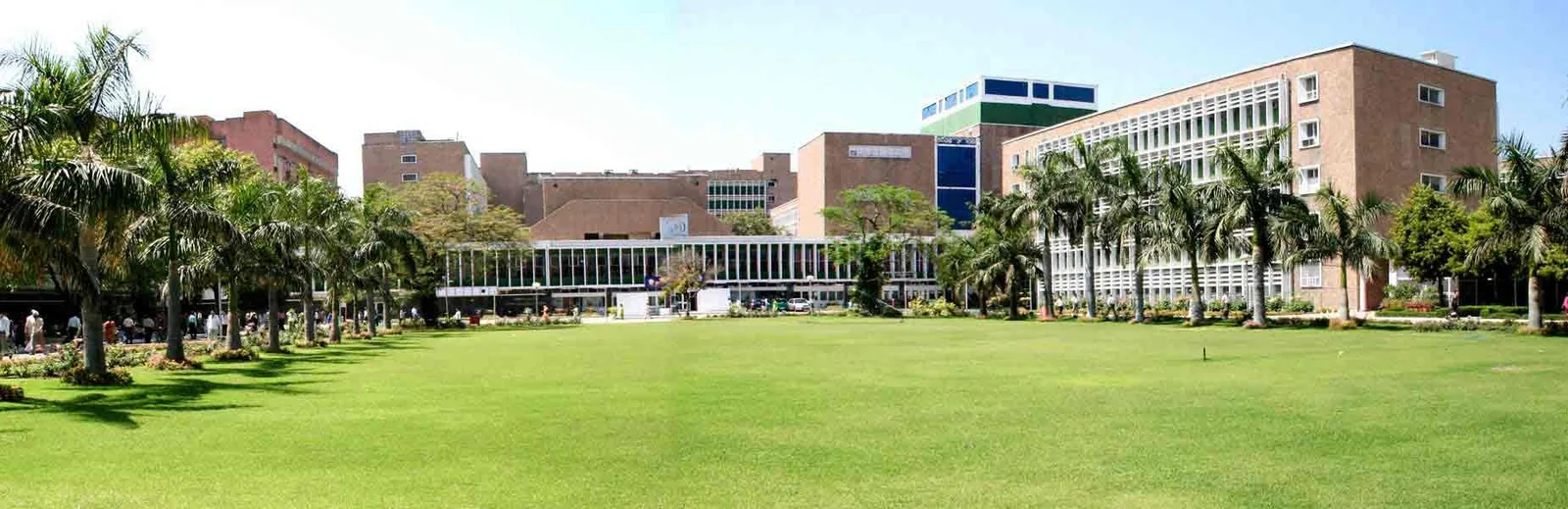

The All India Institutes of Medical Sciences (AIIMS) is a group of autonomous government public medical universities of higher education under the jurisdiction of Ministry of Health and Family Welfare, Government of India. These institutes have been declared by an Act of Parliament as Institutes of National Importance. AIIMS New Delhi, the forerunner institute, was established in 1956. Since then, 24 more institutes were announced. As of January 2023, twenty institutes are operating and four more are expected to become operational until 2025. Proposals were made for six more AIIMS under the leadership of Narendra Modi. It is considered as pioneer health institution of Asia.
Total Fees
₹1K - ₹8K
Total Courses
17
Get More Info About MBA in India vs. Abroad 2026-27
Recommended Reading
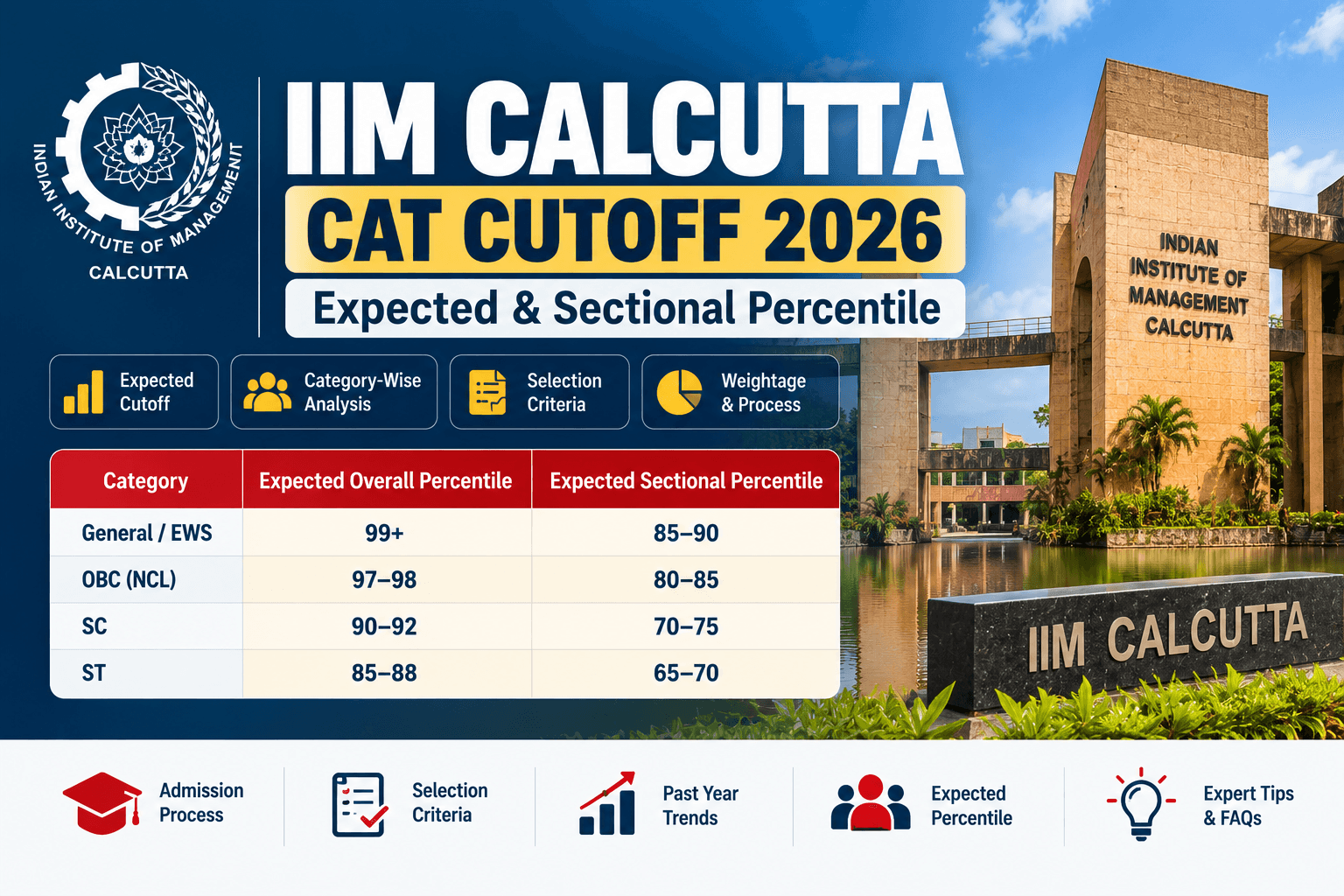
IIM Calcutta CAT Cutoff 2026: Expected & Sectional Percentile
IIM Calcutta CAT Cutoff 2026: Check the expected overall and sectional percentile, category-wise qualifying cutoff, selection criteria, CAT weightage and admission process for the 2027–29 MBA batch.
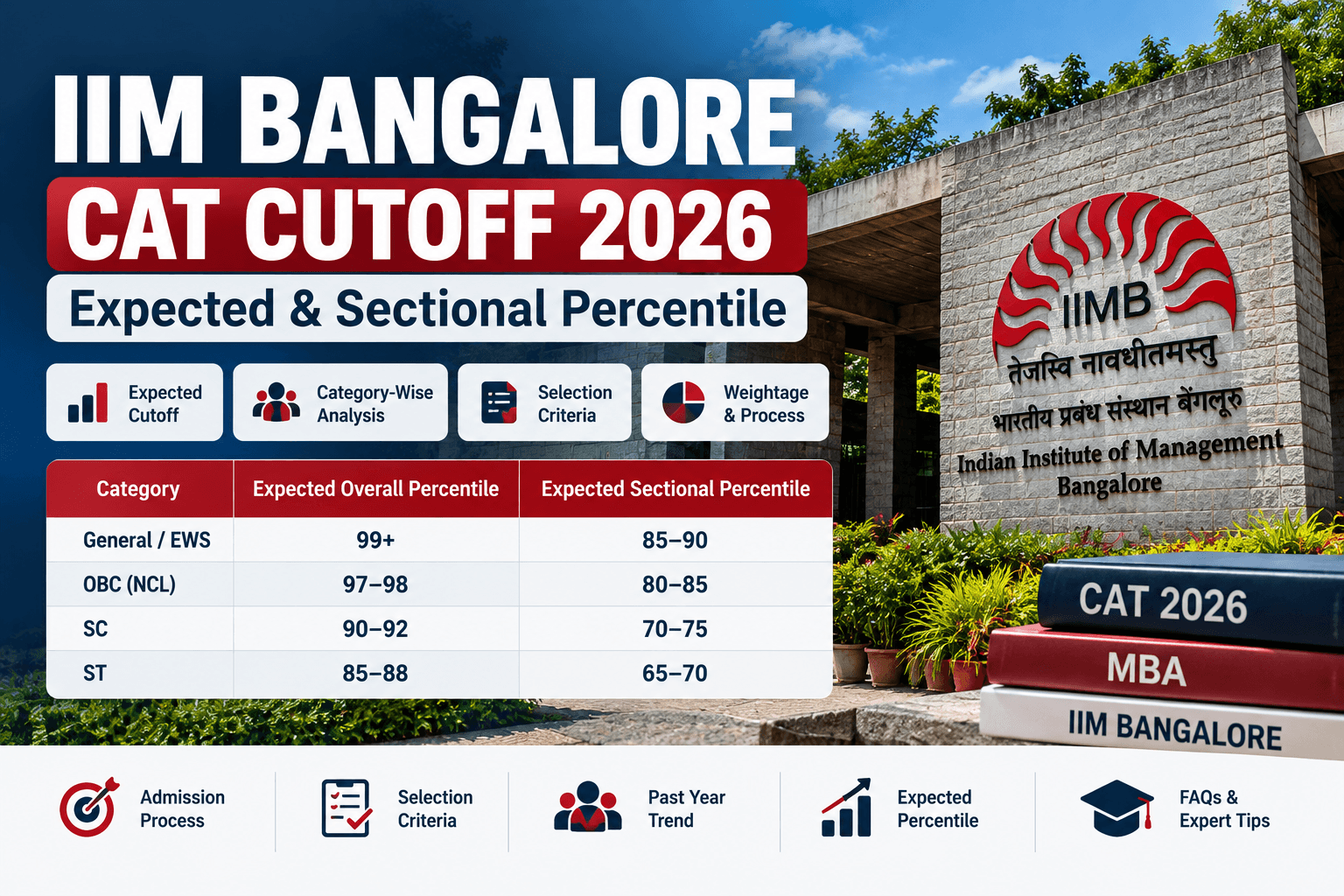
IIM Bangalore CAT Cutoff 2026: Expected & Sectional Percentile
IIM Bangalore CAT Cutoff 2026: Check the expected overall and sectional percentile, category-wise qualifying cutoff, selection criteria, CAT weightage and admission process for the 2027–29 MBA batch.
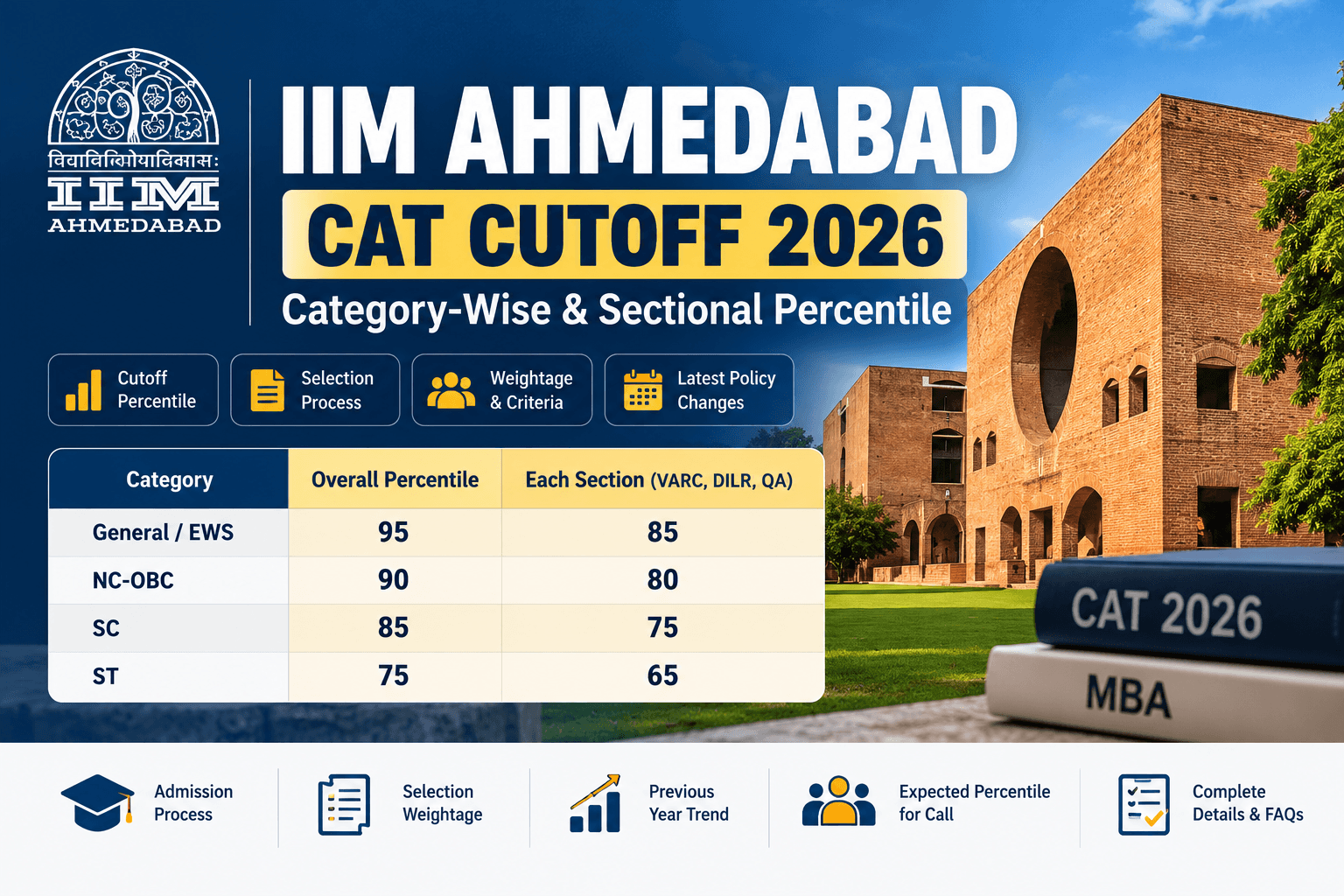
IIM Ahmedabad CAT Cutoff 2026: Expected & Sectional Percentile
Quick answer: For the PGP 2027–29 batch (CAT 2026), IIM Ahmedabad's minimum cutoff is 95 percentile overall and 85 in each section for General/EWS candidates. Reports of the revised policy say the cutoffs are unchanged from the previous cycle, which had already jumped from 80/70 the year before. Clearing the minimum only makes you eligible; it does not guarantee an interview call.