

MBA After MBBS: A Strategic Guide for Medical Professionals in India
Admission & Info Tools
Need Expert Assistance?
Our counselors can help you with fee structures, eligibility guidelines, and upcoming admission cutoffs instantly.
Direct Application Tools

Key Highlights & Program Overview
The decision to pursue an MBA after MBBS is a strategic one, designed to bridge the gap between clinical practice and the business of healthcare. It's about enhancing your leadership capabilities, understanding market dynamics, and driving innovation within the medical ecosystem. This unique combination of skills is highly sought after in today's complex healthcare landscape.
| Parameter | Details |
| Target Audience | MBBS graduates seeking management roles |
| Core Purpose | Combine medical expertise with business acumen |
| Key Benefits | Enhanced leadership, higher earning potential, diverse career paths |
| Typical Duration | 1-2 years (Full-time), longer for Part-time/Executive |
| Common Entrance Exams | CAT, XAT, GMAT, NMAT, SNAP, CMAT, MAT |
| Primary Focus Areas | Healthcare Management, Hospital Administration, Pharma Management, Consulting |
Eligibility Criteria & Selection Process
To embark on an MBA journey after your MBBS, you'll need to meet specific eligibility criteria and navigate a structured selection process. While the core requirement remains a bachelor's degree, certain nuances apply:
- Educational Qualification: A recognized MBBS degree from an Indian university or an equivalent qualification.
- Minimum Marks: Most B-schools require a minimum of 50% aggregate marks (45% for reserved categories) in your MBBS degree. Some top-tier institutions might have higher expectations.
- Work Experience: While not always mandatory for a regular full-time MBA, many premier programs, especially Executive MBAs or those focused on healthcare, highly prefer or require 2-5 years of relevant work experience (clinical practice, research, etc.). This experience enriches classroom discussions and peer learning.
- Entrance Exams: Admission is primarily based on scores from national-level management entrance exams. The most common ones include:
- CAT (Common Admission Test): Accepted by IIMs and numerous other top B-schools.
- XAT (Xavier Aptitude Test): For XLRI and other associated institutes.
- GMAT (Graduate Management Admission Test): Preferred by some international programs and certain Indian B-schools for their executive or specialized MBA programs.
- NMAT by GMAC: Accepted by NMIMS, XIMB, and others.
- SNAP (Symbiosis National Aptitude Test): For Symbiosis International University institutes.
- CMAT (Common Management Admission Test): A national-level test for AICTE-approved institutions.
- MAT (Management Aptitude Test): Accepted by a wide range of B-schools across India.
- Selection Stages: Post-entrance exam, candidates typically undergo:
- Group Discussion (GD): To assess communication, leadership, and analytical skills.
- Personal Interview (PI): To evaluate personality, motivation, career goals, and suitability for the program.
- Written Ability Test (WAT): Some institutes may include a short essay or case study analysis.
A strong academic record in MBBS, coupled with a competitive entrance exam score and compelling interview performance, significantly boosts your chances of admission.
Top Colleges & Fee Comparison
Several esteemed institutions in India offer excellent MBA programs, some with specialized tracks highly beneficial for MBBS graduates. While a dedicated 'MBA after MBBS' program might be rare, an MBA in Healthcare Management or a general MBA from a top-tier B-school can be incredibly impactful. Here’s a look at some prominent colleges and their estimated fee ranges:
| College/University | Estimated Fees (INR) / Key Specializations |
| IIM Ahmedabad (PGP) | ~25-30 Lakhs / General Management, Strategy |
| IIM Bangalore (PGP) | ~23-25 Lakhs / General Management, Finance, Marketing |
| IIM Calcutta (PGP) | ~23-25 Lakhs / General Management, Finance, Operations |
| Indian School of Business (ISB) | ~35-40 Lakhs / Leadership, Strategy (1-year PGP) |
| XLRI Jamshedpur (BM/HRM) | ~23-25 Lakhs / Business Management, Human Resource Management |
| FMS Delhi | ~2-4 Lakhs / General Management (Excellent ROI) |
| SPJIMR Mumbai | ~20-22 Lakhs / Operations, Marketing, Finance, Information Management |
| IIHMR Delhi/Jaipur | ~8-12 Lakhs / Hospital & Health Management (Specialized) |
| TISS Mumbai (MHA) | ~1-2 Lakhs / Hospital Administration (Specialized, not MBA but relevant) |
| Narsee Monjee Institute of Management Studies (NMIMS) Mumbai | ~20-24 Lakhs / General Management, Pharmaceutical Management |
Note: Fees are approximate and subject to change. Always verify the latest fee structure directly from the institution's official website.
When considering these institutions, evaluate not just the fees but also the curriculum's relevance to your career goals, faculty expertise, alumni network, and placement records, especially in sectors that align with your medical background.
Career Scope, Placements & Expected ROI
An MBA after MBBS opens doors to a diverse array of high-impact and financially rewarding career opportunities, moving beyond traditional clinical practice. The blend of medical knowledge and management skills is a powerful asset in the healthcare industry.
Key Career Fields & Roles:
- Hospital Administration: Roles like Hospital CEO, COO, Medical Director, Department Head, Operations Manager. You'll manage hospital operations, resource allocation, quality control, and strategic planning.
- Healthcare Consulting: Working with firms like McKinsey, BCG, or Deloitte to advise healthcare organizations, pharmaceutical companies, and government bodies on strategy, efficiency, and market entry.
- Pharmaceutical & Biotechnology Management: Positions in product management, medical affairs, market access, regulatory affairs, and business development within pharma and biotech companies.
- Health Information Technology (Health IT): Managing the implementation and optimization of electronic health records (EHR), telemedicine platforms, and other digital health solutions.
- Public Health Management: Working with NGOs, government agencies, or international organizations on public health policy, program management, and health system strengthening.
- Medical Entrepreneurship: Launching your own healthcare ventures, clinics, diagnostic centers, or health tech startups.
- Medical Insurance & Healthcare Finance: Roles in managing healthcare insurance portfolios, risk assessment, and financial planning for healthcare providers.
Placement Insights & Average Packages:
Graduates with an MBA after MBBS, especially from top-tier B-schools, command competitive salary packages. While specific data for 'MBBS + MBA' is often integrated into general MBA placements, professionals with this unique background are highly valued.
- Entry-Level (Post-MBA): For freshers or those with limited pre-MBA experience, average packages can range from INR 12-20 Lakhs per annum in good B-schools.
- Experienced Professionals: For those with significant pre-MBA work experience (e.g., 3-5+ years as a doctor), especially from premier institutions, packages can easily range from INR 20-35+ Lakhs per annum, depending on the role, industry, and company.
- Specialized Roles: Roles in top-tier healthcare consulting or leadership positions in large hospital chains can offer significantly higher compensation.
Return on Investment (ROI):
The ROI for an MBA after MBBS is often substantial. Beyond the immediate salary hike, it offers:
- Accelerated Career Growth: Faster progression into leadership and strategic roles.
- Enhanced Influence: Ability to shape healthcare policy, improve patient care systems, and drive innovation at a broader level.
- Diverse Skill Set: A unique blend of clinical understanding and business acumen, making you indispensable in the healthcare sector.
- Global Opportunities: Many roles in healthcare management and consulting have international scope.
The investment in an MBA is not just financial; it's an investment in a career that promises intellectual stimulation, significant impact, and robust professional growth.
Admissions Checklist & Important Tips
Navigating the MBA admissions process requires meticulous planning and strategic execution. Here’s a comprehensive checklist and some crucial tips to maximize your chances:
Admissions Checklist:
- Research Programs Thoroughly: Identify B-schools that align with your career goals, especially those offering Healthcare Management specializations or having strong alumni networks in the healthcare sector.
- Prepare for Entrance Exams: Dedicate ample time to prepare for CAT, XAT, GMAT, or other relevant exams. Understand the syllabus, practice regularly, and take mock tests to improve speed and accuracy.
- Gather Academic Transcripts: Ensure all your MBBS mark sheets and degree certificates are ready.
- Obtain Work Experience Certificates: If you have clinical or other professional experience, get official letters from your employers.
- Craft a Powerful Resume/CV: Highlight your medical background, any leadership roles, research experience, and volunteer work. Tailor it to emphasize transferable skills like problem-solving, critical thinking, and patient management.
- Write a Compelling Statement of Purpose (SOP): This is your opportunity to articulate why you, as an MBBS graduate, want an MBA, what you bring to the program, and how it aligns with your long-term career aspirations. Be authentic and specific.
- Secure Strong Letters of Recommendation (LORs): Choose recommenders (e.g., senior doctors, professors, supervisors) who know you well and can speak to your strengths, work ethic, and potential for management.
- Prepare for Group Discussions (GDs): Practice discussing current affairs, business cases, and ethical dilemmas. Focus on clear communication, active listening, and constructive contribution.
- Ace the Personal Interview (PI): Be ready to discuss your motivations, career goals, strengths, weaknesses, and how your medical background will contribute to an MBA cohort. Practice mock interviews.
- Financial Planning: Understand the tuition fees, living expenses, and explore scholarship opportunities or educational loans.
Important Tips for MBBS Graduates:
- Highlight Transferable Skills: Emphasize how your medical training has honed skills like critical thinking, problem-solving under pressure, empathy, communication, and leadership – all invaluable in management.
- Articulate Your 'Why': Clearly explain your motivation for transitioning from clinical practice to management. Admissions committees look for clarity of thought and genuine passion.
- Network Strategically: Connect with current MBA students, alumni, and professionals in healthcare management. Their insights can be invaluable for program selection and interview preparation.
- Consider Specialized Programs: While a general MBA is excellent, specialized programs in Healthcare Management or Pharmaceutical Management might offer a more direct path to your desired roles.
- Be Patient and Persistent: The application process can be lengthy and competitive. Stay focused, learn from feedback, and maintain a positive outlook.
Your MBBS degree is a testament to your dedication and analytical prowess. An MBA will equip you with the strategic vision to apply these strengths on a much larger canvas, transforming healthcare for the better.
🏛️ Looking for Admissions & College Cutoffs? Explore verified fee structures, seat matrices, and real student reviews across top institutions on the MatchToCollege Top Colleges & Universities in India Directory.
Frequently Asked Questions
Q: Why should an MBBS doctor consider an MBA?
An MBBS doctor might consider an MBA to transition from clinical practice to leadership and management roles within the healthcare sector. It equips them with business acumen, strategic thinking, and operational skills necessary to manage hospitals, lead pharmaceutical companies, consult for healthcare organizations, or innovate in health tech. This blend of medical knowledge and management expertise is highly valued, offering diverse career paths and often higher earning potential.
Q: What are the best MBA specializations for MBBS graduates?
The most relevant MBA specializations for MBBS graduates include Healthcare Management, Hospital Administration, Pharmaceutical Management, Public Health Management, and General Management (with a focus on healthcare-related projects). These specializations directly leverage their medical background while building essential business and leadership skills.
Q: Which entrance exams are required for an MBA after MBBS?
For an MBA in India, MBBS graduates typically need to clear national-level management entrance exams such as CAT (Common Admission Test), XAT (Xavier Aptitude Test), GMAT (Graduate Management Admission Test), NMAT by GMAC, SNAP (Symbiosis National Aptitude Test), CMAT (Common Management Admission Test), or MAT (Management Aptitude Test). The specific exam required depends on the target B-school.
Q: What kind of career opportunities open up after an MBA for doctors?
An MBA opens up numerous career opportunities for doctors, including roles as Hospital Administrators (CEO, COO), Healthcare Consultants, Product Managers in pharmaceutical or medical device companies, Medical Affairs Managers, Health IT Managers, Public Health Managers, and even entrepreneurs launching healthcare startups. These roles focus on strategy, operations, finance, and marketing within the healthcare ecosystem.
Q: Is an MBA after MBBS worth the investment?
Yes, for many MBBS graduates, an MBA is a worthwhile investment. It provides a unique skill set that combines deep medical understanding with strategic business knowledge, leading to accelerated career growth, leadership positions, and often significantly higher compensation. The ability to influence healthcare policy, improve operational efficiency, and drive innovation at a systemic level makes the investment in time and money highly rewarding.
Key Highlights & Program Overview
The decision to pursue an MBA after MBBS is a strategic one, designed to bridge the gap between clinical practice and the business of healthcare. It's about enhancing your leadership capabilities, understanding market dynamics, and driving innovation within the medical ecosystem. This unique combination of skills is highly sought after in today's complex healthcare landscape.
| Parameter | Details |
| Target Audience | MBBS graduates seeking management roles |
| Core Purpose | Combine medical expertise with business acumen |
| Key Benefits | Enhanced leadership, higher earning potential, diverse career paths |
| Typical Duration | 1-2 years (Full-time), longer for Part-time/Executive |
| Common Entrance Exams | CAT, XAT, GMAT, NMAT, SNAP, CMAT, MAT |
| Primary Focus Areas | Healthcare Management, Hospital Administration, Pharma Management, Consulting |
Eligibility Criteria & Selection Process
To embark on an MBA journey after your MBBS, you'll need to meet specific eligibility criteria and navigate a structured selection process. While the core requirement remains a bachelor's degree, certain nuances apply:
- Educational Qualification: A recognized MBBS degree from an Indian university or an equivalent qualification.
- Minimum Marks: Most B-schools require a minimum of 50% aggregate marks (45% for reserved categories) in your MBBS degree. Some top-tier institutions might have higher expectations.
- Work Experience: While not always mandatory for a regular full-time MBA, many premier programs, especially Executive MBAs or those focused on healthcare, highly prefer or require 2-5 years of relevant work experience (clinical practice, research, etc.). This experience enriches classroom discussions and peer learning.
- Entrance Exams: Admission is primarily based on scores from national-level management entrance exams. The most common ones include:
- CAT (Common Admission Test): Accepted by IIMs and numerous other top B-schools.
- XAT (Xavier Aptitude Test): For XLRI and other associated institutes.
- GMAT (Graduate Management Admission Test): Preferred by some international programs and certain Indian B-schools for their executive or specialized MBA programs.
- NMAT by GMAC: Accepted by NMIMS, XIMB, and others.
- SNAP (Symbiosis National Aptitude Test): For Symbiosis International University institutes.
- CMAT (Common Management Admission Test): A national-level test for AICTE-approved institutions.
- MAT (Management Aptitude Test): Accepted by a wide range of B-schools across India.
- Selection Stages: Post-entrance exam, candidates typically undergo:
- Group Discussion (GD): To assess communication, leadership, and analytical skills.
- Personal Interview (PI): To evaluate personality, motivation, career goals, and suitability for the program.
- Written Ability Test (WAT): Some institutes may include a short essay or case study analysis.
A strong academic record in MBBS, coupled with a competitive entrance exam score and compelling interview performance, significantly boosts your chances of admission.
Top Colleges & Fee Comparison
Several esteemed institutions in India offer excellent MBA programs, some with specialized tracks highly beneficial for MBBS graduates. While a dedicated 'MBA after MBBS' program might be rare, an MBA in Healthcare Management or a general MBA from a top-tier B-school can be incredibly impactful. Here’s a look at some prominent colleges and their estimated fee ranges:
| College/University | Estimated Fees (INR) / Key Specializations |
| IIM Ahmedabad (PGP) | ~25-30 Lakhs / General Management, Strategy |
| IIM Bangalore (PGP) | ~23-25 Lakhs / General Management, Finance, Marketing |
| IIM Calcutta (PGP) | ~23-25 Lakhs / General Management, Finance, Operations |
| Indian School of Business (ISB) | ~35-40 Lakhs / Leadership, Strategy (1-year PGP) |
| XLRI Jamshedpur (BM/HRM) | ~23-25 Lakhs / Business Management, Human Resource Management |
| FMS Delhi | ~2-4 Lakhs / General Management (Excellent ROI) |
| SPJIMR Mumbai | ~20-22 Lakhs / Operations, Marketing, Finance, Information Management |
| IIHMR Delhi/Jaipur | ~8-12 Lakhs / Hospital & Health Management (Specialized) |
| TISS Mumbai (MHA) | ~1-2 Lakhs / Hospital Administration (Specialized, not MBA but relevant) |
| Narsee Monjee Institute of Management Studies (NMIMS) Mumbai | ~20-24 Lakhs / General Management, Pharmaceutical Management |
Note: Fees are approximate and subject to change. Always verify the latest fee structure directly from the institution's official website.
When considering these institutions, evaluate not just the fees but also the curriculum's relevance to your career goals, faculty expertise, alumni network, and placement records, especially in sectors that align with your medical background.
Career Scope, Placements & Expected ROI
An MBA after MBBS opens doors to a diverse array of high-impact and financially rewarding career opportunities, moving beyond traditional clinical practice. The blend of medical knowledge and management skills is a powerful asset in the healthcare industry.
Key Career Fields & Roles:
- Hospital Administration: Roles like Hospital CEO, COO, Medical Director, Department Head, Operations Manager. You'll manage hospital operations, resource allocation, quality control, and strategic planning.
- Healthcare Consulting: Working with firms like McKinsey, BCG, or Deloitte to advise healthcare organizations, pharmaceutical companies, and government bodies on strategy, efficiency, and market entry.
- Pharmaceutical & Biotechnology Management: Positions in product management, medical affairs, market access, regulatory affairs, and business development within pharma and biotech companies.
- Health Information Technology (Health IT): Managing the implementation and optimization of electronic health records (EHR), telemedicine platforms, and other digital health solutions.
- Public Health Management: Working with NGOs, government agencies, or international organizations on public health policy, program management, and health system strengthening.
- Medical Entrepreneurship: Launching your own healthcare ventures, clinics, diagnostic centers, or health tech startups.
- Medical Insurance & Healthcare Finance: Roles in managing healthcare insurance portfolios, risk assessment, and financial planning for healthcare providers.
Placement Insights & Average Packages:
Graduates with an MBA after MBBS, especially from top-tier B-schools, command competitive salary packages. While specific data for 'MBBS + MBA' is often integrated into general MBA placements, professionals with this unique background are highly valued.
- Entry-Level (Post-MBA): For freshers or those with limited pre-MBA experience, average packages can range from INR 12-20 Lakhs per annum in good B-schools.
- Experienced Professionals: For those with significant pre-MBA work experience (e.g., 3-5+ years as a doctor), especially from premier institutions, packages can easily range from INR 20-35+ Lakhs per annum, depending on the role, industry, and company.
- Specialized Roles: Roles in top-tier healthcare consulting or leadership positions in large hospital chains can offer significantly higher compensation.
Return on Investment (ROI):
The ROI for an MBA after MBBS is often substantial. Beyond the immediate salary hike, it offers:
- Accelerated Career Growth: Faster progression into leadership and strategic roles.
- Enhanced Influence: Ability to shape healthcare policy, improve patient care systems, and drive innovation at a broader level.
- Diverse Skill Set: A unique blend of clinical understanding and business acumen, making you indispensable in the healthcare sector.
- Global Opportunities: Many roles in healthcare management and consulting have international scope.
The investment in an MBA is not just financial; it's an investment in a career that promises intellectual stimulation, significant impact, and robust professional growth.
Admissions Checklist & Important Tips
Navigating the MBA admissions process requires meticulous planning and strategic execution. Here’s a comprehensive checklist and some crucial tips to maximize your chances:
Admissions Checklist:
- Research Programs Thoroughly: Identify B-schools that align with your career goals, especially those offering Healthcare Management specializations or having strong alumni networks in the healthcare sector.
- Prepare for Entrance Exams: Dedicate ample time to prepare for CAT, XAT, GMAT, or other relevant exams. Understand the syllabus, practice regularly, and take mock tests to improve speed and accuracy.
- Gather Academic Transcripts: Ensure all your MBBS mark sheets and degree certificates are ready.
- Obtain Work Experience Certificates: If you have clinical or other professional experience, get official letters from your employers.
- Craft a Powerful Resume/CV: Highlight your medical background, any leadership roles, research experience, and volunteer work. Tailor it to emphasize transferable skills like problem-solving, critical thinking, and patient management.
- Write a Compelling Statement of Purpose (SOP): This is your opportunity to articulate why you, as an MBBS graduate, want an MBA, what you bring to the program, and how it aligns with your long-term career aspirations. Be authentic and specific.
- Secure Strong Letters of Recommendation (LORs): Choose recommenders (e.g., senior doctors, professors, supervisors) who know you well and can speak to your strengths, work ethic, and potential for management.
- Prepare for Group Discussions (GDs): Practice discussing current affairs, business cases, and ethical dilemmas. Focus on clear communication, active listening, and constructive contribution.
- Ace the Personal Interview (PI): Be ready to discuss your motivations, career goals, strengths, weaknesses, and how your medical background will contribute to an MBA cohort. Practice mock interviews.
- Financial Planning: Understand the tuition fees, living expenses, and explore scholarship opportunities or educational loans.
Important Tips for MBBS Graduates:
- Highlight Transferable Skills: Emphasize how your medical training has honed skills like critical thinking, problem-solving under pressure, empathy, communication, and leadership – all invaluable in management.
- Articulate Your 'Why': Clearly explain your motivation for transitioning from clinical practice to management. Admissions committees look for clarity of thought and genuine passion.
- Network Strategically: Connect with current MBA students, alumni, and professionals in healthcare management. Their insights can be invaluable for program selection and interview preparation.
- Consider Specialized Programs: While a general MBA is excellent, specialized programs in Healthcare Management or Pharmaceutical Management might offer a more direct path to your desired roles.
- Be Patient and Persistent: The application process can be lengthy and competitive. Stay focused, learn from feedback, and maintain a positive outlook.
Your MBBS degree is a testament to your dedication and analytical prowess. An MBA will equip you with the strategic vision to apply these strengths on a much larger canvas, transforming healthcare for the better.
🏛️ Looking for Admissions & College Cutoffs? Explore verified fee structures, seat matrices, and real student reviews across top institutions on the MatchToCollege Top Colleges & Universities in India Directory.
Share this Article
FAQFrequently Asked Questions
Q: Why should an MBBS doctor consider an MBA?
An MBBS doctor might consider an MBA to transition from clinical practice to leadership and management roles within the healthcare sector. It equips them with business acumen, strategic thinking, and operational skills necessary to manage hospitals, lead pharmaceutical companies, consult for healthcare organizations, or innovate in health tech. This blend of medical knowledge and management expertise is highly valued, offering diverse career paths and often higher earning potential.
Q: What are the best MBA specializations for MBBS graduates?
The most relevant MBA specializations for MBBS graduates include Healthcare Management, Hospital Administration, Pharmaceutical Management, Public Health Management, and General Management (with a focus on healthcare-related projects). These specializations directly leverage their medical background while building essential business and leadership skills.
Q: Which entrance exams are required for an MBA after MBBS?
For an MBA in India, MBBS graduates typically need to clear national-level management entrance exams such as CAT (Common Admission Test), XAT (Xavier Aptitude Test), GMAT (Graduate Management Admission Test), NMAT by GMAC, SNAP (Symbiosis National Aptitude Test), CMAT (Common Management Admission Test), or MAT (Management Aptitude Test). The specific exam required depends on the target B-school.
Q: What kind of career opportunities open up after an MBA for doctors?
An MBA opens up numerous career opportunities for doctors, including roles as Hospital Administrators (CEO, COO), Healthcare Consultants, Product Managers in pharmaceutical or medical device companies, Medical Affairs Managers, Health IT Managers, Public Health Managers, and even entrepreneurs launching healthcare startups. These roles focus on strategy, operations, finance, and marketing within the healthcare ecosystem.
Q: Is an MBA after MBBS worth the investment?
Yes, for many MBBS graduates, an MBA is a worthwhile investment. It provides a unique skill set that combines deep medical understanding with strategic business knowledge, leading to accelerated career growth, leadership positions, and often significantly higher compensation. The ability to influence healthcare policy, improve operational efficiency, and drive innovation at a systemic level makes the investment in time and money highly rewarding.
Top Colleges Covered in this Blog
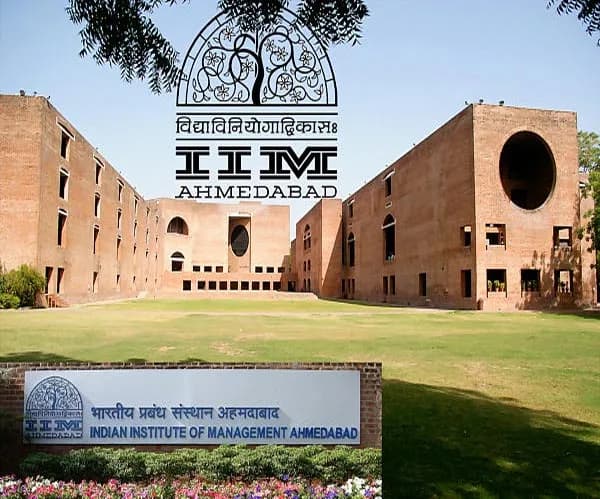

Located in the educational landscape of Ahmedabad, Gujarat, Indian Institute of Management Ahmedabad was established in 1961 to deliver transformative education. Conforming to regulatory norms of All India Council for Technical Education (AICTE) / UGC through its affiliation with Gujarat State University, the institution offers students an integrated foundation across business strategy, financial analytics, corporate governance, and entrepreneurial leadership. The campus is equipped with management simulation suites, modern boardroom presentation centers, and incubation hubs, creating an immersive environment for scholarly development and collaborative innovation. Dedicated to holistic student empowerment, the institution prepares ethical and career-ready professionals who contribute meaningfully to societal and industrial growth.
Total Fees
₹20L - ₹34.1L
Total Courses
6


Established in 1973, Indian Institute of Management Bangalore is a distinguished institution situated in Bengaluru Urban, Karnataka. Conforming to regulatory norms of All India Council for Technical Education (AICTE) / UGC through its affiliation with Karnataka State University, the institution offers students an integrated foundation across business strategy, financial analytics, corporate governance, and entrepreneurial leadership. The campus is equipped with management simulation suites, modern boardroom presentation centers, and incubation hubs, creating an immersive environment for scholarly development and collaborative innovation. By combining academic discipline with practical exposure, it equips emerging scholars to meet evolving demands in industry, academia, and public service.
Total Fees
₹4.5L - ₹34L
Total Courses
15


The Indian Institute of Management Calcutta (IIMC) was established as the first national institute for postgraduate studies and research in management by the Government of India in November 1961 in collaboration with the Alfred P. Sloan School of Management (MIT), the Government of West Bengal, the Ford Foundation, and Indian industry. During its initial years, several prominent faculty formed part of its nucleus, including Jagdish Sheth, J. K. Sengupta, and others. Over the years, IIMC has grown into a mature institution with a global reputation, imparting high-quality management education. It has been playing a pioneering role in professionalizing Indian management through its postgraduate and doctoral-level programs, executive training programs, and research and consulting activities. Today, the institute serves as an autonomous body, continually evolving to meet its goals in an ever-changing business environment.
Total Fees
₹40K - ₹33.5L
Total Courses
11


With an educational trajectory spanning 11 years since its inception in 2015, FACULTY OF MANAGEMENT STUDIES serves as a prominent seat of learning in Rajkot, Gujarat. Affiliated with Marwadi University and adhering to statutory benchmarks established by All India Council for Technical Education (AICTE) / UGC, the institution delivers specialized academic curricula centered on business strategy, financial analytics, corporate governance, and entrepreneurial leadership. Students benefit from contemporary infrastructure featuring management simulation suites, modern boardroom presentation centers, and incubation hubs, designed to support hands-on learning and comprehensive intellectual growth. By combining academic discipline with practical exposure, it equips emerging scholars to meet evolving demands in industry, academia, and public service.
Total Fees
₹75K - ₹2.3L
Total Courses
3
Get More Info About MBA After MBBS
Recommended Reading

INI CET 2026 November: Your Essential Exam Day Guide for Success
Master your INI CET 2026 November exam day with this comprehensive guide from MatchToCollege. Understand crucial guidelines, what to carry, and what to avoid for a confident and successful attempt.

MHT CET 2027: Your 3-Month Roadmap to 99+ Percentile & Top Engineering Colleges
Unlock your potential for MHT CET 2027 with our expert 3-month preparation guide, designed to help you achieve a 99+ percentile. Discover strategic study plans, mock test insights, and essential tips to secure admission to Maharashtra's premier engineering institutions.

Mastering Your JEE Main Application: An Essential Guide to Avoid Common Pitfalls
Navigating the JEE Main application process can be complex. This comprehensive guide from MatchToCollege helps aspiring engineers avoid critical mistakes, ensuring a smooth and successful submission for JEE Main 2027 and beyond.