

Understanding Budget and Fiscal Policy for Students
Admission & Info Tools
Need Expert Assistance?
Our counselors can help you with fee structures, eligibility guidelines, and upcoming admission cutoffs instantly.
Direct Application Tools

Understanding budget and fiscal policy
Embarking on the journey of higher education is exhilarating, but it often comes with a significant financial component. For many students and parents, understanding the complex interplay of budgets and fiscal policy feels like navigating a dense forest without a map. Yet, these economic forces directly influence everything from tuition costs and financial aid availability to future job prospects and even the affordability of studying abroad.
Why we're demystifying budget and fiscal policy, translating complex economic concepts into actionable insights for students like you. Far from being abstract academic topics, these policies are the invisible hand shaping your educational opportunities and long-term financial well-being.
Think about it: government decisions on spending, taxation, and debt management can alter the landscape of scholarship opportunities, the interest rates on student loans, and the overall economic climate you'll enter post-graduation. Understanding these dynamics isn't just for economists; it's a critical component of strategic college planning, personal financial literacy, and career foresight.
This comprehensive guide will break down the essentials of budget and fiscal policy, explain their direct impact on higher education funding, and offer practical advice on how students can prepare for and navigate these economic realities. Whether you're considering an MBA, an engineering degree, pursuing medical studies, or dreaming of an international education, the economic policies of today will undoubtedly shape your path tomorrow. Let's unlock the knowledge that empowers you to make smarter financial and educational choices.
What Exactly Are Budget and Fiscal Policy?
At its core, fiscal policy refers to the government's use of spending and taxation to influence the economy. It's how governments try to achieve goals like economic growth, full employment, and price stability. The budget is the detailed plan of how the government intends to spend money and how it plans to raise that money (primarily through taxes) over a fiscal year.
Key Terms
| Concept | Meaning | Why it matters |
| Fiscal Policy | Government use of spending and taxation to manage the economy | Supports growth, jobs, and stability |
| Government Budget | Annual plan for government income and spending | Decides where public money goes |
| Government Spending | Money spent on education, healthcare, infrastructure, defense, etc. | Impacts public services and student support |
| Taxation | Taxes collected from individuals and businesses | Affects income, investment, and funding |
| Budget Deficit | Spending is more than revenue | Increases government borrowing |
| Budget Surplus | Revenue is higher than spending | Improves financial stability |
Major goals of fiscal policy
| Goal | Purpose |
| Economic growth | Increase national income |
| Employment generation | Create more jobs |
| Price stability | Control inflation |
| Social welfare | Improve public services |
How fiscal policy affects students
| Area | Impact |
| Education funding | Scholarships and infrastructure |
| Tax policies | Family disposable income |
| Public spending | Better colleges and facilities |
| Economic growth | More career opportunities |
Understanding these fundamental concepts is the first step to seeing how the broader economic environment is crafted and, in turn, how it filters down to impact your personal financial situation as a student. These aren't just dry numbers; they represent decisions that can open or close doors for your future.
In Short
Fiscal policy and government budgets shape the economy through spending and taxation decisions, directly affecting education, jobs, inflation, and student opportunities.
How Government Policies Impact Your Education & Future
Fiscal policies are not abstract; they have tangible effects on every aspect of your higher education journey and beyond. Recognizing these connections allows you to anticipate trends and plan more effectively.
How Fiscal Policy Affects Students and Higher Education
| Area | Impact on students |
| Tuition Costs | Reduced government funding can increase college fees |
| University Funding | More public spending improves campus facilities and research |
| Financial Aid | Budgets influence scholarships, grants, and student loans |
| Tax Policies | Tax benefits can support education savings and donations |
| Job Market | Economic growth creates better placement opportunities |
| Study Abroad | Currency value and economic stability affect overseas education costs |
Key effects explained
| Topic | What happens |
| Government cuts education spending | Universities may raise tuition |
| Increased education funding | Better infrastructure and affordability |
| Strong economy | More jobs and internships |
| Economic slowdown | Fewer hiring opportunities |
| Better tax incentives | More scholarship and donation support |
Impact on career opportunities
| Sector | Fiscal policy effect |
| Technology | Innovation funding creates jobs |
| Healthcare | Public health investment boosts hiring |
| Engineering | Infrastructure spending increases demand |
| Education | More government funding supports institutions |
Impact on international education
| Factor | Effect |
| Currency exchange rates | Changes study abroad expenses |
| Government policies | Influence student visas and funding |
| Economic stability | Affects living costs abroad |
Fiscal policy directly shapes college affordability, scholarships, job opportunities, and study abroad costs, making it important for students to understand economic and budget decisions.
Navigating the Financial Landscape: A Student's Action Plan
While you can't control government policy, you can control how you react to it. Strategic financial planning is paramount for students.
Personal Budgeting & Financial Literacy
Develop a robust personal budget. Understand your income (if any), expenses (tuition, housing, books, personal), and savings goals. Financial literacy, including understanding concepts like inflation, interest rates, and debt management, is crucial for making informed decisions about student loans and future investments.
Researching Aid & Scholarships Diligently
Actively seek out all available financial aid, grants, and scholarships. Don't limit yourself to federal options; explore state, institutional, and private scholarships. Pay attention to application deadlines and eligibility criteria, as these can change based on funding availability influenced by broader economic shifts.
Long-Term Financial Planning for Higher Education
Consider the long-term return on investment (ROI) of your chosen degree and institution. Research average starting salaries for your field, potential career growth, and how much student loan debt you can realistically manage. Factor in potential economic shifts when projecting future earnings and repayment capabilities.
Share this Article
FAQFrequently Asked Questions
Q: How does government spending affect college tuition?
Government spending decisions, especially state funding for public universities, directly impact tuition. When government allocations decrease, universities often raise tuition to compensate for the lost revenue. Increased government support can help stabilize or reduce tuition costs for students.
Q: What is the difference between budget policy and fiscal policy?
Fiscal policy is the broader strategy where a government uses spending and taxation to influence the economy. The budget is a detailed plan outlining how the government will implement its fiscal policy, specifying exactly how much money will be spent, on what, and how that money will be raised (e.g., through taxes) over a specific period.
Q: Can fiscal policy impact student loan interest rates?
Yes, indirectly. While central banks set key interest rates, broader fiscal policy (government borrowing, economic stability) can influence the overall economic environment, which in turn affects bond markets and the cost of borrowing for both the government and private lenders. This can impact federal and private student loan interest rates over time.
Get More Info About Understanding Budget and Fiscal Policy for Students
Recommended Reading

Best Online MBA Specializations for High-Paying Careers 2026
Discover the most lucrative online MBA specializations for 2026-27. Compare ROI, career growth, and use our AI tools to find your perfect management path.

Top Career Opportunities After an Online MBA in 2026-27
Discover high-paying career paths and roles after an online MBA in 2026-27. Explore salary trends, ROI, and tools to navigate your future professional success.
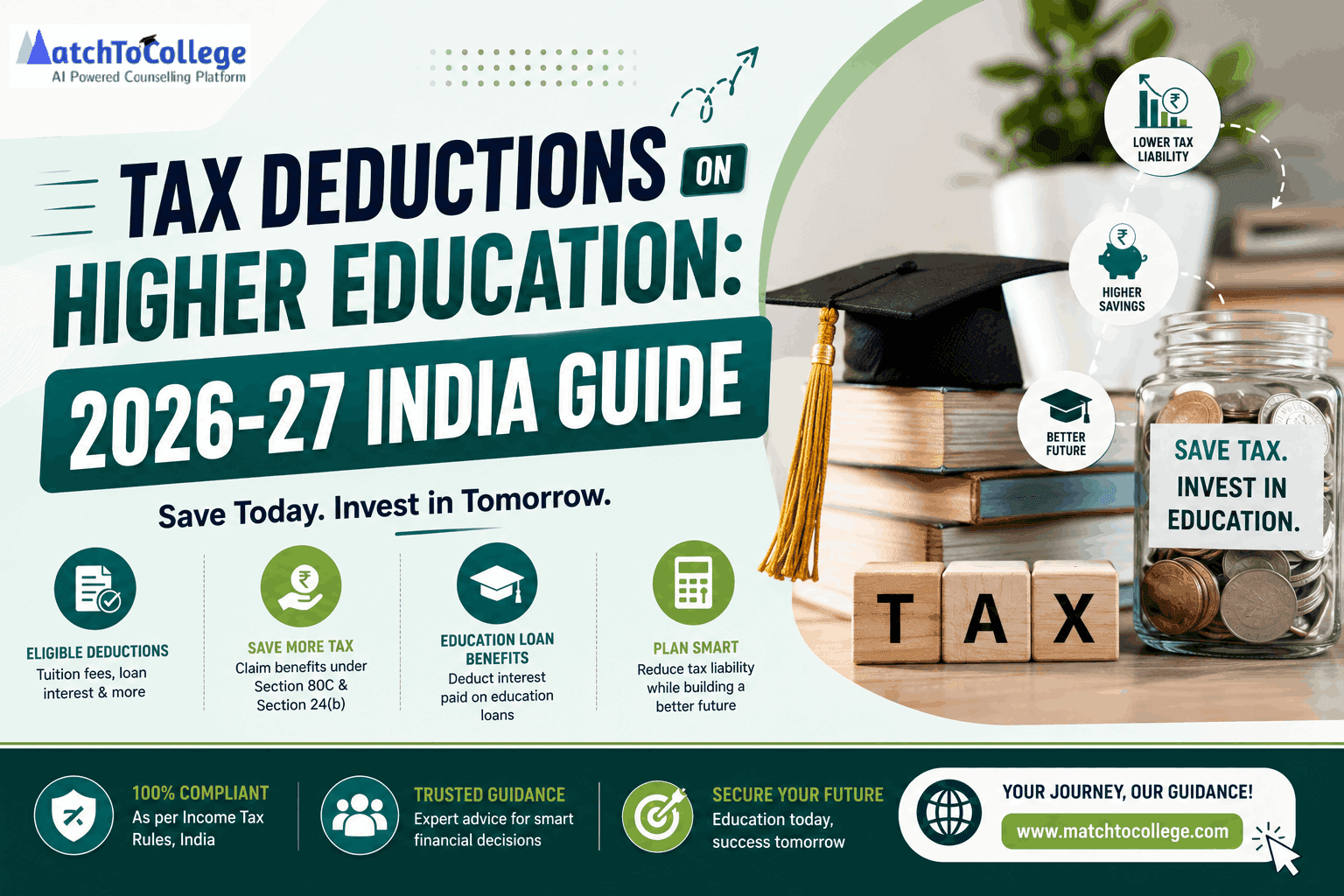
Tax Deductions on Higher Education: 2026-27 India Guide
Maximize your savings with our guide on tax deductions for higher education fees in India for FY 2026-27. Learn about Section 80C, 80E, and upskilling benefits.