

Financial Skills: Your Path to Job Readiness & Career Success
Admission & Info Tools
Need Expert Assistance?
Our counselors can help you with fee structures, eligibility guidelines, and upcoming admission cutoffs instantly.
Direct Application Tools

Learn Finance, Build Your Career
In today's dynamic and competitive job market, academic qualifications alone are often not enough to secure the career of your dreams.
Employers are increasingly looking for candidates who possess a blend of soft and hard skills, with **financial planning skills** emerging as a critical differentiator.
This isn't just about managing your personal bank account; it's about demonstrating **financial literacy**, strategic thinking, and a responsible approach to resources that are invaluable in any professional setting.
As students and parents navigate the complex journey of higher education, the focus traditionally remains on securing admission to top colleges, choosing the right major, and understanding academic requirements.
However, preparing for a **successful career** extends far beyond the classroom.
It involves equipping oneself with practical, real-world competencies, and few are as impactful as the ability to understand, manage, and plan finances effectively.
Whether you aspire to be an engineer, a doctor, an entrepreneur, or work in the corporate sector, a solid grasp of **personal finance** and broader financial concepts will give you a significant edge.
At MatchToCollege, an **AI-powered higher education counselling platform**, we believe in holistic preparation. We don't just help you get into your dream university;
we guide you towards becoming a **job-ready graduate** equipped for the challenges and opportunities of the modern workforce.
This article delves into the indispensable **financial planning skills** that can transform your career prospects, making you not just employable, but truly valuable to future employers.
From managing student loans to understanding investment basics, these skills are the foundation for both personal stability and professional growth.
Let's explore how mastering financial acumen can open doors to **career success** and secure your future.
Why Financial Literacy is Your Ultimate Career Advantage
The misconception that financial skills are only for finance majors is outdated. In reality, **financial literacy** underpins almost every aspect of a successful career.
Employers across all industries highly value candidates who can demonstrate a responsible approach to resources, understand budgets, and make informed decisions.
These skills are often seen as indicators of **maturity**, **discipline**, and **strategic thinking**.
- Demonstrates Responsibility: Managing your own finances shows that you are responsible and capable of handling important tasks, a trait highly sought after by employers.
- Enhances Decision-Making: Understanding financial implications helps you make better decisions, both personal and professional. This could involve choosing the right job offer, understanding compensation packages, or contributing to departmental budget discussions.
- Boosts Entrepreneurial Spirit: For those considering entrepreneurship, financial planning is not just an advantage, it's a necessity. Understanding cash flow, profit margins, and investment needs is crucial for starting and growing a business.
- Improves Negotiation Skills: When you understand your worth and the financial landscape, you are better equipped to **negotiate salaries**, benefits, and project terms, leading to better career outcomes.
- Reduces Stress: Personal financial stability translates into less stress, allowing you to focus more effectively on your professional responsibilities and perform at your best.
Ultimately, a strong foundation in financial planning equips you with the confidence and practical knowledge to navigate professional challenges and seize opportunities, setting you apart in a crowded **job market**.
Core Financial Skills Every Student Needs for Job Readiness
Developing a robust set of financial skills doesn't require a degree in economics. Many essential competencies can be learned and honed through practical experience and dedicated effort.
Here are the core **financial planning skills** that will make you undeniably job-ready:
Budgeting & Expense Management
The ability to create and stick to a **budget** is fundamental.
This skill translates directly into professional life, where managing project budgets, departmental expenses, and resource allocation is commonplace.
Learning to track income and expenditures, differentiate between needs and wants, and allocate funds wisely are critical habits.
Mastering **expense management** personally demonstrates an understanding of fiscal responsibility to potential employers.
Debt Management & Avoidance
For many students, **student loans** are a significant part of their financial journey. Understanding loan terms, interest rates, and repayment strategies is vital.
Beyond student loans, knowing how to manage credit card debt, avoid unnecessary borrowing, and maintain a good credit score reflects a prudent approach to financial obligations, a quality highly valued in the professional world.
Saving & Investing Basics
Starting to save early, even small amounts, can harness the power of compound interest. Understanding basic **investment principles**, such as different asset classes (stocks, bonds), diversification, and long-term financial goals, provides a valuable perspective.
While not all jobs directly involve investment, this knowledge shows a forward-thinking mindset and an ability to plan for the future, traits that resonate with employers looking for strategic thinkers.
Risk Management & Insurance Fundamentals
Understanding **risk management** involves identifying potential financial risks and planning to mitigate them.
This includes knowledge of various insurance types (health, auto, home, life) and their role in protecting assets and income.
This skill is crucial in business operations, where assessing and mitigating risks is a core function, showcasing your ability to anticipate and prepare for challenges.
Tax Fundamentals
A basic understanding of **income tax**, deductions, and how taxes impact your net income is crucial. Being able to correctly interpret a payslip and understand tax obligations demonstrates a level of practical competence that can be beneficial in many roles, especially those involving payroll, HR, or small business operations.
Table: Essential Financial Skills & Their Job Readiness Benefits
| Financial Skill Key | Action | Benefit for Job Readiness |
| Budgeting & Expense Management | Tracking income/expenses, setting financial goals, allocating funds. | Demonstrates fiscal responsibility, resource management, planning ability. |
| Debt Management | Understanding loan terms, interest, repayment strategies, credit scores. | Shows responsibility, reliability, ability to handle obligations. |
| Saving & Investing Basics | Early saving, compound interest, basic asset diversification, long-term planning. | Highlights foresight, strategic thinking, goal orientation. |
| Risk Management & Insurance | Identifying financial risks, understanding insurance types, asset protection. | Indicates proactive problem-solving, preparedness, critical thinking. |
| Tax Fundamentals | Understanding income tax, deductions, payroll interpretations. | Shows practical competence, attention to detail, compliance awareness. |
Applying Financial Skills in the Real World: Beyond Personal Finance
The beauty of mastering **financial planning skills** is their versatility.
These competencies are not confined to managing your personal wealth; they are highly transferable and applicable across diverse professional fields.
For instance, an engineer who understands project budgeting and ROI analysis can contribute more strategically to their team. A medical professional who grasps billing cycles and insurance complexities can navigate the healthcare system more effectively.
An entrepreneur with a strong foundation in **business finance** can make smarter decisions about funding, growth, and profitability.
Developing a basic understanding of **financial modeling**, even at a rudimentary level, can set you apart. Being able to analyze data to project outcomes, understand cost-benefit ratios, and interpret financial statements are skills that can be applied in market research, operations, human resources, and virtually every management role.
Engaging with case studies that involve financial decision-making, taking part in college investment clubs, or even managing a small personal project budget can provide invaluable hands-on experience.
Ultimately, these skills foster a **business acumen** that transcends specific job functions. They empower you to think critically about resource allocation, evaluate opportunities, and contribute to the financial health of any organization you join. This holistic understanding makes you a more valuable asset and accelerates your career progression.
MatchToCollege: Guiding Your Path to Financial Acumen and Career Success
At MatchToCollege, we recognize that true **career readiness** encompasses more than just academic achievement. It involves developing a comprehensive skill set that includes vital life skills like financial planning.
Our **AI-powered platform** doesn't just match you with the perfect college; we provide insights and resources that help you prepare for the real world post-graduation.
We can help you explore career paths where **financial acumen** is highly rewarded, guide you towards universities offering strong financial literacy programs, and connect you with resources to develop these crucial skills.
Whether it's understanding the financial implications of different degree choices, strategizing for **student loan repayment**, or identifying scholarships that alleviate financial burdens, MatchToCollege is your partner in building a secure and successful future.
Let us help you unlock your full potential by integrating **financial planning skills** into your higher education and career journey.
Share this Article
FAQFrequently Asked Questions
Q: Why are financial planning skills important for job readiness?
Financial planning skills demonstrate responsibility, discipline, strategic thinking, and strong decision-making abilities – qualities highly valued by employers. They enable better resource management, effective salary negotiation, and contribute to overall business acumen, setting you apart in the job market.
Q: How can students develop financial planning skills while in college?
Students can develop these skills by creating and managing a personal budget, understanding and planning for student loan repayment, taking online courses or workshops on personal finance, joining investment clubs, seeking internships that expose them to financial data, and actively learning about saving and investing basics.
Get More Info About Financial Skills
Recommended Reading
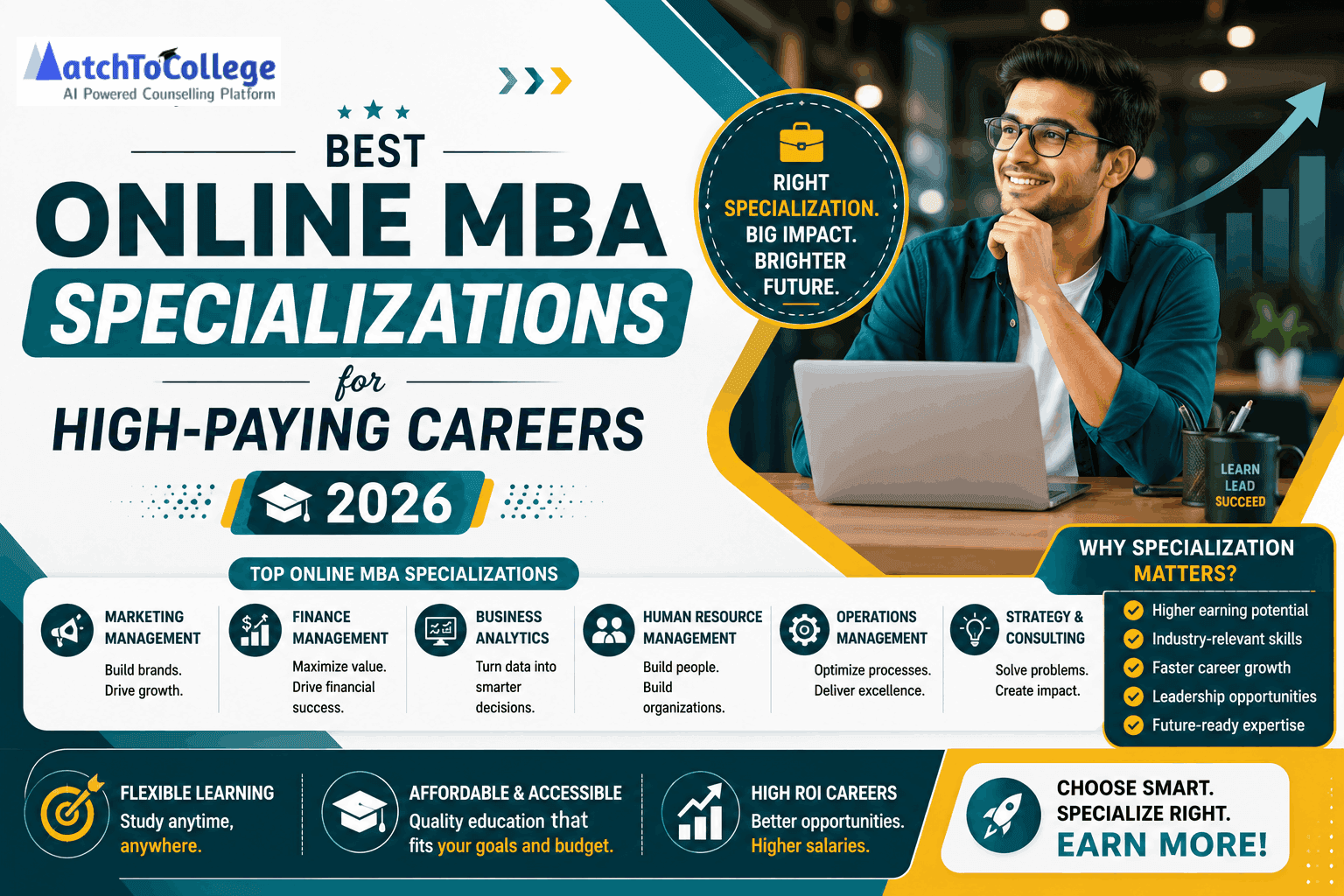
Best Online MBA Specializations for High-Paying Careers 2026
Discover the most lucrative online MBA specializations for 2026-27. Compare ROI, career growth, and use our AI tools to find your perfect management path.
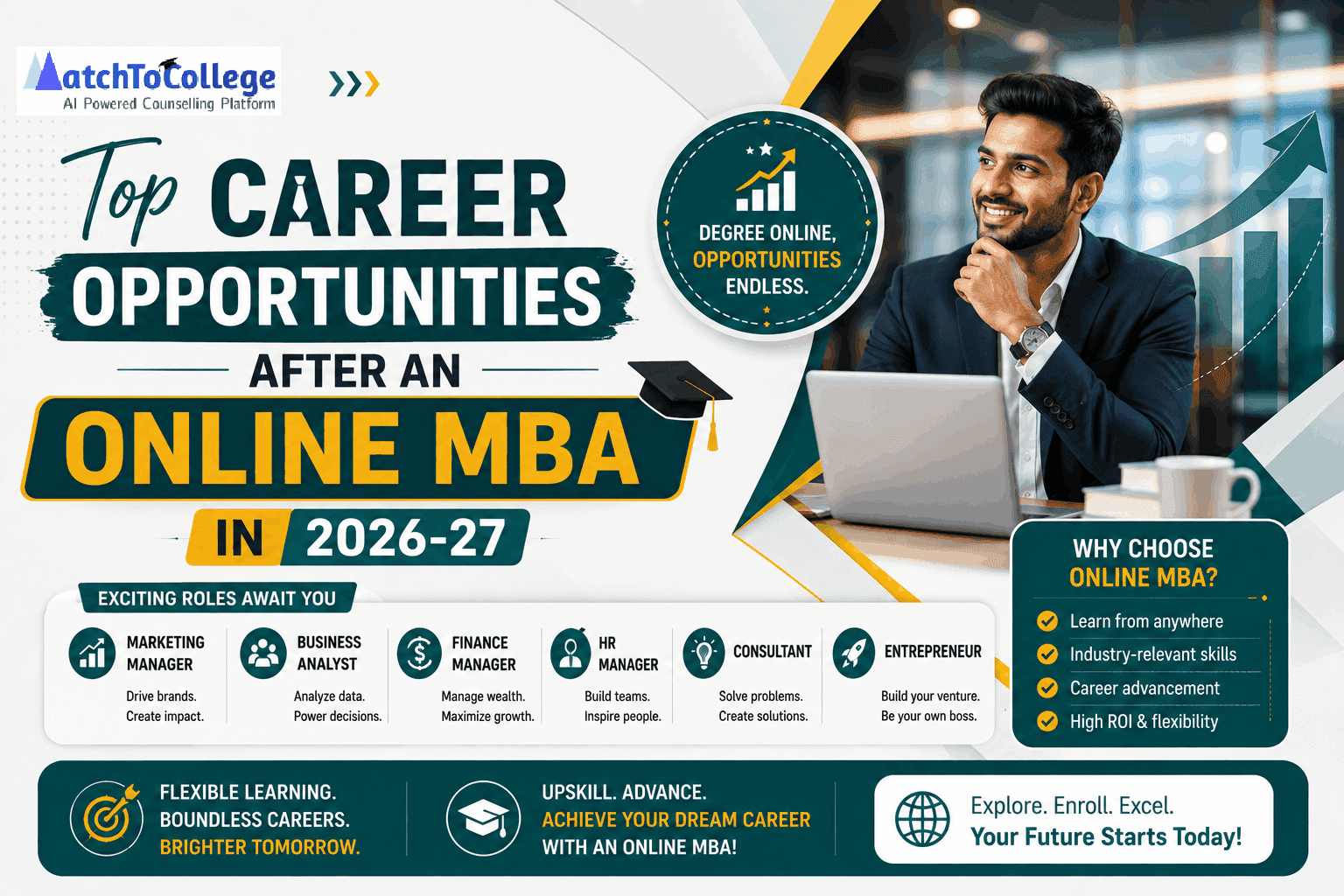
Top Career Opportunities After an Online MBA in 2026-27
Discover high-paying career paths and roles after an online MBA in 2026-27. Explore salary trends, ROI, and tools to navigate your future professional success.
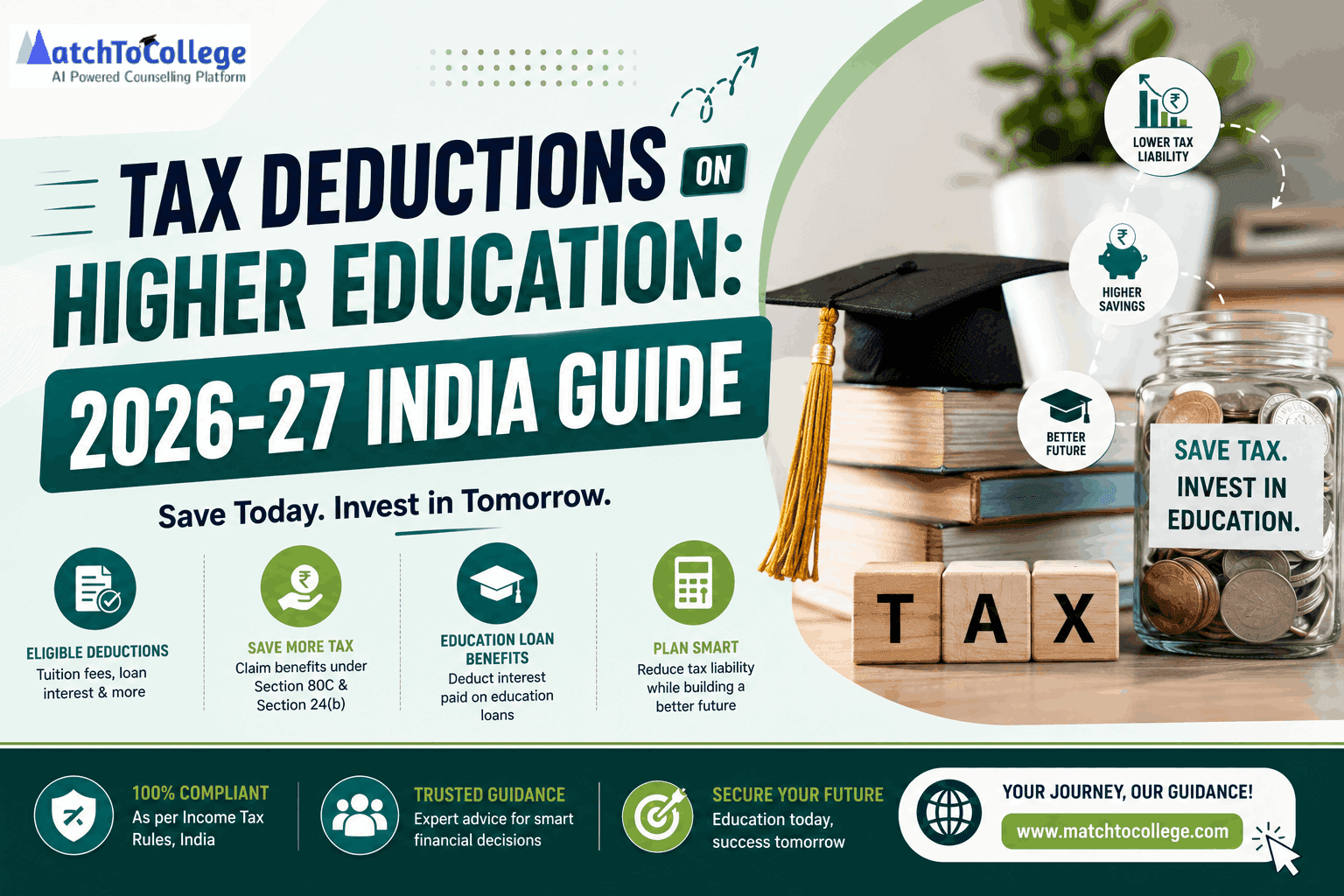
Tax Deductions on Higher Education: 2026-27 India Guide
Maximize your savings with our guide on tax deductions for higher education fees in India for FY 2026-27. Learn about Section 80C, 80E, and upskilling benefits.