

Certifications: When Do They Stop Adding Career Value?
Admission & Info Tools
Need Expert Assistance?
Our counselors can help you with fee structures, eligibility guidelines, and upcoming admission cutoffs instantly.
Direct Application Tools
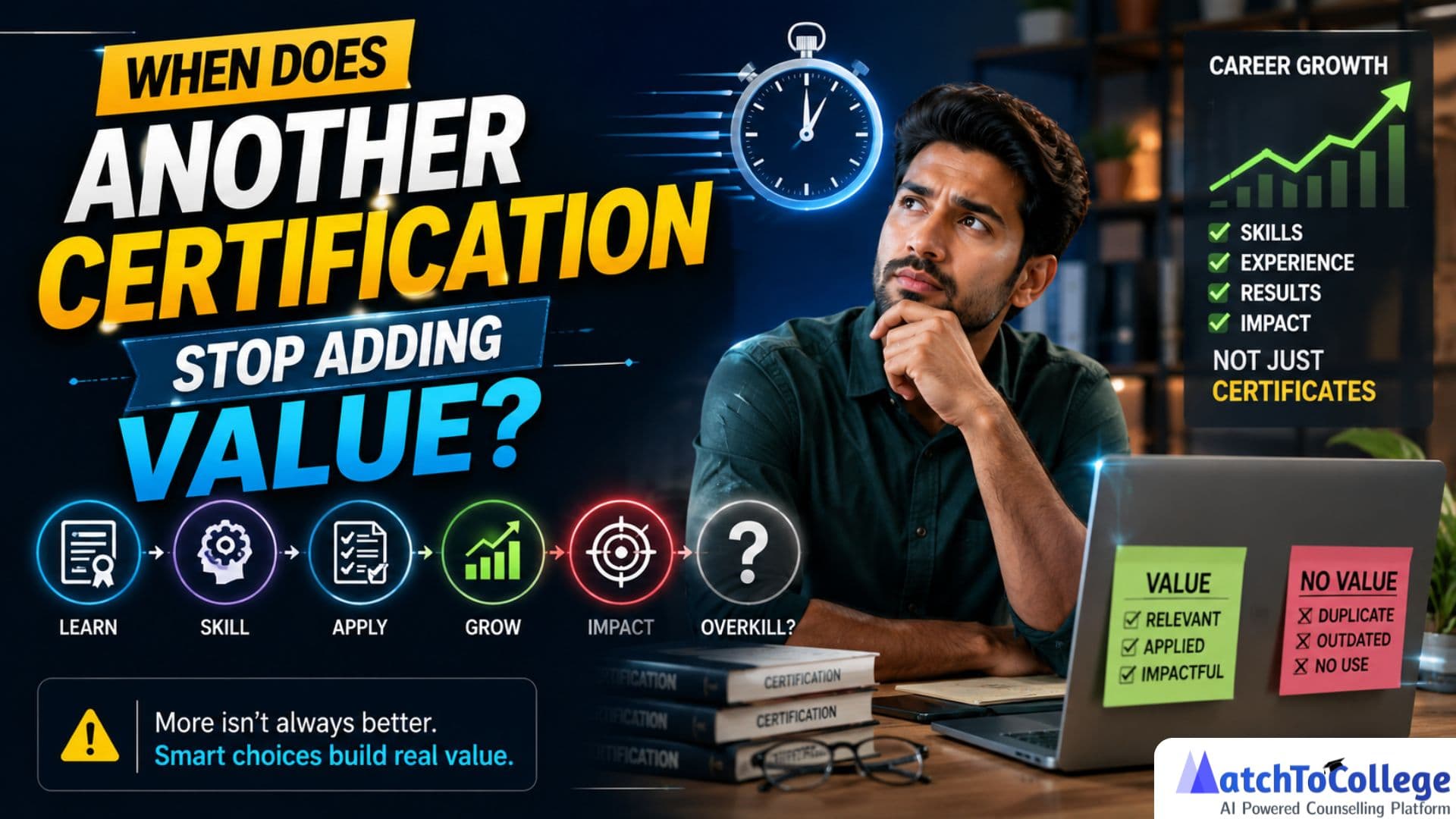
When do certifications stop adding value?
Certifications can boost your skills, improve your resume, and open new career opportunities. However, more certifications don't always mean better career prospects. Employers value certifications that are relevant, practical, and aligned with your career goals—not just a long list of credentials.
There comes a point where adding another certification offers little value if it doesn't improve your skills, experience, or employability. Instead of collecting certificates, focus on learning that helps you solve real-world problems and advance your career.
When Does a Certification Add Value?
| Adds Value When | Stops Adding Value When |
| It teaches in-demand skills. | It repeats knowledge you already have. |
| It is recognized by employers or the industry. | It comes from an unknown or low-value provider. |
| It supports your career goals or a career switch. | It has no connection to your desired job role. |
| It helps you gain practical experience. | It only adds another certificate without application. |
| It improves your job opportunities or salary potential. | It makes your resume longer without strengthening your profile. |
Signs You Should Pursue Another Certification
- You want to learn a new in-demand skill.
- You're changing careers or industries.
- Your current role requires updated technical knowledge.
- Employers in your field recognize the certification.
- It helps you qualify for better job opportunities.
The value of a certification isn't measured by how many you have, but by how relevant and practical it is. Before enrolling in another course, ask yourself whether it will strengthen your skills, improve your employability, and support your long-term career goals. Choosing the right certification at the right time will deliver far greater returns than simply collecting credentials.
The Diminishing Returns of Certification Overload
Adding certifications can strengthen your profile—but only when they add new skills and real value. Simply collecting certificates without a clear purpose can reduce their impact and may even hurt your professional image.
Risks of Certification Overload
| Issue | Why It Matters |
| Lack of Focus | Too many unrelated certifications can make it difficult for employers to identify your area of expertise. |
| Time & Cost | Every certification requires time and money that could be spent gaining practical experience or building a portfolio. |
| Employer Perception | Recruiters value hands-on experience. An excessive number of certifications may suggest strong theory but limited practical skills. |
| Limited Career Impact | Similar or repetitive certifications rarely improve your employability or salary prospects. |
| Skill Saturation | After gaining core industry certifications, additional entry-level credentials often provide little added value. |
How to Avoid Certification Overload
- Choose certifications that align with your career goals.
- Focus on learning new and in-demand skills instead of repeating existing knowledge.
- Balance certifications with internships, projects, and work experience.
- Prioritize certifications recognized by employers and industry leaders.
- Build expertise in one area rather than collecting unrelated credentials.
Quality matters more than quantity. Employers prefer candidates with relevant certifications, practical experience, and proven skills over those with a long list of unrelated credentials. Before enrolling in another course, ask yourself: Will this certification help me get closer to my career goals, or is it simply another certificate for my resume?
Strategically Evaluating Your Next Certification: Quality Over Quantity
Before investing your time and money in another certification, make sure it supports your career goals and offers real value. A strategic approach can help you gain skills that employers actually value.
Checklist Before Choosing a Certification
| Factor | What to Consider |
| Career Goals | Does the certification help you achieve your desired job, promotion, or career change? |
| Industry Recognition | Is it widely accepted and respected by employers in your field? |
| Market Demand | Are companies actively looking for professionals with this certification? |
| Practical Skills | Does it include hands-on projects, labs, or real-world applications instead of just theory? |
| Skill Enhancement | Will it add new skills or strengthen your existing expertise? |
| Return on Investment (ROI) | Will the certification improve your job opportunities, salary, or career growth enough to justify the cost and time? |
Questions to Ask Before Enrolling
- Will this certification help me reach my career goals?
- Is it recognized by employers in my industry?
- Will I gain practical, job-ready skills?
- Does it complement my existing knowledge and experience?
- Is the time and financial investment worth the expected career benefits?
The best certifications are those that align with your career goals, are recognized by the industry, and help you develop practical, in-demand skills. Instead of collecting multiple certificates, focus on certifications that provide measurable career benefits and strengthen your professional profile.
MatchToCollege: Your Partner in Strategic Higher Education & Certification Choices
Choosing the right degree or certification can be challenging. MatchToCollege simplifies the process by providing personalized guidance based on your career goals, academic profile, and current job market trends.
How MatchToCollege Supports Your Career Journey
| Feature | How It Helps |
| Identify Skill Gaps | Discover the skills and certifications that will have the greatest impact on your career. |
| Find the Right Programs | Explore universities, courses, and certifications that match your goals and industry demand. |
| Personalized Education Plan | Build a step-by-step roadmap for UG, PG, diplomas, and professional certifications. |
| Maximize ROI | Compare education options based on career opportunities, salary potential, and long-term value. |
| Career-Focused Guidance | Make informed decisions using insights from industry trends and employer expectations. |
Why Choose MatchToCollege?
- Personalized recommendations based on your goals.
- Guidance backed by AI and job market insights.
- Helps you avoid unnecessary or low-value certifications.
- Supports better education and career planning.
- Focuses on long-term career growth and return on investment (ROI).
Don't collect certifications just to fill your resume. Choose education and credentials that build real skills, improve employability, and support your long-term career goals. With the right guidance and a clear strategy, every learning investment can bring you closer to career success.
Share this Article
FAQFrequently Asked Questions
Q: How many certifications are too many for a resume?
There's no magic number, but generally, focus on quality and relevance over quantity. A good rule of thumb is to list 3-5 highly relevant, impactful certifications that directly support your career goals and the job you're applying for. Too many, especially if they are disparate or entry-level, can dilute your focus and make you appear unfocused.
Q: Do employers value certifications as much as a college degree?
It depends on the industry and role. For foundational knowledge and broad career paths, a college degree often provides a comprehensive education and is highly valued. However, in rapidly evolving fields like IT, cybersecurity, or data science, specialized certifications can be as, or even more, valuable than a degree for specific technical roles, demonstrating up-to-date practical skills. Certifications often complement degrees by providing niche expertise.
Q: How can I tell if a certification is valuable?
A valuable certification typically aligns with your career goals, is widely recognized and respected by employers in your target industry, addresses a specific in-demand skill gap, and has a strong return on investment (ROI) in terms of career advancement or salary potential. Research industry trends and job descriptions to see which certifications are frequently requested or recommended.
Get More Info About Certifications
Recommended Reading
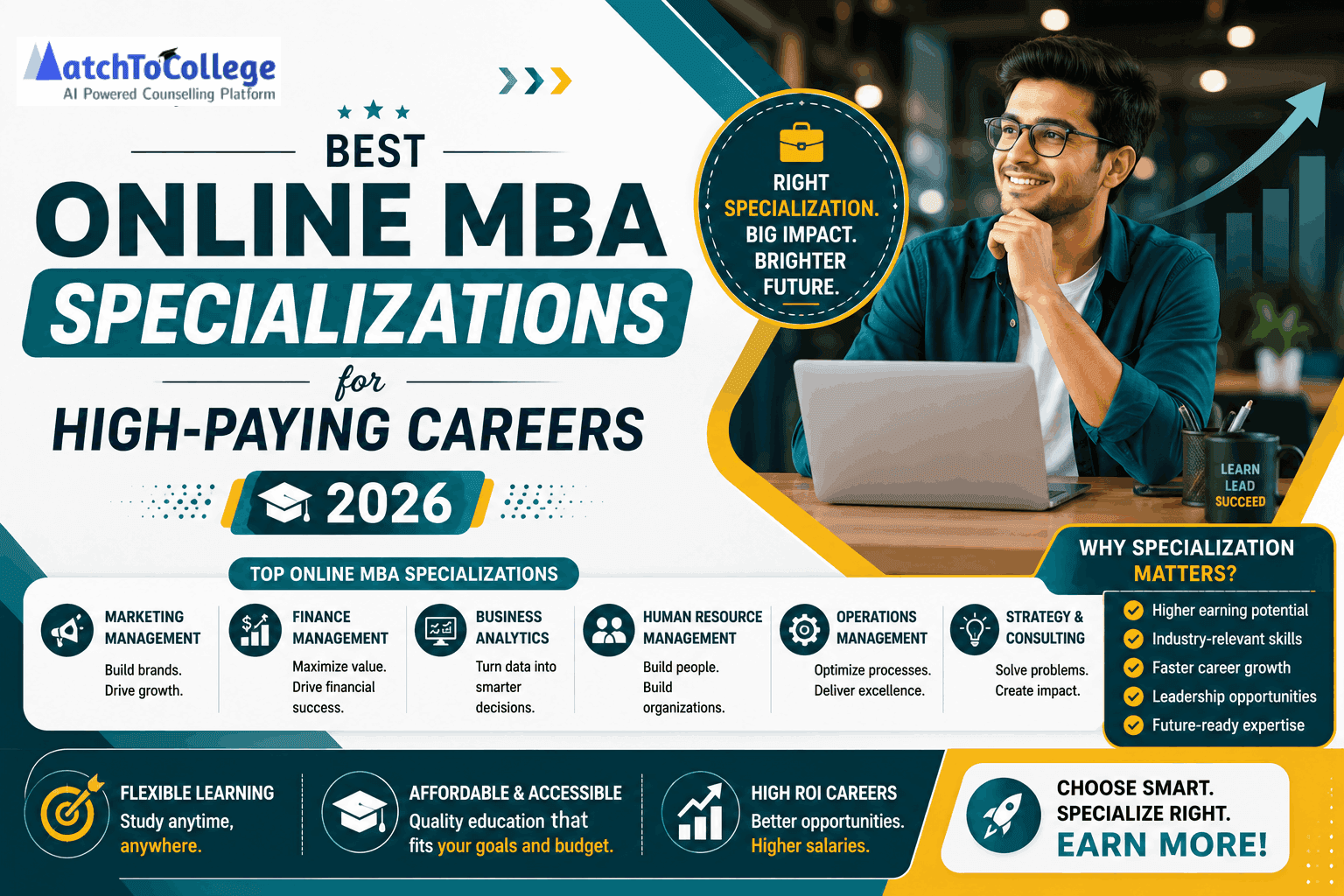
Best Online MBA Specializations for High-Paying Careers 2026
Discover the most lucrative online MBA specializations for 2026-27. Compare ROI, career growth, and use our AI tools to find your perfect management path.

Top Career Opportunities After an Online MBA in 2026-27
Discover high-paying career paths and roles after an online MBA in 2026-27. Explore salary trends, ROI, and tools to navigate your future professional success.
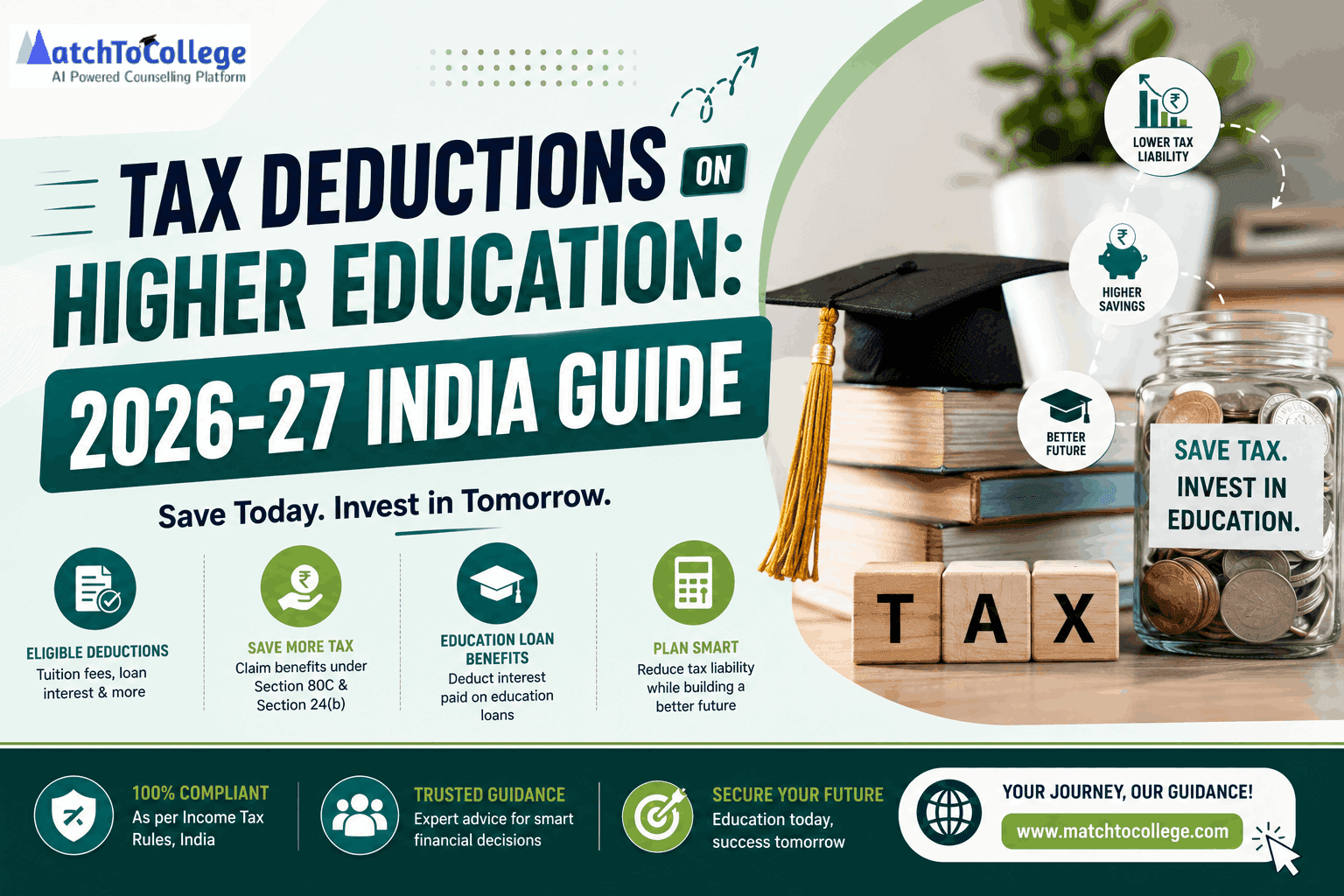
Tax Deductions on Higher Education: 2026-27 India Guide
Maximize your savings with our guide on tax deductions for higher education fees in India for FY 2026-27. Learn about Section 80C, 80E, and upskilling benefits.