

Your Definitive Guide to MBA Admissions in India: Strategy & Success
Admission & Info Tools
Need Expert Assistance?
Our counselors can help you with fee structures, eligibility guidelines, and upcoming admission cutoffs instantly.
Direct Application Tools
Share this Article
🎯 MatchToCollege AI Recommendation: Planning your counselling or choice filling? Check your seat allotment probability across premier colleges using the JEE Main College Predictor.
Key Highlights & Program Overview
An MBA from a reputable Indian institution can redefine your career trajectory. It's more than just a degree; it's an immersive experience designed to hone your leadership, analytical, and problem-solving skills. Here's a snapshot of what to expect:
| Parameter | Details |
| Program Duration | Typically 2 years (Full-time MBA), 1 year (Executive MBA) |
| Common Entrance Exams | CAT, XAT, GMAT, NMAT, SNAP, CMAT, MAT |
| Eligibility Foundation | Bachelor's degree (minimum 50% marks, often 60% for top schools) |
| Selection Process | Entrance Exam Score, Academic Record, Work Experience (if applicable), Group Discussion (GD), Personal Interview (PI), Written Ability Test (WAT) |
| Average Annual Fees | INR 5 Lakhs to 25 Lakhs+ (varies significantly by institution) |
| Career Prospects | Consulting, Finance, Marketing, Operations, HR, IT Management, Entrepreneurship |
Eligibility Criteria & Selection Process
Understanding the prerequisites is the first step towards your MBA dream. While specific requirements vary across institutions, a general framework applies to most top B-schools in India:
- Academic Qualification: A Bachelor's degree (10+2+3 or 10+2+4 pattern) in any discipline from a recognized university. Most premier institutes require a minimum of 50% aggregate marks (45% for reserved categories) in graduation. Some top IIMs and other elite schools often prefer candidates with 60% or higher.
- Entrance Examination: A valid score in one of the national-level management entrance exams like CAT, XAT, GMAT, NMAT, SNAP, CMAT, or MAT. Each B-school specifies which scores they accept.
- Work Experience: While not mandatory for all programs, significant work experience (typically 2-5 years) is highly valued by many top-tier B-schools and is often a prerequisite for Executive MBA programs. It adds depth to your profile and enriches classroom discussions.
- Age Limit: Generally, there is no upper age limit for full-time MBA programs, though Executive MBAs are designed for experienced professionals.
The selection process is multi-faceted, designed to assess your overall potential:
- Entrance Exam Score: This is the initial filter, with B-schools setting cut-offs for shortlisting candidates.
- Academic Profile: Your performance in 10th, 12th, and graduation is critically evaluated.
- Work Experience: Quality and relevance of work experience are crucial for many programs.
- Group Discussion (GD): Assesses your communication, leadership, and teamwork skills.
- Personal Interview (PI): Evaluates your personality, motivation, clarity of thought, and suitability for the program.
- Written Ability Test (WAT): Measures your written communication and analytical skills.
Top Colleges & Fee Comparison
India boasts a vibrant ecosystem of B-schools, each offering unique strengths. Choosing the right one depends on your career aspirations, budget, and preferred specialisation. Here's a glimpse at some of the top institutions and their estimated fee ranges:
| Institute Name | Estimated Total Fees (INR) |
| IIM Ahmedabad | 23-25 Lakhs |
| IIM Bangalore | 23-24 Lakhs |
| IIM Calcutta | 22-24 Lakhs |
| XLRI Jamshedpur | 23-25 Lakhs |
| ISB Hyderabad/Mohali (PGP) | 35-40 Lakhs |
| FMS Delhi | 2-4 Lakhs |
| SPJIMR Mumbai | 20-22 Lakhs |
| MDI Gurgaon | 20-22 Lakhs |
| IIFT Delhi/Kolkata | 18-20 Lakhs |
| NMIMS Mumbai | 20-24 Lakhs |
| Symbiosis (SNAP Colleges) | 15-20 Lakhs |
| Great Lakes Chennai/Gurgaon | 12-18 Lakhs |
Note: Fees are approximate and subject to change. They generally include tuition, library, computer, and other charges, but may not cover hostel and mess fees. Always check the official college websites for the most current fee structure.
Career Scope, Placements & Expected ROI
An MBA is an investment in your future, and understanding the potential return on investment (ROI) is crucial. Indian B-schools consistently deliver strong placement outcomes, with graduates securing roles across diverse sectors:
- Consulting: Top firms like McKinsey, BCG, Bain & Company, Deloitte, Accenture recruit heavily, offering strategic roles and high packages.
- Finance: Investment banking, corporate finance, private equity, wealth management, and fintech roles are popular with major banks and financial institutions.
- Marketing & Sales: FMCG giants, tech companies, and e-commerce platforms offer brand management, product marketing, and sales leadership positions.
- Operations & Supply Chain: Roles in logistics, procurement, and operations management are sought after in manufacturing, retail, and e-commerce.
- Human Resources: Strategic HR, talent management, and organizational development roles are available across industries.
- IT & Analytics: Business analyst, data scientist, and project management roles in tech companies are growing rapidly.
- Entrepreneurship: Many MBA graduates leverage their skills and networks to launch their own ventures.
Placement Insights:
Average packages at premier IIMs and top private B-schools often range from INR 20-35 Lakhs per annum, with the highest packages sometimes exceeding INR 50-70 Lakhs. The ROI is not just financial; it encompasses a robust professional network, enhanced leadership capabilities, and a global perspective that accelerates career progression. While the initial investment is substantial, the long-term career growth and earning potential typically justify it within a few years.
Admissions Checklist & Important Tips
Navigating the MBA admissions process requires meticulous planning and strategic execution. Here's a checklist and some invaluable tips from our MatchToCollege mentors:
- Research Thoroughly: Identify B-schools that align with your career goals, preferred specialisation, and cultural fit. Look beyond rankings to understand program structure, faculty, and alumni network.
- Excel in Entrance Exams: Dedicate sufficient time to prepare for CAT, XAT, GMAT, or other chosen exams. Mock tests are your best friends for identifying weaknesses and improving time management.
- Build a Strong Profile: Academics are important, but so are extracurricular activities, leadership roles, volunteer work, and any unique achievements. Highlight these in your applications.
- Craft Compelling Essays (SOPs): Your Statement of Purpose (SOP) or application essays are your chance to tell your story. Articulate your motivations, aspirations, and how the MBA program will help you achieve them. Be authentic and specific.
- Prepare for GD/PI/WAT: Practice group discussions, mock interviews, and written tests. Be aware of current affairs, industry trends, and be ready to articulate your thoughts clearly and concisely.
- Seek Mentorship: Connect with current students or alumni from your target B-schools. Their insights can be invaluable.
- Stay Organized: Keep track of application deadlines, exam dates, and required documents. Create a timeline and stick to it.
Remember, the journey to an MBA is a marathon, not a sprint. Stay persistent, learn from every experience, and believe in your potential. At MatchToCollege, we are committed to guiding you towards your ideal B-school. While you're exploring your MBA options, remember that MatchToCollege also supports aspirants across various other streams. For instance, our JEE Main College Predictor helps engineering aspirants calculate their admission probability and check cutoffs for top B.Tech colleges. Explore all our resources to make informed decisions for your academic future.
🏛️ Looking for Admissions & College Cutoffs? Explore verified fee structures, seat matrices, and real student reviews across top institutions on the MatchToCollege Top Colleges & Universities in India Directory.
Frequently Asked Questions
Q: Is an MBA worth it in India for fresh graduates?
For fresh graduates, an MBA can be highly beneficial, providing a strong foundation in business principles and accelerating career entry into management roles. While some top B-schools prefer work experience, many excellent programs admit freshers. It's crucial to choose a program that offers robust placements and aligns with your career aspirations to maximize your ROI.
Q: Which MBA entrance exam should I target?
The choice of entrance exam depends on your target B-schools. CAT is essential for IIMs and many other premier institutions. XAT is critical for XLRI and other top private schools. GMAT is preferred for ISB and global MBA programs. For specific colleges, exams like NMAT (NMIMS), SNAP (Symbiosis), CMAT, and MAT are also important. Research your desired colleges first to determine which exams they accept.
Q: How important is work experience for MBA admissions in India?
Work experience is highly valued, especially by top-tier B-schools and for Executive MBA programs. It demonstrates maturity, practical understanding of business, and enriches classroom discussions. While not always mandatory for all full-time programs, having 2-5 years of quality work experience can significantly strengthen your application and improve your chances at premier institutions.
Q: What is the average fee for an MBA in India?
MBA fees in India vary widely. For top IIMs and private B-schools, the average total fees can range from INR 15 Lakhs to 25 Lakhs or even higher (e.g., ISB). For government-funded universities and some other private institutions, fees can be significantly lower, ranging from INR 2 Lakhs to 15 Lakhs. Always check the specific program's official fee structure.
Q: How can I improve my profile for MBA admissions?
Beyond strong academic scores and entrance exam performance, you can enhance your profile by engaging in extracurricular activities, taking on leadership roles, participating in community service, pursuing certifications relevant to your desired specialisation, and gaining quality work experience. A well-rounded profile that showcases initiative, leadership, and diverse interests is highly attractive to admissions committees.
Related Topics
Featured Mentioned Colleges
Explore institutions featured and discussed in this article
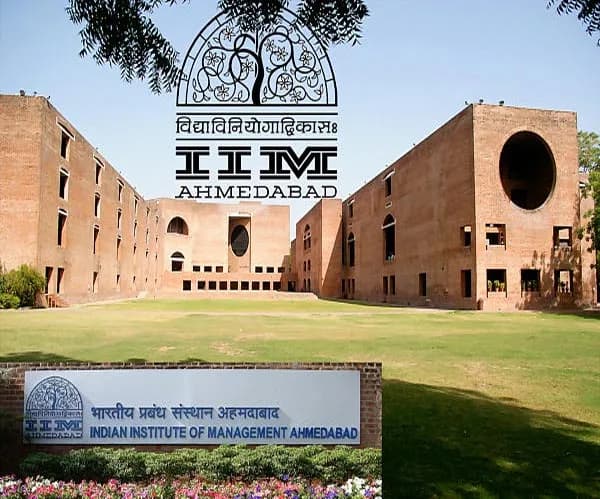

Located in the educational landscape of Ahmedabad, Gujarat, Indian Institute of Management Ahmedabad was established in 1961 to deliver transformative education. Conforming to regulatory norms of All India Council for Technical Education (AICTE) / UGC through its affiliation with Gujarat State University, the institution offers students an integrated foundation across business strategy, financial analytics, corporate governance, and entrepreneurial leadership. The campus is equipped with management simulation suites, modern boardroom presentation centers, and incubation hubs, creating an immersive environment for scholarly development and collaborative innovation. Dedicated to holistic student empowerment, the institution prepares ethical and career-ready professionals who contribute meaningfully to societal and industrial growth.
Total Fees
Contact for Fees
Total Courses
6


Established in 1973, Indian Institute of Management Bangalore is a distinguished institution situated in Bengaluru Urban, Karnataka. Conforming to regulatory norms of All India Council for Technical Education (AICTE) / UGC through its affiliation with Karnataka State University, the institution offers students an integrated foundation across business strategy, financial analytics, corporate governance, and entrepreneurial leadership. The campus is equipped with management simulation suites, modern boardroom presentation centers, and incubation hubs, creating an immersive environment for scholarly development and collaborative innovation. By combining academic discipline with practical exposure, it equips emerging scholars to meet evolving demands in industry, academia, and public service.
Total Fees
Contact for Fees
Total Courses
15
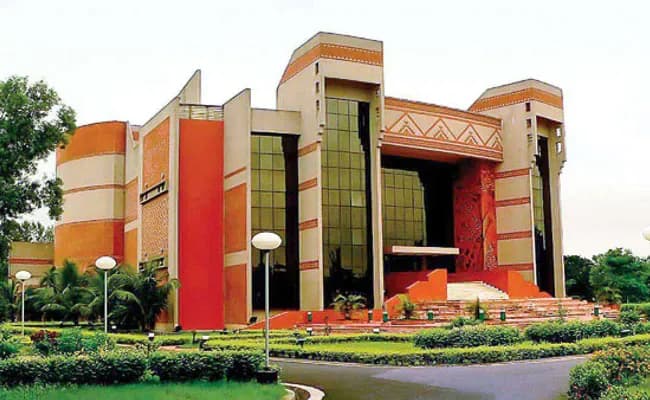

The Indian Institute of Management Calcutta (IIMC) was established as the first national institute for postgraduate studies and research in management by the Government of India in November 1961 in collaboration with the Alfred P. Sloan School of Management (MIT), the Government of West Bengal, the Ford Foundation, and Indian industry. During its initial years, several prominent faculty formed part of its nucleus, including Jagdish Sheth, J. K. Sengupta, and others. Over the years, IIMC has grown into a mature institution with a global reputation, imparting high-quality management education. It has been playing a pioneering role in professionalizing Indian management through its postgraduate and doctoral-level programs, executive training programs, and research and consulting activities. Today, the institute serves as an autonomous body, continually evolving to meet its goals in an ever-changing business environment.
Total Fees
Contact for Fees
Total Courses
11


With an educational trajectory spanning 11 years since its inception in 2015, FACULTY OF MANAGEMENT STUDIES serves as a prominent seat of learning in Rajkot, Gujarat. Affiliated with Marwadi University and adhering to statutory benchmarks established by All India Council for Technical Education (AICTE) / UGC, the institution delivers specialized academic curricula centered on business strategy, financial analytics, corporate governance, and entrepreneurial leadership. Students benefit from contemporary infrastructure featuring management simulation suites, modern boardroom presentation centers, and incubation hubs, designed to support hands-on learning and comprehensive intellectual growth. By combining academic discipline with practical exposure, it equips emerging scholars to meet evolving demands in industry, academia, and public service.
Total Fees
Contact for Fees
Total Courses
3

Established in 2006, IIFT KOLKATA is a distinguished institution situated in Kolkata, West Bengal. Conforming to regulatory norms of University Grants Commission (UGC) through its affiliation with Indian Institute of Foreign Trade, Delhi, the institution offers students an integrated foundation across holistic multidisciplinary education, applied research, and professional competence. Students benefit from contemporary infrastructure featuring digital lecture rooms, departmental resource centers, and central library, designed to support hands-on learning and comprehensive intellectual growth. Dedicated to holistic student empowerment, the institution prepares ethical and career-ready professionals who contribute meaningfully to societal and industrial growth.
Total Fees
Contact for Fees
Total Courses
5
Get More Info About Your Definitive Guide to MBA Admissions in India
Recommended Articles
IIM Bodhgaya Admissions: Your Definitive Guide to CAT Cutoffs & Selection
Aspiring for IIM Bodhgaya? This comprehensive guide breaks down the admission criteria, CAT cutoffs, and selection process. Discover how to strengthen your profile for a coveted spot in a premier IIM.

JEE Main 2027: Your Definitive Guide to Registration, Dates & Eligibility
Navigate JEE Main 2027 with confidence. This comprehensive guide from MatchToCollege covers registration, key dates, eligibility, exam pattern, and application tips for aspiring engineers.

COMEDK UGET 2027: Your Definitive Guide to Karnataka Engineering Admissions
Unlock your path to top private engineering colleges in Karnataka with our comprehensive COMEDK UGET 2027 guide. Understand eligibility, exam patterns, and strategic preparation to secure your dream seat.