

IIT JAM Preparation in 3 Months: Your Definitive Strategy Guide
Admission & Info Tools
Need Expert Assistance?
Our counselors can help you with fee structures, eligibility guidelines, and upcoming admission cutoffs instantly.
Direct Application Tools

Share this Article
🎯 MatchToCollege AI Recommendation: Planning your counselling or choice filling? Check your seat allotment probability across premier colleges using the CAT College Predictor.
Key Highlights & Program Overview
The IIT JAM (Joint Admission Test for Masters) is your gateway to postgraduate science programs, including MSc, Joint MSc-PhD, MSc-PhD Dual Degree, and other post-Bachelor's courses at the Indian Institutes of Technology (IITs) and the Indian Institute of Science (IISc). Understanding the exam structure and its core objective is the first step towards a successful preparation.
| Parameter | Details |
| Exam Name | IIT JAM (Joint Admission Test for Masters) |
| Conducting Bodies | Alternating IITs (e.g., IIT Madras, IIT Guwahati, IIT Roorkee) |
| Purpose | Admission to MSc, Joint MSc-PhD, MSc-PhD Dual Degree, etc. |
| Participating Institutes | IITs and IISc |
| Exam Frequency | Once a year |
| Question Types | Multiple Choice Questions (MCQ), Multiple Select Questions (MSQ), Numerical Answer Type (NAT) |
| Subjects Offered | Biotechnology (BT), Chemistry (CY), Economics (EN), Geology (GG), Mathematical Statistics (MS), Mathematics (MA), Physics (PH) |
Eligibility Criteria & Selection Process
To be eligible for IIT JAM, candidates must hold a Bachelor's degree in a relevant discipline. The specific eligibility criteria, including minimum marks or CGPA, vary slightly depending on the program and the admitting institute. Generally, a strong academic record in your undergraduate studies is essential. The selection process is primarily based on your performance in the IIT JAM examination.
- Academic Qualification: A Bachelor's degree (B.Sc./B.Tech./B.E.) in the relevant subject area from a recognized university.
- Minimum Marks: Typically, a minimum aggregate of 50-55% marks or a corresponding CGPA is required, though this can vary by institute and category.
- Age Limit: There is no age limit for appearing in IIT JAM.
- Selection Stages: The entire selection process hinges on your IIT JAM score. Candidates are shortlisted based on their performance in the written examination, followed by a centralized counseling process for seat allocation.
Top Colleges & Fee Comparison
IIT JAM serves as the common entrance examination for admission to postgraduate science programs at all 23 Indian Institutes of Technology (IITs) and the Indian Institute of Science (IISc) Bangalore. These institutions are globally renowned for their academic rigor, research opportunities, and esteemed faculty.
While specific program fees can vary significantly based on the institute, the chosen program (MSc, Joint MSc-PhD, etc.), and category (General, OBC, SC/ST, PwD), here’s a general overview:
| Parameter | Details |
| Primary Institutions | All Indian Institutes of Technology (IITs) and IISc Bangalore |
| Estimated Annual Fees (MSc) | ₹30,000 - ₹1,00,000 (for General/OBC, excluding hostel & mess) |
| Fee Waivers/Scholarships | Significant waivers for SC/ST/PwD categories; various scholarships available based on merit and need. |
| Return on Investment (ROI) | High, due to excellent academic exposure, research facilities, and career prospects. |
| Key Programs | MSc in Physics, Chemistry, Mathematics, Biotechnology, Geology, Economics, etc. |
It's advisable to check the official websites of individual IITs and IISc for the most accurate and up-to-date fee structures for your specific program of interest.
Admissions Checklist & Important Tips
A 3-month preparation window demands precision and unwavering dedication. Here’s a structured approach to maximize your potential:
Your 3-Month Strategic Blueprint
| Phase | Details |
| Phase 1: High-Yield Core (Month 1) | Focus on foundational concepts and topics with high weightage from the past 5-10 years' papers. Engage in active learning by solving 15-20 benchmark problems per concept and maintain daily short notes for formulas and standard results. |
| Phase 2: Practice & Mastery (Month 2) | Dedicate this month to topic-wise Previous Year Questions (PYQs) from the last 10-12 years to understand question patterns. Master all question formats (MCQ, MSQ, NAT) and maintain an error log to track and review mistakes weekly. |
| Phase 3: Mocks & Strategy (Month 3, Days 61-75) | Take 8-10 full-length mock tests under timed conditions, simulating the actual exam environment. Use the virtual calculator and adhere strictly to official exam hours to build endurance. |
| Phase 4: Deep Test Analysis (Month 3, Days 76-84) | Spend 2-3 hours analyzing each mock test. Identify conceptual gaps, calculation errors, and misread questions. Optimize your time allocation strategy based on this analysis. |
| Phase 5: Final Revision (Month 3, Days 85-90) | Strictly avoid new topics. Focus exclusively on reviewing your short notes, formula books, and error logs. This phase is for retention and refining accuracy. |
Daily Study Timetable for Optimal Preparation
| Time Slot | Activity & Focus |
| 7:00 AM – 9:00 AM | Concept Learning: Study a new chapter or a challenging topic from your chosen IIT JAM subject. |
| 9:00 AM – 9:30 AM | Break: Take a short, refreshing break. |
| 9:30 AM – 11:00 AM | Problem-Solving Practice: Solve numerical problems and topic-wise questions related to the concepts you just studied. |
| 11:00 AM – 12:00 PM | Revision: Review formulas, important concepts, definitions, and your short notes. |
| 12:00 PM – 2:00 PM | Lunch and Rest: Take a substantial break to recharge. |
| 2:00 PM – 3:30 PM | Previous Year Questions: Solve IIT JAM PYQs to understand exam patterns and question types. |
| 3:30 PM – 4:00 PM | Break: Relax and take another short break. |
| 4:00 PM – 5:30 PM | Weak Topics / Mock Test: Work on difficult chapters or attempt a sectional test to target specific areas. |
| 5:30 PM – 6:00 PM | Error Analysis: Review incorrect answers from your practice sessions and note down concepts requiring more attention. |
Leveraging Previous Year Papers (PYQs) Effectively
PYQs are not just practice material; they are a diagnostic tool. Here’s how to use them strategically:
| Strategy Step | Action & Benefit |
| Topic-Wise Practice | Solve PYQs immediately after completing a chapter to apply concepts directly and reinforce learning. |
| Identify High-Yield Topics | Analyze PYQs to spot recurring patterns and frequently tested concepts, prioritizing them for revision. |
| Master All Question Formats | Practice MCQs (elimination), MSQs (conceptual accuracy), and NATs (numerical precision) to adapt to the exam's diverse demands. |
| Time-Bound Full Tests | Simulate the 3-hour exam environment with complete papers, using a virtual calculator to build speed and accuracy. |
| Post-Test Error Analysis | Diagnose reasons for lost marks (conceptual gaps, calculation errors, misread questions) and revise before the next test. |
| Performance Tracking | Log scores, accuracy, and weak spots across tests to monitor progress and allocate extra study time to recurring challenging areas. |
Choosing the Right Study Material
For a 3-month plan, prioritize concise, effective resources. Standard textbooks are excellent for conceptual clarity, but complement them with dedicated IIT JAM guidebooks and extensive PYQ banks. Avoid getting lost in overly detailed reference books; use them for specific problem-solving or quick formula lookups. Focus on resources that offer ample practice problems across all question types.
While your immediate focus is IIT JAM, remember to explore all postgraduate avenues. For those considering an MBA, our CAT College Predictor can help assess your chances at top B-schools.
Career Scope, Placements & Expected ROI
An MSc degree from an IIT or IISc, secured through IIT JAM, opens doors to a multitude of prestigious career paths. These institutions are renowned for their rigorous academic environment, cutting-edge research facilities, and strong industry connections, ensuring a high return on your educational investment.
- Research & Academia: Many graduates pursue higher studies (PhD) in India or abroad, aiming for careers in research institutions, universities, or as scientists.
- Industry Roles: Opportunities exist in various sectors, including R&D departments, data analytics, software development, finance, and consulting, depending on your chosen subject (e.g., Physics, Chemistry, Mathematics, Biotechnology).
- Public Sector: Graduates are also sought after in government research organizations and public sector undertakings.
- Entrepreneurship: The analytical and problem-solving skills honed at IITs/IISc are invaluable for aspiring entrepreneurs.
While specific placement statistics vary by institute and program, IITs and IISc consistently report strong placement records with competitive salary packages. The long-term career growth and intellectual stimulation offered by these degrees far outweigh the initial investment, making it a highly rewarding academic pursuit.
🏛️ Looking for Admissions & College Cutoffs? Explore verified fee structures, seat matrices, and real student reviews across top institutions on the MatchToCollege Top Colleges & Universities in India Directory.
Frequently Asked Questions
Q: Can I successfully prepare for IIT JAM in just 3 months?
Yes, preparing for IIT JAM in 3 months is entirely possible with a highly focused study plan, consistent daily effort, and strategic practice. Prioritizing high-weightage topics, rigorously solving previous year papers, and taking regular mock tests are crucial for improving accuracy and time management. Your existing foundational knowledge will also play a role in your preparation trajectory.
Q: Is IIT JAM preparation challenging within a 3-month timeframe?
Preparing for IIT JAM in under three months can be demanding, but it is certainly manageable with a disciplined approach. The difficulty level largely depends on your current grasp of undergraduate concepts, the extent of syllabus coverage you've already achieved, and the number of dedicated study hours you can commit daily. A smart strategy involving topic prioritization and extensive practice can make it effective.
Q: Which IIT JAM subject typically requires the most preparation time?
Mathematics (MA) is frequently considered the most time-intensive subject for IIT JAM preparation. Unlike subjects that might rely more on direct recall, Mathematics necessitates significant hours dedicated to understanding abstract proofs, mastering logical definitions, and consistently working through complex, multi-step calculations to build proficiency.
Q: How critical are mock tests for IIT JAM preparation?
Mock tests are absolutely critical for IIT JAM preparation. They provide an authentic simulation of the actual exam environment, helping you understand the paper pattern, question difficulty, and, most importantly, refine your time management skills. Regular mock tests, followed by thorough analysis, are indispensable for identifying weak areas and optimizing your exam strategy.
Q: Should I attempt to cover new topics in the final month of IIT JAM preparation?
In the final month of IIT JAM preparation, it is generally advisable to avoid starting entirely new topics. This period should be dedicated primarily to rigorous revision of already covered concepts, strengthening weak areas identified through mock tests, and practicing previous year papers. Introducing new material too late can lead to superficial understanding and dilute your focus on mastering core concepts.
Related Topics
Featured Mentioned Colleges
Explore institutions featured and discussed in this article
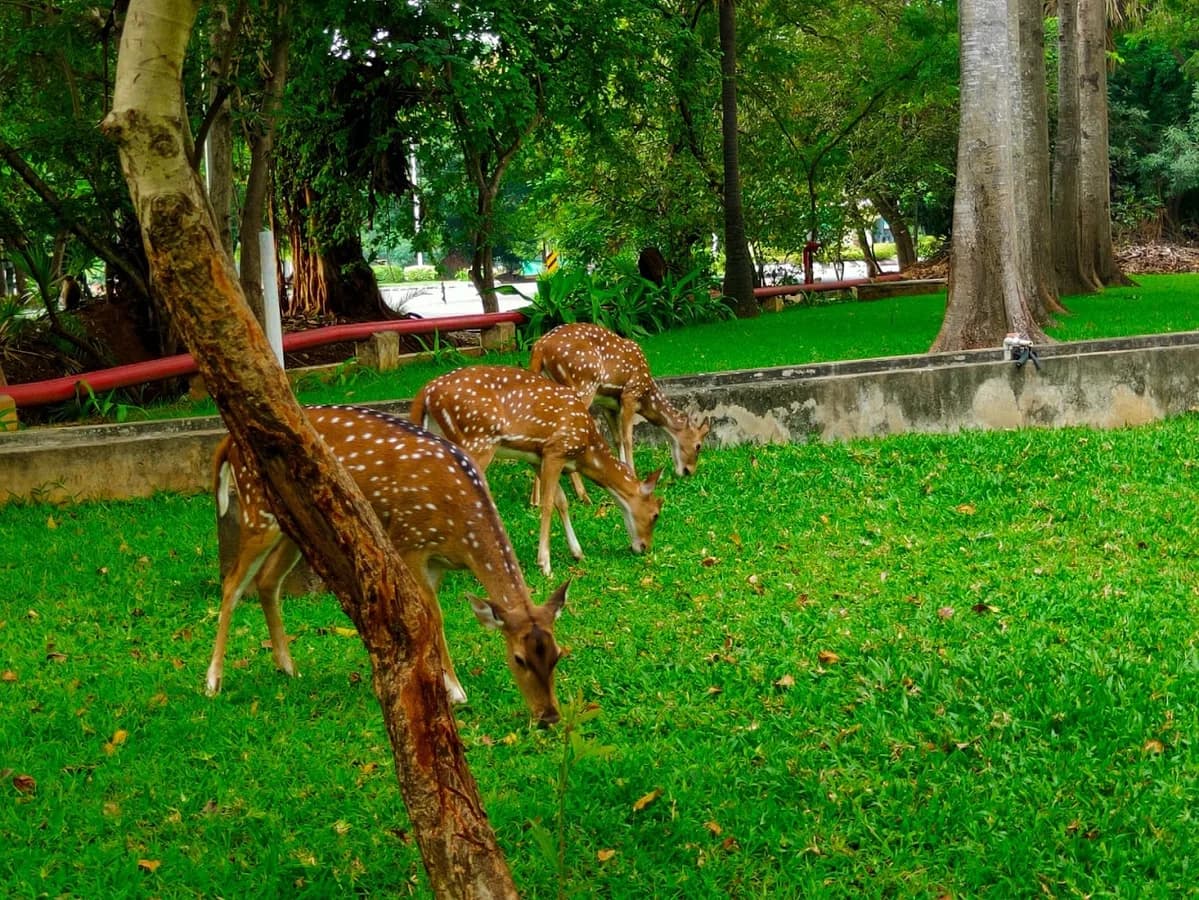

Indian Institute of Technology, Madras is a renowned institution of higher learning in Chennai, Tamil Nadu. Equipped with modern research infrastructure, accredited academic schools, and extensive placement partnerships, it prepares students for impactful leadership across global industries.
Total Fees
Contact for Fees
Total Courses
7
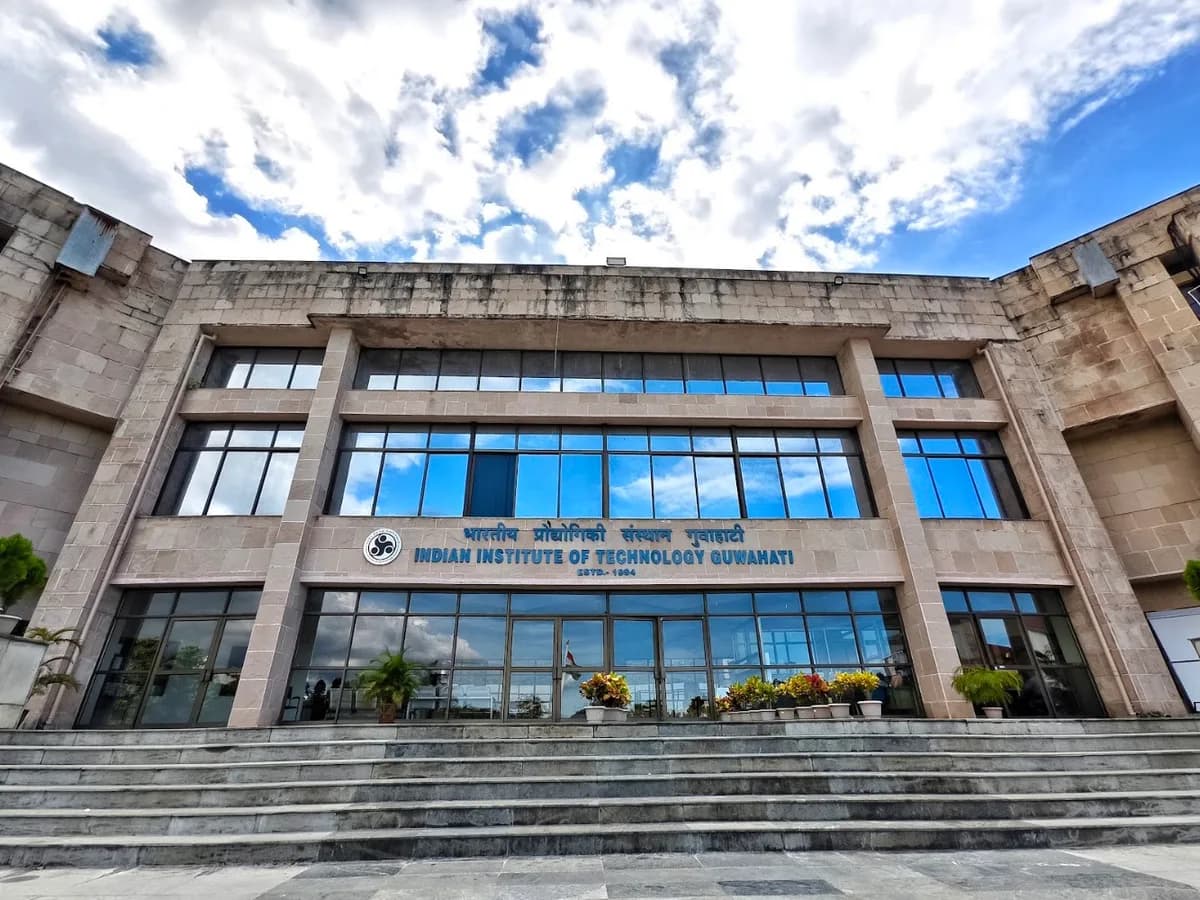

With an educational trajectory spanning 32 years since its inception in 1994, Indian Institute of Technology, Guwahati serves as a prominent seat of learning in Kamrup, Assam. Conforming to regulatory norms of All India Council for Technical Education (AICTE) through its affiliation with Assam State University, the institution offers students an integrated foundation across engineering innovation, applied science, computational systems, and advanced technical research. Students benefit from contemporary infrastructure featuring state-of-the-art computational centers, robotics and IoT laboratories, and core engineering workshops, designed to support hands-on learning and comprehensive intellectual growth. Dedicated to holistic student empowerment, the institution prepares ethical and career-ready professionals who contribute meaningfully to societal and industrial growth.
Total Fees
Contact for Fees
Total Courses
11
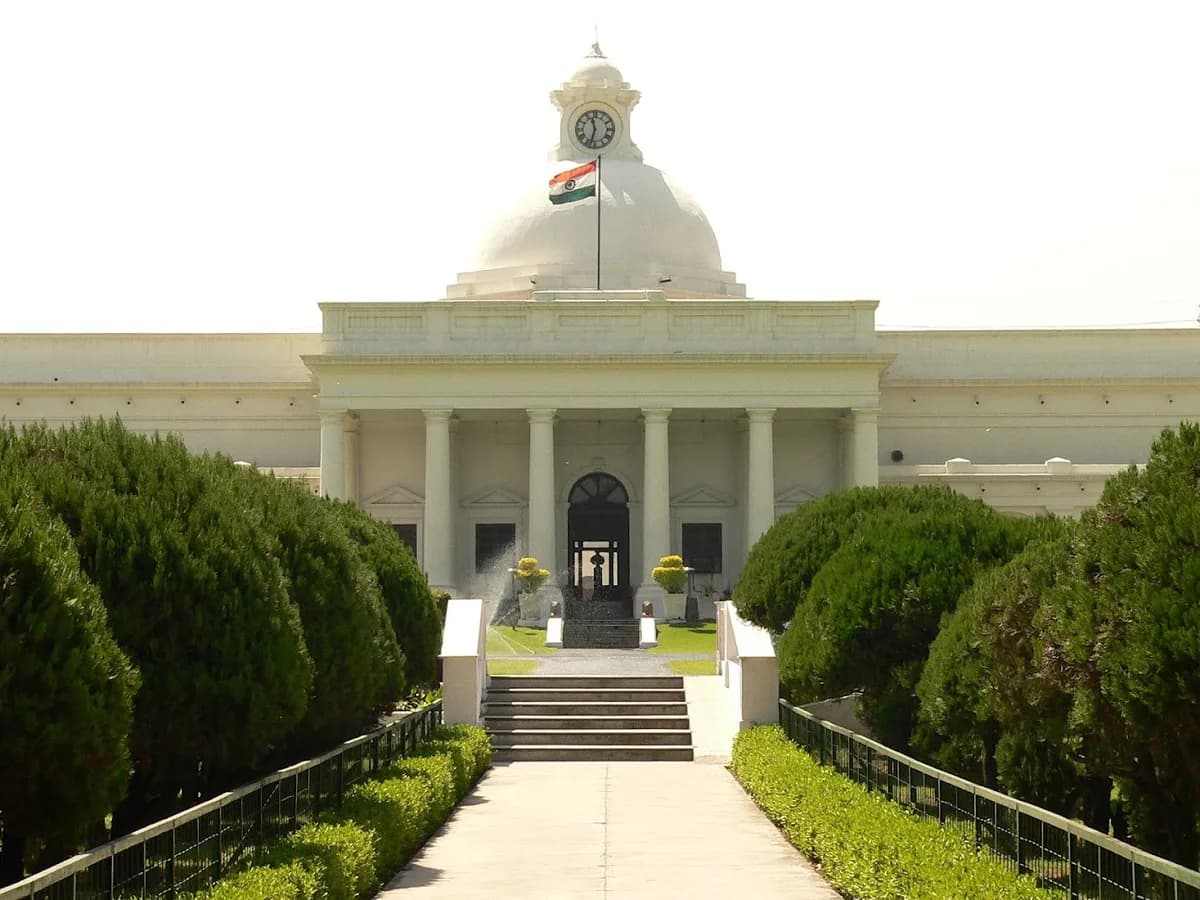

With an educational trajectory spanning 179 years since its inception in 1847, Indian Institute of Technology, Roorkee serves as a prominent seat of learning in Haridwar, Uttarakhand. Conforming to regulatory norms of All India Council for Technical Education (AICTE) through its affiliation with Uttarakhand State University, the institution offers students an integrated foundation across engineering innovation, applied science, computational systems, and advanced technical research. The institution maintains robust academic resources including state-of-the-art computational centers, robotics and IoT laboratories, and core engineering workshops, fostering an active student life and practical competencies. Graduates of Indian Institute of Technology, Roorkee emerge as competent, socially conscious professionals poised to assume impactful roles in diverse professional domains.
Total Fees
Contact for Fees
Total Courses
7
Get More Info About IIT JAM Preparation in 3 Months
Recommended Articles

NEET in Tamil: Your Definitive Guide to Past Papers & Strategic Preparation
Aspiring doctors preparing for NEET in Tamil medium, this guide is for you. Unlock the power of past papers, understand the exam structure, and strategize your path to a top medical college with MatchToCollege.
NEET UG Question Papers & Answer Keys: Your Essential Guide to Preparation & Scoring
Unlock your NEET UG potential by mastering past question papers and official answer keys. This guide from MatchToCollege helps you strategize, calculate scores accurately, and identify high-yield topics for medical entrance success.

BITSAT Scholarship 2027: Your Comprehensive Guide to 100% Tuition Fee Waiver at BITS Pilani
Aspiring engineers, unlock the prestigious BITSAT 2027 100% tuition fee scholarship. This guide details eligibility, income limits, CGPA rules, and how top rankers can secure this life-changing opportunity at BITS Pilani.