

Hidden Costs in Online Education: Portal Charges, Exam Fees & Hidden Taxes
Admission & Info Tools
Need Expert Assistance?
Our counselors can help you with fee structures, eligibility guidelines, and upcoming admission cutoffs instantly.
Direct Application Tools

Hidden Costs in Online Education
Share this Article
Online education has transformed higher learning by making quality programs more accessible and affordable. While students often focus on tuition fees when comparing online courses, many overlook additional expenses that can substantially increase the total cost of earning a degree or certification.
From portal access charges and examination fees to technology requirements and applicable taxes, these hidden costs can catch students by surprise if they are not considered during the planning stage. Understanding these expenses beforehand helps learners create realistic budgets and avoid financial stress later in their academic journey.
One common hidden expense is portal or learning management system (LMS) fees. Some institutions charge separate fees for accessing digital learning platforms, online libraries, virtual labs, or premium course materials. These costs may not be included in the advertised tuition fee and can vary significantly between universities.
Examination and assessment fees are another important consideration. Many online programs charge students separately for semester exams, proctored assessments, re-evaluations, project submissions, or certification tests. Depending on the course structure, these fees can add up over the duration of the program.
Students should also account for technology-related expenses. A reliable laptop, high-speed internet connection, software subscriptions, webcams, headsets, and data backup solutions are often essential for successful participation in online learning environments. In technical courses, specialized software licenses may represent a significant additional cost.
Another overlooked factor is taxation and regulatory charges. Depending on the country and institution, GST, VAT, or other applicable taxes may be added to tuition and service fees. These charges are not always prominently displayed in promotional materials, making the final payment higher than expected.
Additional costs may include transcript fees, graduation charges, identity verification services, digital certificate fees, courier charges for physical documents, and optional career support services. Students pursuing international online programs should also consider currency conversion fees and foreign transaction charges.
Before enrolling, carefully review the university's fee structure, terms and conditions, and payment policies. Request a complete breakdown of all potential charges to calculate the true cost of the program. A transparent understanding of expenses ensures better financial planning and helps you make an informed educational investment.
By recognizing these hidden costs early, students can avoid unexpected financial burdens and focus on achieving their academic and career goals with confidence.
Get More Info About Hidden Costs in Online Education
Recommended Articles

NEET Exam Tomorrow: Last-Minute Strategy to Maximize Your Score
NEET is tomorrow—here’s your complete last-day strategy covering revision, exam hall tips, and mistakes to avoid for maximum accuracy and performance.
GATE Previous Year Question Papers with Official Answer Keys (2007–2026) – Download PDF by Branch
Download official GATE previous year question papers with answer keys PDF from 2007 to 2026. Access branch-wise question papers for Computer Science (CS), Data Science (DA), Mechanical (ME), Electronics (EC), Electrical (EE), and Civil (CE) by IIT Madras.
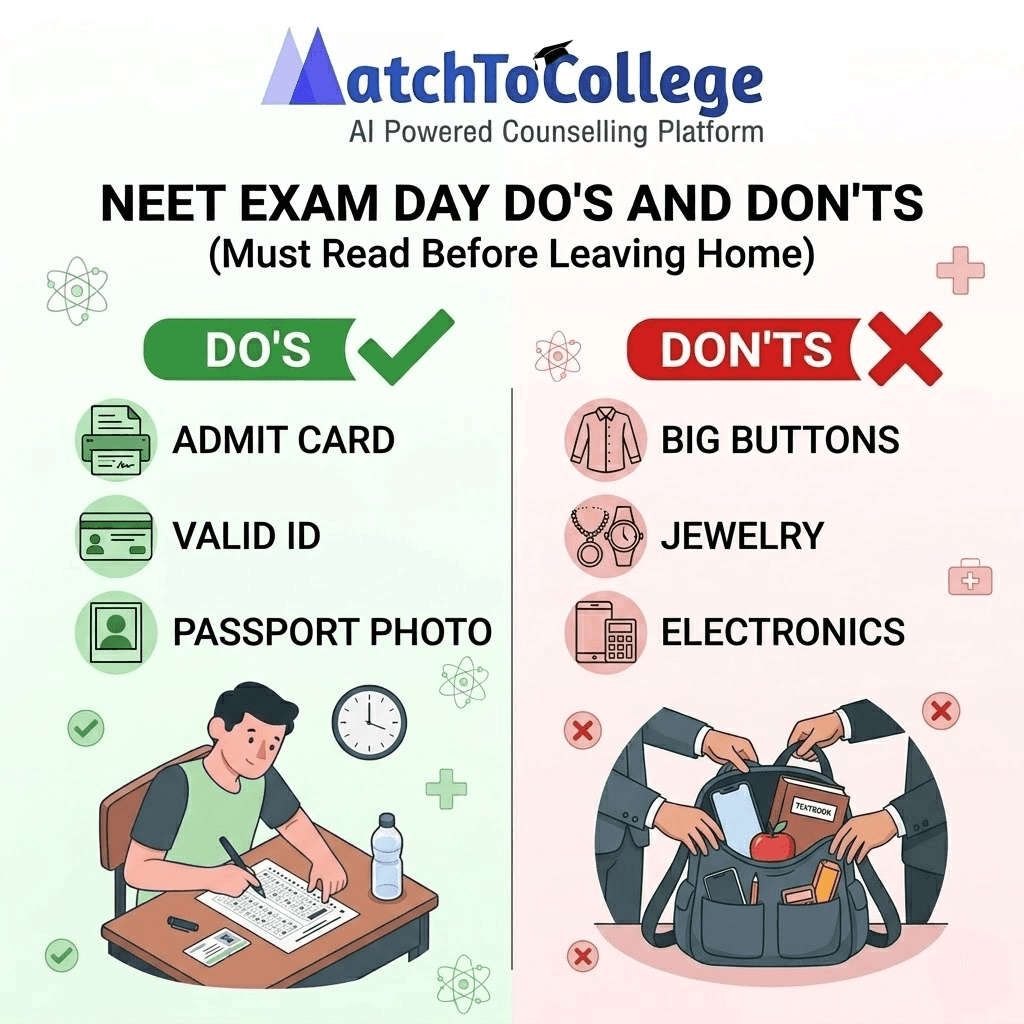
NEET Exam Day Do’s and Don’ts (Must Read Before Leaving Home)
Students appearing for the National Eligibility cum Entrance Test (NEET) must follow strict exam day guidelines set by the National Testing Agency. From required documents and dress code to prohibited items, this guide covers the most important NEET exam day do’s and don’ts to help candidates avoid last-minute problems at the exam center.